The best time to trek in Nepal is October–November or March–April. This complete guide covers every season, every region — Everest, Annapurna, Manaslu, Langtang, Mustang and more — with a month-by-month breakdown, temperature data, packing advice, and answers to 17 common trekker questions.
Best Time to Trek in Nepal: The Complete Season-by-Season Guide (2025–2026)
Quick Answer
The best time to trek in Nepal is October and November (post-monsoon autumn) or March and April (pre-monsoon spring). These four months give you stable weather, clear mountain views, and dry trails across almost every region. If you have to pick one: October is the single best trekking month in Nepal — skies are clearest, rhododendrons haven't peaked yet but trails are dry, and the post-monsoon freshness makes every view exceptional.
Why the "Best Time" Depends on Your Trek — Not Just the Season
Most guides tell you "spring and autumn" and leave it there. That's incomplete advice.
The truth is: the best time for the Everest Base Camp trek is different from the best time for the Annapurna Circuit. The Manaslu Circuit should not be attempted in the same windows as a Langtang valley walk. And December in the Everest region is not the same as December on the Annapurna trail.
This guide breaks it down by season, by region, and by specific trek — so you can plan around your actual itinerary, not a generic answer.
Nepal's Four Trekking Seasons at a Glance
SeasonMonthsWeatherCrowdsVerdict**Autumn**Sep–NovClear, dry, mildHighBest overall**Spring**Mar–MayClear, warmingHighBest for flowers + Everest climbs**Winter**Dec–FebCold, clear at altitudeLowGood for low-altitude & Annapurna foothills**Monsoon**Jun–AugWet, humid, leechesVery LowAvoid most treks; good for rain-shadow regions
Season 1: Autumn (September, October, November) — The Gold Standard
Autumn is universally considered the peak trekking season in Nepal, and for good reason.
After the monsoon clears — usually by late September — the Himalayan air is washed clean of dust and haze. Visibility is at its annual maximum. Temperatures are mild at lower elevations and manageable at altitude. Trails are in good condition. Tea houses are fully stocked.
September
The monsoon is still retreating in early September. The first two weeks can still bring rain, muddy trails, and leeches at lower elevations. By mid-to-late September, trails begin clearing and the high passes open up. Good for: experienced trekkers who want to beat October crowds.
Everest region: clearing from mid-September
Annapurna: clearing from mid-September; the circuit can start
Temperature at Namche Bazaar (3,440m): 5–15°C daytime
October ★ Best Month of the Year
October is the standout month. The monsoon is fully gone, skies are a deep blue, and the mountain views are razor-sharp. Lodges are full but the trail atmosphere is festive — you'll meet trekkers from around the world.
All regions open and accessible
Temperature at Namche Bazaar (3,440m): 2–12°C daytime
Temperature at Everest Base Camp (5,364m): -10 to 2°C
Temperature in Pokhara (valley base): 18–27°C
Book lodges in Namche, Dingboche, and Thorong Phedi well in advance
November
Still excellent. Slightly colder than October, especially above 4,000m. Views remain clear. Crowds thin out in the second half — if you prefer quieter trails, mid-to-late November is ideal. The first snowfall can arrive at high passes by late November.
Temperature at Namche Bazaar: -2 to 10°C
High passes (Thorong La, Renjo La, Cho La): still open but cold
Good for: Manaslu Circuit, Gokyo Lakes, Three Passes Trek
Season 2: Spring (March, April, May) — Colour, Expeditions & Crowds
Spring is the second-best trekking season and the best time for mountaineers — it's when the annual Everest summit window opens. Rhododendron forests burst into red and pink bloom below 4,000m, making trails through the Annapurna foothills and Langtang valley especially beautiful.
March
Lower elevations are warm and colourful. Snow lingers on high passes — Thorong La (Annapurna Circuit) and the three high passes on the Everest circuit can still be deep in snow in early March. By late March, conditions improve significantly.
Best for: lower Annapurna Circuit, Langtang, Ghorepani–Poonhill
Rhododendrons in full bloom at 2,000–3,500m
Temperature in Kathmandu: 15–25°C
April ★ Best Spring Month
The high-altitude passes clear. Everest expedition teams fill the trail to base camp, adding a unique atmosphere. April is the warmest comfortable month at altitude before the pre-monsoon heat arrives at lower elevations.
Temperature at Namche Bazaar: 5–15°C
All major treks open
Permits and tea houses available but book ahead
May
The pre-monsoon haze builds — views become less sharp than October. Late May brings increasing cloud buildup in the afternoons. The Everest summit window is at its peak (late May), so Namche is busy with expedition logistics. Fine for trekking but not ideal for photography.
Increasing afternoon clouds
Lower elevations getting hot (Kathmandu: 25–32°C)
Avoid if clear mountain views are your priority
Season 3: Winter (December, January, February) — Cold, Quiet & Underrated
Winter trekking is genuinely rewarding for those prepared for cold temperatures. The skies are crystal-clear — sometimes even clearer than autumn — because there's no atmospheric moisture. High passes close, but most popular routes remain accessible.
What's closed in winter?
Thorong La Pass (Annapurna Circuit) — usually closed December through February
Three Passes Trek (Everest region) — high passes unreliable
Manaslu Circuit — Larkya La pass typically closed
Upper Mustang — roads can be impassable
What's open and excellent in winter?
Annapurna Base Camp (ABC) — open; cold but manageable
Everest Base Camp — open; the most challenging version of the trek; very cold nights at altitude (-15 to -20°C) but stunning clear days
Ghorepani–Poonhill — best winter short trek; rhododendron forests, Annapurna sunrise views, warm village lodges
Langtang Valley — open; cold but far fewer crowds
Lower Annapurna foothills — Pokhara, Sarangkot, Dhampus
Who winter trekking is right for: experienced trekkers, budget travellers (30–50% lower lodge prices), photographers who want dramatic light without crowds.
Season 4: Monsoon (June, July, August) — Avoid or Choose Wisely
The monsoon brings heavy rain to most of Nepal from June through August. Most trails are wet, leeches are prevalent below 2,000m, landslides are a risk on certain routes, and mountain views are blocked by cloud almost every day.
However: two regions are in the Himalayan rain shadow and remain dry during monsoon. These are actively good trekking destinations in summer:
Mustang (Upper Mustang) ✓ Open in Monsoon
Upper Mustang lies north of the Annapurna massif, sheltered from the monsoon. It's a high-altitude desert with Tibetan-influenced culture, ancient cave monasteries, and walled cities. Restricted area permit required. The best time to visit Upper Mustang is July and August — it's specifically designed as a monsoon trek.
Dolpo (Lower and Upper Dolpo) ✓ Open in Monsoon
Similarly sheltered. Remote, wild, expensive (restricted area permit: USD 500/10 days). Logistically complex but extraordinary.
Everything else in monsoon?
Avoid for trekking. Fine for Kathmandu cultural tours, Chitwan wildlife safari (animals gather at water sources), and Pokhara if you don't mind cloud.
Best Time by Region
Everest Region (Khumbu)
Best: October–November, March–May
Avoid: June–September (monsoon), late December–February for high passes
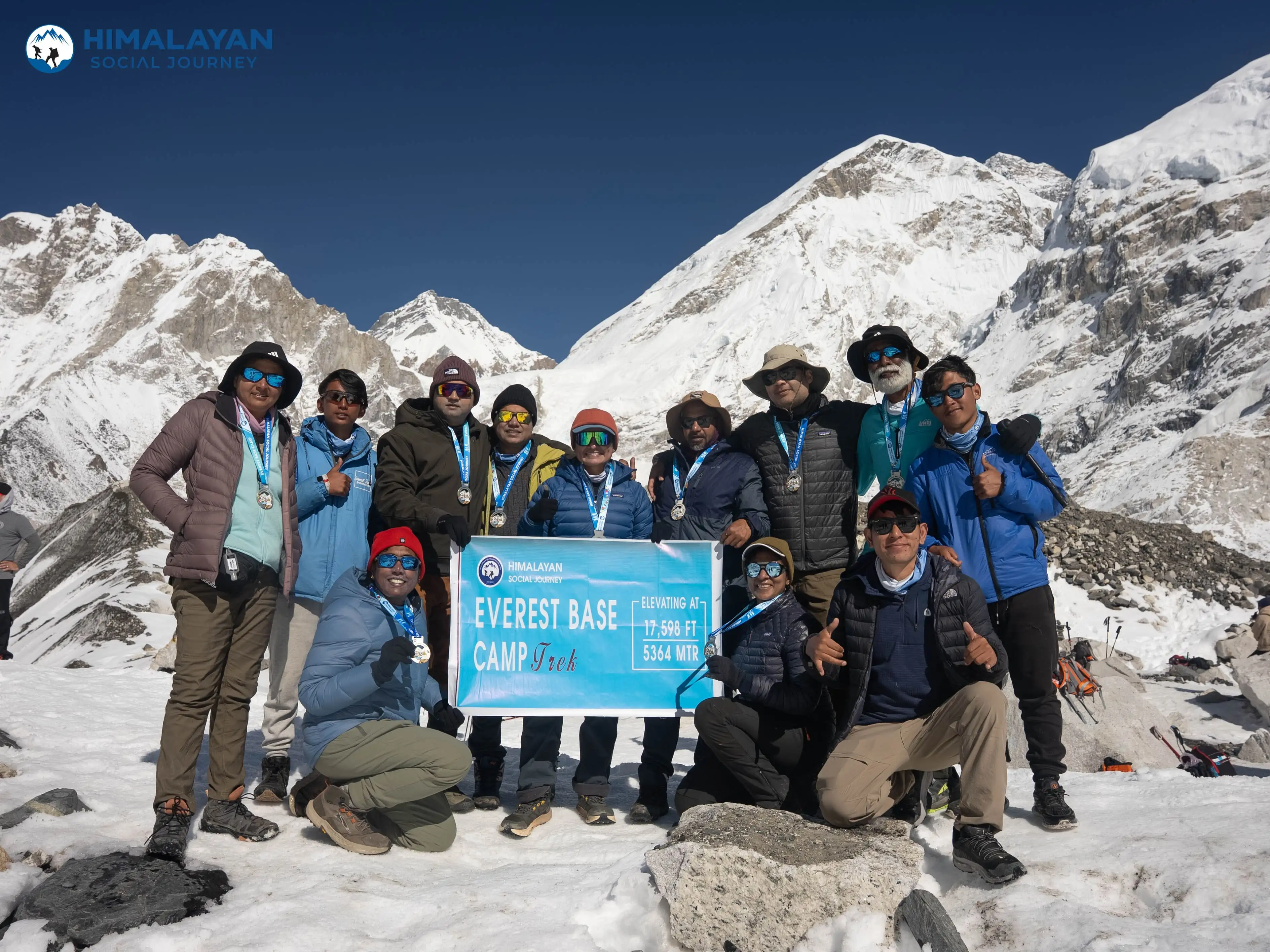
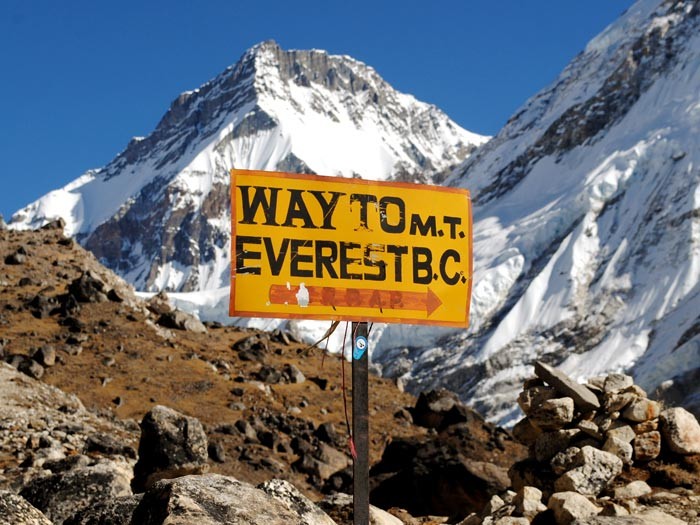
EBC itself is doable year-round, but the ideal windows are clear: October for views, April for atmosphere with expedition teams. Winter EBC is serious — night temperatures at base camp drop to -25°C.
Annapurna Region
Best: October–November, March–April
Winter option: Ghorepani–Poonhill (December–February); avoid Thorong La
Monsoon option: Upper Mustang (June–August)
The Annapurna Circuit is best walked in October or April. The foothills (Ghorepani, Mardi Himal) work well in winter when the circuit passes are closed.
Manaslu Circuit
Best: October–November (prime), late March–April
Hard avoid: December–February (Larkya La at 5,160m closed), June–September (monsoon)
Manaslu has a restricted-area permit and requires a licensed guide. Do not attempt it outside the two main windows — the Larkya La pass is exposed and the weather margin is narrow.
Langtang Valley
Best: October–November, March–May
Winter: Langtang remains open in winter but is cold; Kyanjin Gompa (-10°C nights)
Langtang is the quickest high-altitude trek from Kathmandu (3–4 hours drive to trailhead). Spring is particularly lovely here — less crowded than EBC or Annapurna and the valley is beautiful.
Mustang (Upper Mustang)
Best: March–May, June–August (rain shadow — the monsoon trek)
The only major trekking region where July is specifically recommended. Book the restricted-area permit (USD 500/10 days) well in advance.
Kanchenjunga & Far East Nepal
Best: October–November, April–May
Remote, serious trek. October and April only — the region is isolated and evacuation is difficult outside ideal conditions.
Month-by-Month Quick Reference
MonthOverallEBCAnnapurnaLangtangMustangJanuary⭐⭐❄️ Cold⭐⭐⭐ Foothills⭐⭐✅ OpenFebruary⭐⭐❄️ Cold⭐⭐⭐ Foothills⭐⭐✅ OpenMarch⭐⭐⭐⭐⭐⭐⭐⭐⭐⭐⭐⭐✅ OpenApril⭐⭐⭐⭐⭐⭐⭐⭐⭐⭐⭐⭐⭐⭐⭐⭐✅ OpenMay⭐⭐⭐⭐⭐⭐⭐⭐⭐⭐⭐⭐✅ OpenJune⭐ Monsoon❌❌❌⭐⭐⭐⭐July⭐ Monsoon❌❌❌⭐⭐⭐⭐⭐August⭐ Monsoon❌❌❌⭐⭐⭐⭐⭐September⭐⭐⭐⭐⭐⭐⭐⭐⭐⭐⭐⭐✅ Open**October**⭐⭐⭐⭐⭐⭐⭐⭐⭐⭐⭐⭐⭐⭐⭐⭐⭐⭐⭐⭐✅ OpenNovember⭐⭐⭐⭐⭐⭐⭐⭐⭐⭐⭐⭐⭐⭐⭐⭐⭐⭐⭐December⭐⭐❄️ Cold⭐⭐ Foothills⭐⭐✅ Open
7 Things Nobody Tells You About Trekking Seasons in Nepal
1. "Spring and autumn" doesn't mean the entire season.
The best weeks in autumn are roughly October 5–November 15. Before that, September trails can still be muddy. After mid-November, passes get risky. In spring, mid-March through late April is ideal — early March has snow, May has haze.
2. October is the most booked month. Plan 3–4 months ahead.
Tea houses in Namche Bazaar, Dingboche, Gorak Shep, and Thorong Phedi fill up in October. If you're going without pre-booking, you may sleep in a tent or dining room floor. This isn't an exaggeration.
3. Altitude changes everything.
"Clear skies in October" applies above about 3,500m. Below that, you can still get morning mist, especially in the Everest foothills (Lukla, Phakding, Monjo). The mountains are clear; the lower valleys are sometimes not.
4. The shoulder seasons (late September, late November) are underrated.
Late September and early October have 20–30% fewer trekkers than peak October. The trails are still excellent. Same applies to late November — colder, quieter, still beautiful.
5. Rain shadow doesn't mean no weather.
Upper Mustang and Dolpo in July–August are dry by Nepal standards, but you'll still get afternoon winds and occasional storms. It's not a beach holiday — it's a high-altitude desert. Pack accordingly.
6. Permits have separate booking windows.
The TIMS card and national park permits are available year-round. But the Manaslu restricted-area permit and Upper Mustang permit require advance booking. The Manaslu permit costs USD 100/week in high season and USD 75/week in low season.
7. Your fitness matters more than the season.
A fit trekker in December will have a better EBC experience than an unfit trekker in October. Season optimises for weather. Training optimises for completion. Both matter.
Packing by Season
Autumn & Spring (Core Season)
Lightweight base layers + mid-layer fleece
Hard-shell waterproof jacket (afternoon showers possible in spring)
Down jacket for above 3,500m
Trekking poles (essential on rocky descents)
Sunscreen SPF 50+ (UV is intense at altitude)
Gaiters for early spring snow on passes
Winter
Heavyweight down jacket rated to -20°C
Thermal base layers (top and bottom)
Balaclava, neoprene gloves, down sleeping bag liner
Crampons or microspikes if attempting any high passes
Hand warmers
Monsoon (Mustang/Dolpo)
Windproof jacket (wind is the hazard, not rain)
Sunscreen (desert UV)
Dust buff/balaclava for dusty trails
Standard summer trekking gear; no down required below 5,000m in August
Frequently Asked Questions
What is the absolute best month to trek in Nepal?
October. Post-monsoon skies are clearest, temperatures are moderate at all altitudes, all routes are open, and the trail atmosphere is at its best.
Can I trek in Nepal in December?
Yes — with the right gear and expectations. Ghorepani–Poonhill, Langtang Valley, and lower Annapurna treks are very enjoyable in December. EBC in December is for experienced cold-weather trekkers only. High-altitude passes (Thorong La, Larkya La) are typically closed.
Is Nepal safe to trek during monsoon (June–August)?
Most treks are not recommended. Trails are wet, visibility is poor, and landslide risk increases on certain routes. The exception is Upper Mustang and Lower Dolpo — rain-shadow regions that are specifically best visited in July–August.
When is the best time to trek to Everest Base Camp?
October to early November or April. October gives the clearest views. April adds the drama of Everest expedition teams preparing for summit attempts.
What is the best time for Annapurna Circuit trek?
October–November is ideal. March–April is the second choice (rhododendrons are beautiful). Avoid June–September (monsoon on the circuit's eastern side) and December–February (Thorong La pass usually closed).
What is the best time for Annapurna Base Camp (ABC) trek?
ABC is good from October to April. It can even be done in winter (December–February) as the trail doesn't cross a high pass — though it's cold and you need the right gear.
What is the best time for Manaslu Circuit trek?
October–November and late March–April only. The Larkya La pass (5,160m) is dangerously exposed in winter. A licensed guide is required by regulation throughout the year.
Is it too cold to trek in Nepal in January?
At low to mid elevations (below 3,000m), January is cold but manageable — temperatures range from 5–15°C during the day. The Ghorepani–Poonhill trek (max elevation ~3,210m) is popular and beautiful in January. Above 4,000m, January nights are -10°C to -20°C.
When is Nepal the least crowded for trekking?
December through February and June through August. February is the sweet spot for those wanting uncrowded trails with open routes — Ghorepani in February is beautiful and very quiet.
Do I need to book tea houses in advance?
In October–November and April: yes, for the popular stages (Namche, Dingboche, Lobuche/Gorak Shep on EBC; Thorong Phedi/High Camp on Annapurna Circuit). Off-season: walk-in is almost always fine.
What are the temperature ranges at Everest Base Camp by month?
October: -3 to 5°C daytime, -15°C nights
November: -8 to 2°C daytime, -20°C nights
April: -5 to 3°C daytime, -15°C nights
December–February: -10 to 0°C daytime, -20 to -30°C nights
How many days do I need for Everest Base Camp trek?
Minimum 12 days (Lukla roundtrip, no rest days) — not recommended. Standard: 14 days with one acclimatisation day at Namche. Comfortable: 16–18 days with two acclimatisation days. Rushing causes altitude sickness. Do not reduce below 12 days.
What permits do I need for trekking in Nepal?
For most treks: TIMS card (USD 10–20) + National Park entry permit (varies: Sagarmatha: USD 30; ACAP: USD 30). For Manaslu, Upper Mustang, Dolpo: restricted area permit required, plus the above. All permits can be arranged in Kathmandu or via your trekking agency.
When do rhododendrons bloom in Nepal?
Lower elevations (1,500–2,500m): late February–March. Mid elevations (2,500–3,500m): March–April. The Ghorepani and Langtang regions have exceptional rhododendron forests. Peak bloom is typically mid-March to mid-April.
Is travel insurance required for Nepal trekking?
It is not legally required, but it is essential. Most high-altitude trekking requires helicopter rescue insurance. Make sure your policy covers high-altitude trekking above 5,000m and includes helicopter evacuation. Some policies cap at 3,000m or 4,500m — check the small print.
What is the best time for Langtang Valley trek?
October–November and March–May. Langtang is accessible year-round except during the monsoon (June–August). It's the quickest major trek from Kathmandu and less crowded than EBC or Annapurna.
Can I trek in Nepal as a beginner?
Yes — several treks are well-suited to first-timers. Ghorepani–Poonhill (4–5 days), Langtang Valley (7–8 days), and the Annapurna Base Camp trek (10–12 days) are popular beginner routes. The key is choosing the right season (October or April), allowing enough time, and hiring a licensed guide.
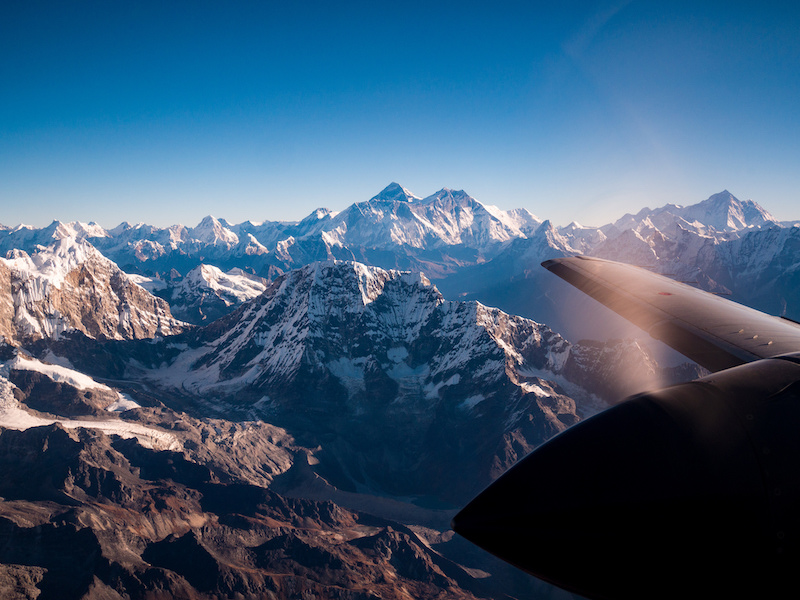
When is the best time to do a helicopter tour in Nepal?
October, November, and April for clear mountain views. Morning flights are most reliable — clouds build in the afternoon across all seasons. Avoid monsoon season (June–August) as flights are frequently cancelled.
Our Recommendation by Traveller Type
You are...Best timeBest trekFirst-time trekkerOctoberGhorepani–Poonhill or LangtangPhotographerOctober (clarity) or March (colour)EBC or Annapurna CircuitBudget travellerDecember or FebruaryGhorepani or ABCExperienced high-altitude trekkerOctober or AprilThree Passes Trek or Manaslu CircuitMonsoon adventurerJulyUpper MustangMountain biker or cyclistOctober–NovemberAnnapurna Circuit (paved sections)Family with childrenMarch–April (warmer)Langtang Valley or Ghorepani
Plan Your Nepal Trek with HSJ
Himalayan Social Journey has been operating trekking in Nepal since 2002. Our team is based in Kathmandu — not in a foreign office — and every itinerary is built around realistic acclimatisation schedules, not just appealing to the calendar.
We run treks across all regions and all seasons. Whether you're planning an October EBC in a year when lodges are fully booked, a winter Ghorepani for two, or a restricted-permit Manaslu Circuit in autumn, we'll handle the logistics so you can focus on the trail.
Last updated: June 2026. Temperature data based on records from Nepal Meteorological Forecasting Division and our team's field experience across 20+ years of operation.