

Markhu is a lakeside village on the shore of Kulekhani Reservoir (Indra Sarobar) in Makwanpur district. It's about 35-50 km and a 2-3 hour drive south-west of Kathmandu. It's Nepal's main reservoir for hydropower, and today it's also a quiet boating and fishing escape. Most Kathmandu-based travellers can do it in a single long day.
This guide covers the route options and what you'll actually find when you get there. It also covers how long to budget and when to go. The details come from guides who run this trip repeatedly, cross-checked against the dam's own operating history.
Where Is Markhu Kulekhani and How Far Is It From Kathmandu?
Markhu sits at roughly 1,500-1,600 m elevation on the northern shore of Kulekhani Reservoir, inside Makwanpur district. Straight-line distance from Kathmandu is about 30 km. Road distance runs 33-50 km depending on which route you take, since there are two quite different ways in.
| Route | Via | Approx. distance | Approx. drive time | Road type |
|---|---|---|---|---|
| Thankot - Bhainse road | Tribhuvan Highway, Bhainse, then local road to Kulekhani | 45-50 km | 2-2.5 hours | Mostly paved, a few rough patches |
| Chandragiri - Chitlang route | Thankot, Chandragiri Pass, Chitlang, Taukhel, Markhu | 33-40 km | 2.5-3 hours (longer if you hike part of it) | Hill road, partly unpaved, scenic |
The Chandragiri-Chitlang route is slower by road but far more scenic. It's the one most trekking agencies use when they pair the dam with a village walk. If you only have a day and want the shortest drive, go via Thankot-Bhainse instead.
Why People Go: Kulekhani Dam, Indra Sarobar and Markhu Village
Kulekhani Reservoir is the largest artificial lake in Nepal. It was built to feed the country's first major reservoir-based hydropower scheme. Construction began in 1977, and the Kulekhani I power station (60 MW) started generating in 1982. A second station (32 MW) was added in 1986, and a third (about 14 MW) was commissioned in 2019. Combined capacity now runs roughly 106 MW, according to Wikipedia's entry on Kulekhani Reservoir and figures published by Nepal Electricity Authority. The lake is still called Indra Sarobar on most maps and local signage.
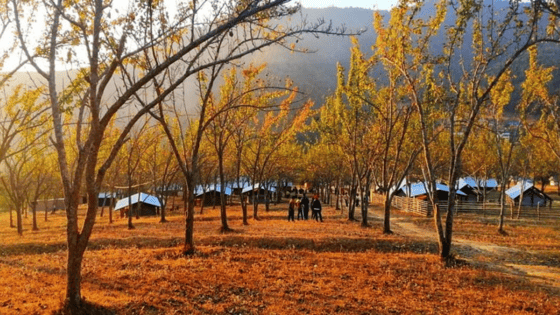
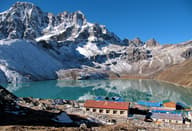
What draws travellers isn't the engineering, though — it's the setting. Pine-covered hills drop straight into still green-blue water. The air is noticeably cooler and cleaner than Kathmandu, and the pace is slow. Things to do around Markhu and Kulekhani:
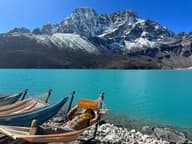
- Boating on Indra Sarobar — wooden or small motor boats, usually rented by the half hour, run by local families at the lakeside.
- Walking the Markhu suspension bridge — a long footbridge strung across an arm of the reservoir with open views down the water.
- Lakeside lunch — fried fish caught in the reservoir, or standard dal bhat, at one of the handful of lakeside eateries.
- Mohini Jharna waterfall — a short walk or drive from the dam, with a natural pool some visitors swim in during warmer months.
- Chitlang village — a Tamang farming village on the hill side above, known for homemade cheese and khukuri-making, often combined with Markhu on a 2-day trip.
Markhu Day Trip vs 2-Day Trip: Which Should You Choose?
Both work. The choice comes down to how much time you have and whether you want to walk or just drive.
Choose a day trip if:
- You have one free day in Kathmandu and want a short break from the city without packing a bag.
- You're happy with 4-6 hours of driving for 2-3 hours at the lake.
- You want boating and a dam view, not a village-to-village hike.
Choose a 2-day trip if:
- You want to combine Chitlang's farm village walk with Markhu's lakeside time, rather than rushing both.
- You'd rather hike part of the route (Chandragiri to Chitlang, then Chitlang to Markhu) than sit in a vehicle the whole way.
- You want a slow, low-cost overnight outside Kathmandu without flying or doing a multi-day trek.
Sample Day-Trip Plan
- Depart Kathmandu by 7:00-8:00 AM, private vehicle via Thankot-Bhainse.
- Arrive Kulekhani Dam viewpoint by mid-morning; walk the dam wall, take photos of Indra Sarobar.
- Drive 20-30 minutes to Markhu village; boating for 30-60 minutes.
- Lakeside lunch (fish or dal bhat).
- Optional short stop at Mohini Jharna waterfall on the way out.
- Drive back to Kathmandu, arriving by early evening.
Total time runs roughly 6-9 hours door to door. It depends on traffic out of the valley and how long you linger at the lake.
Sample 2-Day Itinerary (with Chitlang)
| Day | Plan |
|---|---|
| Day 1 | Drive from Kathmandu to Chandragiri or Thankot, hike to Chitlang (2-3 hours), explore the village, overnight in a homestay or guesthouse |
| Day 2 | Walk or drive down to Kulekhani Dam and Markhu; boating on the reservoir, short visit to Mohini waterfall; drive back to Kathmandu by evening |
HSJ runs this exact combination as a guided trip. The Markhu, Kulekhani & Chitlang 2-Day Tour covers both villages with a driver and guide. You don't have to arrange local transport or boat hire yourself.
Best Time to Visit Markhu and Kulekhani
October to April is the most reliable window. Skies are clearer, the lake looks its best blue-green color, and roads are dry.
- October-November: Clearest air post-monsoon, good hill views, comfortable daytime temperatures.
- December-February: Cold mornings (single digits Celsius at this elevation), but dry and usually clear by midday. Pack a warm layer.
- March-April: Warm days, good for swimming at Mohini Jharna, occasional afternoon haze.
- June-September (monsoon): Avoid if possible. The hill road to Chitlang gets slippery, and landslides occasionally block the Tribhuvan Highway side. The lake often turns muddy brown from runoff.
Getting There: Practical Options
- Private vehicle or taxi: The simplest option for a day trip. A private car or jeep from Kathmandu gives you flexibility on timing and lets you choose either route.
- Local bus: Buses run toward Markhu/Kulekhani from Kathmandu's Balkhu area, but service is infrequent. Often there's a single morning departure and one return in the afternoon, so plan your day around the bus schedule rather than the other way round.
- Guided day or overnight tour: A local operator arranges the vehicle, boat hire, and lunch stop. This removes the main friction points, such as negotiating boat prices, finding parking, and timing the return bus.
No trekking permit or TIMS card is required for Markhu or Kulekhani. It sits outside any national park or conservation area, as confirmed by the Nepal Tourism Board's list of protected areas, so this is one of the simpler short trips near Kathmandu to organize independently.
What to Pack
- Light daypack, water bottle, sun hat
- A warm layer for December-February mornings and the drive back after dark
- Cash in Nepali rupees — card payment is unreliable at lakeside stalls and boat operators
- Swimwear if visiting Mohini Jharna in the warmer months
- Basic sandals or shoes you don't mind getting wet near the boat dock
How This Fits With a Longer Nepal Trip
Markhu and Kulekhani work well as a breather day before or after a longer trek. Many travellers slot it in right after flying into Kathmandu, before heading out to the Annapurna region or Everest region. Others use it as a low-key day near the end of a trip once the legs are tired. If you're building a Kathmandu-based itinerary with a mix of short hikes and cultural stops, browse HSJ's full list of day trips from Kathmandu or the broader hiking and trekking listings for ideas that pair naturally with a Markhu day.
Is Kulekhani Dam Worth Visiting?
Yes, if your expectations match what it actually is. This is a working reservoir and hydropower site with a pleasant lakeside village, not a theme-park attraction. There are no entry gates or ticket counters at the dam itself. You park, walk along the dam wall or embankment, and look out over Indra Sarobar and the pine ridgelines around it. The appeal is the quiet and the drive in, more than any single sight.
Compared to Kathmandu Valley's more popular short trips — Nagarkot for sunrise over the Himalaya, or Chandragiri for the cable car view — Markhu and Kulekhani see far fewer tourists. That means simpler boat operators, slower service at lakeside restaurants, and almost no English signage. Guides who know the lakeside families tend to get a smoother visit than travellers arriving cold.
What Else Is Nearby?
If a single lake visit feels short for the drive involved, a few nearby stops extend the day without much extra travel time:
- Chitlang: A Tamang farming village roughly 1-1.5 hours' walk or a short drive from Markhu, known for homemade cheese, apple orchards, and a 19th-century monastery. Most 2-day Markhu trips are built around this pairing.
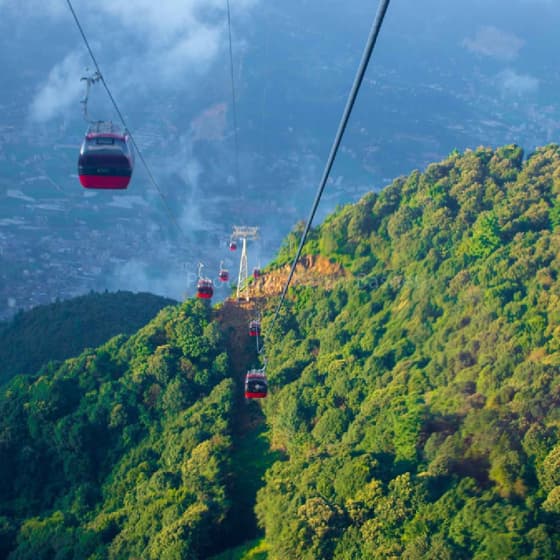
- Chandragiri Hills: Reachable by cable car from Thankot on the Kathmandu side, with views toward the Annapurna and Langtang ranges on a clear day. Some itineraries combine a cable car ride up Chandragiri with a hike down toward Chitlang and on to Markhu.
- Daman: Further along the Tribhuvan Highway, a hill station with wide Himalayan panoramas on a clear day. It's a longer add-on best suited to travellers with a second full day to spare.
HSJ's Chandragiri Cable Car day tour and the Markhu overnight village escape guide cover these combinations in more detail if you want to plan a two-stop day.
Costs to Expect
Prices at Markhu and Kulekhani are modest and mostly paid in cash on the spot:
- Boat rental: Typically priced per boat or per half hour, paid directly to the boat owner at the lakeside. Expect a few hundred Nepali rupees for a short ride, more for a full hour or a larger group.
- Lakeside lunch: A plate of dal bhat or fried fish runs similar to a standard Kathmandu valley meal out. It's inexpensive by international standards, but it varies by season and how busy the lakeside restaurant is.
- Private vehicle hire: A car or jeep for a day trip from Kathmandu is the largest single cost. Price depends on the vehicle type and whether you go round trip the same day or overnight.
- Guided tour package: Operators bundling transport, guide, and sometimes lunch charge a flat per-person rate. This is often simpler than arranging each piece separately, especially for solo travellers or couples without their own group to fill a vehicle.
HSJ's 2-day Markhu, Kulekhani & Chitlang tour lists the current package price and inclusions directly on the trip page. That's the most reliable place to check costs before booking.
Frequently asked questions
How far is Markhu Kulekhani from Kathmandu?
Markhu sits on Kulekhani Reservoir about 33-50 km from Kathmandu depending on route. The drive takes roughly 2-3 hours by private vehicle.
Do I need a permit to visit Kulekhani or Markhu?
No. Kulekhani and Markhu are outside any national park or conservation area, so no TIMS card or trekking permit is required for a day or overnight visit.
Can I visit Markhu and Kulekhani in one day from Kathmandu?
Yes. A round trip with time for boating and a stop at the dam can be done in about 6-9 hours. A 2-day trip combined with Chitlang is more relaxed and lets you hike part of the route.
What is Kulekhani famous for?
Kulekhani Reservoir, also called Indra Sarobar, is the largest artificial lake in Nepal. It feeds the country's main reservoir-based hydropower stations, which have supplied the national grid since 1982.
Is boating available year-round at Markhu?
Boating runs most of the year, but conditions are best October through April when the water is clearer and the weather is dry. During the June-September monsoon, runoff can turn the lake murky and hill roads can be slippery.
Is Markhu good for families or first-time visitors to Nepal?
Yes. The trip is short, the terrain is easy (walking is optional, not required), and there are no altitude or permit concerns. That makes it a low-effort add-on for travellers with limited time in Kathmandu.