Remote Area Trek
Remote Area Trekking in Nepal
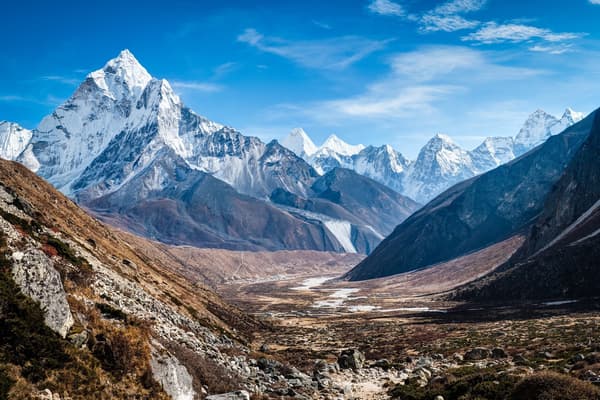
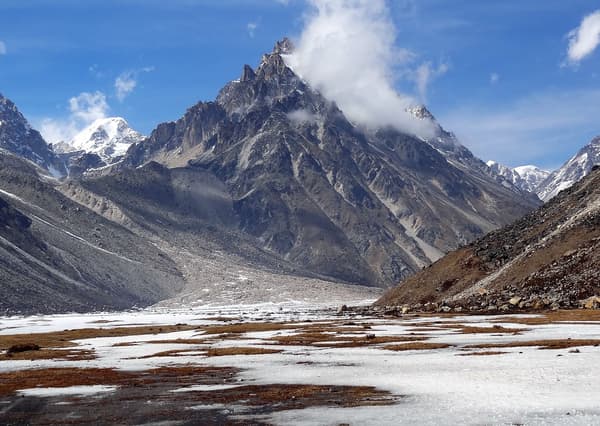
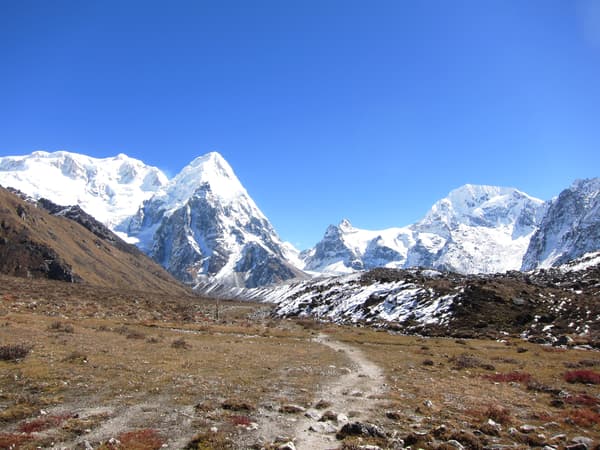
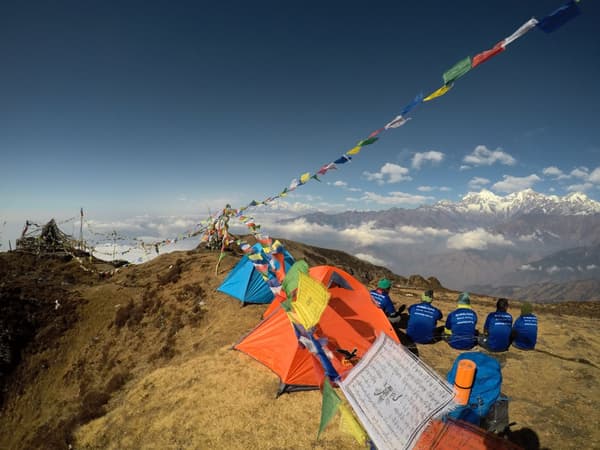
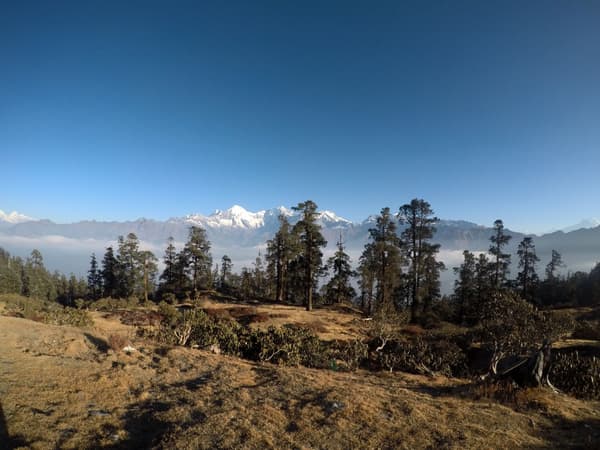
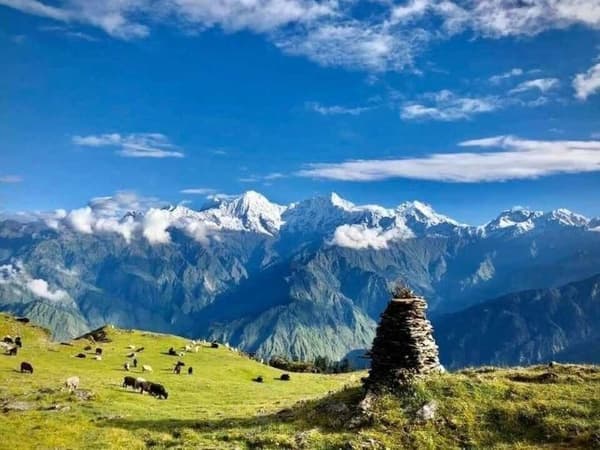
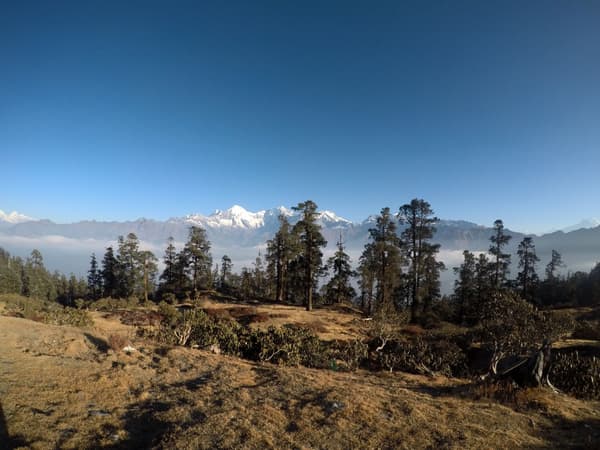
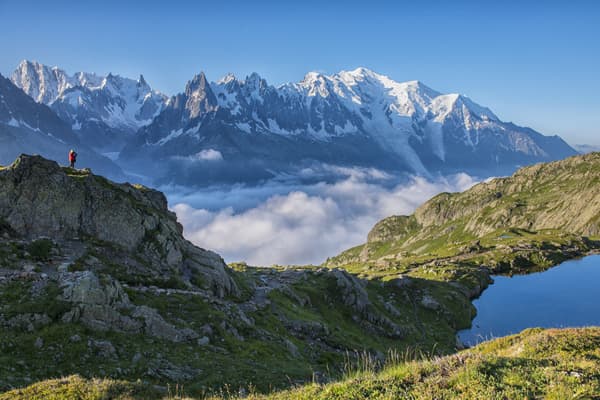
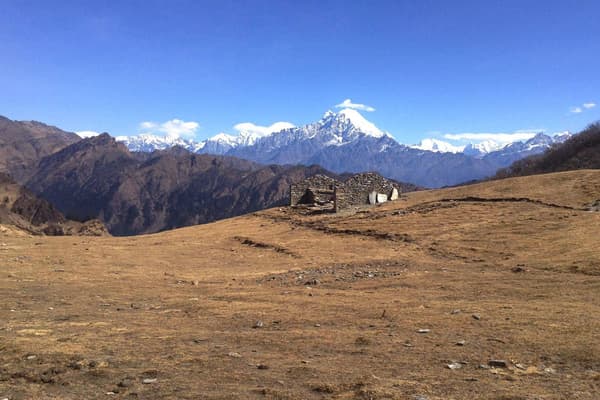
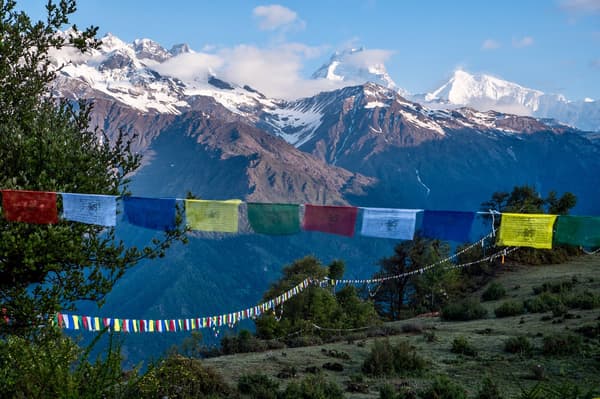
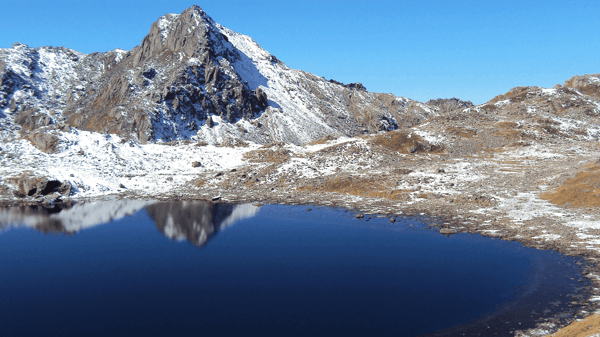
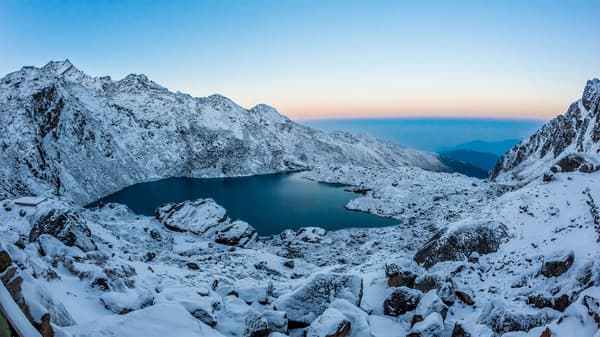
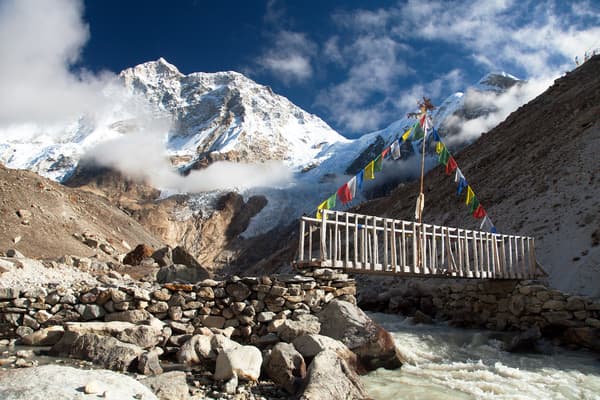
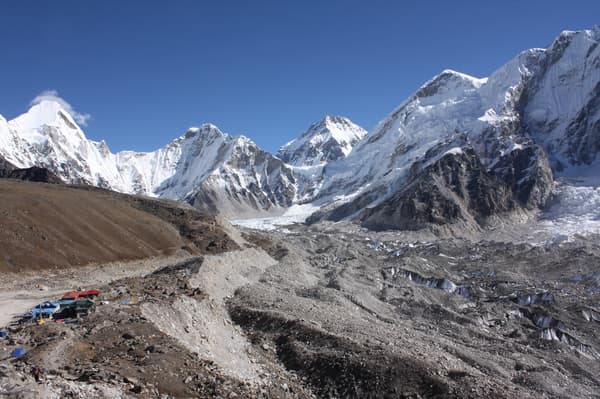
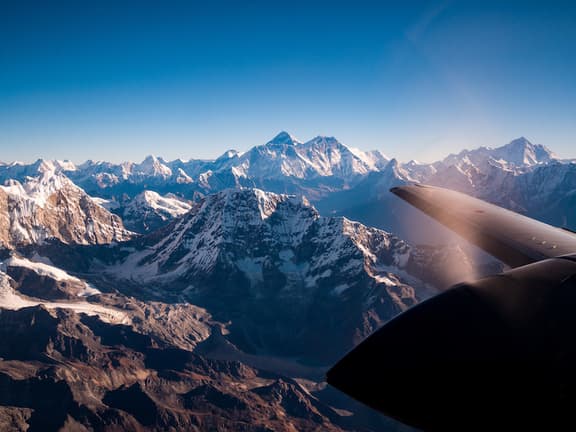
Beyond the well-known Everest, Annapurna, and Langtang circuits, Nepal conceals a vast interior of rarely visited mountain wilderness that rewards those willing to go further. These remote trekking areas — reaching from the far-eastern flanks of Kanchenjunga to the far-western shores of Rara Lake — offer some of the most extraordinary landscapes in Asia, untouched by mass tourism and rich in biodiversity and traditional cultures that have changed little in centuries.
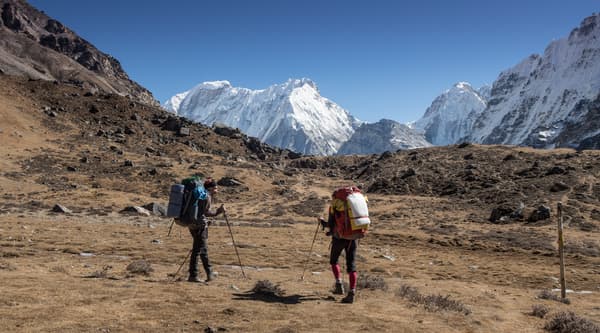
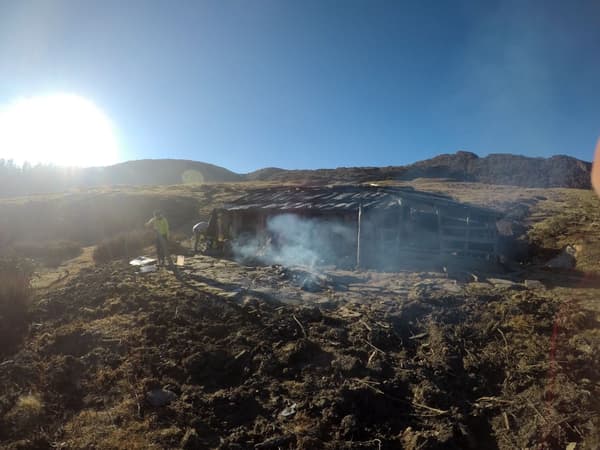
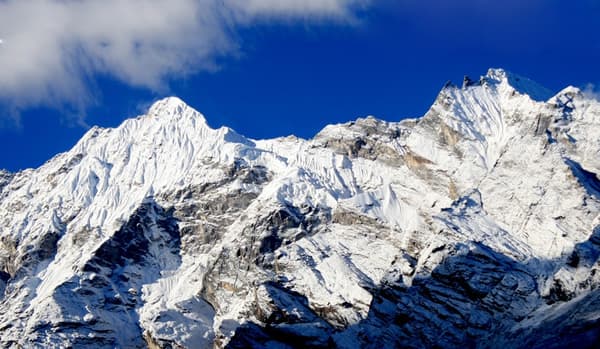
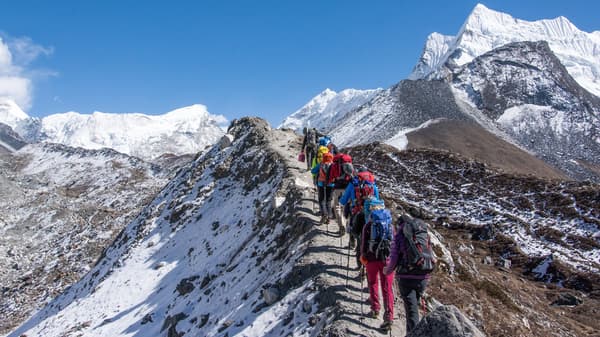
Remote area trekking in Nepal is not simply about difficulty or distance — it is about total immersion. Days pass without seeing another foreign trekker. Villages off the standard trails maintain agricultural and pastoral rhythms that predate modern infrastructure. And the mountains themselves — Kanchenjunga, Makalu, Dhaulagiri, the Ganesh Himal — loom in a silence that feels almost prehistoric.
Key Destinations
Kanchenjunga Base Camp (8,586m)
Nepal's easternmost major trek leads to the base camps of the world's third-highest mountain. The route passes through rhododendron and bamboo forests rich in wildlife, including red pandas, and ascends to two separate base camps — North Base Camp (Pangpema, 5,143m) and South Base Camp (Oktang, 4,780m). A restricted area requiring a special permit, Kanchenjunga sees fewer than 1,000 trekkers per year. The 20-25 day circuit is rated very strenuous.
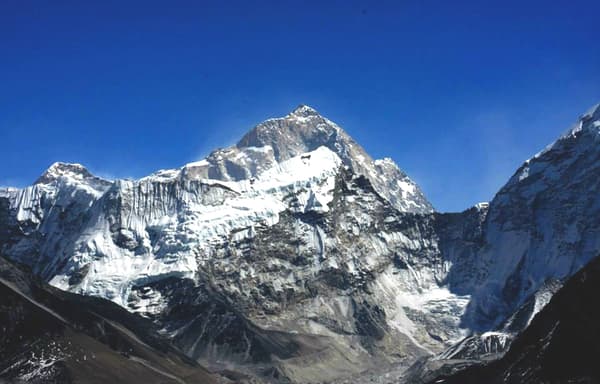
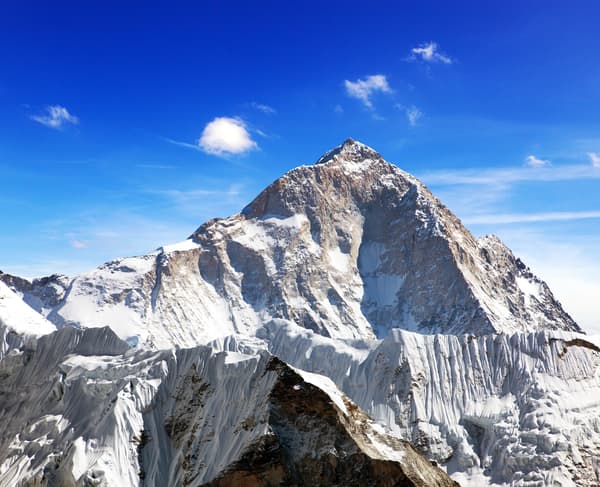
Makalu Base Camp (8,485m)
The Makalu-Barun National Park protects the most intact mountain ecosystem in Nepal, rising from subtropical jungle at 500m to glaciated peaks above 8,000m. The trek to Makalu Base Camp (4,870m) crosses the Shipton La (4,216m) and Barun La (4,860m), passing through extraordinary vertical zonation of forest, alpine meadow, and glacier. World's fifth-highest mountain. 20+ day trek rated strenuous to very demanding.
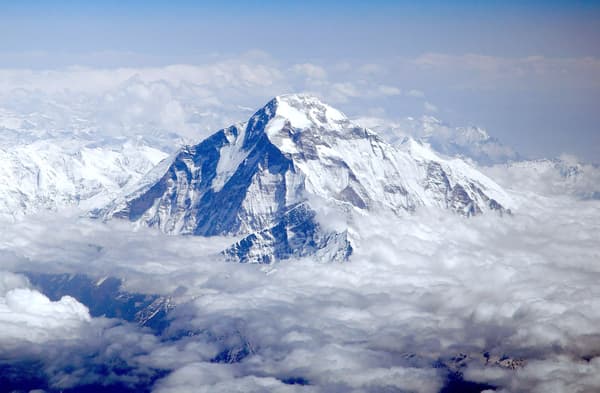
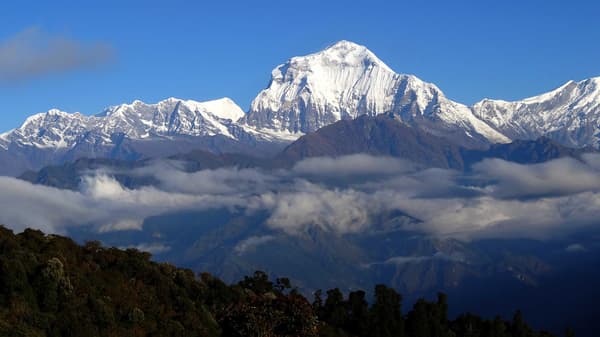
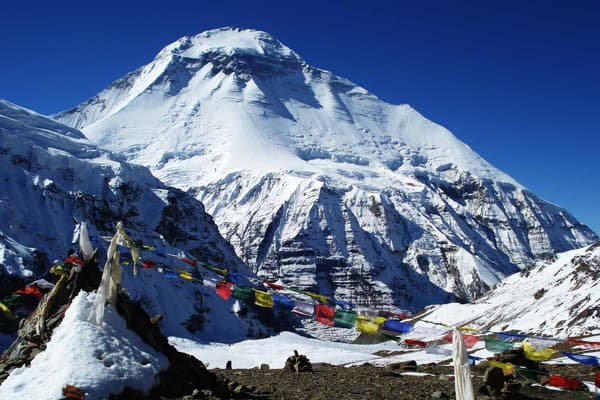
Dhaulagiri Circuit (8,167m)
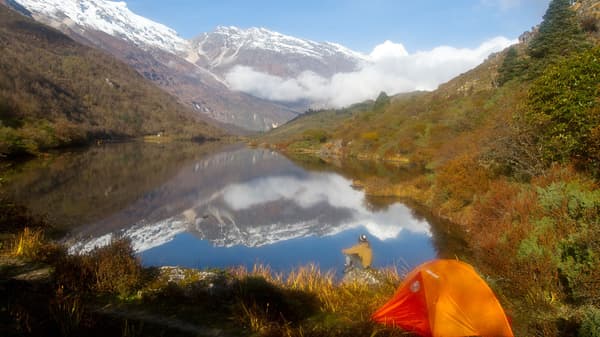
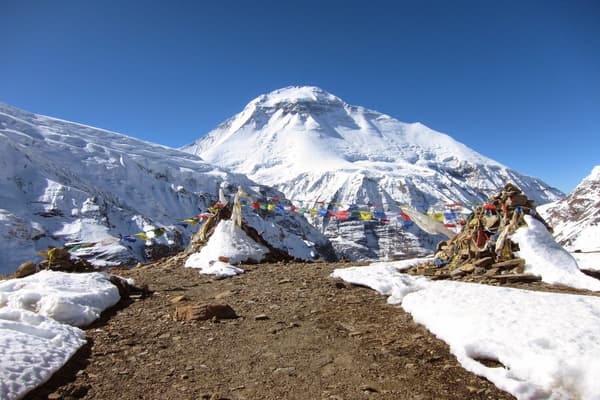
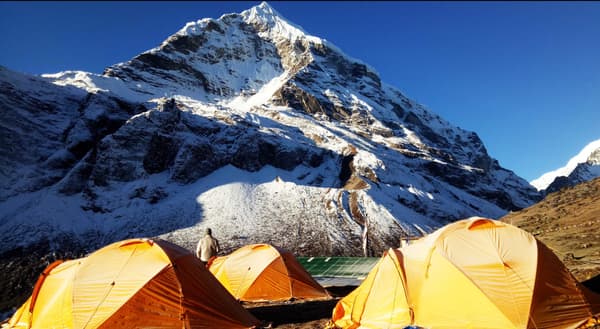
One of Nepal's most challenging and least-visited high-altitude circuits, the Dhaulagiri trek crosses the French Col (5,360m) and Hidden Valley, passing beneath the north face of the world's seventh-highest mountain. The route is physically demanding, has minimal infrastructure, and requires a full camping setup. 18-21 days, rated very strenuous.
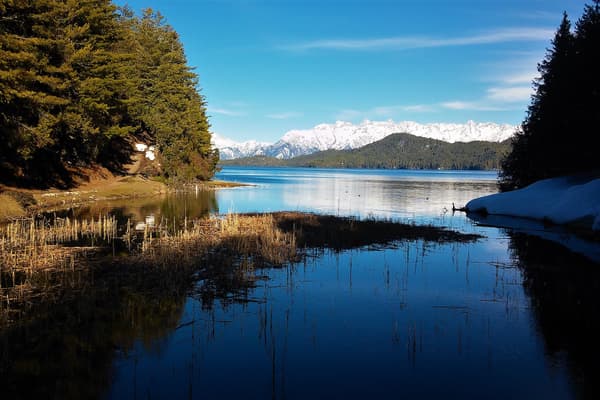
Rara Lake
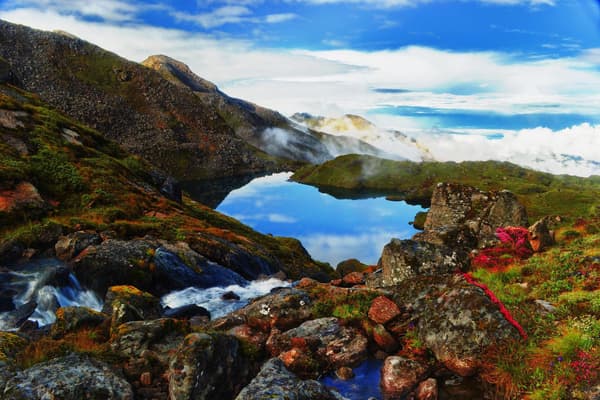
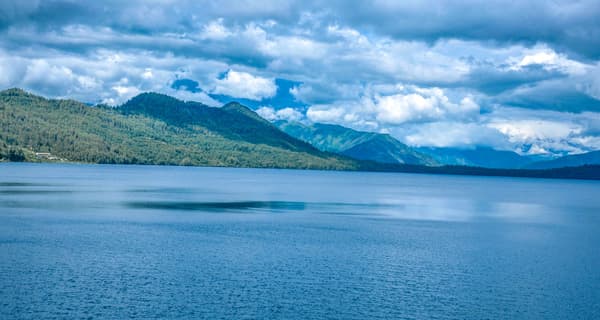
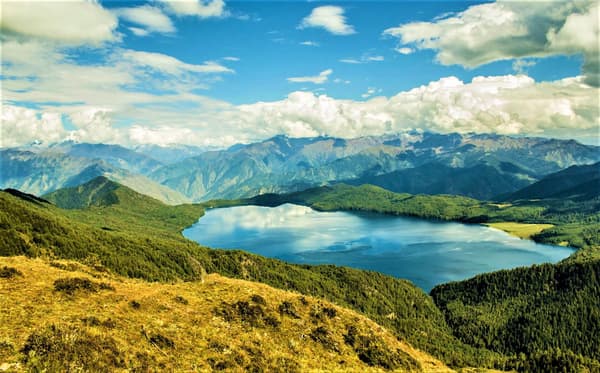
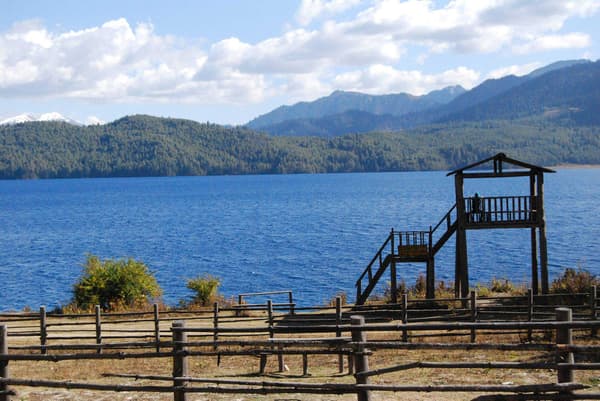
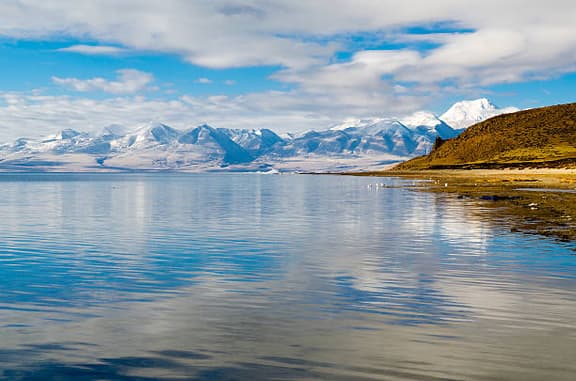
Nepal's largest lake (2,990m altitude, 10.8 sq km) sits in the remote northwest in Rara National Park — one of the least-visited parks in the country. The lake's vivid blue-to-turquoise colour shifts with the light, and the surrounding mixed conifer and oak forests shelter deer, bears, and Himalayan birds in abundance. The trek is relatively low-altitude compared to other remote treks, and the main challenge is access (flight to Talcha or Jumla). A gentle to moderate 7-10 day trek.
Ruby Valley and Ganesh Himal
A hidden gem north of Kathmandu, the Ruby Valley trek loops through Tamang villages past the Ganesh Himal range (highest peak 7,422m) and into the Tsum Valley area. The region is known for ruby and garnet deposits in the hillsides. At 12-15 days and moderate difficulty, this is one of the most accessible remote treks in Nepal — only 100km from Kathmandu but feeling worlds away.
Best Time to Trek
Most remote treks are best done March–May and September–November. Rara Lake and lower-altitude western Nepal routes can be trekked in winter with appropriate gear. Kanchenjunga and Makalu receive heavy monsoon rain and are not recommended June–August.
Permits and Regulations
- Kanchenjunga Restricted Area Permit — USD 20 per week (first 4 weeks) then USD 25/week
- Makalu-Barun National Park Permit — approx. USD 30; additional restricted area permit required for upper sections
- Rara National Park Permit — approx. USD 30
- Tsum Valley Restricted Area Permit — issued alongside Manaslu permits
- TIMS Card — approx. USD 20 for all trekking areas
All remote area treks require a licensed guide. Minimum group requirements apply for restricted areas. HSJ manages all permit applications, logistics, and camping equipment for remote area expeditions.