
Langtang Gosainkunda Helambu Trek
Trip Overview
Day-by-Day Itinerary
Upon your arrival in Kathmandu, our representative will meet you at Tribhuvan International Airport, extend a warm welcome, and transfer to your hotel. Take advantage of this day to adjust to the new time zone and immerse yourself in the lively atmosphere of Kathmandu. Orientation Program will be at 5 PM. After orientation program welcome dinner with guide
You will be driving to Dhunche, about 7 hours away by bus after an early morning meal. It's a breathtaking drive that passes through a spectacular landscape. After arrival to Dhunce in the late afternoon you will be making your mind to head to Langtang in the evening.
After several hours of trekking up from the Bamboo settlement , you will arrive at ThuloSyabru village, a picturesque Tamang town itn the Langtang region. From the road that splits at Pahiro, you will catch a glimpse of Syabrubesi, further enhancing the scenic beauty of your journey. ThuloSyabru, known for its charm and cultural significance, offers a unique experience as one of the more important villages in the Langtang area.
After breakfast, you'll embark on a gentle uphill walk through the bamboo and oak forest.You'll visit the charming villages of Deurali and Dimsa before the night. Sing Gompa, known for its prominent temple, offers stunning views of the Langtang Himalayas, making it a popular spot for travelers.
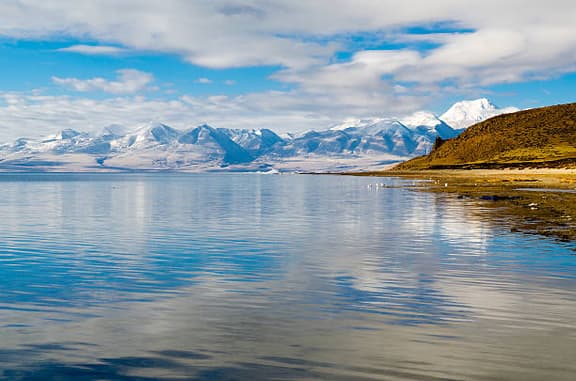
Today's trek to Gosaikunda lake is highlight of your journey. You'll traverse a scenic path, winding through lush pastures and alongside gentle streams. Your destination is the revered Gosainkunda, the most significant lake on your tour, nestled amidst a landscape dotted with numerous small and large lakes. Within a just few hours of hiking , you'll have the opportunity to explore and admire the breatjhtaking beauty of these pristine lakes, making this leg of your trip truly memorable.
After experiencing the stunning sunrise at Gosainkunda, your trek continues towards Lauribina La Pass, the highest point of your journey. As you ascend through a rugged, rocky trail, you'll pass by three serene alpine lakes, each adding to the majestic scenery. Upon reaching the pass, you'll be rewarded with 360- degree view of the rocky hills and snow-capped peaks stretching across the horizon. After soaking in the panoramic beauty, you'll begin your descent, making your way towartds the peaceful village of Ghopte, where you'll rest after a day of exhilarating trekking.
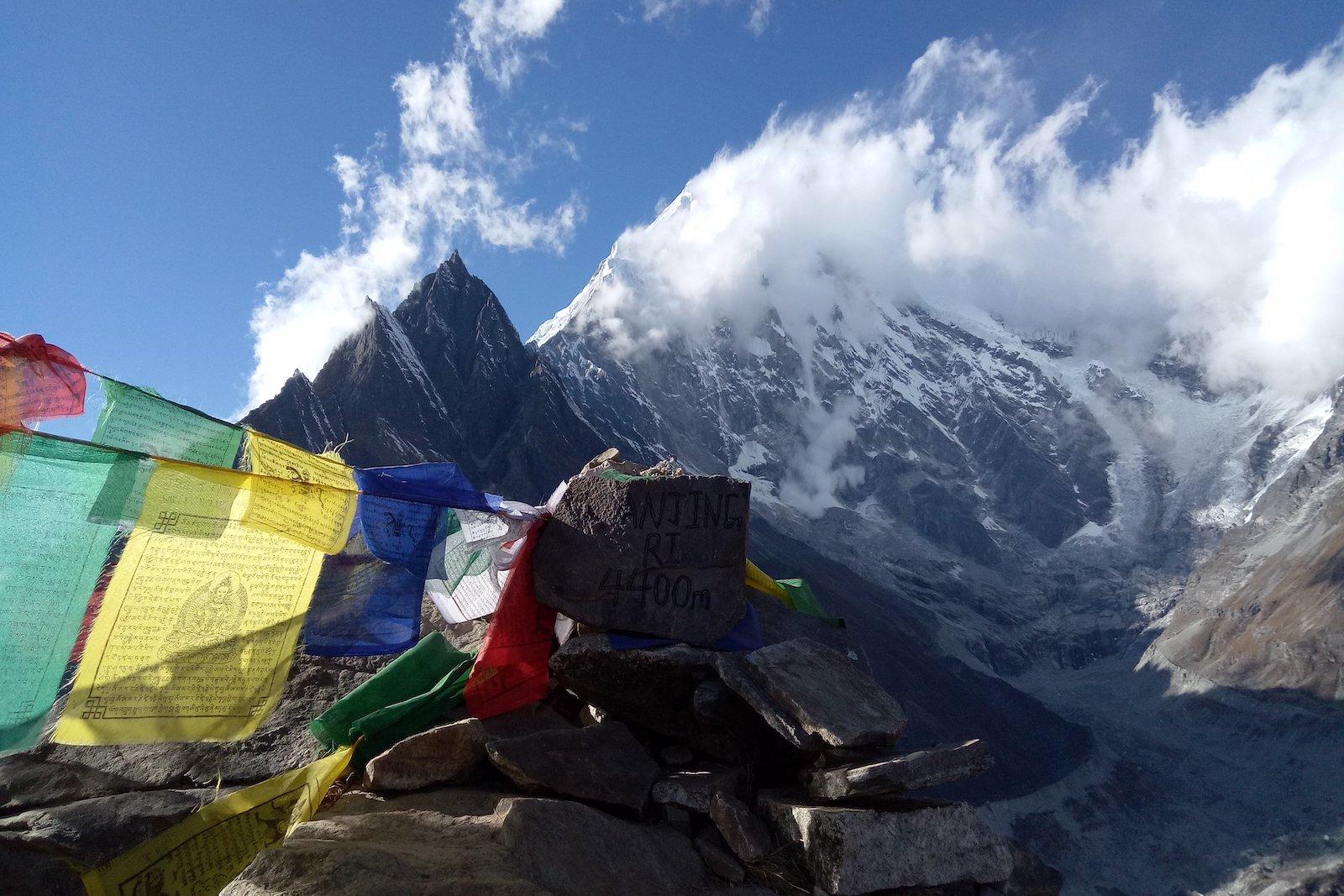
You will embark on a steep ascent towards Melamchi Gaon, passing through charming charming settlements like Nakotegaon. After crossing Melamchi iron Bridge, the trail continues uphill for about two hours. As you enter Melamchi Gaon, you'll be greeted by a picturesque scene of fluttering prayer flags, a serene monastery , and a handful of cabins and lodges nestled amidst lush , panoramic hills. The village holds a deep spiritual significance, with an ancient cave that once served as a sanctuary of Guru Rincophe, adding a layer of legend to your journey.
After crossing the pass, we descend toward the picturesque village of the Tarkeghyang . The trail winds through a serene landscape surrounded by pine and rhododendron trees, leading you to one of the oldest Buddhist monasteries in the region. Here , you will expire the traditional Sherpa Villages, known for their prosperity and well-established local residents. These communities are a testament to the wealth and deep cultural heritage of the area, offering a glimpse into the rich lifestyle of the Sherpa people.
Today's walk takes about four hours and leads you through open country, passing spectacular trees and crossing a few small streams along the way. The trail is smoother, making for a more pleasant journey. You'll pass through a charming village before reaching Shermathang, a lovely town known for its ols monasteries. As you explore the north side of Sharmathang, you'll be treated to stunning views of the Jugal Himal, adding to the joy of your day.
Embark on a scenic five-hour trek from your starting point to Melamchi Pul Bazaar, winding through wetlands and cultivated fields. Along the way, you'll pass through historic villages, each with its own unique story, providing a fascinating glimpse into local culture and history. This leisurely walk offers not only a chance to connect with the local people but also stunning mountain views that make the journey both enjoyable and memorable.
On the final day of your trek, travel a few hours from Melamchi along winding, unpaved roads before arriving in Kathmandu. This concluding leg of your journey offers a transition from the tranquil trek to the vibrant energy of the city, marking the end of your adventure.
After an early morning breakfast, our airport representative will transfer you to Kathmandu International Airport for your flight back home, marking the end of your memorable journey.
Route & altitude
13 days
What’s Included
Recommended Gear
Video Gallery
Frequently Asked Questions
The time from September to November and also March to May is considered the best time to trek in Langtang region. Autumn and spring are always pleasant time to travel because of moderate temperature and along with clean and perfect sunny days for the views of mountains and forests while on the trekking trail. To avoid crowds, one can also do this trek during December, January and February. They are the months of winter and hence, it's best to be prepared for cold weather and and frost and snow. Again if you don’t mind trekking during rainy season, you can also do the trekking from June to August.
You need some previous trekking activities and good health for this trek. Climbing and descending are quite common walking experiences and you may also need to cross little glaciers. Walking in higher altitudes is more physically demanding than walking in lower altitudes, however, the pace of the trek will vary in compensation. If you are in excellent health with average physical fitness and have strong determination, you will complete this trek successfully. Exercising, particularly jogging and climbing stairs regularly for some weeks prior to your arrival is recommended to enhance your strength and fitness. Past hiking experience would be an asset, but no technical skill is required. This kind of trip gives you a lifetime experience, a breathtaking stroll around the mountains.
While it is possible to do Langtang Gosainkunda Helambu Trek independantly, the need of guide is misunderstood often. Guide is more than just someone that helps you with navigation, guide with knowledge of locality, way of life and also being responsible to attend to your other needs like finding you comfortable accommodation. Having a porter will help you carry your gears and belongings and you can travel at your pace while enjoying your trek. A guide can arrange for permits and TIMS for you and dealing with all other technical aspects of trekking
Langtang Gosainkunda Helambu Trek lies in Langtang National Park, so no need exceptional license like limited zone (Upper Mustang, Upper Dolpo, Manaslu Region, Nar-Phu Valley and some more). Our administration has imparted just two grants for the Langtang Trek. Both of these permits are obligatory for your trek to Langtang Region. Your permits need to appear on the check post along the Langtang valley trekking course. On the off chance that you go there without grants, you need to purchase from that point with additional charge or you may have acknowledge disciplines according to the law of Nepal government.
TIMS Card: TIMS (Trekker's Information Management System) is mandatory for everybody to Trek in Nepal. It Cost US $ 20 for every individual/per trek Langtang National Park Entry Permit It cost US $ 30 for every individual/per trek The two grants you can purchase in Kathmandu (Nepal Tourism Board) before you go on Trek.
Langtang Gosainkunda Helambu Trek is a short and moderate style trekking in Langtang area toward the North east of Nepal. The greatest height of Langtang valley remains at 5033 m. It is the place; you can appreciate the 360 degree Langtang mountain display view and perspective on rich valley and verdant pine woodland. This short trek starts from Syaprubesi which is only 1550 m, than trek proceeds on wards to Langtang valley and the height ascend in like manner. If you are basically fit, this trek doesn't give you any issues as it starts from low height at 1550 m. The normal strolling hours daily will be around 4 to 7 hours. When we follow the schedule, new great suppers, enough drinking and moderate pace while we are trekking then there is no danger of altitude sickness.
Langtang Gosainkunda Helambu Trek is completely tea-house (visitor house) trek in Langtang Region. You will remain in an overall quite clean tea-house, they give you local food, clean convenience and distinctive different varities. You can also expect radiator (smokestack) in lounge area, hot and cold shower, additional cover, electronic gadget charging and so on you can likewise pick menu for the food what do you like however meat isn't accessible above than Syabrubesi. Each extraordinary height has distinctive varity of the food due to the remote and inaccessibility of street transport. In entire Langtang valley trek, ordinarily the rooms are twins fundamental that could conceivably have a connected latrine. On the off chance that may not connected can, you should share a typical latrine and restroom.
You will get to charge your electronic devices the mountains, including a cell phone, camera, and so on. The charging costs go around USD 2 to 5 every hour to charge in the high altitude locale. You dont require extra charging costs at the lower heights.
Remember to bring TWO and THREE pin travel adapters! You can also buy the adapters in the supermarkets or electronic shops in the Kathmandu. Our guide can help you with it.
You can get wi-fi availability at USD 2 every hour by and large. You could likewise get a neighborhood sim card and different versatile information bundle. NTC and Ncell are two of the nearby SIM suppliers. These SIM cards will cost you around USD 1 to 2 and a few dollars more if you likewise need the versatile information bundle. You can charge your devices at around USD 0.5 - USD 3 in the Himalayas. The WI-fi availability and the portable systems don't have legitimate inclusion in the higher altitude areas.
A. UV protection
- Sunscreen cream
- Lip balm good quality
- Sunglasses good quality
B. Heat and warmth
- Jacket, a pair of the vest, pair of Pants, Gloves, warm Hat or Cap, Hiking Pants
C. lightening
- Head torch or flashlight
- Extra batteries and power bank
D. First-aid box.
E. Hydration
- Water bottles
- Water filter
- Water purifying tablets
F. Important Trekking Gear
- Daypack or summit pack
- Quality Pack and bag cover
- Trekking pole repair sleeve
- -5 degree celsius sleeping bag (HSJ will provide)
- Whistle (plus signaling mirror)
- Energy Bars and dry foods
- Energy beverages or drink mixes
- Water purification tab and a water bottle
- Hiking Boots and sandals,
- Camera and trip permits
- Route description books
- All toiletries items
- Trowel and hand sanitize
- Toothbrush and paste also soap and shampoo
- Cell phone
G. Trip detail itinerary
For the trek, we'll have one porter for two people as per group size. The porter will carry 12-15 kg per person luggage during the trek. You need to carry your day pack to keep your personal belongings such as wallet, camera, water bottle, dry snack, headlight, gadgets, etc. The safety and concerns of our porters is our collective responsibility. We take our responsibilities towards them and their safety concerns strictly. On your part, please carry only things that are of absolute necessities.
The Tap water supplied along the trails are considered safe for drinking and local people drink it without treating, however for the foreigners, it is best that the tap water be only drunk after purification. There are two good options for having proper drinking water during the trek. You can bring water purification tablets or fill your bottle for a nominal fee from the recognized and regulated "pure water" stations along the trek. As the last alternative, you can also purchase bottled water at the lodges but this is not recommended.
It is very important that you drink at least 3 litres of pure water daily during the trek.
If you are solo traveler and to avoid single supplement surcharge, you can share your room with same sex solo traveler.It however depends on availability of another solo traveler and their willingness to share the room with you.
You may have to apply and obtain necessary TIMS and Permits yourself if you are trekking solo or independently. If you are hiring trekking agency or guide, this will be taken care for you.
Global passengers will be protected by insurance when treking in Nepal. Although Nepal is normally very secure, trekking at high altitudes is physically difficult and often risky. Altitude sickness is common during hiking tours in Nepal, particularly among foreign hikers who may not have taken the right time to acclimatize. Such rescue and related emergency procedures are costly and passengers are forced to pay for these services out of their pockets, unless they are covered by insurance plans.
Yes, Himalayan Social Journey is flexible travel partner. It is possible to organize the private trip or private group trip to Langtang Gosainkunda Helambu. The minimum people for the group is 2 however supplementary charge will be applicable for the solo traveler wanting to do private trip.
Supplementary charge will be applicable for the solo traveler wanting to do private trip. You will also have the option to share the room with another solo traveler depending on your and their consent and interest. Even if you pay supplementary charge for the single room, it is possible that during peak seasons you will end up sharing rooms due to lack of availability of the room.
In the average, you will be walking for 5-6 hours each day during the Langtang Gosainkunda Helambu Trek.
Insurance of the guide and porter is covered by the company. All our guides and porters are properly insured.
Yes, children are allowed to do the trek, however it is safe to not bring children under the age of 12 to do the trek as they may find it difficult and not able to walk. This could affect your trekking experience as well.
No, there is no age limit to do the trek. If the person is healthy and physically fit, they can do the trek.
Liquid needs of our body are about 3-5 liters a day (13-21 cups). Several findings suggest that drinking carbohydrate and electrolytes (such as sports drinks) in a liquid is safer than moisturizing water at altitude alone. There is also a study done on the effect of tea in reducing the fatique and mood boosting. Results have been positive. This being said apart from water, you can drink green tea, masala tea, ginger tea and garlic soup.
No, the company does not provide trekking poles, you will have to manage it on your own or our guide can help you buy it when you are in Nepal. The pair of trekking poles cost from $10-$15.
Yes, we do provide sleeping bags. The sleeping bags we provide are of good quality. They help you sustain the colder climate in Nepali mountains up to -25 degree Celsius of temperature. However if you need the one of your own, you can buy one here. Your guide shall assist you to get it here. Keep the track of the weather forecast of the area and pack your clothes accordingly. This would help you be prepared for the type of weather Nepali Mountains are accustomed to.
Traveler Stories
Traveler Reviews
This was my wife and my second trip with Himalayan Social Journey (HSJ). Last trip was 13 years ago to ABC. The Langtang Valley is absolutely beautiful. Soaring peaks beautiful meadows, rainforest etc. Great snow capped mountain views the whole way. We were …
Read moreBeautiful experience in the Nepalese mountains. We reached the summit of Kianjin Ri (5000 m) and visited beautiful villages. A huge thank you to our guide, Krishna, who assisted us in every way but above all proved to be an extra friend.
I had the opportunity to go on the Langtang trek with this company. Overall, the whole experience was great! I received quick and proper answers to all my questions and was provided with a full list of the material needed. Payment was smooth and had a clear p…
Read moreMy guide Raam and I did 10 day Langtang Valley trek with Gosainkunda peak and through the Lauribina Pass at 4,610m. The first and last few days trekking were challenging and as weather in the shoulder season (early September) wasn't ideal. But without it the t…
Read moreCompare Similar Experiences