
Tamang Heritage Trek
Trip Overview
Last updated
Day-by-Day Itinerary
Our airport representative will be there to greet you with a warm smile as you exit the airport. He will assit with your transfer to the hotel, where you can relax and unwind. At 5 pm , you'll have a brief orientation, followed by a welcome dinner to kick off your stay.
Decorated with the perfect structural wonders of the medieval period, Kathmandu alone displays 7 UNESCO recorded World Heritage Sites. From the Iconic stupa of Swayambhunath to the spectacular sensitive carvings on the Patan Durbar Square, every site has something one of a kind and fabulous to offer. Kathmandu Sightseeing (Shwayambhu,Buddha ,Pashupatinath or Kapan Monastery & Patan Durbar Squre).
Along the panoramic detour from Kathmandu to Syabrubensi, you will be enraptured by the rich views and Himalayan styled houses with the level rooftops. The road is breezy, and, at places, it might get bumpy. At one point Chilime Hydropower Project site looks on you, while the pinnacles of Annapurna, Manaslu, Ganesh Himal, and Langtang be at a consistent look for certain minutes. As you move higher, the settlements become inadequate while the credible towns approach. From Trishuli, the stream of Trishuli follows your way until showing up at Syabrubensi.
Gatlang boasts a rich history, featuring a centuries-old Tamang monastery and the mystical Parvati Kunda, a lake with legendary origins. According to local lore, the lake was discovered by the king of Gatlang during his search for a missing hunting dog.It is also beleived by local women to possess divine powers, particularly the ability to enhance fertility.
Tatopani(Hot Water Spring), is a natural thermal spring renowned for its age-old healing properties. Immerse yourself in these sacred waters and embrace their rejuvenating spiritual energy.
The trail leads you down to Thuman, passing by a water- powered prayer wheel. Just before reaching Thuman, you'll encounter a TIMS card checkpoint. Upon arrival, you'll notice the intricate carvings on the windows and doors of the houses, which add a captivating charm to the place. At the end of the day, you can spend time at a beautiful monastery, offering a peaceful retreat.
The trail from Thuman to Briddhim passes through the village of Lingling. After a gentle descent lined with chortens and prayer flags for about 25 minutes, you'll reach a junction- take the left path towards Lingling, while the right leads to Sybrabesi. From here, the trail becomes a steep and winding. About 25 monutes of a challenging uphill climbing brings you to a teashop at Pelko View Point. This is a good spot to rest, as the ascent to Briddhim continues relentlessly, with no further opportunities for a break.
As you set out from the village the following morning after breakfast, the trail crosses the Chopche Khola before descending to merge with the path that runs alongside the Langtang Khola. From there, you'll pass through a tranquil forest of rustling oaks and towering bamboos, eventually arriving at Rimche.
At that point, narrow valleys guide you to several vantage points, revealing breathtaking views of some of the peaks. After a bit of trekking , you arrive at Chandgam, also known as the Lama Hotel.
As you journey through the lush, semitropical forests, you'll be greeted by captivating views of Langtang Lirung. The rushing river carving its way through the gorge enhances the exotic charm of the surroundings. As the elevation increases, the vegetation thins out,revealing even more breathtaking panoramas. Along the way, you'll notice the growing presence of Buddhist culture, with chortens and Mini walls dottins the landscape.
Kyangin Gompa is the largest monastery in the Langtang Valley, though its structure may not be massive. What truly stands out is its picturesque setting. The monastery follows the traditions of Guru Rinpoche and is adorned with numerous paintings of patrons and depictions of Buddha in various mudras(hand gestures)
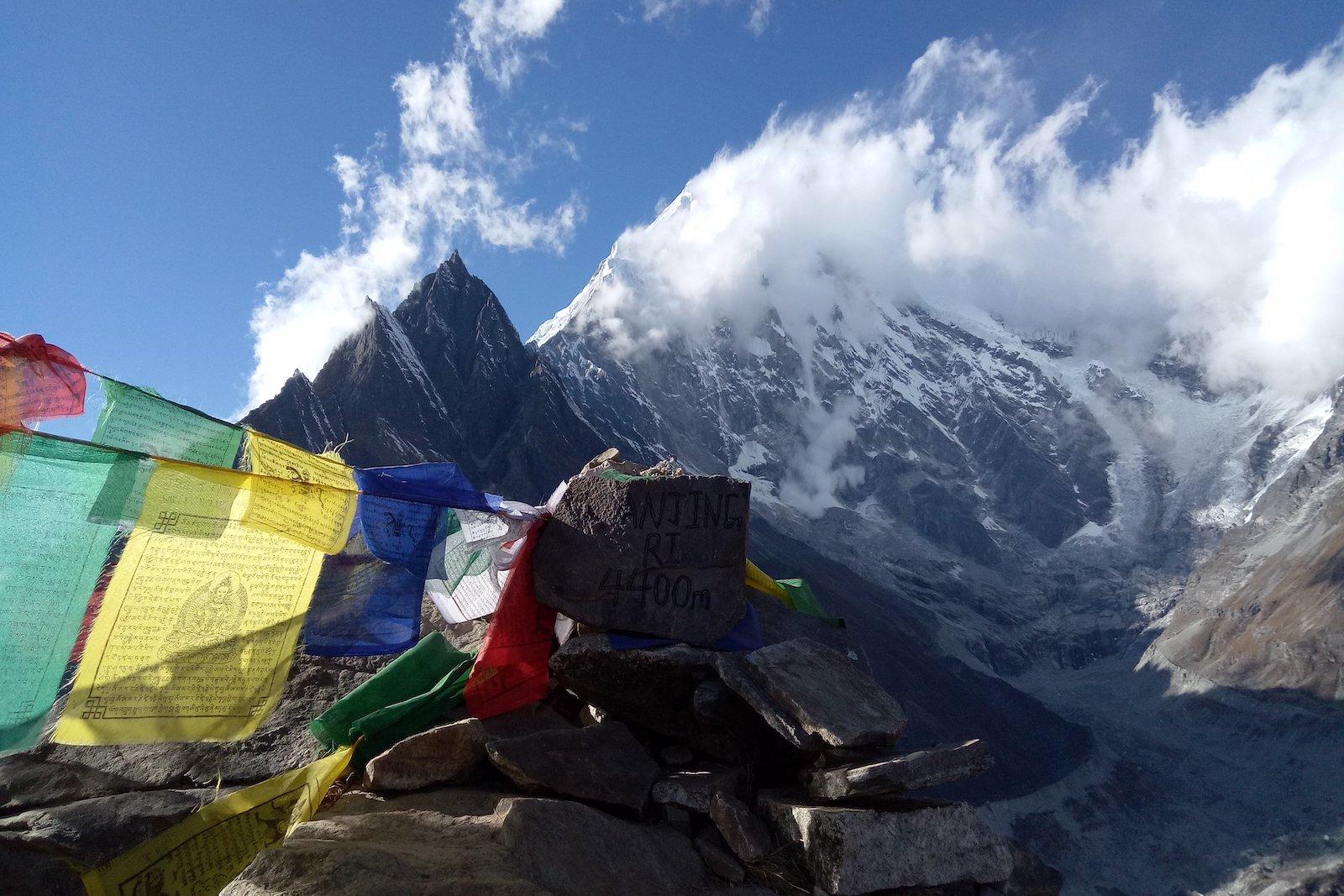
This day start your hike to Langsisa Kharka, a high-altitude pasture with stunning views of the surrounding peaks and glaciers, or choose to trek towards the majestic LangtangLirung Glacier for an up-close encounter with its icy expanse. Alternatively, for the more adventurous, you can hike to Tsherko Ri, a challenging ascent to 5,000meters, offering panoramic views of the Langtang range and beyond.
From Kyanjin, start your descent along the trail, taking approximately 2 hours to reach Langtang village. Continue the journey, descending for another 2 hours to arrive at Ghoretabala. The trail then presents a mix of short, steep ascents and descents before finally leading you to Lama Hotel by the end of the day.
As you journey along the road that divides at Pahira, you'll pass through the quaint Bamboo settlement before reaching the picturesque village of Thulo Syabrubesi, a significant Tamang town in the Langtang region. After hours of trekking, you'll find yourself immersed in the rich cultural heritage of this charming village, which offers a more prominent glimpse into the local way of life. The trek provides stunning views and a sense of tranquility, making Thulo Syabrubensi a key stop on your Langtang adventure.
After a hearty breakfast, set out on a scenic trek from Thulo Syabru to Dhunche , a journey that promises awe-inspiring diverse and stunning landscapes. The trail winds through verdant forests, across terraced hillsides, and alongside picturesque river valleys, offering glimpses of rural life and panoramic mounatain vistas. this invigorating hike is the perfect blend of natural beauty and cultural richness, concluding in Dhunche, where you'll rest for the night amidst the serene surroundings of this charming village.
After an early morning meal in Dhunche, embark on a scenic 7- hour drive through breathtaking landscapes en route to Kathmandu. Upon arrival, settle into your hotel and enjoy a serene and relaxing evening, taking in the tranquility after a day of travel.
After an early morning breakfast, our airport representative will escort you to Tribhuvan International Airport in Kathmandu foryour departure flight, ensuring a smooth and timely transfer to the airport for your journey home.
Route & altitude
Kathmandu Airport → Kathmandu Airport → Airport · 16 days
What’s Included
Recommended Gear
Frequently Asked Questions
The Tamang Heritage Trail is situated in the excellent Langtang locale of Nepal close to the nation's northern outskirt with Tibet. At numerous focuses along the path, you can see China! This area of Nepal has broad geothermal action, including well known underground aquifers. The natural aquifers were the first fascination for sightseers in the territory; unfortunately, a considerable lot of the underground aquifers were hindered or devastated by the 2015 tremor. Today, the Tamang Heritage Trail is the essential purpose behind guests to go to the territory, permitting sightseers to encounter the neighborhood Tamang culture and appreciate the lovely view.
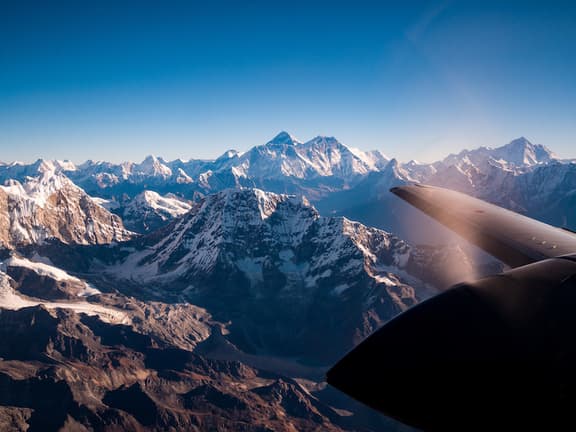
The Tamang Heritage Trail is an ideal trek for individuals who need the magnificence of the Himalayas without the tiring high heights related with a portion of the more famous treks in Nepal. The path offers an all encompassing perspective on the Langtang part of the Himalayas, including Langtang Lirung, which quantifies more than 23,000 feet! In the event that you came to Nepal to see snow-topped mountains, you won't be disillusioned, as the tallest pinnacles are canvassed in snow all year. There are additionally perspectives on the mountains on the Tibetan side of the fringe, just as towns looking out from the mountains and valleys en route.
For the individuals who are keen on trekking off in an unexpected direction yet aren't exactly prepared for home stay, the Tamang Heritage Trail may be the ideal fit. Western-style lodgings in Syabrubeshi offer approach to tea houses and cabins in the littler towns along the path, and there is huge amounts of accessible convenience in every town, so you'll have your decision. Every tea house and cabin offers private rooms with fundamental civilities like sleeping pads, locking entryways, and power (the nuts and bolts, yet enhancements in Nepal!), and some even have western toilets unlike the standard squat can. You'll have the option to wash up for a charge in the event that you pick, as well. While these cabins won't feel anything like the lodgings you're accustomed to remaining in at home, they are an agreeable and safe approach to trek. You will most likely despite everything feel like you're outside of your usual range of familiarity.
You may be shocked to find that the Tamang Heritage Trail offers an enormous scope of food alternatives for trekkers staying at the neighborhood lodges. While some outside of what might be expected treks, for example, the Ruby Valley Trail, rotate around home atays with just a couple of feast alternatives, the tea houses and hotels on the Tamang Heritage Trail offer options for menus. The menu at each cabin is for all intents and purposes the equivalent and incorporates standard Nepali charge in addition to a huge amount of western alternatives like pasta, pizza, and cheeseburgers. Breakfast alternatives incorporate flapjacks, omelets, and the sky is the limit from there, so you'll have a lot of decisions. Most cabins additionally sell brew and rakshi (the neighborhood alcohol), so you can loosen up with a cool one (or two!) toward the finish of a taxing day of trekking. Treats are accessible, as well, just as the Coca-Cola items that are unavoidable all through each Nepali village.
As you would expect, network is restricted in such a provincial region. A few villages do have a (solitary) landline, however they just work for neighborhood numbers. mobile phone network isn't accessible until a day and half's stroll past Pangsang Pass, so come prepared to adapt to this remoteness. A few towns have wired power for a few hours out of each day (albeit few have wherever to charge your gadgets), while the others have sunlight based lights. Headlamps are absolutely helpful, however you may have more light around evening time than you expect.
The time from September to November and also March to May is considered the best time to trek in Langtang region. Autumn and spring are always pleasant time to travel because of moderate temperature and along with clean and perfect sunny days for the views of mountains and forests while on the trekking trail. To avoid crowds, one can also do this trek during December, January and February. They are the months of winter and hence, it's best to be prepared for cold weather and and frost and snow. Again if you don’t mind trekking during rainy season, you can also do the trekking from June to August.
Tamang Heritage trail lies in Langtang National Park, so no need exceptional license like limited zone (Upper Mustang, Upper Dolpo, Manaslu Region, Nar-Phu Valley and some more). Our administration has imparted just two grants for the Langtang Trek. Both of these permits are obligatory for your trek to Langtang Region. Your permits need to appear on the check post along the Langtang valley trekking course. On the off chance that you go there without grants, you need to purchase from that point with additional charge or you may have acknowledge disciplines according to the law of Nepal government. TIMS Card TIMS (Trekker's Information Management System) is mandatory for everybody to Trek in Nepal. It Cost US $ 20 for every individual/per trek Langtang National Park Entry Permit It cost US $ 30 for every individual/per trek The two grants you can purchase in Kathmandu (Nepal Tourism Board) before you go on Trek.
A. UV protection
Sunscreen cream
Lip balm good quality
Sunglasses good quality
B. Heat and warmth
Jacket, a pair of the vest, pair of Pants, Gloves, warm Hat or Cap, Hiking Pants
C. lightening
Head torch or flashlight
Extra batteries and power bank
D. First-aid box.
E. Hydration
Water bottles
Water filter
Water purifying tablets
F. Important Trekking Gear
Daypack or summit pack
Quality Pack and bag cover
Trekking pole repair sleeve
-5 degree celsius sleeping bag (HSJ will provide)
Whistle (plus signaling mirror)
Energy Bars and dry foods
Energy beverages or drink mixes
Water purification tab and a water bottle
Hiking Boots and sandals,
Camera and trip permits
Route description books
All toiletries items
Trowel and hand sanitize
Toothbrush and paste also soap and shampoo
Cell phone
G. Trip detail itinerary
For the trek, we'll have one porter for two people as per group size. The porter will carry 12-15 kg per person luggage during the trek. You need to carry your day pack to keep your personal belongings such as wallet, camera, water bottle, dry snack, headlight, gadgets, etc. The safety and concerns of our porters is our collective responsibility. We take our responsibilities towards them and their safety concerns strictly. On your part, please carry only things that are of absolute necessities.
Global passengers will be protected by insurance when treking in Nepal. Although Nepal is normally very secure, trekking at high altitudes is physically difficult and often risky. Altitude sickness is common during hiking tours in Nepal, particularly among foreign hikers who may not have taken the right time to acclimatize. Such rescue and related emergency procedures are costly and passengers are forced to pay for these services out of their pockets, unless they are covered by insurance plans.
The Tap water supplied along the trails are considered safe for drinking and local people drink it without treating, however for the foreigners, it is best that the tap water be only drunk after purification. There are two good options for having proper drinking water during the trek. You can bring water purification tablets or fill your bottle for a nominal fee from the recognized and regulated "pure water" stations along the trek. As the last alternative, you can also purchase bottled water at the lodges but this is not recommended.
It is very important that you drink at least 3 litres of pure water daily during the trek.
If you are solo traveler and to avoid single supplement surcharge, you can share your room with same sex solo traveler.It however depends on availability of another solo traveler and their willingness to share the room with you.
It is considered to be one of moderate trekking trails of Nepal. While it is also most popular, it is also one of the easiest trekking destination. With little to no trekking experience, people have been able to successfully complete this trek. However we grade it as strenuous trekking experience as it consists of dramatic ascends and descends through steep stone stairs. Decent physical fitness and prior trekking experience can be an asset while no technical skills are necessary.
While it is possible to do Tamang Heritage Trek independantly, the need of guide is misunderstood often. Guide is more than just someone that helps you with navigation, guide with knowledge of locality, way of life and also being responsible to attend to your other needs like finding you comfortable accommodation. Having a porter will help you carry your gears and belongings and you can travel at your pace while enjoying your trek. A guide can arrange for permits and TIMS for you and dealing with all other technical aspects of trekking.
Tamang Heritage is easy and safe trek that people can do this trek independently. Indeed, it is secure and not risky trek. It's not a complex walk, the pitch is not rough, no tough moves, no sharp hits. That said, accidents can occur on any walk, so caution is of course required. A responsive acclimatization is important.
Yes, Himalayan Social Journey is flexible travel partner. It is possible to organize the private trip or private group trip to Tamang Heritage. The minimum people for the group is 2 however supplementary charge will be applicable for the solo traveler wanting to do private trip
Supplementary charge will be applicable for the solo traveler wanting to do private trip. You will also have the option to share the room with another solo traveler depending on your and their consent and interest. Even if you pay supplementary charge for the single room, it is possible that during peak seasons you will end up sharing rooms due to lack of availability of the room.
In the average, you will be walking for 5-6 hours each day during the Tamang Heritage Trek.
Insurance of the guide and porter is covered by the company. All our guides and porters are properly insured.
Yes, children are allowed to do the trek, however it is safe to not bring children under the age of 12 to do the trek as they may find it difficult and not able to walk. This could affect your trekking experience as well.
No, there is no age limit to do the trek. If the person is healthy and physically fit, they can do the trek. We have had elderly people over 75 d0 this trek with us and hence we can vouch that older people can do this trek as long as they do not have significant health issues.
Liquid needs and usage of our body is about 3-5 liters a day (13-21 cups). Several findings suggest that drinking carbohydrate and electrolytes (such as sports drinks) in a liquid is safer than moisturizing water at altitude alone. There is also a study done on the effect of tea in reducing the fatique and mood boosting. Results have been positive. This being said apart from water, you can drink green tea, masala tea, ginger tea and garlic soup.
You may have to apply and obtain necessary TIMS and Permits yourself if you are trekking solo or independently. If you are hiring trekking agency or guide, this will be taken care for you.
No, the company does not provide trekking poles, you will have to manage it on your own or our guide can help you buy it when you are in Nepal. The pair of trekking poles cost from $10-$15.
Yes, we do provide sleeping bags. The sleeping bags we provide are of good quality. They help you sustain the colder climate in Nepali mountains up to -25 degree Celsius of temperature. However if you need the one of your own, you can buy one here. Your guide shall assist you to get it here. Keep the track of the weather forecast of the area and pack your clothes accordingly. This would help you be prepared for the type of weather Nepali Mountains are accustomed to.
Traveler Stories
Traveler Reviews
Our Guide, Dhakal Bhinod, was so patient and kind with us, as we wanted to go off trail and do crazy summits and off-trail adventures! He waited for us patiently for hours as we gained huge elevation off the Tamang Heritage Trail and had awesome panoramic vie…
Read moreRam, Binod, and Raj were wonderful. We had a great experience trekking in the Tamang Heritage region and were delighted with the flexibility and patience that our guide showed. I would strongly recommend using Himalayan Social Journey Trekking to provide guide…
Read moreMore reviews of HSJ trips
This was my wife and my second trip with Himalayan Social Journey (HSJ). Last trip was 13 years ago to ABC. The Langtang Valley is absolutely beautiful. Soaring peaks beautiful meadows, rainforest etc. Great snow capped mountain views the whole way. We were …
Read moreBeautiful experience in the Nepalese mountains. We reached the summit of Kianjin Ri (5000 m) and visited beautiful villages. A huge thank you to our guide, Krishna, who assisted us in every way but above all proved to be an extra friend.
Compare Similar Experiences