Dolpo Region
Trekking in the Dolpo Region
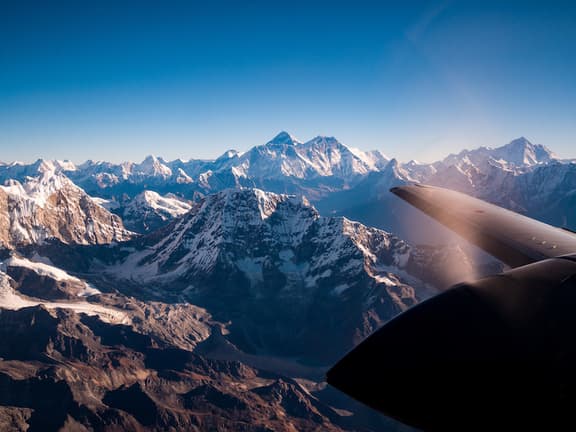
Dolpo is Nepal's most remote and mystical trekking destination — a vast, wind-sculpted plateau in the far northwest of the country that sits in the rain shadow of the Dhaulagiri massif. For most outsiders, Dolpo entered the imagination through Peter Matthiessen's 1978 masterpiece The Snow Leopard, which described a journey to the Crystal Mountain at Shey Gompa in search of the elusive cat. Two decades later, Eric Valli's documentary Himalaya (Caravan) brought the ancient salt-trading culture of the Dolpo people to global attention.
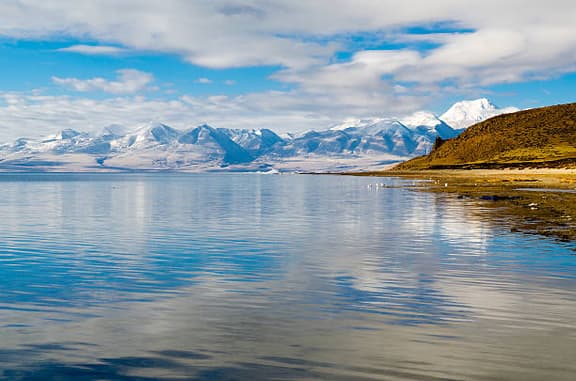
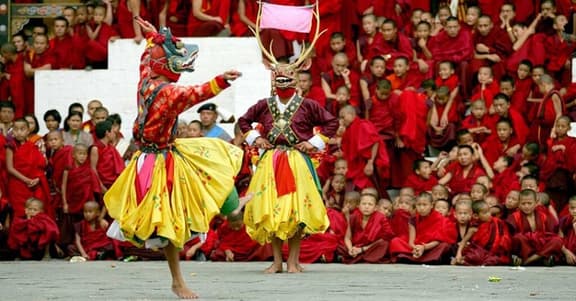
Today, Dolpo remains one of the last places on earth where Bon — the pre-Buddhist animist religion of Tibet — is still actively practiced, and where traditional trans-Himalayan trade routes are still used by yak caravans carrying salt from Tibet. Fewer than 500 international trekkers visit each year, and the landscape — ochre cliffs, turquoise lakes, ruined forts, and vast treeless valleys — feels like another planet.
Key Highlights
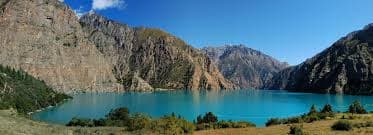
- Shey Phoksundo Lake — Nepal's deepest lake (145m) and one of its most beautiful, at 3,611m
- Shey Gompa (Crystal Mountain) — the ancient Bon monastery at the heart of Matthiessen's Snow Leopard
- Upper Dolpo plateau — an austere, Tibetan-style landscape above 4,000m with extraordinary light
- Bon religion — living pre-Buddhist spiritual traditions in monasteries and villages unchanged for centuries
- Jagdula Pass (5,090m) and Kang La Pass (5,360m) — dramatic high crossings on the classic circuit routes
- Salt trade yak caravans — witness one of the last surviving trans-Himalayan trade cultures
- Snow leopard habitat — one of the highest-density snow leopard territories in Nepal
- Tarap Valley — a stunning lower Dolpo valley with a week-long circuit and minimal trekking traffic
Best Time to Trek
May–June and September–October are the optimal windows. Unlike most Nepal trekking regions, Dolpo lies in a rain shadow and receives minimal monsoon rainfall, making late May through early July viable when other regions are wet. However, the high passes can be snowbound before May and after October. September–October offers the clearest skies and most stable conditions.
Difficulty
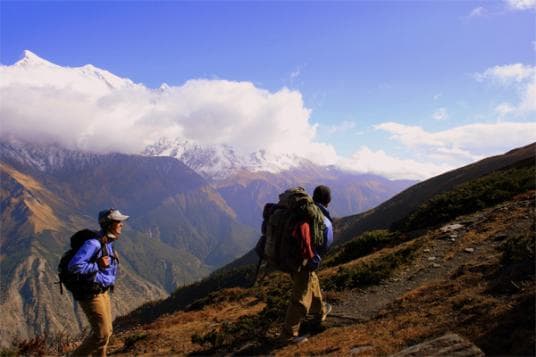
Dolpo treks are rated strenuous to very demanding. The combination of extreme remoteness, high altitude, limited teahouse infrastructure (camping is required on most Upper Dolpo routes), and long walking days makes Dolpo suitable only for experienced trekkers with high-altitude fitness. Lower Dolpo (Phoksundo Lake) is more accessible and can be done with teahouse accommodation on some sections.
How to Get There
Fly Kathmandu → Juphal (2.5 hrs, via Nepalgunj) — the main airstrip for Dolpo treks. Flights are small (Twin Otter or Dornier) and weather-dependent; HSJ always builds contingency days into the itinerary. Some itineraries also exit via Juphal or, for the full circuit, by trekking south to road access at Dunai.
Permits Required
- Lower Dolpo National Park Permit — approx. USD 30 (for Phoksundo area)
- TIMS Card — approx. USD 20
- Upper Dolpo Restricted Area Permit — USD 500 for the first 10 days (additional USD 50/day) — mandatory for travel above Phoksundo
A licensed guide and a minimum group of 2 trekkers are required for the restricted Upper Dolpo area. HSJ manages all permit applications and trek logistics.