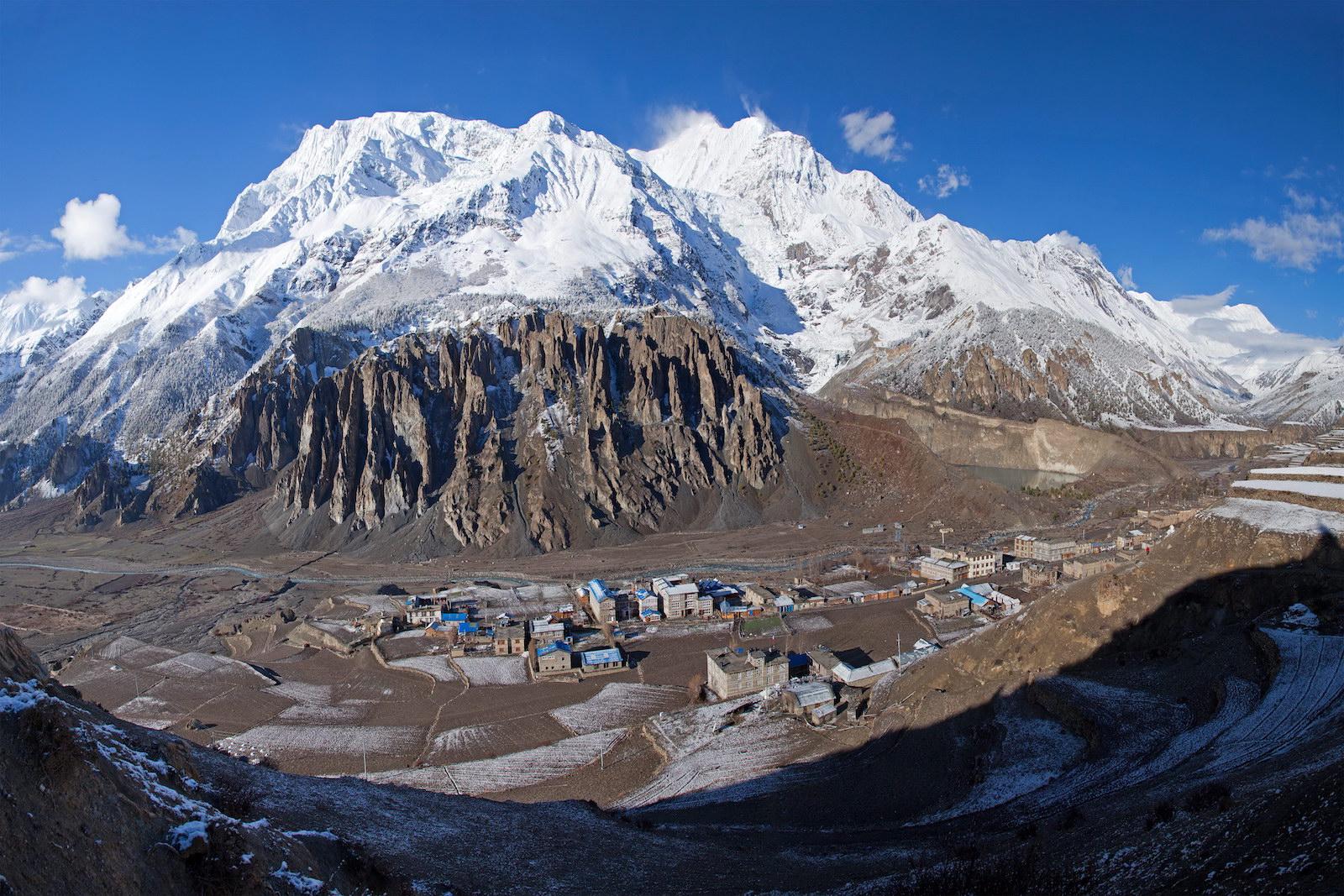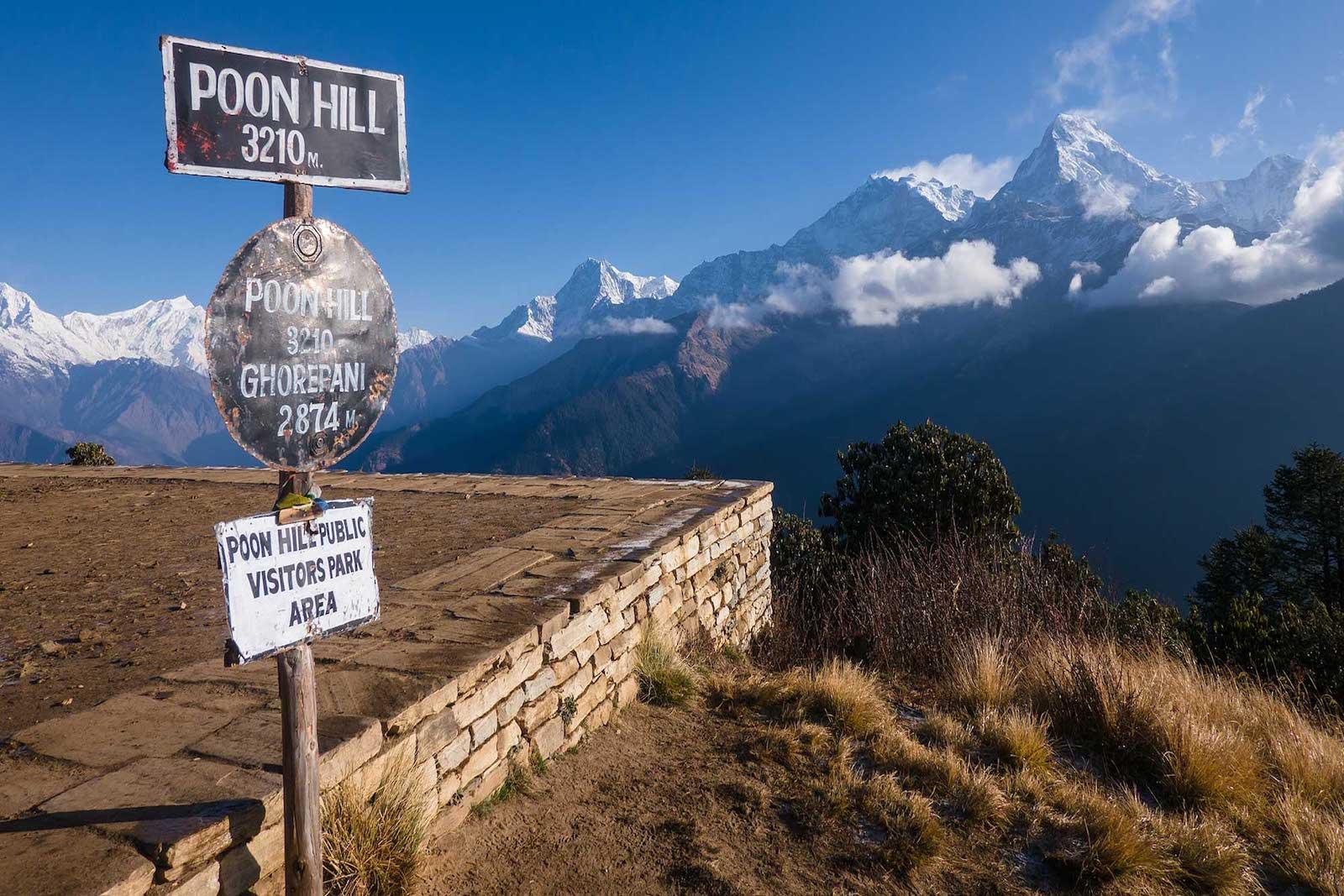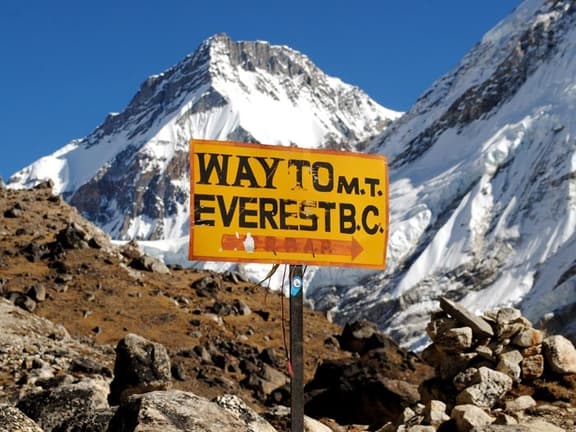
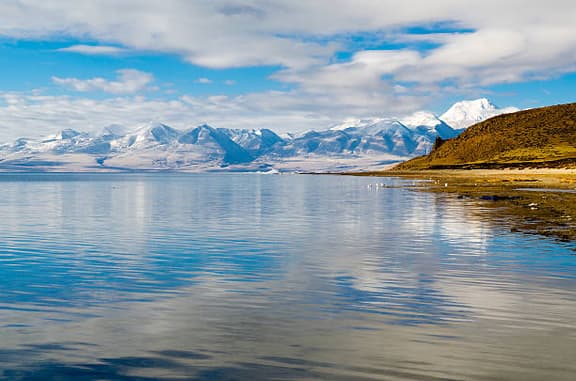
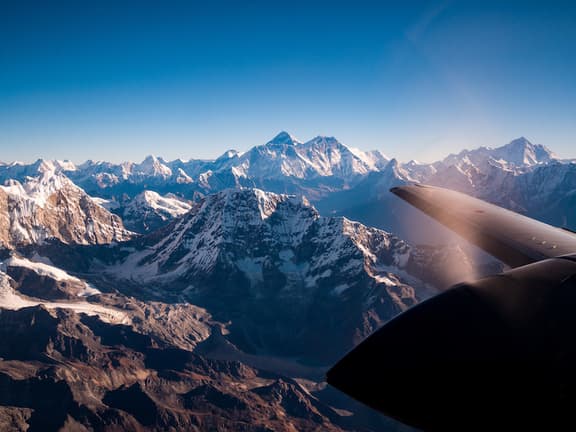

The Annapurna Base Camp trek offers breathtaking views of snow-capped peaks, diverse landscapes, and cultural immersion in the heartb of the Himalayas.


Overview

Don’t let the lack of time become the excuse to not let you have extraordinary journey to the Annapurna Base Camp. This 11 days Annapurna Base Camp Trek package is created for you so you will never have to worry about missing the enthralling adventure to the one of the best trekking destination there is. We have your back, you just make up your mind.

The Annapurna base camp trek is a diversity trek that leads through rural Nepali ethnic villages, lush forests and shrubs, to one of Nepalese's most popular trekking destinations. And a nice view of the Shrine of the mountain. It's not very hard and also fast. It's excellent for people who have no more time but want to admire the beauty of Nepal's mountains and hills.

Highlights of Annapurna Base Camp (ABC) Trek 

  • Spend a lovely day at Pokhara, Tourists' Favourite hub in Nepal
  • Travel to the Ghandruk, explore gurung village and mingle with the locals
  • Find the Temple of Gurung, learn about their cultures and vist Buddhist monasteries
  • Trek to Annapurna Base Camp at the altitude of 4130m
  • Relax and enjoy hot water spring of Jhinu Danda
  • Watch in the awe, Nature's splendour, take in the view of Hiunchuli Khangsar
  • Capture breath-taking views of mighty Kang, Gangapurna, Mahhapuchhare, Annapurna III.    

11 Days Journey to the Annapurna Base Camp Trek

As we ascend higher the scenery changes from lush forest and grass pastures to rocky passes and steep cliff faces. When we reach our destination at Annapurna base camp you'll see enormous mountains from Hiunchuli, past Annapurnaa South to Annapurna I. and Khangsar Kang, Gangpurna, Annapurna III and Machhapuchhre. We follow the trail to Siwa/Ghandruk phedi and drive back to Pokhara where our Annapurna base camp trekking journey ends.

Detailed Itinerary


Upon your arrival in Kathmandu, our representative will meet you at Tribhuvan International Airport, extend a warm welcome, and transfer to your hotel. Take advantage of this day to adjust to the new time zone and immerse yourself in the lively atmosphere of Kathmandu. Orientation Program will be at 5 PM. After orientation program welcome Dinner with guide.


After having  early morning breakfast, you'll board a bus bound for Pokhara, departing early. The Annapurna base camp trek itinerary offers picturesque views and lasts approximately 5-6 hours. (Alternatively, you may opt for a flight.)


After early morning hearty breakfast, you will drive to Jhinu and trek to your destination. That is to Chommrong. Along the way we'll see the wonderful views of Annapurna West, Fishtail Peak, and the steep descent to the Kimron River and up to Chhomrong an hour after hiking to Ghandruk. We travel to Chhomrong for a night's relaxation. It's a beautiful spot nestled in the shadow of Annapurna's towering peak.


Trekking forward from the Chommrong, our next destination is a beautiful village of Doban. We enter the green forest through the stone steps of Homrong Hola and then uphill to the village of Doban, through the thick bamboo and rhododendron trees.


You trek gently & ascend through bamboo forests with varieties of rhododendron and oak trees. Now you pass through the muddy trail which traverses high above the river. It takes approximately 3 and half hours to reach Deurali (3230m.) from Dovan. (Optional: You can also hike upto Machhapuchhre Base Camp from Doban.)


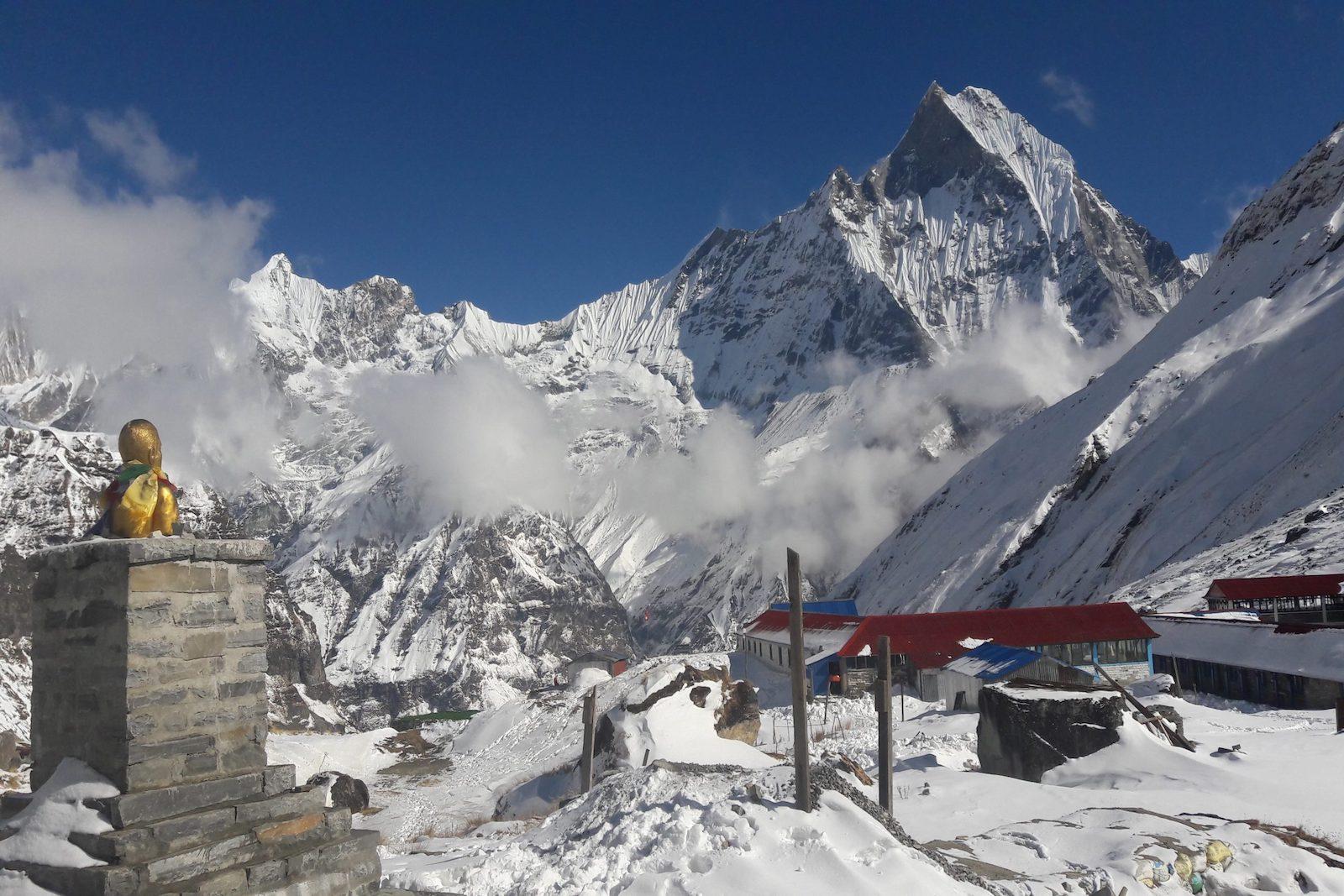
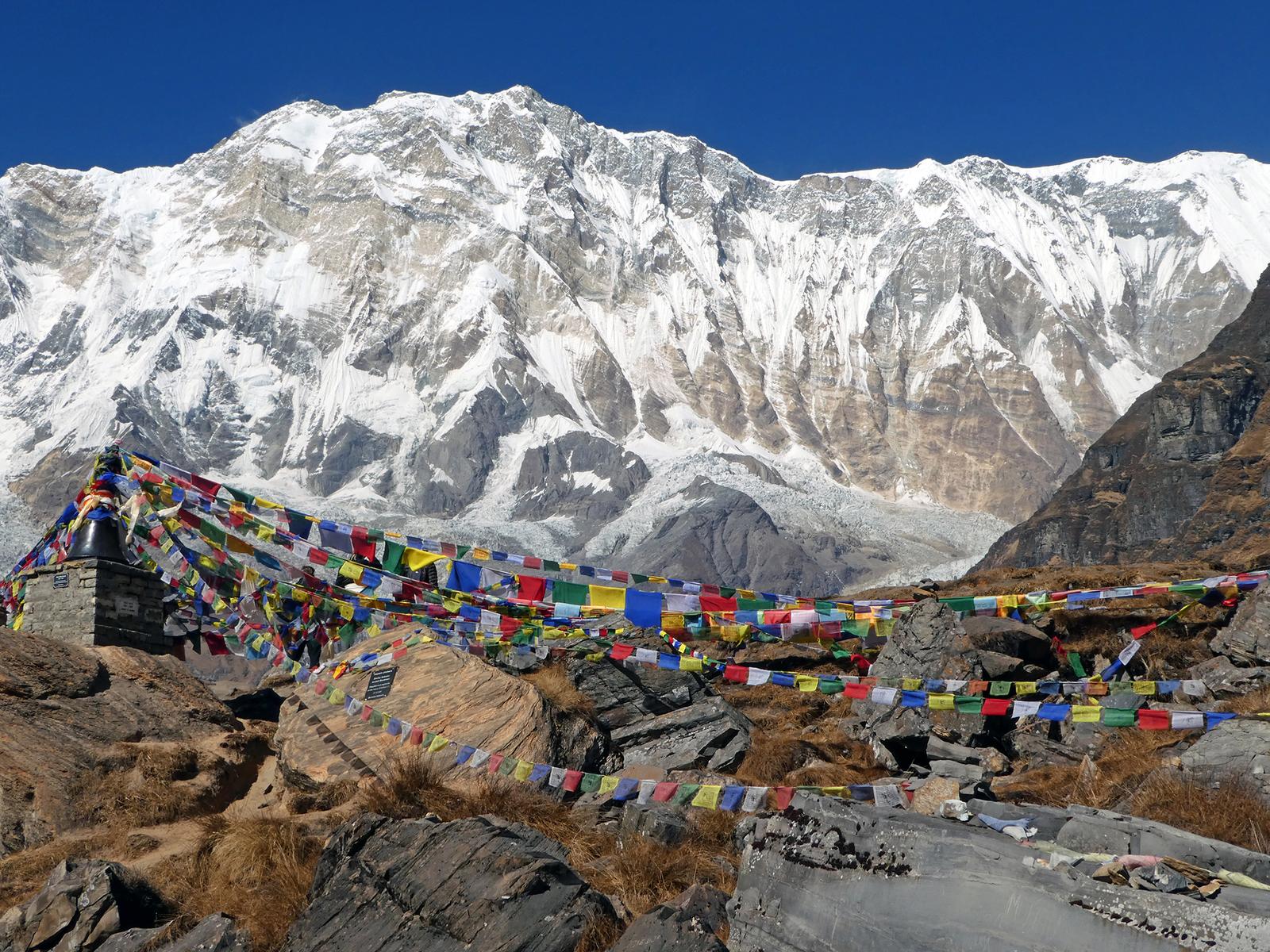
On this day, we finally arrive to our ultimate destination. At the altitude of 4130m, we shall have walked 6-7 hours to reach the Annapurna Base Camp. To reach here we pursue an Annapurna Base Camp Trek itinerary through the narrow gorge Modi Khola glacier valley, which takes us to Annapurna's base camp, at the foot of Machhapuchhre. The Annapurna glaciers are not far away.

The Base Camp in Machhapuchhre gives us amazing views of the nearby mountains. From Hiunchuli, past Annapurna South to Annapurna I (8097m/26,566 ft) and Khangsar Kang, Gangapurna, Annapurna III and Machhapuchhare we have an impressive 360 grade view.


At the back of the world we will continue our walking out of the Annapurna Shrine and start with our move out of the Modi River gorge. We watch a stunning sunrise with the Himalaya. We eventually hit our serene Lower Sinuwa stoppoint. 


Through the tranquil forests of rhododendrons, bamboos, and oak, we proceed down to Kimrong Khola and then ascend toward Chomrong town, before falling into Jhinu Danda, a low, quiet town. This village has near hot springs along the river that allow us to soak our tired muscle. On the same day, we drive to Pokhara via jeep which is considered one of the best and most relaxing spaces after the Annapurna base camp trekking.


Today, we will spend our full day touring around Pokhara. Visit the different attractions of Pokhara. 


After breakfast drive or fly back to Kathmandu (flight is optional). Evening farewell dinner. 


Use your last morning in Kathmandu according to your flight time. Pack your things, check out of the hotel, Head to Tribhuvan International Airport for your departure. Wishing you a safe and pleasant journey back home!


Departures & Availability
Your information is kept confidential and secure
Inclusions/Exclusions
Included
Airport pick up and drop
Accommodation in Kathmandu (Himalayan Suite Hotel) and Pokhara (Hotel Dandelion or Hotel Lake Star) in twin sharing bed and breakfast basis.
Accommodation in guesthouse on Twin Sharing bed and breakfast basis
Transportation by Jeep from Pokhara to Kimche and Phedi - Pokhara
Transportation by tourist bus Kathmandu- Pokhara -Kathmandu
Duffel bag and sleeping bag if necessary
English speaking guide and a porter for two people
Guided sightseeing tour in Pokhara by private vehicle with English Speaking guide
All the accommodation and meal expenses of the trekking crew.
All necessary trekking permits and TIMS
All Government taxes, VAT, and service charge
Not Included
Personal equipment and clothing
Lunch & dinner in Kathmandu, Pokhara, and trekking days. (Meal costs about $4 - $7 dollar per item depending on the place where you eat)
Travel insurance (Highly recommended)
Thirty minute massage at Himalayan Suite Spa
Optional Flight- Kathmandu- Pokhara -Kathmandu

Tour Route

Follow the journey path

Click to expand full map
Important Information


Best time to do Annapurna Base Camp trek is during spring (March-May) and Autumn (September-November). HSJ can however organize the trek at any time of the year with absolute saftey while still availing you to have memorable experience.


A broad glacial lake located 40 km north of Pokhara is a sanctuary at Annapurna region. At an altitude of over 4000 feet, this oval shaped base camp is located. It is now part of Annapurna Conservation Area Project that protects this area from over tourism, population and other domestic exploitation.


This Annapurna Base Camp Trek package is 13 Days long. The number of days can vary depending on the routes and transportation modes, offers and packages you choose. You can also choose from our 16 Days Annapurna Base Camp Trek program here, if you have more time in Nepal and want to take ample time to acclimatize and take in the beauty and cultural immersion rural Nepal has to offer.


13 days Annapurna Base Camp trekking is a difficult grade and a customized trek itinerary of 16 days. The hiking is generally 6 to 7 hrs a day, with regular breaks to take in the stunning mountain views. Trek routes involve long climbs, steep descents and a straightforward roads following a good trial. No technical experience and skills are necessary. Novice trekkers are not recommended to join.


While it is possible to do Annapurna Base Camp Trek independantly, the need of guide is misunderstood often. Guide is more than just someone that helps you with navigation, guide with knowledge of locality, way of life and also being responsible to attend to your other needs like finding you comfortable accommodation. Having a porter will help you carry your gears and belongings and you can travel at your pace while enjoying your trek. A guide can arrange for permits and TIMS for you and dealing with all other technical aspects of trekking.


Annapurna Base Camp is easy and safe trek that people can do this trek independently. Indeed, it is secure and not risky trek. While there is always the possibility of avalanche because it is in mountainous areas, this is usually not dangerous. It's not a complex walk, the pitch is not rough, no tough moves, no sharp hits. That said, accidents can occur on any walk, so caution is of course required. A responsive acclimatization is important.


You will have working network connectivity in most parts of the trails. However at the higher altitude, the network may become sluggish and unreliable. The stops at the tea houses will have working connection and most of them would have wifi connectivity too. You may have to pay some extra charge for wifi connection and electricity at the higher altitude.


Global passengers will be protected by insurance when treking in Nepal. Although Nepal is normally very secure, trekking at high altitudes is physically difficult and often risky. Altitude sickness is common during hiking tours in Nepal, particularly among foreign hikers who may not have taken the right time to acclimatize. Such rescue and related emergency procedures are costly and passengers are forced to pay for these services out of their pockets, unless they are covered by insurance plans.


The break during the trek depends upon the travelers and guide. Needless to say frequent breaks are needed while ascending. Only one break is taken for the lunch. Usually travelers carry their dry snacks which they can eat while on the trek and in between the breaks. There will be break to refill the water on the way.


Yes, Himalayan Social Journey is flexible travel partner. It is possible to organize the private trip or private group trip to Annapurna Base Camp. The minimum people for the group is 2 however single supplementary charge of US $250 will be applicable for the solo traveler wanting to do private trip.


Supplementary charge will be applicable for the solo traveler wanting to do private trip. You will also have the option to share the room with another solo traveler depending on your and their consent and interest. Even if you pay supplementary charge for the single room, it is possible that during peak seasons you will end up sharing rooms due to lack of availability of the room.


In the average, you will be walking for 6-7 hours each day during the 13 Days Annapurna Base Camp Trek.


Insurance of the guide and porter is covered by the company. All our guides and porters are properly insured.


No, this 13 Days Annapurna Base Camp trek is not considered suitable for the children. Though they are allowed, it is not ideal trek for the children under 13.


No, there is no age limit to do the trek. If the person is healthy and physically fit, they can do the trek as long as they do not have significant health issues.


You will have teahouse or guest house accomodation while on the trek. Tea houses can be multi-story concrete buildings with private rooms in lower elevations. The higher you step up, the more simple the accommodation is. Accommodation will involve a single dorm space in the base camp. Guide will arrange for the adequate, clean and hygeinic place for you to spend overnight and you will eat at the same place you will stay in. Most of the places shall have attached bathroom and hot shower however over the higher altitude, it is liekly that you may have to pay extra sum for the same.


Liquid need on daily basis are about 3-5 liters a day (13-21 cups). Several findings suggest that drinking carbohydrate and electrolytes (such as sports drinks) in a liquid is safer than moisturizing water at altitude alone. There is also a study done on the effect of tea in reducing the fatique and mood boosting. Results have been positive. This being said apart from water, you can drink green tea, masala tea, ginger tea and garlic soup.

Coffee and alcoholic braverages are not recommended for the trek in high altitude. 


The Tap water supplied along the trails are considered safe for drinking and local people drink it without treating, however for the foreigners, it is best that the tap water be only drunk after purification. There are two good options for having proper drinking water during the trek. You can bring water purification tablets or fill your bottle for a nominal fee from the recognized and regulated "pure water" stations along the trek. As the last alternative, you can also purchase bottled water at the lodges but this is not recommended. It is very important that you drink at least 3 litres of pure water daily during the trek.


You may have to apply and obtain necessary TIMS and Permits yourself if you are trekking solo or independently. If you are hiring trekking agency or guide, this will be taken care for you.


No, the company does not provide trekking poles, you will have to manage it on your own or our guide can help you buy it when you are in Nepal. The pair of trekking poles cost from $10-$15.


Yes, we do provide sleeping bags. The sleeping bags we provide are of good quality. They help you sustain the colder climate in Nepali mountains up to -25 degree Celsius of temperature. However if you need the one of your own, you can buy one here. Your guide shall assist you to get it here. Keep the track of the weather forecast of the area and pack your clothes accordingly. This would help you be prepared for the type of weather Nepali Mountains are accustomed to.

Frequently Asked Questions


Best time to do Annapurna Base Camp trek is during spring (March-May) and Autumn (September-November). HSJ can however organize the trek at any time of the year with absolute saftey while still availing you to have memorable experience.


A broad glacial lake located 40 km north of Pokhara is a sanctuary at Annapurna region. At an altitude of over 4000 feet, this oval shaped base camp is located. It is now part of Annapurna Conservation Area Project that protects this area from over tourism, population and other domestic exploitation.


This Annapurna Base Camp Trek package is 13 Days long. The number of days can vary depending on the routes and transportation modes, offers and packages you choose. You can also choose from our 16 Days Annapurna Base Camp Trek program here, if you have more time in Nepal and want to take ample time to acclimatize and take in the beauty and cultural immersion rural Nepal has to offer.


13 days Annapurna Base Camp trekking is a difficult grade and a customized trek itinerary of 16 days. The hiking is generally 6 to 7 hrs a day, with regular breaks to take in the stunning mountain views. Trek routes involve long climbs, steep descents and a straightforward roads following a good trial. No technical experience and skills are necessary. Novice trekkers are not recommended to join.


While it is possible to do Annapurna Base Camp Trek independantly, the need of guide is misunderstood often. Guide is more than just someone that helps you with navigation, guide with knowledge of locality, way of life and also being responsible to attend to your other needs like finding you comfortable accommodation. Having a porter will help you carry your gears and belongings and you can travel at your pace while enjoying your trek. A guide can arrange for permits and TIMS for you and dealing with all other technical aspects of trekking.


Annapurna Base Camp is easy and safe trek that people can do this trek independently. Indeed, it is secure and not risky trek. While there is always the possibility of avalanche because it is in mountainous areas, this is usually not dangerous. It's not a complex walk, the pitch is not rough, no tough moves, no sharp hits. That said, accidents can occur on any walk, so caution is of course required. A responsive acclimatization is important.


You will have working network connectivity in most parts of the trails. However at the higher altitude, the network may become sluggish and unreliable. The stops at the tea houses will have working connection and most of them would have wifi connectivity too. You may have to pay some extra charge for wifi connection and electricity at the higher altitude.


Global passengers will be protected by insurance when treking in Nepal. Although Nepal is normally very secure, trekking at high altitudes is physically difficult and often risky. Altitude sickness is common during hiking tours in Nepal, particularly among foreign hikers who may not have taken the right time to acclimatize. Such rescue and related emergency procedures are costly and passengers are forced to pay for these services out of their pockets, unless they are covered by insurance plans.


The break during the trek depends upon the travelers and guide. Needless to say frequent breaks are needed while ascending. Only one break is taken for the lunch. Usually travelers carry their dry snacks which they can eat while on the trek and in between the breaks. There will be break to refill the water on the way.


Yes, Himalayan Social Journey is flexible travel partner. It is possible to organize the private trip or private group trip to Annapurna Base Camp. The minimum people for the group is 2 however single supplementary charge of US $250 will be applicable for the solo traveler wanting to do private trip.


Supplementary charge will be applicable for the solo traveler wanting to do private trip. You will also have the option to share the room with another solo traveler depending on your and their consent and interest. Even if you pay supplementary charge for the single room, it is possible that during peak seasons you will end up sharing rooms due to lack of availability of the room.


In the average, you will be walking for 6-7 hours each day during the 13 Days Annapurna Base Camp Trek.


Insurance of the guide and porter is covered by the company. All our guides and porters are properly insured.


No, this 13 Days Annapurna Base Camp trek is not considered suitable for the children. Though they are allowed, it is not ideal trek for the children under 13.


No, there is no age limit to do the trek. If the person is healthy and physically fit, they can do the trek as long as they do not have significant health issues.


You will have teahouse or guest house accomodation while on the trek. Tea houses can be multi-story concrete buildings with private rooms in lower elevations. The higher you step up, the more simple the accommodation is. Accommodation will involve a single dorm space in the base camp. Guide will arrange for the adequate, clean and hygeinic place for you to spend overnight and you will eat at the same place you will stay in. Most of the places shall have attached bathroom and hot shower however over the higher altitude, it is liekly that you may have to pay extra sum for the same.


Liquid need on daily basis are about 3-5 liters a day (13-21 cups). Several findings suggest that drinking carbohydrate and electrolytes (such as sports drinks) in a liquid is safer than moisturizing water at altitude alone. There is also a study done on the effect of tea in reducing the fatique and mood boosting. Results have been positive. This being said apart from water, you can drink green tea, masala tea, ginger tea and garlic soup.

Coffee and alcoholic braverages are not recommended for the trek in high altitude. 


The Tap water supplied along the trails are considered safe for drinking and local people drink it without treating, however for the foreigners, it is best that the tap water be only drunk after purification. There are two good options for having proper drinking water during the trek. You can bring water purification tablets or fill your bottle for a nominal fee from the recognized and regulated "pure water" stations along the trek. As the last alternative, you can also purchase bottled water at the lodges but this is not recommended. It is very important that you drink at least 3 litres of pure water daily during the trek.


You may have to apply and obtain necessary TIMS and Permits yourself if you are trekking solo or independently. If you are hiring trekking agency or guide, this will be taken care for you.


No, the company does not provide trekking poles, you will have to manage it on your own or our guide can help you buy it when you are in Nepal. The pair of trekking poles cost from $10-$15.


Yes, we do provide sleeping bags. The sleeping bags we provide are of good quality. They help you sustain the colder climate in Nepali mountains up to -25 degree Celsius of temperature. However if you need the one of your own, you can buy one here. Your guide shall assist you to get it here. Keep the track of the weather forecast of the area and pack your clothes accordingly. This would help you be prepared for the type of weather Nepali Mountains are accustomed to.