
" We did the 14 days Nepal budget tour and we could not be more happy with our choice. In only 2 weeks we visited Kathmandu, Chitwan national park, Pokhara and did a 5 day trek in the Annapurna region. The organization was flawless (like a swiss Read more"
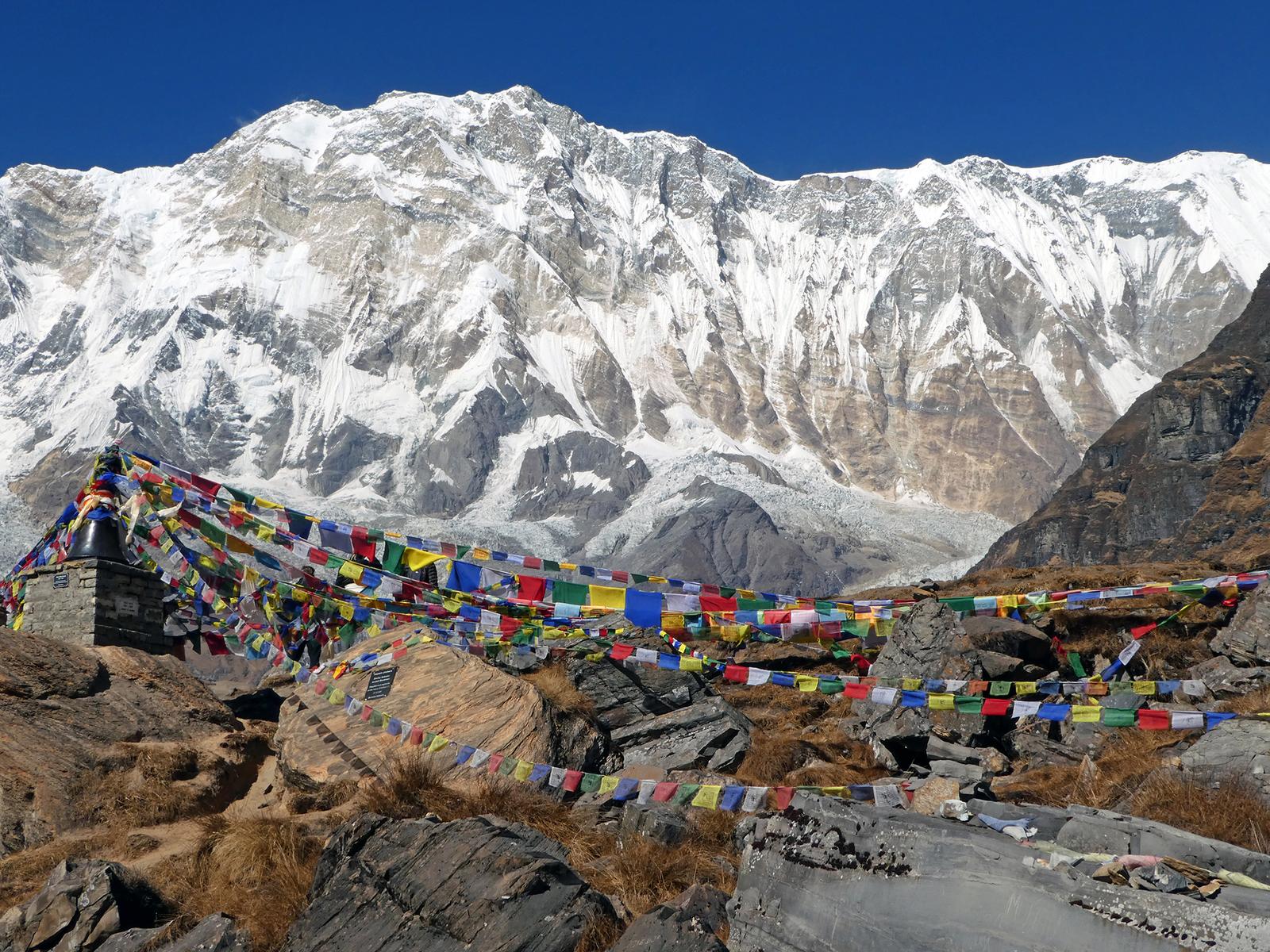
The nature lover's ideal destination, Annapurna Base Camp trek takes you to the heavenly blessed land and landscapes where one can have an insight of cultural, ethical, natural and wilderness significance. Moreover, this trek offers us astonishing views of mountain peaks including Annapurna massif, Himchuli, Ganesh Himal, Manaslu, Macchapuchhre and many other beautiful peaks.
A high glaciation basin 40 km north of Pokhara lies in the Annapurna shrine. At over 4,000 meters above sea level, this triangular plateau is surrounded by the Annapurna mountain range, most 7000 meters high. The Sanctuary was not reached by outside citizens until 1956 with just a small valley reaching the peaks of Hiunchuli and Machapuchare where glacier run-offs flow to Modi Khola river. The Annapurna sanctuary gets only 7 hours of sunshine a day in high summer because of high mountains on both sides of the river.
On a 5-7 day trek into the Sanctuary of Annapurna, the rare combination of height and depths establish an unprecedented array of habitats. The slopes to the South are surrounded by dense tropical jungles of bamboo and rhododendron and in the rainy shade of the North are more cold and drier than the Tibetan Plateau nearby.
The Gurung People held the whole sanctuary as a sacred place, one of the many native people to be found in this area. They considered that the Gold and various treasures were laid down by the Nāgas and the serpent gods known in India. The sanctuary was thought to be home to several gods: Hinduism and Buddhism, as well as ancient animist gods. The Gurung people in the region were forbidden to bring eggs or meat to the Annapurna Sanctuary until recently, and women and non-touchables were also forbidden.
The number of trekkers to the shrine has grown significantly in recent years, in part as the shrine is a basis for one of the main routes to the summits of the range of Annapurna. The Annapurna Sanctuary now forms part of the Annapurna Conservation Area Scheme, which sets restrictions on the amount of foreign visitors, firewood harvest and domestic livestock pastures.
Quick Facts about Annapurna Base Camp
- Annapurna base camp is in the lap of the 10th highest mountain Mount Annapurna (8,091 m above the sea level).
- Annapurna Base Camp is inside the Annapurna conservation area (7,629 sq. km).
- Annapurna base camp is situated at the altitude of the 4,130 m from the sea level.
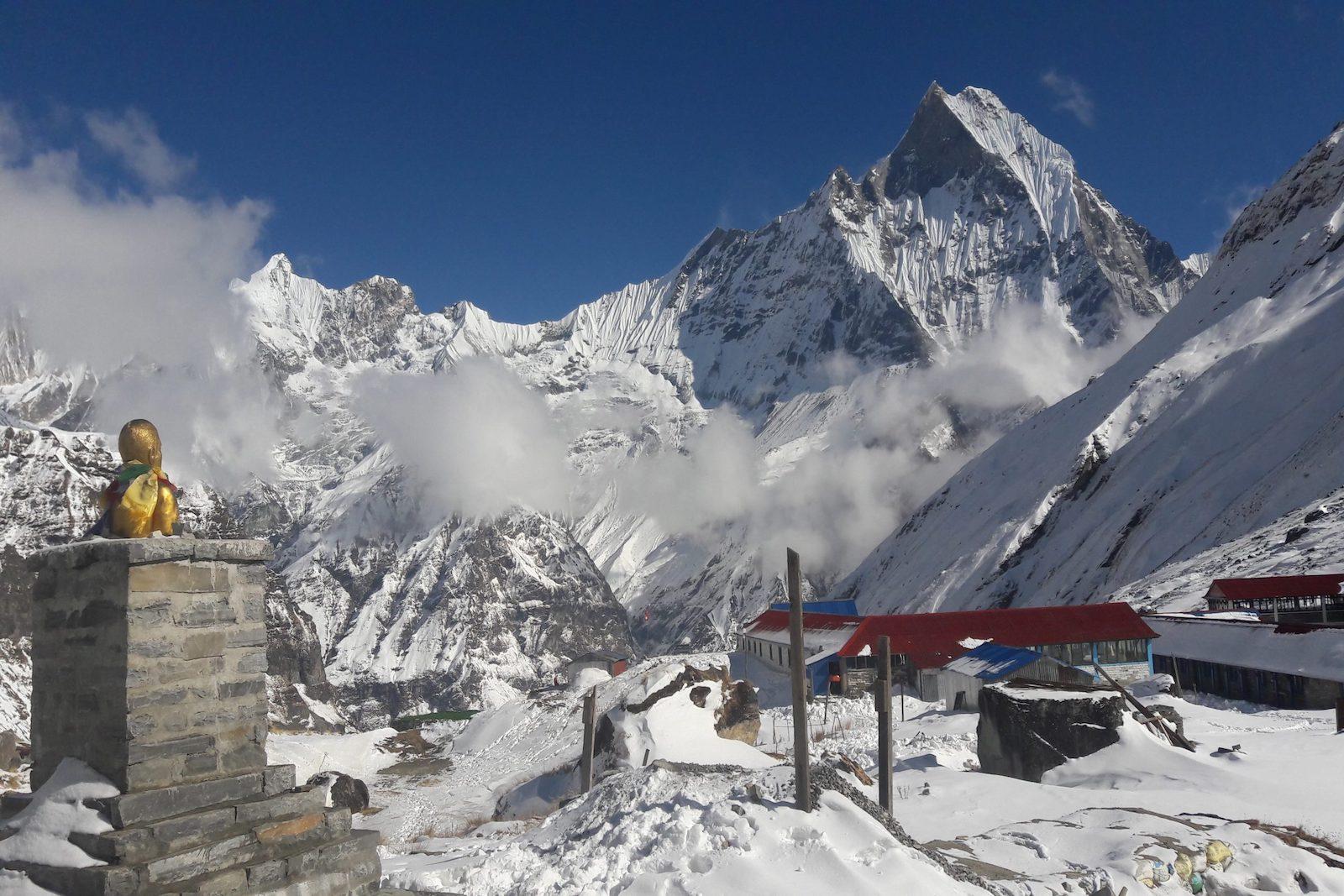
- There are tea houses at Annapurna base camp surrounded by snow-capped mountains.
- More than 20 thousand trekker treks to the Annapurna base camp every year.
Highlights
- Breathtaking view of Birethanti waterfall
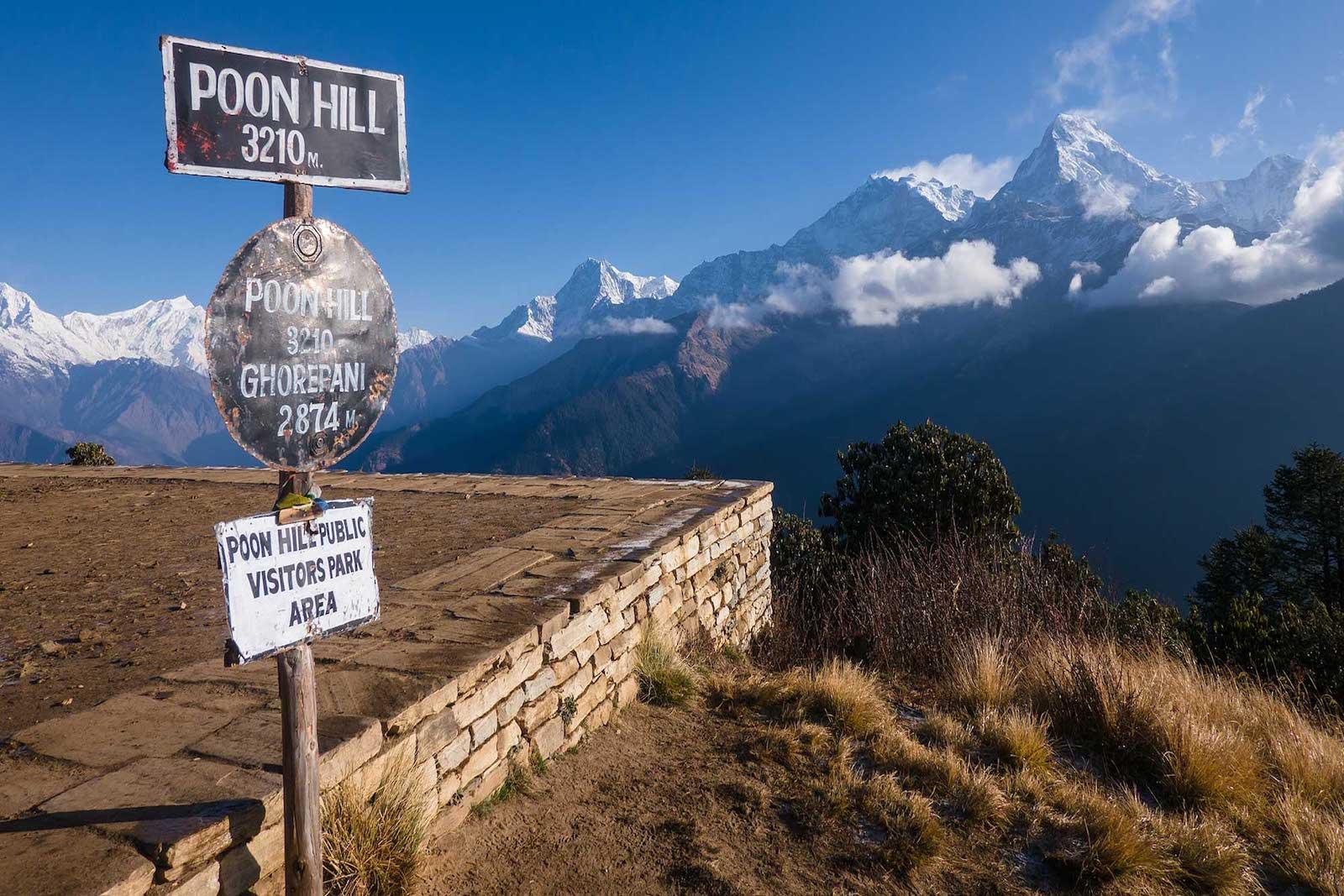
- Beautiful view of Sunrise from Ghorepani- Poonhill
- Magnificent view of Annapurna range from Annapurna Base Camp
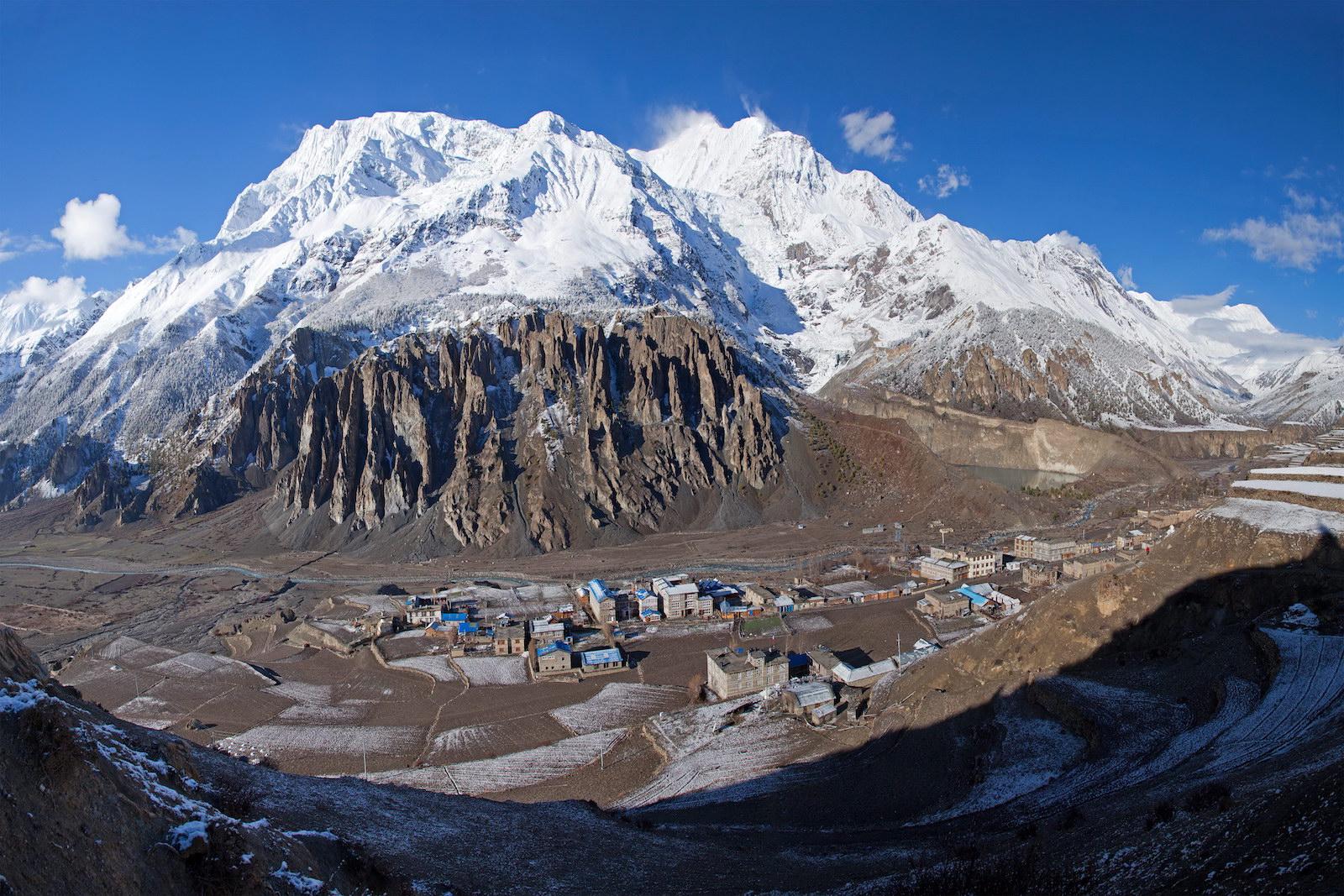
- Visit charming village of Chhomrong Village
- Jhinu Hot Spring
- Panoramic view of the Annapurna Range
- Sightseeing tour of cultural heritage sites of Kathmandu valley
- Explore the lush and wild Chitwan national park (optional)
Upon reaching Kathmandu, our representative will greet you at the airport, providing a warm welcome before transferring you to your hotel. Use this day to acclimate to the new time zone and dive into the vibrant atmosphere of kathmandu. An orientation program is scheduled for 5 pm to help to get acquainated with your surroundings.
Following breakfast, our knowledgeable tour guide from Himalayan Social Journey will escort you on a captivating journey to explore Nepal's UNESCO-listed world heritage sites. Today's itinerary includes visits to the renowned Pashupatinath temple, the majestic Bouddhanath stupa, the tranquil Swoyambhunath Stupa and the historicPatan Durbar Square.
Experience the picturesque journey to Pokhara by road, where every twist and turn unevils breathtaking vistas of Nepal's natural beauty. From terraced fileds to cascading waterfalls,the route offers a scenic spectacle. Prepare to be mesmerized by the majestic Himalayan peaks and serene lakes that await in Pokhara's embrace.
From Pokhara,take ground transport to Tikhedhunga where the journey begins for the trek to Ulleri. As we traverse through lush forests and charming villages. Prepare to be immersed in nature's grandeur and the cultural richness of the region.
The trekking from Uleri to Ghorepani is about 5 hours. This segment of the trek offers a challenging yet rewarding journey through the himalayan foothills. As we ascend from Ulleri's stone staircases, surrounded by terraced fields and rhododendron forersts, the trail gradually leads to Ghorepani. Ghorepani's welcoming tea houses provide a cozy heaven for trekkers to reswt and refuel before continuing their adventure in the Annapurna region
The trekking from Poonhill to Tadapani is about 6-7 hours(7.4km). Poonhill, located in the Annapurna region, offers breathtaking panoramic views of the himalayas, including Annapurna and Dhaulagiri ranges, at sunrise. The hike to poonhill typically starts from Nayapul and winds through lush forests, charming villages, and terraced farmland.It's a relatively moderate trek suitable for beginners and seasons hikers alike. After witnessing the stunning sunrise from Poonhill, trekkers often continue their journey towards Tadapani.The trek to Tadapani offers serene forest walks with occassional glimpses of towering peaks.Tadapani itself ia a picturesque village pearched on a hilltop, providing mesmerizing views of the surrounding mountain and valleys.
The trekking from Tadapani to Chhomrong takes about 6 hours(7.6 km). Tadapani to Chhomrong is a captivating segment of the Annapurna trek, offering diverse landscapes and cultural experiences. From Tadapani, the trail descends through dense rhododendron forests, where trekkers may encounter various wildlife and bird species. As the route progresses, the scenery transforms into terraces fields and quaint villages,showcasing the traditional lifestyle of the Gurung people.Chomrong, nesteled in the lap of himalayas,serves as a gateway to the Annapurna sanctuary and is renowned for its stunning views of Annapurna South and Macchapuchre peaks. The hike from Tadapani to Chhomrong presents trekkers with a perfect blend of natural beauty and cultural immersion.
The trekking from Chomrong to Dovan takes about 6-7hours(10 km). This is an enchanting trek through the rugged landscapes of the Annapurna region. As trekkers leave the picturesque village of Chhomrong behind, they traverse steep trails and lush forests, encountering cascading waterfalls. The path meanders through bamboo forests and rhododendron groves. Dovan, nestled at the confluence of the Modi Khola and Chomrong Khola, offers a serene and tranquil atmosphere amidst towering peaks.
The trek from Dovan to Deurali takes about 4-5 hours (8 k.m). This trek is an exhilarating continuation of the Annarpurna adventure. Setting off from Dovan, trekkers navigate through the lush forests and rocky terrain, with the thundering Modi Khola river accompanying their journey. The trail gradually acends, offering breathtaking views of peak. Deurali, situated as a higher elevation,provides a serene resting spot amidst the rugged landscape where trekkers can rejuvenate before continuing their exploration of the majestic himalayas.
The trek from Deurali to Annapurna Base Camp takes about 5-6 hours(7.7 km).This trek is breathtaking journey through the majestic Himalayas of Nepal. Starting from the quaint village of Deurali, nestled amidst lush forests and terraced fields, trekkers gradually ascend through a series of picturesque landscapes, including rhododendron forests, mesmerizing waterfalls and traditional Gurung settlements. As the trail winds its way up, the panoramic views of snow-capped peaks, including the towering Annapurna massif, become increasingly awe-inspiring. Along the route, trekkers can rest and refuel at cozy tea houses. Finally, reaching Annapurna Base Camp, situated at an elevation of over 4,000 meters, offers a surreal experience.
The trek from Annapurna Base Camp to bamboo is a journey through the stunning landscapes of the Annapurna, trekkers traverse through lush forests, terraced fields, and charming cultural settlements, offering panaromic view of towering snow-capped peaks including Annapurna South and Macchapuchare. .This path allows you to gradually descend from the Annapurna Base camp area, enjoying the scenic beauty along the way.
The journey begins with a scenic descent through lush forests adorned with rhododendrons, oaks and bamboo, culminating in a steep ascent to Khuldi Ghar. Afterward, the terrain levels out as we make our way to Sinuwa.Continuing on, we gradually descend towards Chhmorong Khola before ascending a seemingly endless stone staircase to Chhomrong. The final leg of the trek involves a steep descent to Jhinudanda,where a 20-minute walk leads us to the soothing Hot springs nestled alongside the Modi Khola. Here, we can relax and rejuvenate our bodies with a refreshing soak in the natural thermal waters.
the scenic drive from Jhinu to Pokhara takes us through winding roads surrounded by greenery and mesmerizing mountain views. As we journey, we'll pass quaint villages, terraced fields and cascading waterfalls.
Pokhara,Nepal gem, offers a diverse range of attractions in a compact area.Start your sightseeing journey at Davis Fall, where the thunderous cascade mesmerizes visitors with its sheer power. nearby, explore the mystical depth of Gupteshwor Cave adorend with stalactities and stalagmites, echoing with ancient tales. Ascend to the White Peace Pagoda, a serene sanctuary offering panaromic views of the Phewa lake and the Annapurna range, perfect for meditation and reflection. Continue your exploration to Pumdikot, a picturesque viewpoint offering breathtaking visitas of Pokhara valley and its surroundings peaks. Finally, visit the Tibetan Refugee Camp,where vibrant cultural heritage meets resilent community spirit, offering insights into the Tibetan way of life an unforgettable experience, weaving together the threads of Pokhara's diverse tapestry.
After breakfast drive or fly back to Kathmandu (flight is optional). Evening farewell dinner with cultural program. Overnight at Himalayan Suite Hotel. (B)
After breakfast transfer to airport for Departure!
Follow the journey route
Here's how your ABC trek will commence.
The excursion begins from Kathmandu where you will go through a day investigating it's religious and cultural sites, which are Pashupatinath Temple, Swoyambhunath, Boudhnath Stupa and Patan Durbar Square. They all are recorded on UNESCO's World Heritage List.
We at that point take a vacationer transport to Pokhara. This city of lakes is a trekker's center. Following day, the Annapurna base camp trek in
Festival
Nepal has various cultures. Nepal. There live in harmony numerous ethnic groups and individuals with different religion. This is why Nepal loves various festivals all year round.
Festivals offer you the chance to explore and to indulge the local people's culture and lifestyles.
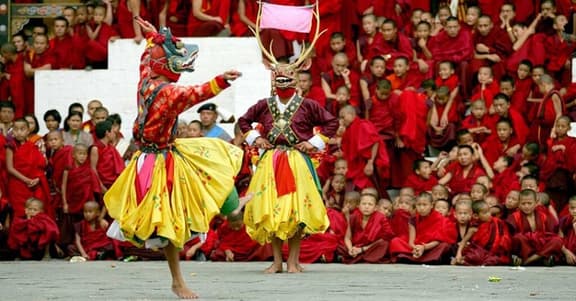
You will taste the full beauty of local culture. The locals come with their best clothing and jewels. Songs, prayers, drama and dance are celebrated in the festivals.
The color festivals 'Holi' can be seen in the bright and beautiful spring season. The New Year will also be held in Nepal during this season.
During the summer there are colorful and pleasant festivals such as Gai Jatra, Janai Purnima or Teej.
• In commemoration of the loved ones lost in the year, Gai Jatra is celebrated. In current days, parades of the LGBT community in Nepal are still observed.
• Teej's a women's festival. For one day, they dance and quickly. You are also praying for blessings to Lord Shiva. Person women pray for an acceptable match.
The fall is the season of Nepal's biggest and most important festivals. Most Hindus celebrate their most important festivals of the year in the lower part of the Dashain, Tihar.
Tihar is the lights' festival. In colorful lights you can see the whole nation.
In winter, in some of the remote parts of Nepal, you can enjoy a snowy Christmas and New Year.
Tamu Loshar, Gyalpo Losar, Easter and Mageshangrati are also observed by the people of Annapurna. Losar in the local dialect means New Year.
Tamu Loshar is celebrated by the local Gurung community in various areas of Nepal. Big regions such as Jomsom, Mustang, Manang celebrate Gyalpo Losar. Gyalpo Losar. The locals in their traditional clothes can be seen. They visit monasteries and enjoy group sites in their homes.
Travel and Transportation Modes during ABC trek
There are two ways to get from Kathmandu to Annapurna Base Camp.
By Bus: Touring to and from city destinations is done on a private vehicle such as a car, jeep or microbus. Luxury tourist buses, which are only hired by the company for the most part, make the long distance travel. You will may have to take a public bus on some trip, but you do not need to worry about your protection or comfort because you ride with our guides and support staff in a group.
By air: Transportation by plane is available to fly from Kathmandu- Pokhara (flight is optional and cost is USD 110PP- One way) and back at the end of the trip. If you want to experience helicopter ride to Annapurna Base Camp and no trek, then you can have a look at our program https://hsj.com.np/trip/explore-nepal-with-everest-scenic-flight-and-annapurna-base-camp-heli-tour
ABC trekking with HSJ
Guides and Porters
Our local Nepali team is one of the most experienced, hospitable and respected trekking outfits in Nepal. The team is fully licensed and affiliated with the Trekking Agency's Association of Nepal (TAAN), Nepal Mountaineering Association, Nepal Tourism Board, Govt. of Nepal, Sustainable Tourism Network, Himalayan Rescue Association and Kathmandu Environmental Educational Project. You will be provided with the professional and an experienced English speaking trekking guide with the good knowledge of the place and the trek. The trekking crew is skilled with the experience of over 10 years, well-trained, friendly guide and, courteous and helpful porters, assured of a wonderfully memorable experience.
For the trek, we'll have one porter for two people as per group size. The porter will carry 12-15 kg per person luggage during the trek. You need to carry your day pack to keep your personal belongings such as wallet, camera, water bottle, dry snack, headlight, gadgets, etc. The safety and concerns of our porters is our collective responsibility. We take our responsibilities towards them and their safety concerns strictly. On your part, please carry only things that are of absolute necessities.
Other Programs and complimentary services with this trip
• Welcome and Farewell dinner
• Yoga Classes
• Spa services
How do we make sure you get the best experience of this trek?
We are your completely flexible travel partner. Want to follow a different routes? We have you covered. Have extra time in Nepal? Excellent! We have more add-on tours like Chitwan Jungle Safari, Cable Car ride to Chandragiri hills, Cooking and Yoga classes in Kathmandu and so on. Would like to customize the trip? Well, why not? Give us your ideas and we will prepare complete itinerary for you. Do you want to use different standard of accommodations than provided in the itineraries? Of course! You absolutely can. From your arrival until you departure, your wishes are our command. Feel free to make the request.
Equipment and Packaging list for Annapurna Base Camp Trek
Clothing
- Trekking boots
- Short-sleeved Trekking shirts
- Trekking pants and jackets
- Thermals underwear
- Long-sleeved Trekking shirts
- Insulating down jackets
- Woolen cap
- Trekking Gloves
- Raincoats
First Aid
- Diamox tablets
- Sanitary pads / Tampons
- Anti-nausea Medicines
- Band-aids
- Mosquito and insect repellents
Toiletries
- Soap
- Toilet Paper
- Shampoo
- Sunscreen
- Hand sanitizer
Accessories
- Sunglasses
- Sleeping bag
- Cameras
- Batteries
- Water Bottle
- Solar Chargers
- Hot water Thermos
Important Documents
- Passport
- Travel Permits
ABC Trekking Grade
This is one of Nepal's easiest base camp walks. In comparison with other hiking destinations, the potential for altitude sickness is also very low. You have to walk 6-7 hours a day, which means good health and strong will. It will definitely help you a lot, though, if you have a previous trek or walking experience. In the event of bad weather, the trek may be difficult for you.
Accommodation and Meals
It is a teahouse trek like most of Nepal's treks. In general, tea houses provide a single room with twin beds. In the common room, you can charge your phones at a certain discount. Hot showers usually cost about USD 1 in teahouses.In addition, the meals provided in the teahouses are simple and you'll get the Nepalese "Dal Bhat" meal served in most teahouses.
The food menu will certainly be restricted by trekking to this extreme region. There is, however, an opportunity to get healthy food varieties. The food is served on the Trek according to the menu of the tea house. Pancakes, chapati, bread, french toasts, egg, tea , coffee, butter tea, milk are expected to be served for breakfast. Dinner will include items such as dal bhaat, curries, chapatis, momo, noodle, thupka, dhindo, etc. and lunch and dinner will include.
Bottled water can still be purchased from the start of the walk to the end. You are, however, asked to carry with you and Sterpin a reusable water bottle. This will help the region to be preserved.
Electricity and connectivity
You will be staying Overnight in the tea houses during your trek. These are small lodges with a common area and a cabin. You can have your food or charge electronics in the community, sometimes use wireless internet and chat with walkers.
Hot water and electricity do not occur in every tea houses. Showering is a luxury and shouldn't usually be done anymore at an altitude of 3,500 m, because warming will be hard when you take a shower again.
You would need to pay additional for all the above items (dusches, hot water , electricity and wifi).To improve your connectivity, carry your phone to the Nepal SIM, you'll get more than you'd think (GPRS/EDGE speed). Village electricity could be perfect during your stay. Villages above 4000 m tend to be the latter. Tea houses can have the potential to charge you either from solar sources or from a battery bank.but it is most wise to either have your own or not depend on electronic devices.
ABC Trekking Permits
You will need to arrange both the Trekking Information Management System (TIMS) permit and the Annapurna National Park Permit (sometimes also known as the Annapurna Conservation Area Permit). HSJ will arrange for your trekking permits.
As of 2019, the permits will refund a minimum of USD $50: the APC Permit is USD $30 / NPR 3,000 per person, while the TIMS Permit is USD $20 / NPR 2,000 per person.
These will need to be checked at different checkpoints along the trek.
Make sure you also bring a minimum of 4 passport photos for your trekking permit!
Travel Insurance
We suggest taking out an insurance plan for your individual accountability, accidents and illnesses during the service.
Regarding the type of activity, you may be asked to show a certificate of insurance for help and support, sanitation and search. This service is private and not free in Nepal, the helicopter will not take off until it is convinced to pay for the insurance.
Extra Expenses during the Trek
It’s difficult to give an exact amount of money that you should bring. Costs will vary according to how much you want to spend for shopping and where and what meals (lunch & dinner) you want to eat. Trekkers find that around $20 (for lunch & dinner) a day is reasonable for the trekking days. You would also have to pay for hot showers, Wi-Fi and charging.
ABC Trek for Solo Traveler
There will be two people accommodated in each room for the duration of the tour. If you prefer private accommodation, you'll find the option for "single supplement" of USD 200. Important: Please note that during the trek there are some lodges which won't have sufficient rooms to provide private accommodation. So, even if you purchase single supplement you will end up sharing a room for some days of the trek.
Best Season for Annapurna Base Camp Trek
The best months of trekking are Spring March, April and May, as the weather is bright and calm in these months and you can see high mountains, with mountains full of snow. Spring and May are the best months. Rhododendron is ideal for the spring season; all the rhododendrons turn into a wonderful garden and you can see them. Autumn is another strong season for Annapurna Base Camp Trek. The perfect months for trekking after monsoon in Nepal are September, October and November. During these months you have a beautiful view of the Himalayas and their people, because you can be part of Nepal's biggest festivals in the fall.
Last-minute ABC trek booking
It is best to book in advance but for those who cannot, for whatever reason, make a last minute reservation special arrangement for Himalayan Social Journey. In the case of last minute reservation, 100% tour payment will be approved within 24 hours. We try to operate a trek at any time but we are not liable for the delay in case of last-minute reservation, because of uncontrolled changes such as weather and the availability of accommodation.
Feedbacks
Throughout the years of business, we have always put the customers feedback as our inspiration towards making our company great travel partner. With many ups and downs, and good and not so good feedbacks we have reached where we are now. At the end of the trek, while you are with the crew during farewell dinner, we would appreciate if you give us your valuable feedback, account of good and bad experiences, recommendations and also your honest rating to our trip advisor page.
When is the best time to do Annapurna Base Camp Trek?
Best time to do Annapurna Base Camp trek is during spring (March-May) and Autumn (September-November). HSJ can however organize the trek at any time of the year with absolute saftey while still availing you to have memorable experience.
A broad glacial lake located 40 km north of Pokhara is a sanctuary at Annapurna region. At an altitude of over 4000 feet, this oval shaped base camp is located. It is now part of Annapurna Conservation Area Project that protects this area from over tourism, population and other domestic exploitation.
This package of Annapurna Base Camp is 16 Days long. The number of days can vary depending on the routes and transportation modes, offers and packages you choose. You can also choose from our 7 Days Annapurna Base Camp Trek program here, if you have short time in Nepal but still want to do this trek.
It is considered to be one of easy trekking trails of Nepal. While it is also most popular, it is also one of the easiest trekking destination. With little to no trekking experience, people have been able to successfully complete this trek. However we grade it as strenous trekking experience as it consists of dramatic ascends and descends through steep stone stairs. Decent physical fitness and prior trekking experience can be an asset while no technical skills are necessary.
While it is possible to do Annapurna Base Camp Trek independantly, the need of guide is misunderstood often. Guide is more than just someone that helps you with navigation, guide with knowledge of locality, way of life and also being responsible to attend to your other needs like finding you comfortable accommodation. Having a porter will help you carry your gears and belongings and you can travel at your pace while enjoying your trek. A guide can arrange for permits and TIMS for you and dealing with all other technical aspects of trekking.
Annapurna Base Camp is easy and safe trek that people can do this trek independently. Indeed, it is secure and not risky trek. While there is always the possibility of avalanche because it is in mountainous areas, this is usually not dangerous. It's not a complex walk, the pitch is not rough, no tough moves, no sharp hits. That said, accidents can occur on any walk, so caution is of course required. A responsive acclimatization is important.
You will have working network connectivity in most parts of the trails. However at the higher altitude, the network may become sluggish and unreliable. The stops at the tea houses will have working connection and most of them would have wifi connectivity too. You may have to pay some extra charge for wifi connection and electricity at the higher altitude.
Global passengers will be protected by insurance when treking in Nepal. Although Nepal is normally very secure, trekking at high altitudes is physically difficult and often risky. Altitude sickness is common during hiking tours in Nepal, particularly among foreign hikers who may not have taken the right time to acclimatize. Such rescue and related emergency procedures are costly and passengers are forced to pay for these services out of their pockets, unless they are covered by insurance plans.
The break during the trek depends upon the travelers and guide. Needless to say frequent breaks are needed while ascending. Only one break is taken for the lunch. Usually travelers carry their dry snacks which they can eat while on the trek and in between the breaks. There will be break to refill the water on the way.
Yes, Himalayan Social Journey is flexible travel partner. It is possible to organize the private trip or private group trip to Annapurna Base Camp. The minimum people for the group is 2 however supplementary charge will be applicable for the solo traveler wanting to do private trip.
Supplementary charge will be applicable for the solo traveler wanting to do private trip. You will also have the option to share the room with another solo traveler depending on your and their consent and interest. Even if you pay supplementary charge for the single room, it is possible that during peak seasons you will end up sharing rooms due to lack of availability of the room.
In the average, you will be walking for 5-6 hours each day during the Annapurna Base Camp Trek.
Insurance of the guide and porter is covered by the company. All our guides and porters are properly insured.
Yes, children are allowed to do the trek, however it is safe to not bring children under the age of 12 to do the trek as they may find it difficult and not able to walk. This could affect your trekking experience as well.
No, there is no age limit to do the trek. If the person is healthy and physically fit, they can do the trek. We have had elderly people over 75 d0 this trek with us and hence we can vouch that older people can do this trek as long as they do not have significant health issues.
You will have teahouse or guest house accomodation while on the trek. Tea houses can be multi-story concrete buildings with private rooms in lower elevations. The higher you step up, the more simple the accommodation is. Accommodation will involve a single dorm space in the base camp. Guide will arrange for the adequate, clean and hygeinic place for you to spend overnight and you will eat at the same place you will stay in. Most of the places shall have attached bathroom and hotshower however over the higher altitude, it is liekly that you may have to pay extra sum for the same.
Liquid uses are about 3-5 liters a day (13-21 cups). Several findings suggest that drinking carbohydrate and electrolytes (such as sports drinks) in a liquid is safer than moisturizing water at altitude alone. There is also a study done on the effect of tea in reducing the fatique and mood boosting. Results have been positive. This being said apart from water, you can drink green tea, masala tea, ginger tea and garlic soup.
The Tap water supplied along the trails are considered safe for drinking and local people drink it without treating, however for the foreigners, it is best that the tap water be only drunk after purification. There are two good options for having proper drinking water during the trek. You can bring water purification tablets or fill your bottle for a nominal fee from the recognized and regulated "pure water" stations along the trek. As the last alternative, you can also purchase bottled water at the lodges but this is not recommended.
It is very important that you drink at least 3 litres of pure water daily during the trek.
You may have to apply and obtain necessary TIMS and Permits yourself if you are trekking solo or independently. If you are hiring trekking agency or guide, this will be taken care for you.
No, the company does not provide trekking poles, you will have to manage it on your own or our guide can help you buy it when you are in Nepal. The pair of trekking poles cost from $10-$15.
Yes, we do provide sleeping bags. The sleeping bags we provide are of good quality. They help you sustain the colder climate in Nepali mountains up to -25 degree Celsius of temperature. However if you need the one of your own, you can buy one here. Your guide shall assist you to get it here. Keep the track of the weather forecast of the area and pack your clothes accordingly. This would help you be prepared for the type of weather Nepali Mountains are accustomed to.
When is the best time to do Annapurna Base Camp Trek?
Best time to do Annapurna Base Camp trek is during spring (March-May) and Autumn (September-November). HSJ can however organize the trek at any time of the year with absolute saftey while still availing you to have memorable experience.
A broad glacial lake located 40 km north of Pokhara is a sanctuary at Annapurna region. At an altitude of over 4000 feet, this oval shaped base camp is located. It is now part of Annapurna Conservation Area Project that protects this area from over tourism, population and other domestic exploitation.
This package of Annapurna Base Camp is 16 Days long. The number of days can vary depending on the routes and transportation modes, offers and packages you choose. You can also choose from our 7 Days Annapurna Base Camp Trek program here, if you have short time in Nepal but still want to do this trek.
It is considered to be one of easy trekking trails of Nepal. While it is also most popular, it is also one of the easiest trekking destination. With little to no trekking experience, people have been able to successfully complete this trek. However we grade it as strenous trekking experience as it consists of dramatic ascends and descends through steep stone stairs. Decent physical fitness and prior trekking experience can be an asset while no technical skills are necessary.
While it is possible to do Annapurna Base Camp Trek independantly, the need of guide is misunderstood often. Guide is more than just someone that helps you with navigation, guide with knowledge of locality, way of life and also being responsible to attend to your other needs like finding you comfortable accommodation. Having a porter will help you carry your gears and belongings and you can travel at your pace while enjoying your trek. A guide can arrange for permits and TIMS for you and dealing with all other technical aspects of trekking.
Annapurna Base Camp is easy and safe trek that people can do this trek independently. Indeed, it is secure and not risky trek. While there is always the possibility of avalanche because it is in mountainous areas, this is usually not dangerous. It's not a complex walk, the pitch is not rough, no tough moves, no sharp hits. That said, accidents can occur on any walk, so caution is of course required. A responsive acclimatization is important.
You will have working network connectivity in most parts of the trails. However at the higher altitude, the network may become sluggish and unreliable. The stops at the tea houses will have working connection and most of them would have wifi connectivity too. You may have to pay some extra charge for wifi connection and electricity at the higher altitude.
Global passengers will be protected by insurance when treking in Nepal. Although Nepal is normally very secure, trekking at high altitudes is physically difficult and often risky. Altitude sickness is common during hiking tours in Nepal, particularly among foreign hikers who may not have taken the right time to acclimatize. Such rescue and related emergency procedures are costly and passengers are forced to pay for these services out of their pockets, unless they are covered by insurance plans.
The break during the trek depends upon the travelers and guide. Needless to say frequent breaks are needed while ascending. Only one break is taken for the lunch. Usually travelers carry their dry snacks which they can eat while on the trek and in between the breaks. There will be break to refill the water on the way.
Yes, Himalayan Social Journey is flexible travel partner. It is possible to organize the private trip or private group trip to Annapurna Base Camp. The minimum people for the group is 2 however supplementary charge will be applicable for the solo traveler wanting to do private trip.
Supplementary charge will be applicable for the solo traveler wanting to do private trip. You will also have the option to share the room with another solo traveler depending on your and their consent and interest. Even if you pay supplementary charge for the single room, it is possible that during peak seasons you will end up sharing rooms due to lack of availability of the room.
In the average, you will be walking for 5-6 hours each day during the Annapurna Base Camp Trek.
Insurance of the guide and porter is covered by the company. All our guides and porters are properly insured.
Yes, children are allowed to do the trek, however it is safe to not bring children under the age of 12 to do the trek as they may find it difficult and not able to walk. This could affect your trekking experience as well.
No, there is no age limit to do the trek. If the person is healthy and physically fit, they can do the trek. We have had elderly people over 75 d0 this trek with us and hence we can vouch that older people can do this trek as long as they do not have significant health issues.
You will have teahouse or guest house accomodation while on the trek. Tea houses can be multi-story concrete buildings with private rooms in lower elevations. The higher you step up, the more simple the accommodation is. Accommodation will involve a single dorm space in the base camp. Guide will arrange for the adequate, clean and hygeinic place for you to spend overnight and you will eat at the same place you will stay in. Most of the places shall have attached bathroom and hotshower however over the higher altitude, it is liekly that you may have to pay extra sum for the same.
Liquid uses are about 3-5 liters a day (13-21 cups). Several findings suggest that drinking carbohydrate and electrolytes (such as sports drinks) in a liquid is safer than moisturizing water at altitude alone. There is also a study done on the effect of tea in reducing the fatique and mood boosting. Results have been positive. This being said apart from water, you can drink green tea, masala tea, ginger tea and garlic soup.
The Tap water supplied along the trails are considered safe for drinking and local people drink it without treating, however for the foreigners, it is best that the tap water be only drunk after purification. There are two good options for having proper drinking water during the trek. You can bring water purification tablets or fill your bottle for a nominal fee from the recognized and regulated "pure water" stations along the trek. As the last alternative, you can also purchase bottled water at the lodges but this is not recommended.
It is very important that you drink at least 3 litres of pure water daily during the trek.
You may have to apply and obtain necessary TIMS and Permits yourself if you are trekking solo or independently. If you are hiring trekking agency or guide, this will be taken care for you.
No, the company does not provide trekking poles, you will have to manage it on your own or our guide can help you buy it when you are in Nepal. The pair of trekking poles cost from $10-$15.
Yes, we do provide sleeping bags. The sleeping bags we provide are of good quality. They help you sustain the colder climate in Nepali mountains up to -25 degree Celsius of temperature. However if you need the one of your own, you can buy one here. Your guide shall assist you to get it here. Keep the track of the weather forecast of the area and pack your clothes accordingly. This would help you be prepared for the type of weather Nepali Mountains are accustomed to.
HSJ Moments
All reviews
You might also like
Quick Enquiry
Get personalized assistance for ANNAPURNA BASE CAMP WITH POONHILL TREK