" We did the 14 days Nepal budget tour and we could not be more happy with our choice. In only 2 weeks we visited Kathmandu, Chitwan national park, Pokhara and did a 5 day trek in the Annapurna region. The organization was flawless (like a swiss Read more"
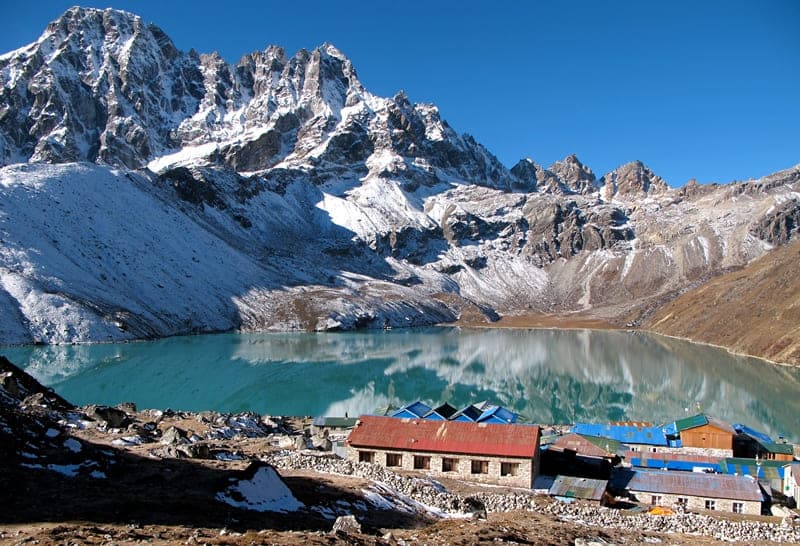
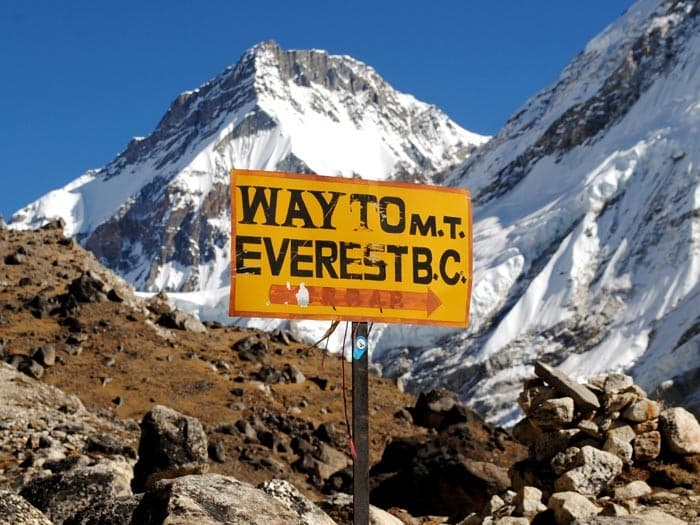
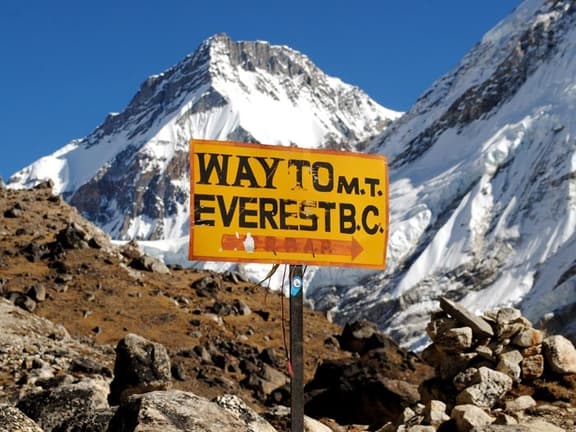
Gokyo Ri and Everest Base Camp offers a breathtaking journey through the majestic Himalayas, encompassing stunning landscapes, soaring peaks and cultural encounters in the heart of the Everest region.
Highlights Of Gokyo and Everest Base Camp Trek:
- Experience the exhilaration of trekking to Everest Base Camp.
- Trek up to 5545 m through spectacular scenery.
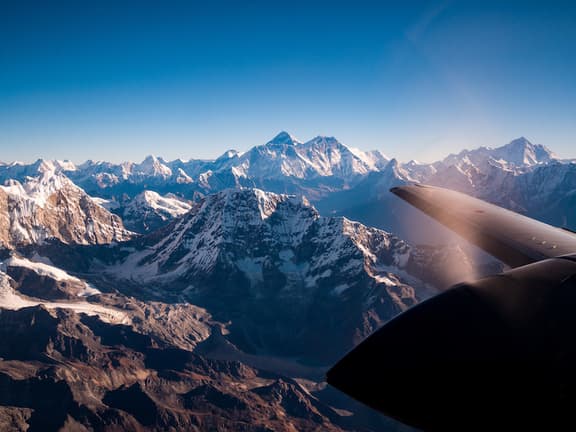
- Everest, Lhotse, Nuptse, Changtse, Ama Dablam, and scores of other lesser crests seen from a peaked vantage point
- The views from the Gokyo Ri much magnificant top of Kala Patthar
- Explore Ngozumpa glacier – the longest glacier in the Himalayas
- Suitable for people aged over 14 and below 65
Overview :
This 17-day trek combines the renowned Everest Base Camp route with the lesser-explored Gokyo Lakes region, creating an exceptional and unbeatable adventure. Gokyo village, nestled in a hidden valley of the Khumbu region, is a true gem of the Himalayas. The trek explores forgotten valleys, tranquil lakes, and traditional villages while showcasing the breathtaking beauty of Gokyo Lakes, including Gokyo Ri and the Fifth Lake, offering magnificent views of Everest and surrounding peaks. The trek also includes traversing the shimmering ice trail of Cho La Pass and ascending Kala Patthar, providing panoramic views of Everest, Pumari, Lhotse, Nuptse, and other majestic peaks. The Gokyo Lake View Trek is highly rewarding, allowing trekkers to immerse themselves in the lap of the world and conquer the natural wonders that Gokyo offers.
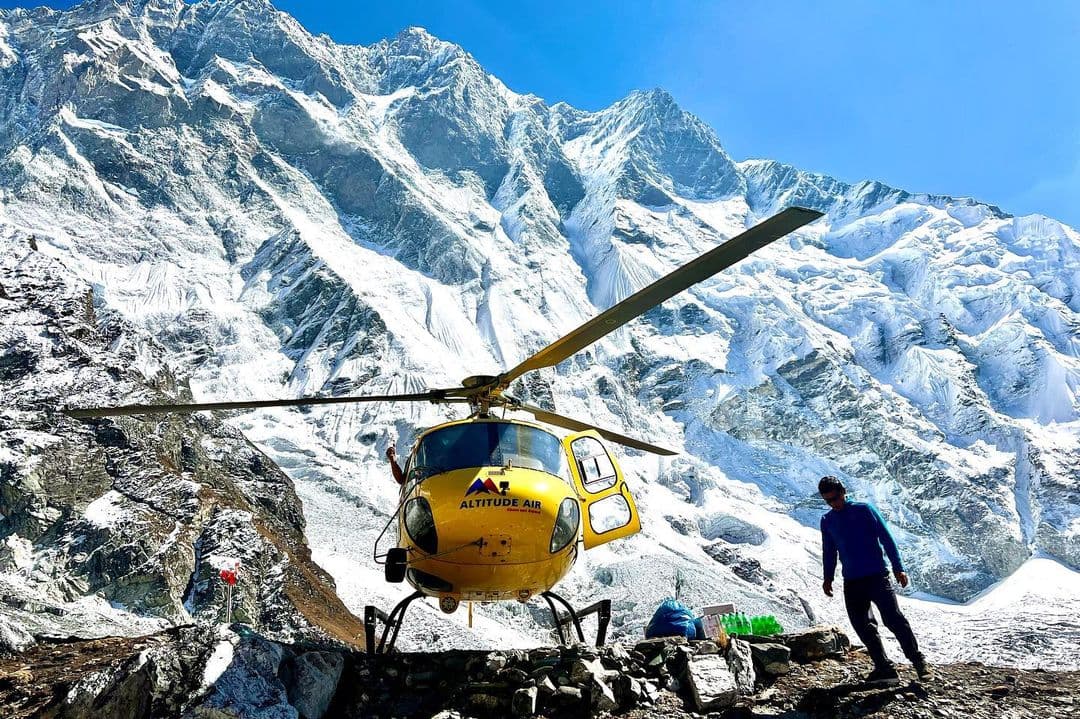
Optional: For all the helicopter enthusiasts, you now have the option to take a luxurious and adventurous helicopter flight from Kathmandu to Lukla and back from Lukla to Kathmandu by paying an extra USD 350 PP one way. With this, you no longer have to worry about flights being delayed or canceled, which can happen every now and then due to bad weather.
Upon your arrival in Kathmandu, our representative will meet you at Tribhuvan International Airport, extend a warm welcome, and transfer to your hotel. Take advantage of this day to adjust to the new time zone and immerse yourself in the lively atmosphere of Kathmandu. Orientation Program will be at 5 PM. After orientation program welcome Dinner with guide.
Today is the beginning of Gokyo and EBC Trek. You will take early flight to Lukla. Upon reaching Lukla enjoy the stunning mountain views. Start your trek to Phakding, descending through pine forests and picturesque Sherpa villages. Reach the delightful village of Phakding and settle into a tea house for the night. Make the most of the remaining daylight to explore Phakding . Wrap up your day with a satisfying dinner at the tea house.
During peak season (March, April, May, October, and November), flights to Lukla operates from Ramechhap/Manthali. Manthali is around 5 to 6 hours' drive from Kathmandu. In non-peak seasons (January, February, June, July, August, September, and December), flights to lukla operates from Kathmandu.
Today's trek takes you further into the heart of the Khumbu region as you ascend along the Dudh Koshi River. Start your trek after breakfast, crossing suspension bridges and journeying through pine forests. Pass through the small check point of Monjo, verification of your entry into Sagarmatha National Park. Keep trekking alongside the Dudh Koshi River, passing through the village of Jorsalle. Commence the challenging ascent to Namche Bazaar after crossing Tenzing Hillary Suspension Bridge, featuring a steep climb with breathtaking views of Thamserku, Everest, and other peaks. Reach Namche Bazaar, a bustling market town and the commercial hub of the Khumbu region. Check into a tea house for your stay.
Acclimatization is vital for a successful trek , and Namche Bazaar serves as an ideal spot for this purpose. Today is designated for relaxation and exploration, enabling your body to adapt to the higher altitude. Take a short hike to Everest View Hotel for better acclimatization. Explore Namche Bazaar and the Sherpa Museum in the afternoon. Stay hydrated by drinking lots of fluids. Have a taste of local Sherpa cuisine for dinner. Ensure a good night's sleep by going to bed early.
The trek today takes you deeper into the Khumbu region, passing through picturesque landscapes and traditional Sherpa villages. You'll continue your ascent, reaching the village of Deboche, known for its serene monasteries and breathtaking views. Embark on your trek after breakfast from Namche Bazaar to Tengboche, trek uphill for panoramic views of Everest, Lhotse, and Ama Dablam, explore the peaceful Tengboche Monastery upon arrival, then move towards Deboche, cross the Imja River, and finally, check into a tea house for your overnight stay in Deboche.
After staying overnight in Debouche/ Tengbouche, we head to Dingboche in the morning. The trek continues through the alpine forest to Deboche, where you cross Imja Khola (River) using a suspension bridge. Along the way, you will pass by a wall with inscribed stones.
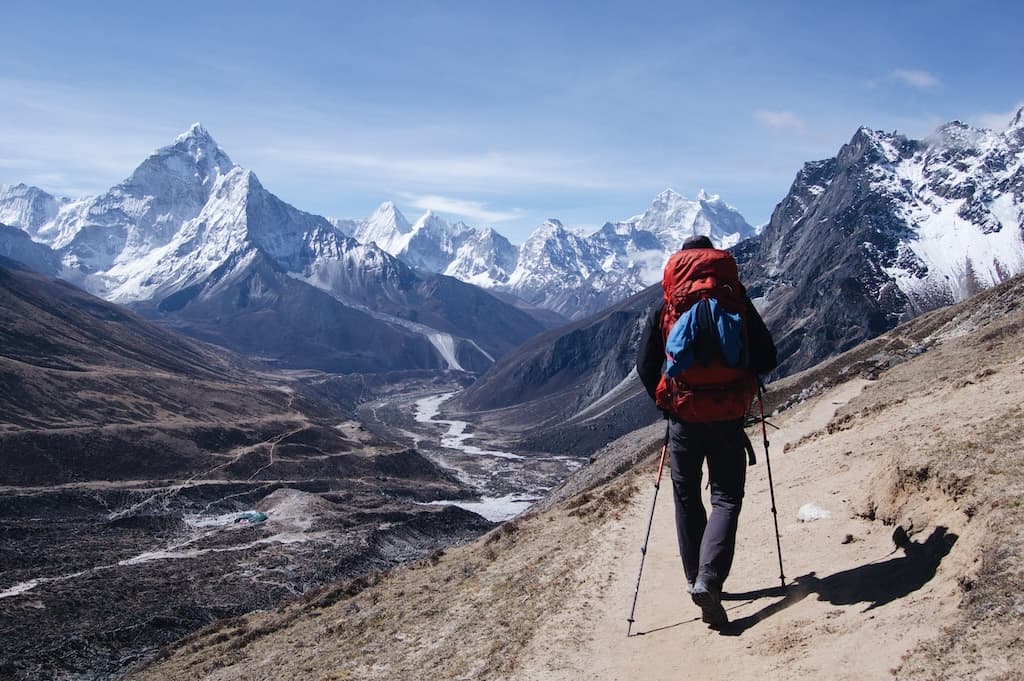
Later in the day, you'll enjoy a stunning view of Ama Dablam. You will climb to the village of Pangboche and follow the trail to Imja Valley. Finally, Reach Dingboche and check into a tea house in Dingboche for your overnight stay.
Acclimatization is essential for a safe and enjoyable trek at higher altitudes. Today is all about resting and exploring Dingboche, helping your body adapt to the rising elevation and getting you ready for the upcoming challenges.Start your day with a breakfast. For additional acclimatization, hike to Nangkartshang Peak, which provides views of Makalu, Lhotse, Chalotse, Tawache, and Ama Dablam. Stay hydrated, take it easy, read, or enjoy light activities during the day, then have dinner at the tea house
As you trek from Dingboche to Lobuche, you get closer to the Everest Base Camp. The landscape becomes rougher, and the air gets thinner as you travel through the high-altitude terrain.Begin the day with breakfast, get ready for the trek, ascend towards Thukla Pass to enjoy panoramic views of Pumori and Nuptse, take a lunch break in Thukla, continue trekking towards Lobuche. Check in into a tea house for your overnight stay, and have dinner and sleep.
Today is an important day as you finally reach Everest Base Camp. Start your morning trek after a filling breakfast in Lobuche, navigate rocky terrain as you ascend to Gorakshep, the last settlement before Everest Base Camp. Check into the tea house for a quick lunch, then embark on the journey to Everest Base Camp through the Khumbu Glacier. Take time to capture memories with photographs at this incredible spot. After enjoying the Everest Base Camp experience, trek back to Gorakshep, have dinner at the tea house in Gorak Shep, and rest early.
Early morning hike to Kala Patthar, you'll encounter a challenging ascent that rewards you with breathtaking panoramic views of Everest, Lhotse, and Nuptse. Kala Patthar is renowned for providing one of the closest and most awe-inspiring perspectives of Mount Everest, making it a must-visit vantage point for trekkers.
After sepnding moments there, retrance your steps back to Lobuche for lunch. After lunch head to northease along Cho la Tsho to reach Dzongla. On the way to Zhongla you will witness the traditional Sherpa villages, immerse in the local culture, and enjoy the serene surroundings of the Khumbu Valley. Overnight at Dzongla
The summit provides an amazing view of the Himalayan panorama. In the west, you'll see Kyajo Ri and Pharilapche surrounded by other peaks. To the north, there's the massive Mahalangur range, stretching from Cho Oyu to Ngozumpa II and I, Ghaychung Kang, and Ngozumpa peaks. Ama Dablam and Choatse impressively grace the southeast. Be cautious on the way down to Tagna – it's steep, with scree slopes and ice. Look for occasional cairns marking the path. Below that, the trail descends through grassy slopes to the summer village of Thangna above Ngozumpa Glacier. Check into a Guest House. Spend the night in Thangna.
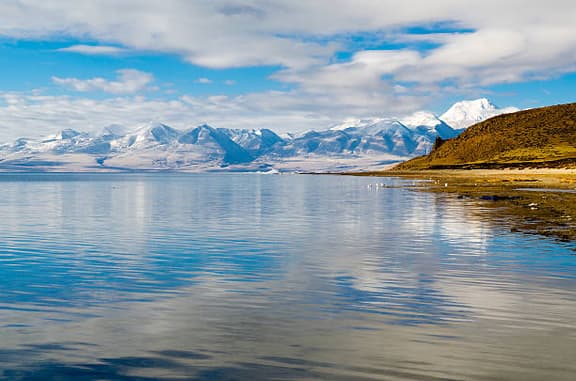
After having breakfast in Thangnak you will start continuing your journey to the charming village of Gokyo which is located at 4,700 meters, where the beautiful Gokyo Lakes await! It promises to be a spectacular day, and after the significant effort of yesterday, the trek is relatively easy, lasting just four hours.
After breakfast start your journey from the breathtaking village of Gokyo at an altitude of 4,700 meters, you'll marvel at the stunning Gokyo Lakes, making this day truly spectacular. The trek, following a relatively gentle route after the exertions of the previous day, unfolds over four hours of mesmerizing descent. Navigate the Ngozumpa Glacier with care, cross rocky paths, and revel in the scenic beauty surrounding you. As the day unfolds, the trail leads you to the serene village of Dole at 4,038 meters, where you check into a cozy teahouse to rest and absorb the tranquility of the surroundings.
Start your trek from the serene village of Dole at 4,038 meters, the trail to Namche unfolds with a gradual descent through picturesque forests, charming villages, and scenic bridges. Navigate both uphill and downhill sections, catching occasional glimpses of snow-capped peaks.
Arrive in the lively town of Namche Bazaar at 3,440 meters, where you can relax in a teahouse and soak in the vibrant atmosphere surrounded by the majestic Himalayan peaks.
Today is the last part of your Everest Base Camp trek as you come down from Namche Bazaar to Lukla. The path goes through familiar villages and landscapes, giving you a chance to think about the amazing journey you've been on. Start your descent from Namche Bazaar after breakfast. Take breaks for tea, enjoy the scenic beauty, and catch glimpses of the mountains one last time. Have lunch in the charming village of Phakding. Continue your trek, crossing suspension bridges and passing through forests. Finally, arrive in Lukla, the gateway to the Everest region, and check into a tea house. Have a dinner celebration dinner with all crew members and sleep.
Take a morning flight from Lukla to Kathmandu. Explore Kathmandu, enjoy dinner and enjoy your last night in kathmandu. Once you land at the airport, you'll be transferrred to the hotel. Please note that flight operations are solely determined by the airline and may be influenced by the weather.
Use your last morning in Kathmandu according to your flight time. Pack your things, check out of the hotel, Head to Tribhuvan International Airport for your departure. Wishing you a safe and pleasant journey back home!
Tour Route
Follow the journey path
Our trek will be in a very beautiful part of the Everest region. Expect to trek about 5-7 hours daily, or about 8–12 KMS per day. Since beginners can also join the trip, it is recommended that you prepare for the trek by doing some suitable general training such as climbing hills or stairs, jogging, and spending some time in the gym to improve your stamina for a few months prior to the trek. If you are quite fit and do sufficient training prior to arriving in Nepal, the trek will be enjoyable, and it is suitable for fit people into their early 70's. This trek is the most popular for those wishing to get wonderful views of the Himalayan peaks. The highest altitude we reach is 5545 meters at Kalapatthar, which offers a breathtaking view of many of the world's greatest peaks. It is stunning! Any trekking equipment, such as walking poles, water bottles, and a rucksack, is very easily available in Kathmandu, near our hotel.
To be honest, you don't have to be a runner to enjoy the trek. But the preparation will probably save you a lot of pain and suffering on the trail and help you enjoy your experience there. The suggestions we have for physically preparing are to take good, long, brisk walks, preferably wearing a pack with a similar load that you'll be carrying. Cycling and swimming are also great alternatives, as is just about anything that gets your cardio working. Do some breathing exercises to get more oxygen into your lungs. Watch for signs of altitude sickness; symptoms include headaches, dizziness, sleeplessness, loss of appetite, and breathlessness. Bring a supply of the medication Diamox for treatment; if symptoms persist, descend. Trekking to Everest Base Camp may not be the right trip for everyone, as it is quite a physically demanding experience, and when you combine high altitude with plenty of climbs, you may get a recipe for suffering. But normal, average travelers can do the Everest Base Camp trek.
Most of the tea houses do have western-style flushing toilets. But in higher elevations, you may also find the traditional type of toilet made of either a ceramic basin on the ground or a few planks precariously positioned over a hole in the ground, which is situated outside the room.
You will get the facilities of hot and cold water running with an attached bathroom up to Namche without any extra charges. But above Namche, you will be charged about USD 5 per shower (depending upon the guesthouse) for a hot water shower.
There will be a laundry facility in Kathmandu and Namche.
The maximum weight limit for the Lukla flight is 15 kg, which is equivalent to 33 pounds including your handbag (daypack). If your baggage exceeds the weight limits, additional costs of USD 1–2 per kg will be applicable, and the payment should be made at the airport counter itself.
Depending on when you plan to travel, it's important to have the proper clothes and be prepared for unexpected weather. Fairly well-worn hiking boots and shoes are a must! For tours between November and the first two weeks of March, bring a jacket suitable for -10 degrees Celsius. For tours at other times, please bring a jacket suitable for -3 to 5 degrees Celsius. Otherwise, the daytime weather will tend to be warm or pleasant.
A sleeping bag is necessary during the trekking days, and if you have your own sleeping bag, you can bring it. Otherwise, HSJ will provide you with a sleeping bag during the trek (-10 to -15 degrees).
In Kathmandu, we will be staying at three-star standard hotels like the Hotel Holy Himalaya, the Himalayan Suite Hotel, or a similar quality hotel. These places come highly recommended, but please don't expect a European standard of hotel. These hotels are good, clean tourist hotels and are of good quality by Nepali standards. On the trek, we'll be staying at simple lodges run by Nepali families. During the trek, the bathrooms are outside the rooms, and hot water is dependent on solar panels, so don't count on many warm showers.
If you wish for better accommodations during the trek, you can upgrade the accommodations in the mountains. The upgrade will be at Yeti Mountain Home in Namche, Phakding, and Lukla. It costs USD 150 per night, including breakfast, service charge, and tax.
Most teahouses (lodges) in Everest region trails cook a delicious range of mostly vegetarian fare. Pasta, tuna bakes, noodles, potatoes, eggs, daal bhat (rice and lentils), bread, soup, fresh vegetables (variety depends on the season), and even some desserts like apple pies, pancakes, and some interesting attempts at custard. You will find a lot of garlic on the menu because it assists with acclimatization; eat some every day. In many villages, you may find some meat items on the menu. You can always get hot chocolate, tea, and hot lemon drinks, as well as soft drinks and treats like chocolate and crisps.
Bottled water can still be purchased from the start of the walk to the end. You are, however, asked to carry with you and staple a reusable water bottle. This will help preserve the region.
The best months for trekking are spring, March, April, and May, as the weather is bright and calm in these months and you can see high mountains with Manaslu full of snow. Spring and May are the best months. Rhododendron is ideal for the spring season; all the rhododendrons turn into a wonderful garden, and you can see them. Autumn is another strong season for the Everest tour. The perfect months for trekking after the monsoon in Nepal are September, October, and November. During these months, you have a beautiful view of the Himalayas and their people because you can be part of Nepal's biggest festivals in the fall.
This trek is categorized as difficult, or Grade 3, with altitudes ranging from 4,000m to 5,550m. It is considered one of the best treks in Nepal. Previous trekking experience and good health are necessary for this trek. Climbing and descending are common, and you may encounter small glaciers that need to be crossed. Trekking at higher altitudes is physically demanding, but the pace will be adjusted accordingly. If you are in excellent health, have average physical fitness, and have strong determination, you can successfully complete this trek. It is recommended to exercise, such as jogging and climbing stairs, prior to your arrival to improve strength and fitness. While past hiking experience is beneficial, no technical skills are required.
Yes, if you are a solo traveler and want to avoid a single supplement surcharge, you can share your room with a same-sex solo traveler. It, however, depends on the availability of another solo traveler and their willingness to share the room with you.
There are two ways to get from Kathmandu to Everest Base Camp. By Bus: Touring to and from city destinations is done on a private vehicle such as a car, jeep, or microbus. Luxury tourist buses, which are only hired by the company for the most part, make long-distance travel possible. You may have to take a public bus on some trips, but you do not need to worry about your protection or comfort because you ride with our guides and support staff in a group. By air: The flight from Kathmandu to Lukla and back is included in the price. Yes, if you are a solo traveler and want to avoid a single supplement surcharge, you can share your room with a same-sex solo traveler. It, however, depends on the availability of another solo traveler and their willingness to share the room with you.
Our trek will be in a very beautiful part of the Everest region. Expect to trek about 5-7 hours daily, or about 8–12 KMS per day. Since beginners can also join the trip, it is recommended that you prepare for the trek by doing some suitable general training such as climbing hills or stairs, jogging, and spending some time in the gym to improve your stamina for a few months prior to the trek. If you are quite fit and do sufficient training prior to arriving in Nepal, the trek will be enjoyable, and it is suitable for fit people into their early 70's. This trek is the most popular for those wishing to get wonderful views of the Himalayan peaks. The highest altitude we reach is 5545 meters at Kalapatthar, which offers a breathtaking view of many of the world's greatest peaks. It is stunning! Any trekking equipment, such as walking poles, water bottles, and a rucksack, is very easily available in Kathmandu, near our hotel.
To be honest, you don't have to be a runner to enjoy the trek. But the preparation will probably save you a lot of pain and suffering on the trail and help you enjoy your experience there. The suggestions we have for physically preparing are to take good, long, brisk walks, preferably wearing a pack with a similar load that you'll be carrying. Cycling and swimming are also great alternatives, as is just about anything that gets your cardio working. Do some breathing exercises to get more oxygen into your lungs. Watch for signs of altitude sickness; symptoms include headaches, dizziness, sleeplessness, loss of appetite, and breathlessness. Bring a supply of the medication Diamox for treatment; if symptoms persist, descend. Trekking to Everest Base Camp may not be the right trip for everyone, as it is quite a physically demanding experience, and when you combine high altitude with plenty of climbs, you may get a recipe for suffering. But normal, average travelers can do the Everest Base Camp trek.
Most of the tea houses do have western-style flushing toilets. But in higher elevations, you may also find the traditional type of toilet made of either a ceramic basin on the ground or a few planks precariously positioned over a hole in the ground, which is situated outside the room.
You will get the facilities of hot and cold water running with an attached bathroom up to Namche without any extra charges. But above Namche, you will be charged about USD 5 per shower (depending upon the guesthouse) for a hot water shower.
There will be a laundry facility in Kathmandu and Namche.
The maximum weight limit for the Lukla flight is 15 kg, which is equivalent to 33 pounds including your handbag (daypack). If your baggage exceeds the weight limits, additional costs of USD 1–2 per kg will be applicable, and the payment should be made at the airport counter itself.
Depending on when you plan to travel, it's important to have the proper clothes and be prepared for unexpected weather. Fairly well-worn hiking boots and shoes are a must! For tours between November and the first two weeks of March, bring a jacket suitable for -10 degrees Celsius. For tours at other times, please bring a jacket suitable for -3 to 5 degrees Celsius. Otherwise, the daytime weather will tend to be warm or pleasant.
A sleeping bag is necessary during the trekking days, and if you have your own sleeping bag, you can bring it. Otherwise, HSJ will provide you with a sleeping bag during the trek (-10 to -15 degrees).
In Kathmandu, we will be staying at three-star standard hotels like the Hotel Holy Himalaya, the Himalayan Suite Hotel, or a similar quality hotel. These places come highly recommended, but please don't expect a European standard of hotel. These hotels are good, clean tourist hotels and are of good quality by Nepali standards. On the trek, we'll be staying at simple lodges run by Nepali families. During the trek, the bathrooms are outside the rooms, and hot water is dependent on solar panels, so don't count on many warm showers.
If you wish for better accommodations during the trek, you can upgrade the accommodations in the mountains. The upgrade will be at Yeti Mountain Home in Namche, Phakding, and Lukla. It costs USD 150 per night, including breakfast, service charge, and tax.
Most teahouses (lodges) in Everest region trails cook a delicious range of mostly vegetarian fare. Pasta, tuna bakes, noodles, potatoes, eggs, daal bhat (rice and lentils), bread, soup, fresh vegetables (variety depends on the season), and even some desserts like apple pies, pancakes, and some interesting attempts at custard. You will find a lot of garlic on the menu because it assists with acclimatization; eat some every day. In many villages, you may find some meat items on the menu. You can always get hot chocolate, tea, and hot lemon drinks, as well as soft drinks and treats like chocolate and crisps.
Bottled water can still be purchased from the start of the walk to the end. You are, however, asked to carry with you and staple a reusable water bottle. This will help preserve the region.
The best months for trekking are spring, March, April, and May, as the weather is bright and calm in these months and you can see high mountains with Manaslu full of snow. Spring and May are the best months. Rhododendron is ideal for the spring season; all the rhododendrons turn into a wonderful garden, and you can see them. Autumn is another strong season for the Everest tour. The perfect months for trekking after the monsoon in Nepal are September, October, and November. During these months, you have a beautiful view of the Himalayas and their people because you can be part of Nepal's biggest festivals in the fall.
This trek is categorized as difficult, or Grade 3, with altitudes ranging from 4,000m to 5,550m. It is considered one of the best treks in Nepal. Previous trekking experience and good health are necessary for this trek. Climbing and descending are common, and you may encounter small glaciers that need to be crossed. Trekking at higher altitudes is physically demanding, but the pace will be adjusted accordingly. If you are in excellent health, have average physical fitness, and have strong determination, you can successfully complete this trek. It is recommended to exercise, such as jogging and climbing stairs, prior to your arrival to improve strength and fitness. While past hiking experience is beneficial, no technical skills are required.
Yes, if you are a solo traveler and want to avoid a single supplement surcharge, you can share your room with a same-sex solo traveler. It, however, depends on the availability of another solo traveler and their willingness to share the room with you.
There are two ways to get from Kathmandu to Everest Base Camp. By Bus: Touring to and from city destinations is done on a private vehicle such as a car, jeep, or microbus. Luxury tourist buses, which are only hired by the company for the most part, make long-distance travel possible. You may have to take a public bus on some trips, but you do not need to worry about your protection or comfort because you ride with our guides and support staff in a group. By air: The flight from Kathmandu to Lukla and back is included in the price. Yes, if you are a solo traveler and want to avoid a single supplement surcharge, you can share your room with a same-sex solo traveler. It, however, depends on the availability of another solo traveler and their willingness to share the room with you.
Essential gear for your Gokyo Ri And Everest Base Camp Trek
Clothing
- Warm jacket (down or insulated)
- Thermal layers (top & bottom)
- Trekking pants & hiking shirts
- Warm hat or cap
- Gloves
- Vest or fleece layer
Footwear
- Hiking boots (comfortable and broken-in)
- Lightweight sandals or camp shoes
- Warm trekking socks
Gear
- Daypack with rain cover
- Trekking poles
- Sleeping bag –15°C (provided by HSJ)
- Head torch or flashlight
- Power bank
- Water bottle
- Water purification tablets
- Sunglasses
- Sunscreen
Personal Items
- Toiletries (toothbrush, paste, soap, sanitizer)
- Basic first-aid and personal medicines
- Lip balm and moisturizer
- Camera
- Mobile phone
- Energy bars or dry snacks
HSJ Moments
All reviews
Quick Enquiry
Get personalized assistance for Gokyo Ri And Everest Base Camp Trek