


Yoga Teachers Training
Trip Overview
Day-by-Day Itinerary
DAILY SCHEDULES
06:00 – 6:30 am: Wake up and Ushapan (Early Drinking water)
06:30 – 8:30 am: Jala Neti (Nasal Cleansing) and Herbal Tea
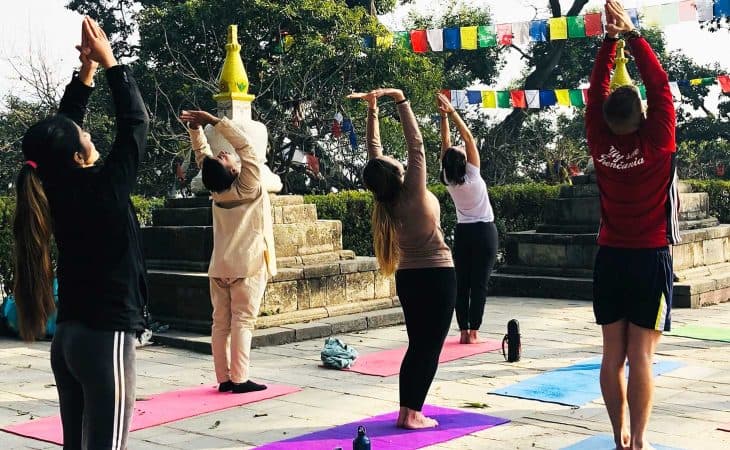
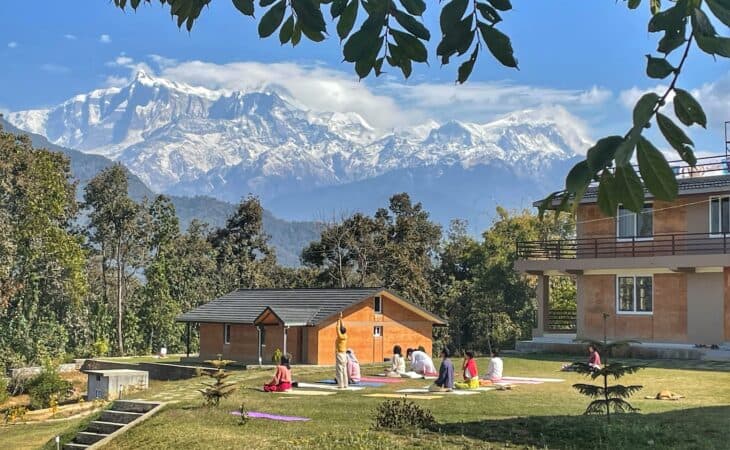
07:15 - 08:45 am: Hatha Yoga
08:30 - 10:30 am: Breakfast & Herbal Tea Break
10:00- 11:30 am: Yoga Philosophy
11:00-01:00 pm: Vegetarian Lunch and Herbal Tea
01:00-02:00 pm: Library / Self-study
03:30-05:30 pm: Yoga Asana Practical
05:30 - 06:00 pm: Herbal Tea
06:00 - 07:00 pm: Bhakti Yoga (Prayer/Chants), Spinal Asana/ Suryanamaskar; Yoga-Nidra, Mudra, Dhyana Yoga (Meditation)
07:00 - 07:30 pm: Dinner and Herbal Tea
07:30 - 08:30 pm: Bhakti Yoga (Prayer/Chants), Group Talks and Discussion ( 2 Times a Week )
08:30 pm: Evening walk, Vajrasana, Self-study & Practice
10:00 pm: Bed Time (Lights out)
Course Syllabus:
1. Techniques, Training and Practice: Total 100 Hours
- Minimum Contact Hours: 75 hours
- Minimum Contact Hours w/ Lead Trainer(s): 50 hours
- Prayer: Om chant, Mantra prayer and Chanting
- Jogging; Subtle exercise, Dynamic (warm up) exercise, Spinal exercise and Suryanamaskar (Traditional and integrated form both)
- Satkarma: Dhauti, Basti, Neti, Nauli, Tratak and Kapalbhati
- Asana (postures): Meditative postures, Relaxing Postures, Balancing Postures, Fitness maintaining postures, Inverted postures.
- Body Alignment in Yoga
- Yoga safety guidelines
- Mudra, Bandha and Pranayama (Breathing Ethics)
- Yoga nidra (Yogic Sleep) and Dhyana (Meditation)
- Guided Teaching Practice
2. Teaching Methodology: Total 25 Hours
- Minimum Contact Hours: 15 hours
- Minimum Contact Hours w/ Lead Trainer(s): 10 hours
- Communication skills such as group dynamics, time management, and the establishment of priorities and boundaries
- How to address the specific needs of individuals and special populations, to the degree possible in a group setting
- Principles of demonstration, observation, assisting and correcting
- Teaching styles and Qualities of a teacher
- The student learning process
- Business aspects of teaching yoga (including marketing and legal)
3. Anatomy and Physiology: Total 20 Hours
- Minimum Contact Hours: 10 hours
- Minimum Contact Hours w/ Lead Trainer(s): 0 hours
- Constituents of Human Body: Cells, Tissues, Organs, Terminologies;
- System of Protection and Movement of bones, joints, muscles, Flexibility, Efficiency, Body Alignment
- System of Intake of raw materials and the elimination e.g Digestive, Respiratory, Excretory
- Communication and Immune system-Cardiovascular, Nervous, Endocrine, Lymphatic:
- Spiritual anatomy and physiology: Pancha kosa, Chakras, Physical and spiritual Nadis, Kundalini power etc.
4. Yoga Philosophy, Lifestyle and Ethics for Yoga Teachers: Total 30 hours
- Minimum Contact Hours: 20 hours
- Minimum Contact Hours w/ Lead Trainer(s): 0 hours
- The brief study of yoga philosophies and traditional texts: Meaning, Definition and History of Yoga, Biography of some yogic Rishis such as Lord Shiva, Patanjali;
- Brief introduction of the Yoga Sutras, Hatha Pradipika and Gherand Samhita;
- Forms of yoga: Karma yoga, Bhakti yoga, Gyana yoga, Dhyana yoga, Mantra yoga, Hatha yoga, Kundalini Yoga, Ashtanga Yoga
- Yogic Lifestyle: Day Regimen, Night Regimen and Seasonal Regimen, Aahara – Vihaara – Vichaara – Vishraama;
- Ethics: Yama (social ethics): eg. Ahimsa (non-violence), Satya (truthfulness); Asteya (non-stealing), Aparigraha (non-possessiveness), Bhrahmacharya (True nature)
- Niyama (individual ethics): eg. Shouch (purification); Santosha (contentment), Tapa (tenacity), Swadhyaya (self-study), Ishwor pranidhan (self-surrender to god)
- Concepts of Dharma and Karma, Bondage and Moksha
- Yogic Aahara / Sattvic Food, Rules of healthy food habits
- Ethics for yoga teachers, such as those involving teacher – student relationships and community
- Understanding the value of teaching yoga as a service and being of service to others (seva)
5. Practicum: Total 10 Hours
- Minimum Contact Hours: 5 hours
- Minimum Contact Hours w/ Lead Trainer(s): 5 hours
- Practice teaching as the lead instructor
- Receiving and giving feedback
- Observing others teaching
- Assisting students while someone else is teaching
6. Remaining Contact Hours and Elective Hours The remaining Contact Hours (55 hours) and elective hours (15 hours, either contact or non-contact) are to be distributed among the five educational categories, but the hours may be allocated at the discretion of each RYS based on their program’s focus.
What’s Included
Departure dates
Traveler Stories
Traveler Reviews
I will be eternally grateful that I answered a Facebook advert by Yoga teacher Alexandra Bruin to join her Yoga trekking holiday. Alexandra had joined with Ram Sapkota’s Himalayan Social to organise a 12-day holiday that inspired, thrilled, moved and exhausted…
Read moreMore reviews of HSJ trips
Seven days in Pharping completely reset my nervous system. The morning Pranayama sessions on the rooftop with Machhapuchhare in the distance (visible on clear days) were unforgettable. Our instructor was patient, knowledgeable and adapted every session to mixe…
Came to Nepal for trekking and stumbled across this retreat. So glad I added it before the EBC trek. The monastery setting is genuinely peaceful, and morning puja with the monks was a powerful experience. Daily Hatha + meditation grounded me before going to al…
Best week of my year. The structured rhythm — Jala Neti at 6 am, yoga, breakfast, rest, sound healing, more yoga, meditation, dinner, lights out by 10 — felt restorative rather than restrictive. Loved the visit to the Asura Cave and Dakshinkali Temple. Food wa…
Compare Similar Experiences