
" We did the 14 days Nepal budget tour and we could not be more happy with our choice. In only 2 weeks we visited Kathmandu, Chitwan national park, Pokhara and did a 5 day trek in the Annapurna region. The organization was flawless (like a swiss Read more"
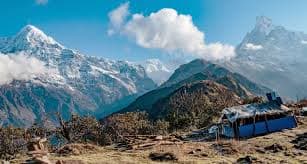
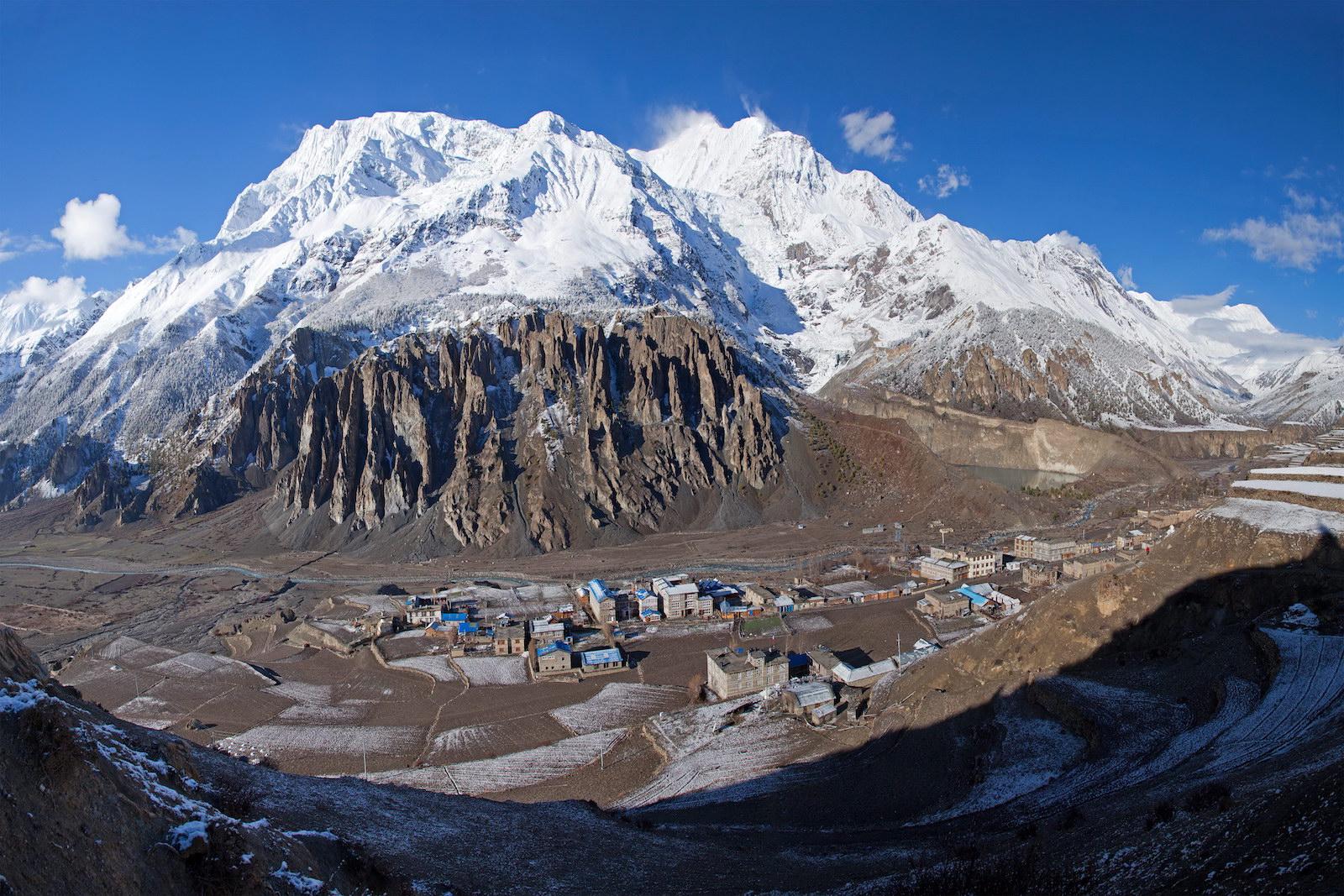
Mardi offers stunning panaromic views of snow-capped peaks and a serene trekking experience.
Overview
Mardi Himal trekking, offered by Himalayan Social Journey, unevils a pristine wildernessin Nepal's Annapurna region. Traversing rugged terrain, the traiil culminates at Mardi Himal Base Camp, offering breathtaking vistas of Mardi Himal, Macchapuchre and Annapurna range. Nature aficionados favor this seculded route for its unspoiled beauty amidst the Annapurna's splendor.
Mardi Himal treks offers a captivating journey through enchanting rhododendron forests and encountres with diverse ethnic communities, unveiling their rich way of life. Tucked away in the Annapurna region, this trek unevils picturesque villages adorned with winding roads, natural waterfalls, lush trees and terraced landscapes,. March and April,in particular present an exquisite spectacle as the hills are adorned with blooming rhododendrons, creating breathtaking vistas that truly captivate the senses.
Highlights
- Moderate trek in the majestic Himalaya Annapurna's foothill
- Stunning View Mount Dhaulagiri (8,167m) and Annapurna I ranges (8,091m)
- Trek through Rhododendron and Oak Forest
- Makes a terrific gift to the adventure-seeking person in your life
- Experienced local guide bestows knowledge on Nepali culture and traditions
Journey
Mardi Himal Trekking commences from Pokhara after our flight or drive from Kathmandu to Pokhara. Our first trek is to the Low Camp. From there, we hike all the way up to the High Camp of magnificent Mardi Himal through lush rhododendron and beautiful terraced fields and settlements. Our 5-6 hours climb takes us to Mardi Himal Base Camp from where we can witness mighty Mardi Himal, alluring Machhapuchhre, Annapurna South, Gangapurna, Himchuli, and many other snow-fed peaks in the skyline.
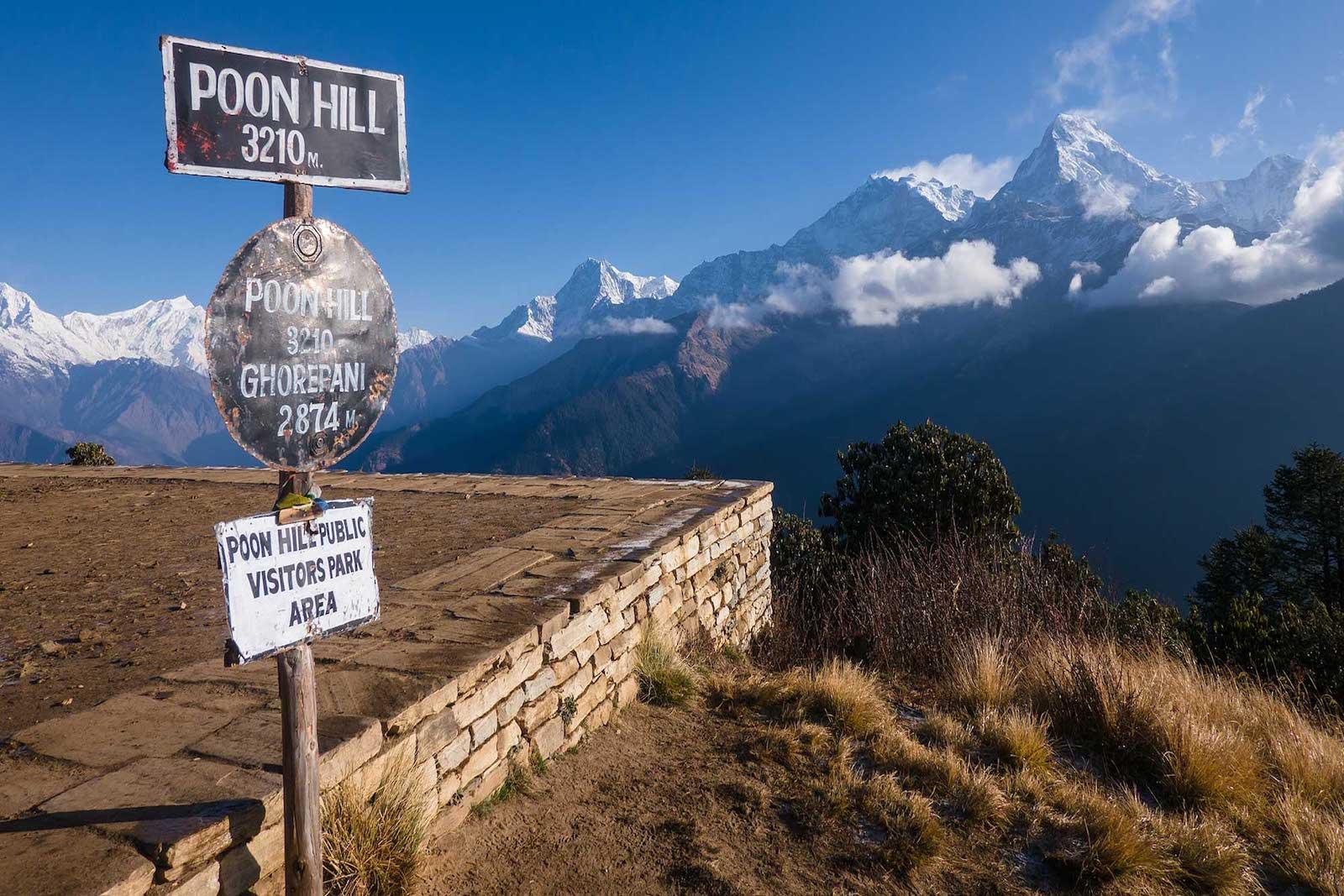
To drive from Pokhara to Pothana, we typically follow the Prithivi Highway until reaching the village of Phedi. From Phedi, we'll need to take a smaller road that leads up to Dhampus, and then to Pothana. It's a scenic route with beautiful views of the Annapurna range.
This day provides a steep climb through the Rhododendron, birch, oak, maple, hemlock and daphnia for most of the day, all of which are the high glaciers at a distance from one of the highest Himalaya peaks-South-Annapurna. Occasionally we will get glimpses of the rich wildlife; many of us live in this thick forest, including leopards, goats, monkeys, and many bird species. Trek to Low Camp from the hills, then with its top in form of a fishtail, the holy Machhapuchhre rises before you, its lower sides covered by the Mardi-Himal ridge now evident as a mountain different from the Fishtail range.
We will start on the Mardi Himal top, leaving the Badal Danda, for 4-5 hours walking. We walk incredibly high to Mardi's edge with a magnificent view of the Mardi Himal and the Machapuchhre. After 1.5 hours we can get to the Middle Camp via Rhododendron timberlands. The tree lines tend to be narrower and the field is mostly made up of shrubs with restricted pathway rhododendron. We can also see "Daphne" (National bird of Nepal) on our way to a camp if you are lucky enough. We're heading up to the high house, the last target of the day.
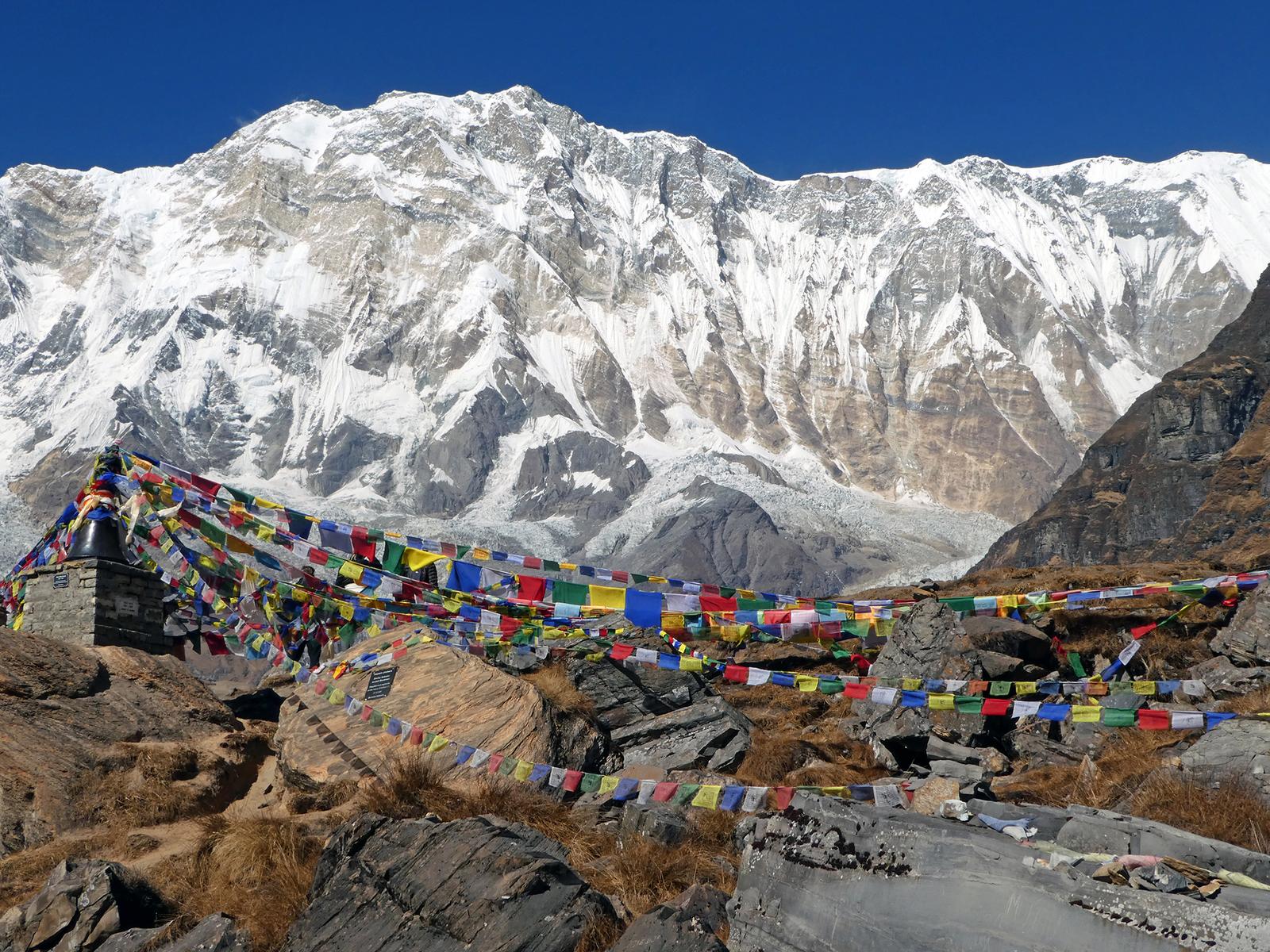
We walk towards the View Point at the beginning of the day early in the morning leading to our main destination-the Mardi Base Camp-at last. The Mardi Base Camp takes about 5 hours. At the base camp, we will enjoy the breathtaking scenery of the tropical flora and fauna and snowy mountains. We are going to spend some time visiting the glamorous Himalayas and the mountainous mountains and then, trek back to Badal Danda.
We will spend some time there exploring the gleaming Himalayas and snowy landscape. After spending some great time enjoying the beautiful scenes of Himalayas and capturing some beautiful memories and trek to Siding Village or Kalimati approx. 5 hrs (1,885 m). A very steep and dangerous drop takes 4 hours on the road. The rough trail takes you to the beautiful traditional Siding village where you spend the night.
The drive back to Pokhara from Siding village offers stunning natural scenery, with the lush greenery of the hillsides, the serene lakes and the majestic mountains.We will pass through picturesque landscapes, ,quaint villages, and possibly encounter local wildlife along the way. Be sure to take time to soak in the beauty of the surroundings and may be even make some stops to explore hidden gems along the route.
After breakfast, we'll be prepared to journey back to Kathmandu. The most convenient and fastest way to travel from Pokhra to Kathmandu is by flight, which takes around 25-30 minutes. Alternatively we can take a bus, which typically takes around 6-8 hours depending on the traffic and road conditions.
Tour Route
Follow the journey path
A moderate trek requires you to walk for 5-6 hours a day. Walking at higher levels is physically more demanding, but the rhythm of the walk will vary in compensation. If your health is good, you will complete a moderate trek successfully, with moderate physical fitness and strong determination. Training, particularly the jogging and climbing of stairs, are advised to boost your strength and health several weeks before your arrival. Previous hiking would be an asset, but technical know-how is not necessary.
Mardi Himal Trek is a hiking experience in the teahouse. There are named camps along the route that maintains several tea houses. Teahouses in the mountains are basic dwellings. Although the path is tea houses, it is also a camping adventure that you can do. On the trail, there are only a few tea-houses.
Food on the road to Mardi Himal, like many other trekking experiences in Nepal, has little choice. Although several choices can be found to pick your food, the menu is very short and very similar anywhere. Anywhere. This is also a simple similarity everywhere in the Nepalese mountains.
Choose Dal Bhat, momo, noodles, bread, etc. for a walk in the mountains with energy.
Light and power sockets are also available for charging batteries on a payable basis. Villages without electricity normally use a solar energy for charging lights and batteries.
NTC and Ncell operate in the Mardi Himal Trek in terms of telecommunications infrastructure. However, the functions may not be available in the entire trail, particularly at higher altitudes.
It is important to mention that in all areas of the country, telecommunications coverage will not be reliable. You may be required to wander around in some remote villages to find decent network coverage.
Thanks to poor network coverage, mobile Internet networks are not always secure and reliable. But if the networks are good, NTC and Ncell will use the 3 G services.a
Some tea houses do offer Wi-Fi, although they can charge you a few extra bucks.
Planning to have at least two liters of water when trekking every day is a smart way to start. Filling up water is quick. Taps in, out, or in guesthouses mean that there are plenty of places to fill your bottles and/or your water bladders. This could be where you stay, a lunch stop, or a shared public tap used by locals. Use an efficient sterilization method to make sure your water is safe and not contaminated in any way. Bottled water is available to buy throughout the trek, but we would advise against this for a number of reasons.You do not need them if you use sterilization method. Environment concerns are there and also buying water is expensive up in the mountains.
While trekking to Mardi Himal Base Camp, you will require two different permits — TIMS Card (Trekking Information Management System) and the ACAP permit (Annapurna Conservation Area Project). You do not need any other special authorization to enter this area.
HSJ will arrange the TIMS and Permits for all its clients.
There will be two people accommodated in each room for the duration of the tour. If you prefer private accommodation, you'll find the option for a "single supplement" of USD 100. Important: Please note that during the trek days there are some lodges that may not have sufficient rooms to provide private accommodation. So, even if you purchase a single supplement you will end up sharing a room for some days of the trek.
There is however the option of sharing a room with another solo traveler if you want to avoid supplementary charge. This however depends upon the willingness and comfort of another solo traveler if available.
It’s difficult to give an exact amount of money that you should bring. Costs will vary according to how much you want to spend on shopping and where and what meals (lunch & dinner) you want to eat. Trekkers find that around $15 (for lunch & dinner) a day is reasonable for the trekking days. Only Nepali currency is accepted while on the trek.
As for the tips, A general rule of thumb for tipping is USD 25 for the guide per traveler and USD 25 for porter between two travelers if you are fully satisfied with their service. So we suggest you allocate a minimum of USD 50 for Tipping. This is just a guideline and you may tip whatever / how much you think is appropriate for the services rendered which made your trek a memorable one
For the trek, we'll have one porter for two people as per group size. The porter will carry 12-15 kg per person luggage during the trek. You need to carry your daypack to keep your personal belongings such as wallet, camera, water bottle, dry snack, headlight, gadgets, etc. The safety and security of our porters are prioritized as much as of our guides and customers.
The ideal time to go trekking in Annapurna region is from September to November. In general, the weather is dry and clear, with warm sunny days and excellent visibility. Spring during March-April-May is also considered the best time for this trek. At this time of year, there is a reduced incidence of weather-related natural disasters, making the trekking climate much safer. Moreover, given that it's the best season, it's also the busiest. If you like less populated trails with better visibility, December, January and February are also good time for the trek with some basic precautions looking out for cold weather.
List of Equipments you will need for trek
Clothing
- Trekking boots
- Short-sleeved Trekking shirts
- Trekking pants and jackets
- Thermals underwear
- Long-sleeved Trekking shirts
- Insulating down jackets
- Woolen cap
- Trekking Gloves
- Raincoats
First Aid
- Diamox tablets
- Sanitary pads / Tampons
- Anti-nausea Medicines
- Band-aids
- Mosquito and insect repellents
Toiletries
- Soap
- Toilet Paper
- Shampoo
- Sunscreen
- Moisturizer
- Hand sanitizer
- Face Mask ( Disposable and surgical)
Accessories
- Sunglasses
- Sleeping bag (HSJ will provide sleeping bags and duffel bags which have to be returned)
- Cameras
- Batteries
- Water Bottle
- Solar Chargers
- Hot water Thermos
Important Documents
- Passport
- Travel Permits
Our local Nepali team is one of the most experienced and respected trekking outfits in Nepal. The team is fully licensed and affiliated with the Trekking agency's Association of Nepal (TAAN), Nepal Mountaineering Association, Nepal Tourism Board, Government of Nepal, Sustainable Tourism Network, Himalayan Rescue Association, and Kathmandu Environmental Educational Project. With experience, well trained, friendly guides, and courteous porters you are assured of your complete safety and wonderfully memorable experiences.
Travel insurance & rescue when travelling to a remote destination like Nepal is strongly advised. It should provide adequate protection for the full duration of the tour. Your insurance policy must cover all the activities that you will be undertaking during your stay in Nepal such as helicopter rescue, cancellation, air ambulance, injury, death, lost baggage, theft, liability, medical treatment, and cover repatriation and personal expenses. If a client becomes ill, all hospital expenses, doctors’ fees, and repatriation costs are the client’s responsibility. For the reliable travel insurance, we have the suggestion of some of the best insurance companies: QBE Insurance or Europe assistance or World Nomads or Travel Direct- TID . We have an agreement with Helicopter Company to do the payment of Helicopter evacuation after we collect the payment with you once you have been rescued. And the reimbursement responsibility from your insurance company will go up to you. Be sure your policy specifically covers helicopter evacuation and does not exclude mountaineering or alpinism.
A moderate trek requires you to walk for 5-6 hours a day. Walking at higher levels is physically more demanding, but the rhythm of the walk will vary in compensation. If your health is good, you will complete a moderate trek successfully, with moderate physical fitness and strong determination. Training, particularly the jogging and climbing of stairs, are advised to boost your strength and health several weeks before your arrival. Previous hiking would be an asset, but technical know-how is not necessary.
Mardi Himal Trek is a hiking experience in the teahouse. There are named camps along the route that maintains several tea houses. Teahouses in the mountains are basic dwellings. Although the path is tea houses, it is also a camping adventure that you can do. On the trail, there are only a few tea-houses.
Food on the road to Mardi Himal, like many other trekking experiences in Nepal, has little choice. Although several choices can be found to pick your food, the menu is very short and very similar anywhere. Anywhere. This is also a simple similarity everywhere in the Nepalese mountains.
Choose Dal Bhat, momo, noodles, bread, etc. for a walk in the mountains with energy.
Light and power sockets are also available for charging batteries on a payable basis. Villages without electricity normally use a solar energy for charging lights and batteries.
NTC and Ncell operate in the Mardi Himal Trek in terms of telecommunications infrastructure. However, the functions may not be available in the entire trail, particularly at higher altitudes.
It is important to mention that in all areas of the country, telecommunications coverage will not be reliable. You may be required to wander around in some remote villages to find decent network coverage.
Thanks to poor network coverage, mobile Internet networks are not always secure and reliable. But if the networks are good, NTC and Ncell will use the 3 G services.a
Some tea houses do offer Wi-Fi, although they can charge you a few extra bucks.
Planning to have at least two liters of water when trekking every day is a smart way to start. Filling up water is quick. Taps in, out, or in guesthouses mean that there are plenty of places to fill your bottles and/or your water bladders. This could be where you stay, a lunch stop, or a shared public tap used by locals. Use an efficient sterilization method to make sure your water is safe and not contaminated in any way. Bottled water is available to buy throughout the trek, but we would advise against this for a number of reasons.You do not need them if you use sterilization method. Environment concerns are there and also buying water is expensive up in the mountains.
While trekking to Mardi Himal Base Camp, you will require two different permits — TIMS Card (Trekking Information Management System) and the ACAP permit (Annapurna Conservation Area Project). You do not need any other special authorization to enter this area.
HSJ will arrange the TIMS and Permits for all its clients.
There will be two people accommodated in each room for the duration of the tour. If you prefer private accommodation, you'll find the option for a "single supplement" of USD 100. Important: Please note that during the trek days there are some lodges that may not have sufficient rooms to provide private accommodation. So, even if you purchase a single supplement you will end up sharing a room for some days of the trek.
There is however the option of sharing a room with another solo traveler if you want to avoid supplementary charge. This however depends upon the willingness and comfort of another solo traveler if available.
It’s difficult to give an exact amount of money that you should bring. Costs will vary according to how much you want to spend on shopping and where and what meals (lunch & dinner) you want to eat. Trekkers find that around $15 (for lunch & dinner) a day is reasonable for the trekking days. Only Nepali currency is accepted while on the trek.
As for the tips, A general rule of thumb for tipping is USD 25 for the guide per traveler and USD 25 for porter between two travelers if you are fully satisfied with their service. So we suggest you allocate a minimum of USD 50 for Tipping. This is just a guideline and you may tip whatever / how much you think is appropriate for the services rendered which made your trek a memorable one
For the trek, we'll have one porter for two people as per group size. The porter will carry 12-15 kg per person luggage during the trek. You need to carry your daypack to keep your personal belongings such as wallet, camera, water bottle, dry snack, headlight, gadgets, etc. The safety and security of our porters are prioritized as much as of our guides and customers.
The ideal time to go trekking in Annapurna region is from September to November. In general, the weather is dry and clear, with warm sunny days and excellent visibility. Spring during March-April-May is also considered the best time for this trek. At this time of year, there is a reduced incidence of weather-related natural disasters, making the trekking climate much safer. Moreover, given that it's the best season, it's also the busiest. If you like less populated trails with better visibility, December, January and February are also good time for the trek with some basic precautions looking out for cold weather.
List of Equipments you will need for trek
Clothing
- Trekking boots
- Short-sleeved Trekking shirts
- Trekking pants and jackets
- Thermals underwear
- Long-sleeved Trekking shirts
- Insulating down jackets
- Woolen cap
- Trekking Gloves
- Raincoats
First Aid
- Diamox tablets
- Sanitary pads / Tampons
- Anti-nausea Medicines
- Band-aids
- Mosquito and insect repellents
Toiletries
- Soap
- Toilet Paper
- Shampoo
- Sunscreen
- Moisturizer
- Hand sanitizer
- Face Mask ( Disposable and surgical)
Accessories
- Sunglasses
- Sleeping bag (HSJ will provide sleeping bags and duffel bags which have to be returned)
- Cameras
- Batteries
- Water Bottle
- Solar Chargers
- Hot water Thermos
Important Documents
- Passport
- Travel Permits
Our local Nepali team is one of the most experienced and respected trekking outfits in Nepal. The team is fully licensed and affiliated with the Trekking agency's Association of Nepal (TAAN), Nepal Mountaineering Association, Nepal Tourism Board, Government of Nepal, Sustainable Tourism Network, Himalayan Rescue Association, and Kathmandu Environmental Educational Project. With experience, well trained, friendly guides, and courteous porters you are assured of your complete safety and wonderfully memorable experiences.
Travel insurance & rescue when travelling to a remote destination like Nepal is strongly advised. It should provide adequate protection for the full duration of the tour. Your insurance policy must cover all the activities that you will be undertaking during your stay in Nepal such as helicopter rescue, cancellation, air ambulance, injury, death, lost baggage, theft, liability, medical treatment, and cover repatriation and personal expenses. If a client becomes ill, all hospital expenses, doctors’ fees, and repatriation costs are the client’s responsibility. For the reliable travel insurance, we have the suggestion of some of the best insurance companies: QBE Insurance or Europe assistance or World Nomads or Travel Direct- TID . We have an agreement with Helicopter Company to do the payment of Helicopter evacuation after we collect the payment with you once you have been rescued. And the reimbursement responsibility from your insurance company will go up to you. Be sure your policy specifically covers helicopter evacuation and does not exclude mountaineering or alpinism.