Lower Dolpo Trek
Trip Overview
Day-by-Day Itinerary
Your arrival to Tribhuwan International Airport and meeting Himalayan Social Journey's representative who will transfer you to the hotel.
Accommodation: Himalayan Suite Hotel
Meal: Dinner
Activities: Welcome dinner and Orientation
After breakfast, our guide will take you to different attractions of Kathmandu Valley. Today, you will visit, Swayambhunath, Boudhanath, Pashupatinath and Patan Durbar Square. (B) Overnight at Himalayan Suite Hotel. (B)
Accommodation: Himalayan Suite Hotel
Meal: Breakfast
Activity: Kathmandu Sightseeing Tour
We transport to the southwest region of Nepal to Nepalgunj. It is a long flight of around an hour and we arrive late afternoon or midday there. The weather is very hot in the south of Nepal. We will spend the remainder of the evening exploring the area, including the Bageshwori temple, one of Nepalese 's largest Hindu temples.
Accommodation: Hotel
Meal: Breakfast, Lunch and dinner
Activity: fly -1 Hour
Altitude: 150m
From Nepalgunj it is about 35 minute Flight to Juphal then we begin to trek towards Dunai which is around 3 and a half hours away.
Accommodation: Camping
Meal: Breakfast, Lunch and dinner
Activity: 35 min flight and 3.5 hours trek
Altitude: 2090m
It continues from Dunai to Tarakot, called locally as Dzong for its hilltop stronghold, along the banks of Barbung Khola. It's a smooth road. The Tarakot villagers speak Kaike, a special tongue, but have not spoken anywhere. We 're staying in Tarakot for the night.
Accommodation: Camping
Meal: Breakfast, Lunch and dinner
Activity: 5-6 Hours Trek
Altitude: 2850m
You cross the high suspension bridge at 2560 m after a few ups and downs. Right over the bridge you see Tarap Chu joining the Barbung Khola and then reaching Khanigaon, the town with Gompa.
Accommodation: Camping
Meal: Breakfast, Lunch and dinner
Activity: 5-6 Hours Trek
Altitude: 2543m
We walk to the treeline just above. We may see blue sheep herds. By afternoon, we reach the Tarap Chu crossroads and Lang Khola. We've built our camp here. Kamakharka (3,800 m), this area is also called, spending the night.
Accommodation: Camping
Meal: Breakfast, Lunch and dinner
Activity: 4-5 Hours Trek
Altitude: 3450m
Yak Kharka is a large, green area, named Yak Kharka because it is named Yak Kharka, because people who came with their Yak for the business that they used to live.
Accommodation: Camping
Meal: Breakfast, Lunch and dinner
Activity: Trek 4-5 Hours
Altitude: 3800m
It is an easy and often used trail. A lot of Mani Walls and ancient Chortens will pass through. In the village of Dho Tarap, there is a French School. The Dho village, which consists of approximately 24 houses is surrounded by uneven stone walls. There are people both Bonpo and Buddhist sect. We 're going to Buddhist Gompa to visit the lama who lives in it. He's going to show his monastery and even show you his private Gompa and his own Thangkas.
Accommodation: Camping
Meal: Breakfast, Lunch and dinner
Activity: Trek 5-6 Hours
Altitude: 4090m
We will spend the day with Dho Tarap exploring. You may also communicate with the Dolpo people. The village comprises Bonpo and Nyingmapa Buddhists alike. The Buddhist Gompa can be located in the area and Bon Gompa is 40 minutes away.
Accommodation: Camping
Meal: Breakfast, Lunch and dinner
Activity: Rest day
Altitude: 4090m
The Jeng La Pass must be crossed at 4850 m to reach Tokyo Gaon. It takes us about 2 hours of tough climbing to reach the top of the Jeng La. but we have amazing views of the Dhaulagiri mountain, and more peaks then descend in the direction of the Tarap Valley. The Tarap is a lovely valley that extends twenty kilometers along Tarap Chu River and has many plants in high mountains.
Accommodation: Camping
Meal: Breakfast, Lunch and dinner
Activity: 5-6 Hours
Altitude: 4209m
Today we cross Pass Numala and go down to Poyon khola until we reach Camp Bagala with large glaciers and rock-skulls. In the evening, we rest in the village of Pelungtang, surrounded by mountains with temporary homes, yak pasture and terraces. The Himal of Norbukang glows beyond.
Accommodation: Camping
Meal: Breakfast, Lunch and dinner
Activity: 5-6 Hours
Altitude: 5190m
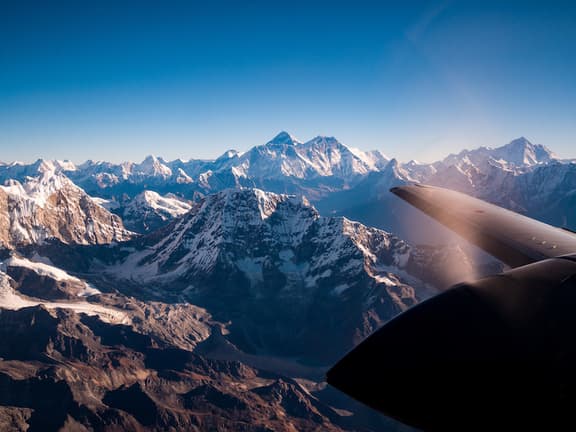
On a clear day you will see the Shey Shikar (6,139 m), Kenjeralwa and Dhaulagiri I (8,169 m). The path is a long and crossed stream and it leads along the moraine to Numa La (5,318 m). Stay off the pass and head down to Bang La. Overnight in the camp
Accommodation: Camping
Meal: Breakfast, Lunch and dinner
Activity: 5-6 Hours
Altitude: 5190m
After early morning breakfast we will cross Baga La (5,070m/16,630ft) and camp on the other side of the Phedi (4,470m/14,662ft) Overnight at camp.
Accommodation: Camping
Meal: Breakfast, Lunch and dinner
Activity: 5-6 Hours
Altitude: 4470m
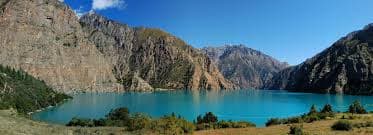
The track continues down to the meadow and down to the yak field into the forest. Continue on the high cliffside path through more wetlands, woodland and yak pastures, then head up to a ridge at 3780 m. The massive waterfall of Lake Phoksundo has a clear look of the gorge. So the route goes down through a white pine forest to the shore of the Phoksundo Sea and enters ringmo (3600 m).
Accommodation: Camping
Meal: Breakfast, Lunch and dinner
Activity: 5-6 Hours
Altitude: 3600m
Accommodation: Camping
Meal: Breakfast, Lunch and dinner
Activity: Rest day at Ringmo
Altitude: 3600m
Savor the views of fluttering prayer flags, cascading waterfalls, and lush vegetation on the way to uphill along the narrow trail brings you to the village of Chhepka.
Accommodation: Camping
Meal: Breakfast, Lunch and dinner
Activity: Trek 5-6hours
Altitude: 2260m
After breakfast, retrace the trail to Juphal through beautiful forests, fields, and villages.
Accommodation: Camping
Meal: Breakfast, Lunch and dinner
Activity: Trek 6-7 hours
Altitude: 2260m
We take a flight from Jhupal to Nepalgunj. On reaching Nepalgunj, we return to Kathmandu (drive/flight)
Accommodation: Hotel
Meal: Breakfast, Lunch
Activity: Drive/fly
Take a free day in Kathmandu. Relax your muscles with our spa services, stroll around the hotel area or do some shopping.
Accommodation: Hotel
Meal: Breakfast,
Activity: Easy Rest Day
Today is your final day in Nepal. Our representative will come to pick you up for your transfer to the Airport.
Meal: Breakfast
What’s Included
Frequently Asked Questions
The Lower Dolpo Trek is rated as a mild climb. This walk is suitable for both seasoned and beginners. It can be very challenging and complicated if this is your first journey. But it's pretty easy if you've been trekking before.
In a remote area of the Dolpo district you will trekk. On this trek, you will take steep and uneven uphill and downhill walks. That's going to be very difficult for beginners. But you can solve this issue with proper physical exercise.
Please Take Notice of this being Camping Trek.
Lower Dolpo is one of the most isolated parts of Nepal, where there is no means of transportation and communication. The trail is also not developed like other trekking region and has very limited teahouses. the rooms will be basic where available and while camping, food will be prepared in a camp kitchen, while guides and porters ensure that necessary provisions are carried to prepare high-energy, nutritious and tasty food.
The Dolpo region is so remote and at the high altitude that it is almost impossible to find wifi connection. There are local operators that operates phone networks that still may not be very reliable. You would have to go without proper communication and internet connection there and that may be what you would be wanting to enjoy in the first place if you are choosing to trek these isolated mountains.
Since this is not a common trek, all the villages aren't equipped with the amenities you may need. You 'd better bring your cameras and phones along with the solar charging.
This being entirely camping trek, sufficient amount of water would be needed to carried all the way. Filling up water is quick. Taps in, out or in guesthouses mean that there are plenty of places to fill your bottles and/or your water bladders.This could be where you stay, a lunch stop, or a shared public tap used by locals whereever possible. Use an efficient sterilization method to make sure your water is safe and not contaminated in anyway.
It's a restricted zone that requires special permits to access the district Dolpa for trekkers traveling in the Lower Dolpo. Trekking in Lower Dolpo also requires to obtain permission from Shey Phoksundo National Park. To receive special trekking licenses available from the Ministry of Immigration, a party of two individuals is mandatory.
This permit will cost $20 per person per week on Lower Dolpo Trek. Then the trekkers will need 5 US dollars per person a week. Similarly, the license would cost US $27 (Rs.3000) per person for Shey Phoksundo National Park. In the Dolpo except for the national park, a trekking permit is not provided. HSJ will arrange for your trekking permits.
Travel insurance & rescue when travelling to a remote destination like Nepal is strongly advised. It should provide adequate protection for the full duration of the tour. Your insurance policy must cover all the activities that you will be undertaking during your stay in Nepal such as helicopter rescue, cancellation, air ambulance, injury, death, lost baggage, theft, liability, medical treatment, and cover repatriation and personal expenses. If a client becomes ill, all hospital expenses, doctors’ fees, and repatriation costs are the client’s responsibility. For the reliable travel insurance, we have the suggestion of some of the best insurance companies: Cover more or Europe assistance or Travel Direct- TID . We have an agreement with Helicopter Company to do the payment of Helicopter evacuation after we collect the payment with you once you have been rescued. And the reimbursement responsibility from your insurance company will go up to you. Be sure your policy specifically covers helicopter evacuation and does not exclude mountaineering or alpinism.
Often this depends on the trek and the maximum altitude gain. Each porter carries between 15 and 30 kg on average in the mountain region for trekking. There is up to 40 kg of a camping pack. We usually assign one porter to our two trekkers. 15 kg of luggage is allowed per person on the trek. The health of our porter crew is strictly guaranteed.
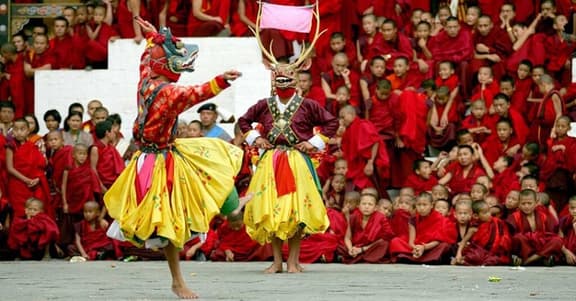
The best season for Lower Dolpo Trek is Monsoon (June to September). Since the whole country is in the rain shadow, this part of Nepal does not have too little rain. In addition, in these months, a well-known festival called Tiji takes place, which attracts many visitors. Spring and fall are also a good opportunity to walk on the Lower Dolpo Trek.
Clothing
· Trekking boots
· Short-sleeved Trekking shirts
· Trekking pants and jackets
· Thermals underwear
· Long-sleeved Trekking shirts
· Insulating down jackets
· Woolen cap
· Trekking Gloves
· Raincoats
First Aid
· Diamox tablets
· Sanitary pads / Tampons
· Anti-nausea Medicines
· Band-aids
· Mosquito and insect repellents
Toiletries
· Soap
· Toilet Paper
· Shampoo
· Sunscreen
· Moisturizer
· Hand sanitizer
Accessories
· Sunglasses
· Sleeping bag
· Cameras
· Batteries
· Water Bottle
· Solar Chargers
· Hot water Thermos
Important Documents
· Passport
· Travel Permits
HSJ provides Duffel bags, Sleeping Bags, and tents for this trek. You will have to get trekking poles yourselves or our guide will assist you to buy them in Kathmandu.
Traveler Stories
Traveler Reviews
Really excellent day! Rajan was my tour guide and he was excellent. Explained every historical site and the background behind it and was very informative the whole day. He made sure I was ok always, gave good reccomendations for delicious food and we got to sp…
We really enjoyed our tour of the 7 UNESCO sites today. Dipendra was very informative and told us all about the history and fascinating facts of the many temples we visited. This is a full day trip and I would recommend it to anyone visiting Kathmandu.
A great way to see all of the important sites in Kathmandu in just one day! The guide, Dipendra was great! Informative and funny!
Dioendra our guide was terrific!!! Professional, punctual, very knowledgeable We visit 7 UNESCO sites and spend several hours knowing the fascinating and magical Nepalese culture…. Wonderful time !!! Highly recommended this tour with Dioendra!!
Compare Similar Experiences