Highlights

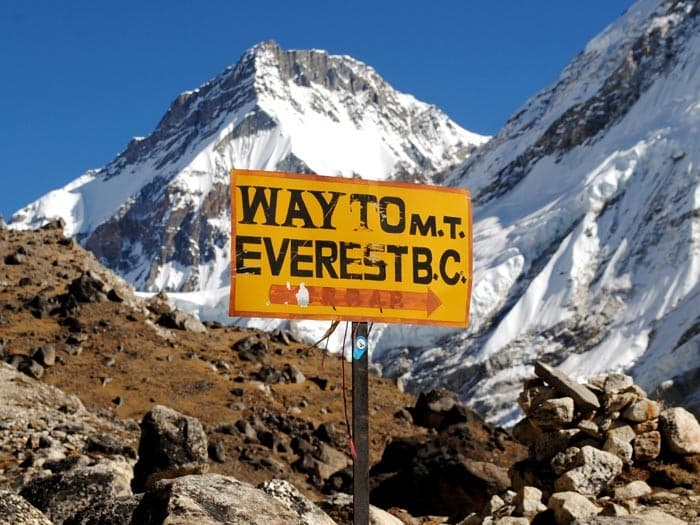
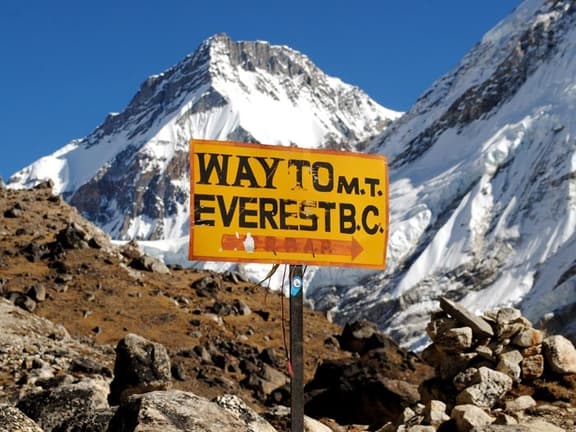
  • Experience the exhilaration of trekking to Everest Base Camp.
  • Trek up to 5545m through spectacular scenery.
  • Informative guides to uncovering the history of mystical sights
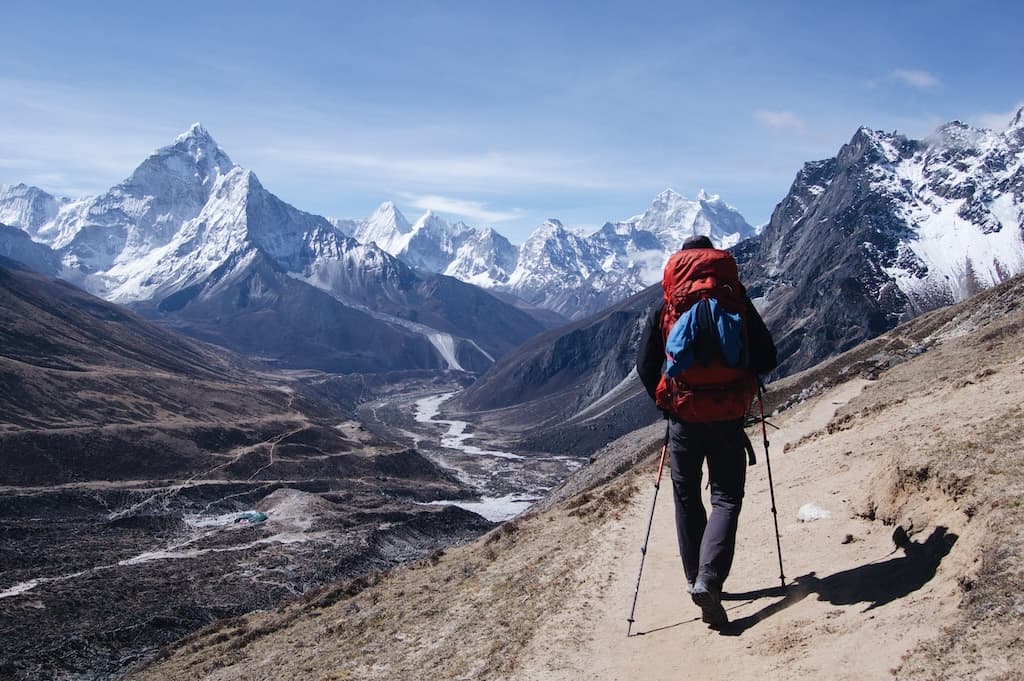
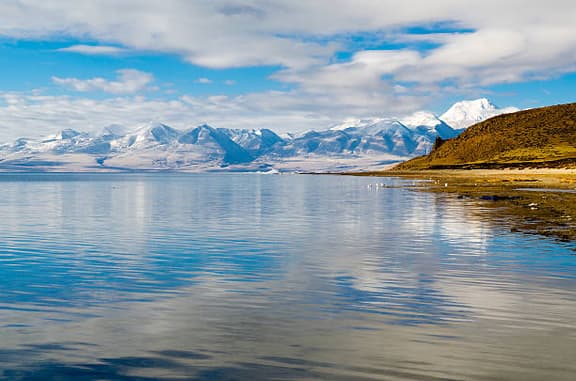
  • Breathtaking views of the Everest region
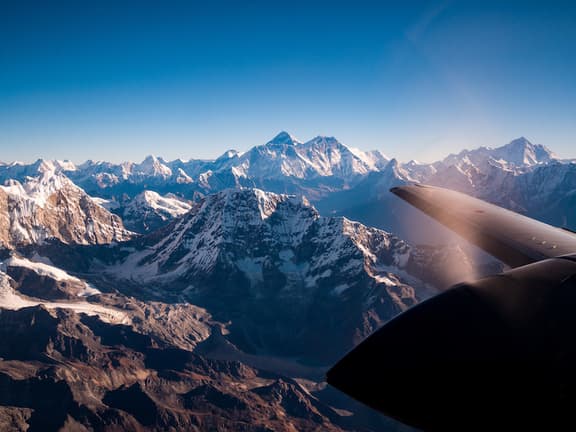
  • Everest, Lhotse, Nuptse, Changtse, Ama Dablam, and scores of other lesser crests seen from a peaked vantage point
  • Suitable for people aged over 12 and below 75
  • A guided tour of Kathmandu’s ancient temples
  • Last night stay in Kathmandu, with buffet breakfast, dinner, and spa treatments
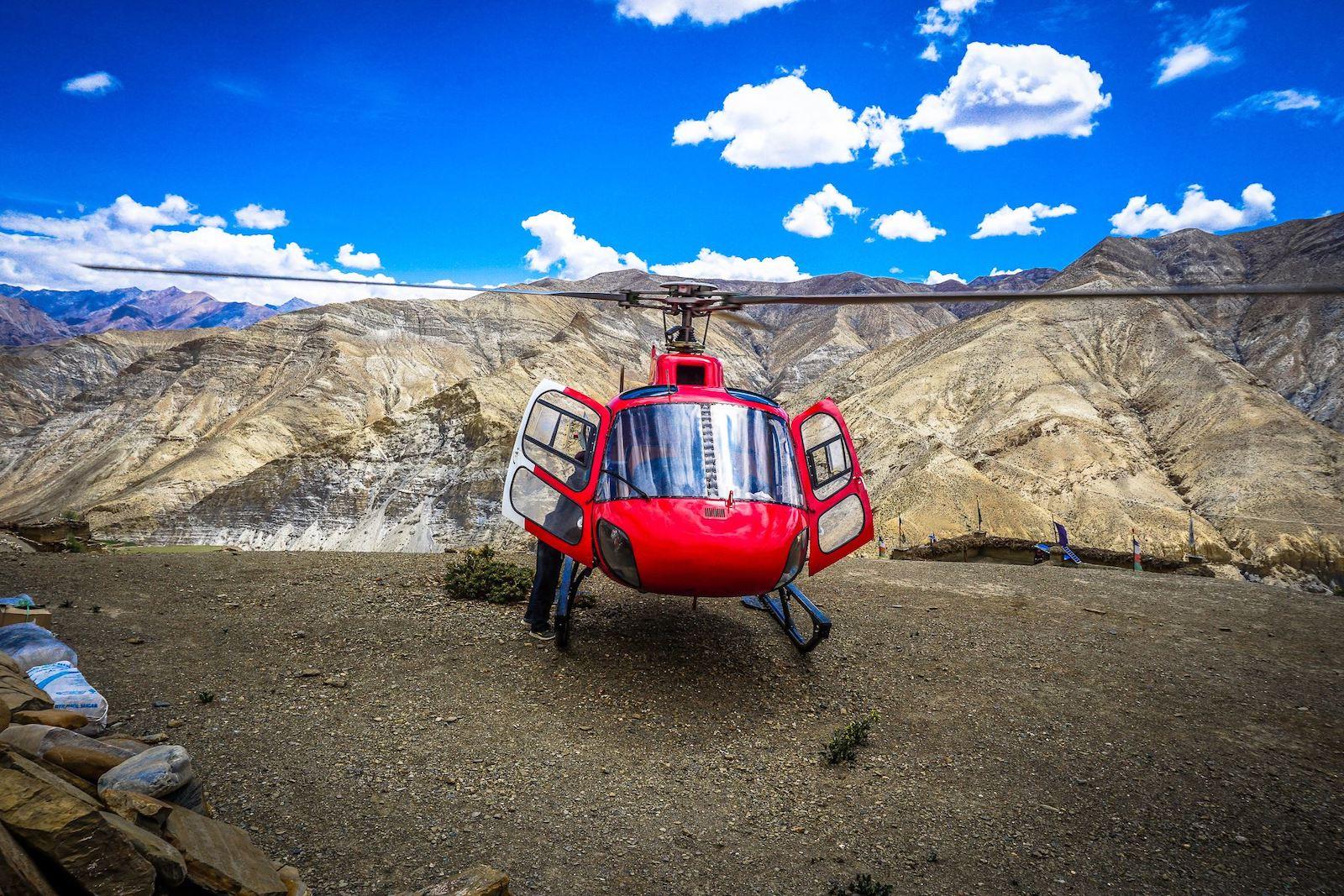
  • Lifetime Experience on a thrilling helicopter ride from Pheriche to Lukla.

Overview

The Himalayan Social Journey offers a luxurious alternative for travelers interested in a trip to Everest Base Camp called "A Luxury Trip to Everest Base Camp with Heli Flight." This option is designed for those who cannot allocate the full 16 days or prefer not to trek back along the same trail. Many Everest Base Camp trekkers express a desire for an alternative return route. Thus, this 12-day luxury trek with a helicopter ride from Pheriche to Lukla is offered as a solution. Why spend 14 days when the same trip can be completed in 12?

With this luxury trip, travelers can avoid the hassle of descending along the same trail while still enjoying the astonishing mountains, flora, and fauna of Sagarmatha National Park. The highlight of the journey is the helicopter ride, which takes you above the Everest Mountain Range, providing a breathtaking experience. Suspended in awe above the mountain peaks, you will feel a sense of divinity as your breath and blood momentarily stop. This trip is a must-do for anyone visiting Nepal.

Optional: For all the helicopter enthusiasts, you now have the option to take a luxurious and adventurous helicopter flight from Kathmandu to Lukla and back from Lukla to Kathmandu by paying an extra USD 350 PP one way. With this, you no longer have to worry about flights being delayed or canceled, which can happen every now and then due to bad weather.

Journey

Our Everest Base Camp Trek with Luxury Heli ride back to Lukla starts with a touring voyage through the chronicled and social landmarks in Kathmandu—the sanctuaries, holy places, gompas, stupas, bazaars, boulevards, and landmarks. The following day, head for an intriguing mountain trip to Hillary Airport at Lukla, likewise highlighted in the National Geographic. Further, it will be a precarious rise to Namche Bazaar, the capital of the Sherpas, where we are welcomed by terrific mountain vistas. We proceed with our trek, following the trail to an acclaimed vantage point, Kala Patthar, which offers a wonderful 360-degree display of the Himalayas. In the wake of accomplishing our objective of Everest Base Camp, we fly down from Pheriche to Lukla on a helicopter for an arrival trip to Kathmandu.

Detailed Itinerary


Upon your arrival in Kathmandu, our representative will meet you at Tribhuvan International Airport, extend a warm welcome, and transfer to your hotel. Take advantage of this day to adjust to the new time zone and immerse yourself in the lively atmosphere of Kathmandu. Orientation Program will be at 5 PM. After orientation program welcome dinner with guide.


Today is the beginning of your journey to Everest Base Camp Trek. You will take early flight to Lukla. Upon reaching Lukla enjoy the stunning mountain views. Start your Everest Base Camp trek to Phakding, descending through pine forests and picturesque Sherpa villages. Reach the delightful village of Phakding and settle into a tea house for the night. Make the most of the remaining daylight to explore Phakding. Wrap up your day with a satisfying dinner at the tea house.


Today's trek takes you further into the heart of the Khumbu region as you ascend along the Dudh Koshi River. Start your trek after breakfast, crossing suspension bridges and journeying through pine forests. Pass through the small check point of Monjo, verification of  your entry into Sagarmatha National Park. Keep trekking alongside the Dudh Koshi River, passing through the village of Jorsalle. Commence the challenging ascent to Namche Bazaar after crossing Tenzing Hillary Suspension Bridge, featuring a steep climb with breathtaking views of Thamserku, Everest, and other peaks. Reach Namche Bazaar, a bustling market town and the commercial hub of the Khumbu region. Check into a tea house for your stay.


Acclimatization is vital for a successful trek to Everest Base Camp, and Namche Bazaar serves as an ideal spot for this purpose. Today is designated for relaxation and exploration, enabling your body to adapt to the higher altitude. Take a short hike to Everest View Hotel for better acclimatization. Explore Namche Bazaar and the Sherpa Museum in the afternoon. Stay hydrated by drinking lots of fluids. Have a taste of local Sherpa cuisine for dinner. Ensure a good night's sleep by going to bed early.


 Today trek takes you deeper into the Khumbu region, passing through picturesque landscapes and traditional Sherpa villages. You'll continue your ascent, reaching the village of Deboche, known for its serene monasteries and breathtaking views. Embark on your trek after breakfast from Namche Bazaar to Tengboche, trek uphill for panoramic views of Everest, Lhotse, and Ama Dablam, explore the peaceful Tengboche Monastery upon arrival, then move towards Deboche, cross the Imja River, and finally, check into a tea house for your overnight stay in Deboche.


After staying overnight in Deboche, we head to Dingboche in the morning. The Everest Base Camp trek continues through the alpine forest to Deboche, where you cross Imja Khola (River) using a suspension bridge. 

Later in the day, you'll enjoy a stunning view of Ama Dablam. You will climb to the village of Pangboche and follow the trail to Imja Valley. Finally, Reach Dingboche and check into a tea house in Dingboche for your overnight stay.


Acclimatization is essential for a safe and enjoyable trek at higher altitudes. Today is all about resting and exploring Dingboche, helping your body adapt to the rising elevation and getting you ready for the upcoming challenges. Start your day with a breakfast. For additional acclimatization, hike to Nangkartshang Peak, which provides views of Makalu, Lhotse, Cholatse, Tawache, and Ama Dablam. Stay hydrated, take it easy, read, or enjoy light activities during the day, then have dinner at the tea house.


As you trek from Dingboche to Lobuche, you get closer to the Everest Base Camp. The landscape becomes rougher, and the air gets thinner as you travel through the high-altitude terrain. Begin the day with breakfast, get ready for the trek, ascend towards Thukla Pass to enjoy panoramic views of Pumori and Nuptse, take a lunch break in Thukla, continue trekking towards Lobuche. Check into a tea house for your overnight stay, and have dinner and sleep.


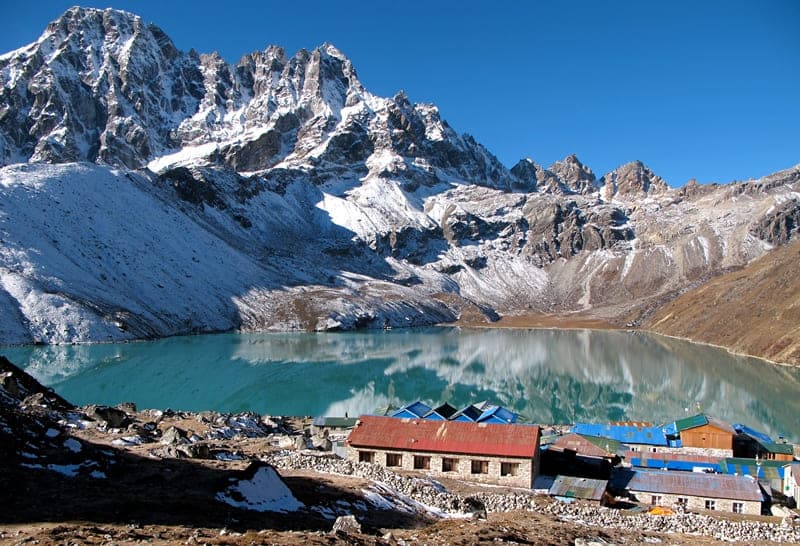
Today is an important day as you finally reach Everest Base Camp. Start your morning trek after a filling breakfast in Lobuche, navigate rocky terrain as you ascend to Gorakshep, the last settlement before Everest Base Camp luxury trek. Check into the tea house for a quick lunch, then embark on the journey to Everest Base Camp through the Khumbu Glacier. Take time to capture memories with photographs at this incredible spot. After enjoying the Everest Base Camp luxury trek experience, trek back to Gorakshep, have dinner at the tea house in Gorak Shep, and rest early.


Begin your day early to catch a stunning sunrise over the Himalayas at Kala Pathar and spend time taking photographs. Afterward, descend from Kala Patthar to Gorakshep, trek back down towards Pheriche. From Pheriche, take a shared helicopter ride to Lukla. Spend the evening resting and enjoying your dinner at the tea house in Lukla.


Take a morning flight from Lukla to Kathmandu. Once you land at the airport, you'll be transferred to the hotel. Please note that flight operations are solely determined by the airline and may be influenced by the weather. Explore Kathmandu, enjoy dinner and enjoy your last night in Kathmandu. 


Use your last morning in Kathmandu according to your flight time. Pack your things, check out of the hotel, Head to Tribhuvan International Airport for your departure. Wishing you a safe and pleasant journey back home!

Departures & Availability
Your information is kept confidential and secure
Inclusions/Exclusions
Included
Airport Pickup & drop
Accommodation in Kathmandu at Himalayan Suite Hotel in twin sharing basis including breakfast and dinner
Helicopter escort from Pheriche - Lukla
Accommodation in Luxurious lodge during the trekking days with breakfast (4 nights attached bathroom with hot running shower - Up to Namche )
Highly experienced, licensed and English speaking guide and porters (1 porter for 2 trekkers) or necessary Yaks and their all expenses (Meals, accommodation, insurance, and other expenses of trekking crew)
Welcome and Farewell dinner with a 30-minute complimentary massage on the last day
Sagarmatha National Park permit & trekking entry fees
First Aid Kit
Company T-shirt
Necessary equipment (Sleeping bag and Duffle bags - if necessary)
Domestic Flight KTM-LUA-KTM
Airfare for trekking crew
All government taxes and office expenses
Not Included
Lunch and dinner in Kathmandu and trekking days.
Personal equipment and clothing
International flight ticket (We can help you to book)
Your travel insurance (Compulsory)
Tipping to guide, porter and driver as per your satisfaction
Optional Heli Ride (KTM-LUA-KTM)
Anything that is not mentioned

Tour Route

Follow the journey path

Click to expand full map
Important Information


Our trek will be in a very beautiful part of the Everest region. Expect to trek about 5-7 hours daily, or about 8–12 KMS per day. Since beginners can also join the trip, it is recommended that you prepare for the trek by doing some suitable general training such as climbing hills or stairs, jogging, and spending some time in the gym to improve your stamina for a few months prior to the trek. If you are quite fit and do sufficient training prior to arriving in Nepal, the trek will be enjoyable, and it is suitable for fit people into their early 70's. This trek is the most popular for those wishing to get wonderful views of the Himalayan peaks. The highest altitude we reach is 5545 meters at Kalapatthar, which offers a breathtaking view of many of the world's greatest peaks. It is stunning! Any trekking equipment, such as walking poles, water bottles, and a rucksack, is very easily available in Kathmandu, near our hotel.


To be honest, you don't have to be a runner to enjoy the trek. But the preparation will probably save you a lot of pain and suffering on the trail and help you enjoy your experience there. The suggestions we have for physically preparing are to take good, long, brisk walks, preferably wearing a pack with a similar load that you'll be carrying. Cycling and swimming are also great alternatives, as is just about anything that gets your cardio working. Do some breathing exercises to get more oxygen into your lungs. Watch for signs of altitude sickness; symptoms include headaches, dizziness, sleeplessness, loss of appetite, and breathlessness. Bring a supply of the medication Diamox for treatment; if symptoms persist, descend. Trekking to Everest Base Camp may not be the right trip for everyone, as it is quite a physically demanding experience, and when you combine high altitude with plenty of climbs, you may get a recipe for suffering. But normal, average travelers can do the Everest Base Camp trek.


Travel insurance and rescue when traveling to a remote destination like Nepal are strongly advised. It should provide adequate protection for the full duration of the tour. Your insurance policy must cover all the activities that you will be undertaking during your stay in Nepal, such as helicopter rescue, cancellation, air ambulance, injury, death, lost baggage, theft, liability, medical treatment, and covering repatriation and personal expenses. If a client becomes ill, all hospital expenses, doctors’ fees, and repatriation costs are the client’s responsibility. For reliable travel insurance, we have the suggestions of some of the best insurance companies: Cover more Click or Europe assistance Click or Travel Direct: TID Click. We have an agreement with Helicopter Company to do the payment for helicopter evacuation after we collect the payment from you once you have been rescued. And the reimbursement responsibility from your insurance company will go up to you. Be sure your policy specifically covers helicopter evacuation and does not exclude mountaineering or alpinism.


Most of the tea houses do have western-style flushing toilets. But in higher elevations, you may also find the traditional type of toilet made of either a ceramic basin on the ground or a few planks precariously positioned over a hole in the ground, which is situated outside the room.


You will get the facilities of hot and cold water running with an attached bathroom up to Namche without any extra charges. But above Namche, you will be charged about USD $5 per shower (depending upon the guesthouse) for a hot water shower.


There will be a laundry facility in Kathmandu and Namche.


The maximum weight limit for the Lukla flight is 15 kg, which is equivalent to 33 pounds including your handbag (daypack). If your baggage exceeds the weight limits, additional costs of US $1–$2 per kg will be applicable, and the payment should be made at the airport counter itself.


Depending on when you plan to travel, it's important to have the proper clothes and be prepared for unexpected weather. Fairly well-worn hiking boots and shoes are a must! For tours between November and the first two weeks of March, bring a jacket suitable for -10 degrees Celsius. For tours at other times, please bring a jacket suitable for -3 to -5 degrees Celsius. Otherwise, the daytime weather will tend to be warm or pleasant.


A sleeping bag is necessary during the trekking days, and if you have your own sleeping bag, you can bring it. Otherwise, HSJ will provide you with a sleeping bag during the trek (-10 to -15 degrees).


In Kathmandu, we will be staying at three-star standard hotels like the Himalayan Suite Hotel or a similar quality hotel. You can also choose luxurious accommodation for this trek at the Hotel Aloft, which has a five-star standard. These places come highly recommended, but please don't expect a European standard of hotel. These hotels are good, clean tourist hotels and are of good quality by Nepali standards. On the trek, we'll be staying at simple lodges run by Nepali families. During the trek, the bathrooms are outside the rooms, and hot water is dependent on solar panels, so don't count on many warm showers.


If you wish for better accommodations during the trek, you can upgrade the accommodations in the mountains. The upgrade will be at Mountain Lodges of Nepal in Namche, Phakding, and Lukla. It costs US $250 per night, including breakfast, service charge, and tax.


Most teahouses (lodges) in Everest region trails cook a delicious range of mostly vegetarian fare. Pasta, tuna bakes, noodles, potatoes, eggs, daal bhat (rice and lentils), bread, soup, fresh vegetables (variety depends on the season), and even some desserts like apple pies, pancakes, and some interesting attempts at custard. You will find a lot of garlic on the menu because it assists with acclimatization; eat some every day. In many villages, you may find some meat items on the menu. You can always get hot chocolate, tea, and hot lemon drinks, as well as soft drinks and treats like chocolate and crisps.


The best months for trekking are spring, March, April, and May, as the weather is bright and calm in these months and you can see high mountains with Manaslu full of snow. Spring and May are the best months. Rhododendron is ideal for spring; all the rhododendrons turn into a wonderful garden, and you can see them.

Autumn is another strong season for the Everest tour. The perfect months for trekking after the monsoon in Nepal are September, October, and November. During these months, you have a beautiful view of the Himalayas and their people because you can be part of Nepal's biggest festivals in the fall.


There are two different permits you need to trek to Everest Base Camp. The first is a Trekkers Information Management System (TIMS) permit. This costs USD $10 if you are part of a group or USD $30 if you are trekking independently. You also need two passport photos. HSJ will acquire those permits for you.


Our local Nepali team is one of the most experienced, hospitable, and respected trekking outfits in Nepal. The team is fully licensed and affiliated with the Trekking Agency's Association of Nepal (TAAN), Nepal Mountaineering Association, Nepal Tourism Board, Govt. of Nepal, Sustainable Tourism Network, Himalayan Rescue Association, and Kathmandu Environmental Educational Project. You will be provided with a professional and experienced English-speaking trekking guide with a good knowledge of the place and the trek. The trekking crew is skilled, with over 10 years of experience, a well-trained, friendly guide, and courteous and helpful porters, ensuring a wonderfully memorable experience.


Yes, if you are a solo traveler and to avoid a single supplement surcharge, you can share your room with a solo traveler of the same gender. It, however, depends on the availability of another solo traveler and their willingness to share the room with you.


When you embark on this trek, you will be accompanied by a professional and experienced English-speaking trekking guide who possesses excellent knowledge of the area and the trek itself. Our guides are skilled and have over 10 years of experience leading treks. They are friendly, courteous, and helpful, ensuring that you have a wonderfully memorable experience throughout your journey.


To ensure your comfort during the trek, we maintain a porter-to-people ratio of 1:2, considering the group size. Each porter will carry a maximum of 12–15 kg of luggage per person. While the porters take care of your belongings, you will only need to carry a day pack containing your essentials, such as a wallet, camera, water bottle, dry snacks, a headlight, and other gadgets. We value the safety and well-being of our porters, and it is our collective responsibility to ensure their welfare. We kindly request that you only bring items that are absolutely necessary to reduce their burden.


In addition to the trek itself, we offer various programs and complimentary services to enhance your overall experience.

  • Welcome and Farewell Dinner: To make you feel at home and foster a sense of camaraderie, we arrange welcome and farewell dinners, where you can savor delicious local cuisine while sharing stories with fellow trekkers.


At HSJ, we prioritize your satisfaction and strive to provide a personalized experience. We are your flexible travel partner, catering to your unique preferences. Whether you wish to follow a different route, have extra time in Nepal, or customize the trip according to your specific interests, we have you covered. Our additional add-on tours include options such as the Chitwan Jungle Safari, a cable car ride to Chandragiri Hills, cooking and yoga classes in Kathmandu, and more. Just share your ideas with us, and we will create a complete itinerary tailored to your desires. Moreover, if you prefer different standards of accommodation than those provided in the standard itineraries, we are more than happy to accommodate your requests. From the moment you arrive until your departure, your wishes become our commands. Feel free to make any requests, and we will ensure your utmost satisfaction.


Throughout the tour, two people will be accommodated in each room. If you prefer private accommodation, you have the option to select the "single supplement" for an additional cost of USD 300. However, please note that due to limited room availability in certain lodges along the trek, even with the single supplement, you may have to share a room for a few days.


While we recommend booking in advance, we understand that some circumstances may require last-minute reservations. At Himalayan Social Journey, we strive to accommodate such requests; however, please note that full tour payment is required within 24 hours for last-minute bookings. While we make every effort to operate treks at any time, delays may occur due to unforeseen circumstances such as weather conditions and accommodation availability.


There are two ways to get from Kathmandu to Everest Base Camp.

  • By Bus: Touring to and from city destinations is done on a private vehicle such as a car, jeep or microbus. Luxury tourist buses, which are only hired by the company for the most part, make the long distance travel. You will may have to take a public bus on some trip, but you do not need to worry about your protection or comfort because you ride with our guides and support staff in a group.


  • By air: The flight from Kathmandu to Lukla and back is included in the price. 


A moderate trek requires you to walk 5–6 hours per day with a light day pack. Walking in higher altitudes is more physically demanding than walking in lower altitudes; however, the pace of the trek will vary in compensation. If you are in excellent health with average physical fitness and have strong determination, you will complete a moderate trek successfully. Exercise, particularly jogging and climbing stairs regularly for some weeks prior to your arrival, is recommended to enhance your strength and fitness. Past hiking experience would be an asset, but no technical skill is required.


At Himalayan Social Journey, we value customer feedback and consider it an essential aspect of our journey towards becoming an exceptional travel partner. We have faced both ups and downs along the way, and it is through feedback, both positive and constructive, that we have reached where we are today. During the farewell dinner with our crew at the end of the trek, we kindly request that you share your valuable feedback, including your experiences, recommendations, and honest rating, on our trip advisor page.


The Himalayan Social Journey is committed to providing you with a remarkable trekking experience in the Everest region. With our experienced local team, flexible itineraries, and attention to your needs and preferences, we strive to create memories that will last a lifetime. Choose HSJ as your trusted travel partner and prepare to embark on an extraordinary adventure in the breathtaking Himalayas. Contact us today to start planning your Everest Base Camp Trek.

Frequently Asked Questions


Our trek will be in a very beautiful part of the Everest region. Expect to trek about 5-7 hours daily, or about 8–12 KMS per day. Since beginners can also join the trip, it is recommended that you prepare for the trek by doing some suitable general training such as climbing hills or stairs, jogging, and spending some time in the gym to improve your stamina for a few months prior to the trek. If you are quite fit and do sufficient training prior to arriving in Nepal, the trek will be enjoyable, and it is suitable for fit people into their early 70's. This trek is the most popular for those wishing to get wonderful views of the Himalayan peaks. The highest altitude we reach is 5545 meters at Kalapatthar, which offers a breathtaking view of many of the world's greatest peaks. It is stunning! Any trekking equipment, such as walking poles, water bottles, and a rucksack, is very easily available in Kathmandu, near our hotel.


To be honest, you don't have to be a runner to enjoy the trek. But the preparation will probably save you a lot of pain and suffering on the trail and help you enjoy your experience there. The suggestions we have for physically preparing are to take good, long, brisk walks, preferably wearing a pack with a similar load that you'll be carrying. Cycling and swimming are also great alternatives, as is just about anything that gets your cardio working. Do some breathing exercises to get more oxygen into your lungs. Watch for signs of altitude sickness; symptoms include headaches, dizziness, sleeplessness, loss of appetite, and breathlessness. Bring a supply of the medication Diamox for treatment; if symptoms persist, descend. Trekking to Everest Base Camp may not be the right trip for everyone, as it is quite a physically demanding experience, and when you combine high altitude with plenty of climbs, you may get a recipe for suffering. But normal, average travelers can do the Everest Base Camp trek.


Travel insurance and rescue when traveling to a remote destination like Nepal are strongly advised. It should provide adequate protection for the full duration of the tour. Your insurance policy must cover all the activities that you will be undertaking during your stay in Nepal, such as helicopter rescue, cancellation, air ambulance, injury, death, lost baggage, theft, liability, medical treatment, and covering repatriation and personal expenses. If a client becomes ill, all hospital expenses, doctors’ fees, and repatriation costs are the client’s responsibility. For reliable travel insurance, we have the suggestions of some of the best insurance companies: Cover more Click or Europe assistance Click or Travel Direct: TID Click. We have an agreement with Helicopter Company to do the payment for helicopter evacuation after we collect the payment from you once you have been rescued. And the reimbursement responsibility from your insurance company will go up to you. Be sure your policy specifically covers helicopter evacuation and does not exclude mountaineering or alpinism.


Most of the tea houses do have western-style flushing toilets. But in higher elevations, you may also find the traditional type of toilet made of either a ceramic basin on the ground or a few planks precariously positioned over a hole in the ground, which is situated outside the room.


You will get the facilities of hot and cold water running with an attached bathroom up to Namche without any extra charges. But above Namche, you will be charged about USD $5 per shower (depending upon the guesthouse) for a hot water shower.


There will be a laundry facility in Kathmandu and Namche.


The maximum weight limit for the Lukla flight is 15 kg, which is equivalent to 33 pounds including your handbag (daypack). If your baggage exceeds the weight limits, additional costs of US $1–$2 per kg will be applicable, and the payment should be made at the airport counter itself.


Depending on when you plan to travel, it's important to have the proper clothes and be prepared for unexpected weather. Fairly well-worn hiking boots and shoes are a must! For tours between November and the first two weeks of March, bring a jacket suitable for -10 degrees Celsius. For tours at other times, please bring a jacket suitable for -3 to -5 degrees Celsius. Otherwise, the daytime weather will tend to be warm or pleasant.


A sleeping bag is necessary during the trekking days, and if you have your own sleeping bag, you can bring it. Otherwise, HSJ will provide you with a sleeping bag during the trek (-10 to -15 degrees).


In Kathmandu, we will be staying at three-star standard hotels like the Himalayan Suite Hotel or a similar quality hotel. You can also choose luxurious accommodation for this trek at the Hotel Aloft, which has a five-star standard. These places come highly recommended, but please don't expect a European standard of hotel. These hotels are good, clean tourist hotels and are of good quality by Nepali standards. On the trek, we'll be staying at simple lodges run by Nepali families. During the trek, the bathrooms are outside the rooms, and hot water is dependent on solar panels, so don't count on many warm showers.


If you wish for better accommodations during the trek, you can upgrade the accommodations in the mountains. The upgrade will be at Mountain Lodges of Nepal in Namche, Phakding, and Lukla. It costs US $250 per night, including breakfast, service charge, and tax.


Most teahouses (lodges) in Everest region trails cook a delicious range of mostly vegetarian fare. Pasta, tuna bakes, noodles, potatoes, eggs, daal bhat (rice and lentils), bread, soup, fresh vegetables (variety depends on the season), and even some desserts like apple pies, pancakes, and some interesting attempts at custard. You will find a lot of garlic on the menu because it assists with acclimatization; eat some every day. In many villages, you may find some meat items on the menu. You can always get hot chocolate, tea, and hot lemon drinks, as well as soft drinks and treats like chocolate and crisps.


The best months for trekking are spring, March, April, and May, as the weather is bright and calm in these months and you can see high mountains with Manaslu full of snow. Spring and May are the best months. Rhododendron is ideal for spring; all the rhododendrons turn into a wonderful garden, and you can see them.

Autumn is another strong season for the Everest tour. The perfect months for trekking after the monsoon in Nepal are September, October, and November. During these months, you have a beautiful view of the Himalayas and their people because you can be part of Nepal's biggest festivals in the fall.


There are two different permits you need to trek to Everest Base Camp. The first is a Trekkers Information Management System (TIMS) permit. This costs USD $10 if you are part of a group or USD $30 if you are trekking independently. You also need two passport photos. HSJ will acquire those permits for you.


Our local Nepali team is one of the most experienced, hospitable, and respected trekking outfits in Nepal. The team is fully licensed and affiliated with the Trekking Agency's Association of Nepal (TAAN), Nepal Mountaineering Association, Nepal Tourism Board, Govt. of Nepal, Sustainable Tourism Network, Himalayan Rescue Association, and Kathmandu Environmental Educational Project. You will be provided with a professional and experienced English-speaking trekking guide with a good knowledge of the place and the trek. The trekking crew is skilled, with over 10 years of experience, a well-trained, friendly guide, and courteous and helpful porters, ensuring a wonderfully memorable experience.


Yes, if you are a solo traveler and to avoid a single supplement surcharge, you can share your room with a solo traveler of the same gender. It, however, depends on the availability of another solo traveler and their willingness to share the room with you.


When you embark on this trek, you will be accompanied by a professional and experienced English-speaking trekking guide who possesses excellent knowledge of the area and the trek itself. Our guides are skilled and have over 10 years of experience leading treks. They are friendly, courteous, and helpful, ensuring that you have a wonderfully memorable experience throughout your journey.


To ensure your comfort during the trek, we maintain a porter-to-people ratio of 1:2, considering the group size. Each porter will carry a maximum of 12–15 kg of luggage per person. While the porters take care of your belongings, you will only need to carry a day pack containing your essentials, such as a wallet, camera, water bottle, dry snacks, a headlight, and other gadgets. We value the safety and well-being of our porters, and it is our collective responsibility to ensure their welfare. We kindly request that you only bring items that are absolutely necessary to reduce their burden.


In addition to the trek itself, we offer various programs and complimentary services to enhance your overall experience.

  • Welcome and Farewell Dinner: To make you feel at home and foster a sense of camaraderie, we arrange welcome and farewell dinners, where you can savor delicious local cuisine while sharing stories with fellow trekkers.


At HSJ, we prioritize your satisfaction and strive to provide a personalized experience. We are your flexible travel partner, catering to your unique preferences. Whether you wish to follow a different route, have extra time in Nepal, or customize the trip according to your specific interests, we have you covered. Our additional add-on tours include options such as the Chitwan Jungle Safari, a cable car ride to Chandragiri Hills, cooking and yoga classes in Kathmandu, and more. Just share your ideas with us, and we will create a complete itinerary tailored to your desires. Moreover, if you prefer different standards of accommodation than those provided in the standard itineraries, we are more than happy to accommodate your requests. From the moment you arrive until your departure, your wishes become our commands. Feel free to make any requests, and we will ensure your utmost satisfaction.


Throughout the tour, two people will be accommodated in each room. If you prefer private accommodation, you have the option to select the "single supplement" for an additional cost of USD 300. However, please note that due to limited room availability in certain lodges along the trek, even with the single supplement, you may have to share a room for a few days.


While we recommend booking in advance, we understand that some circumstances may require last-minute reservations. At Himalayan Social Journey, we strive to accommodate such requests; however, please note that full tour payment is required within 24 hours for last-minute bookings. While we make every effort to operate treks at any time, delays may occur due to unforeseen circumstances such as weather conditions and accommodation availability.


There are two ways to get from Kathmandu to Everest Base Camp.

  • By Bus: Touring to and from city destinations is done on a private vehicle such as a car, jeep or microbus. Luxury tourist buses, which are only hired by the company for the most part, make the long distance travel. You will may have to take a public bus on some trip, but you do not need to worry about your protection or comfort because you ride with our guides and support staff in a group.


  • By air: The flight from Kathmandu to Lukla and back is included in the price. 


A moderate trek requires you to walk 5–6 hours per day with a light day pack. Walking in higher altitudes is more physically demanding than walking in lower altitudes; however, the pace of the trek will vary in compensation. If you are in excellent health with average physical fitness and have strong determination, you will complete a moderate trek successfully. Exercise, particularly jogging and climbing stairs regularly for some weeks prior to your arrival, is recommended to enhance your strength and fitness. Past hiking experience would be an asset, but no technical skill is required.


At Himalayan Social Journey, we value customer feedback and consider it an essential aspect of our journey towards becoming an exceptional travel partner. We have faced both ups and downs along the way, and it is through feedback, both positive and constructive, that we have reached where we are today. During the farewell dinner with our crew at the end of the trek, we kindly request that you share your valuable feedback, including your experiences, recommendations, and honest rating, on our trip advisor page.


The Himalayan Social Journey is committed to providing you with a remarkable trekking experience in the Everest region. With our experienced local team, flexible itineraries, and attention to your needs and preferences, we strive to create memories that will last a lifetime. Choose HSJ as your trusted travel partner and prepare to embark on an extraordinary adventure in the breathtaking Himalayas. Contact us today to start planning your Everest Base Camp Trek.