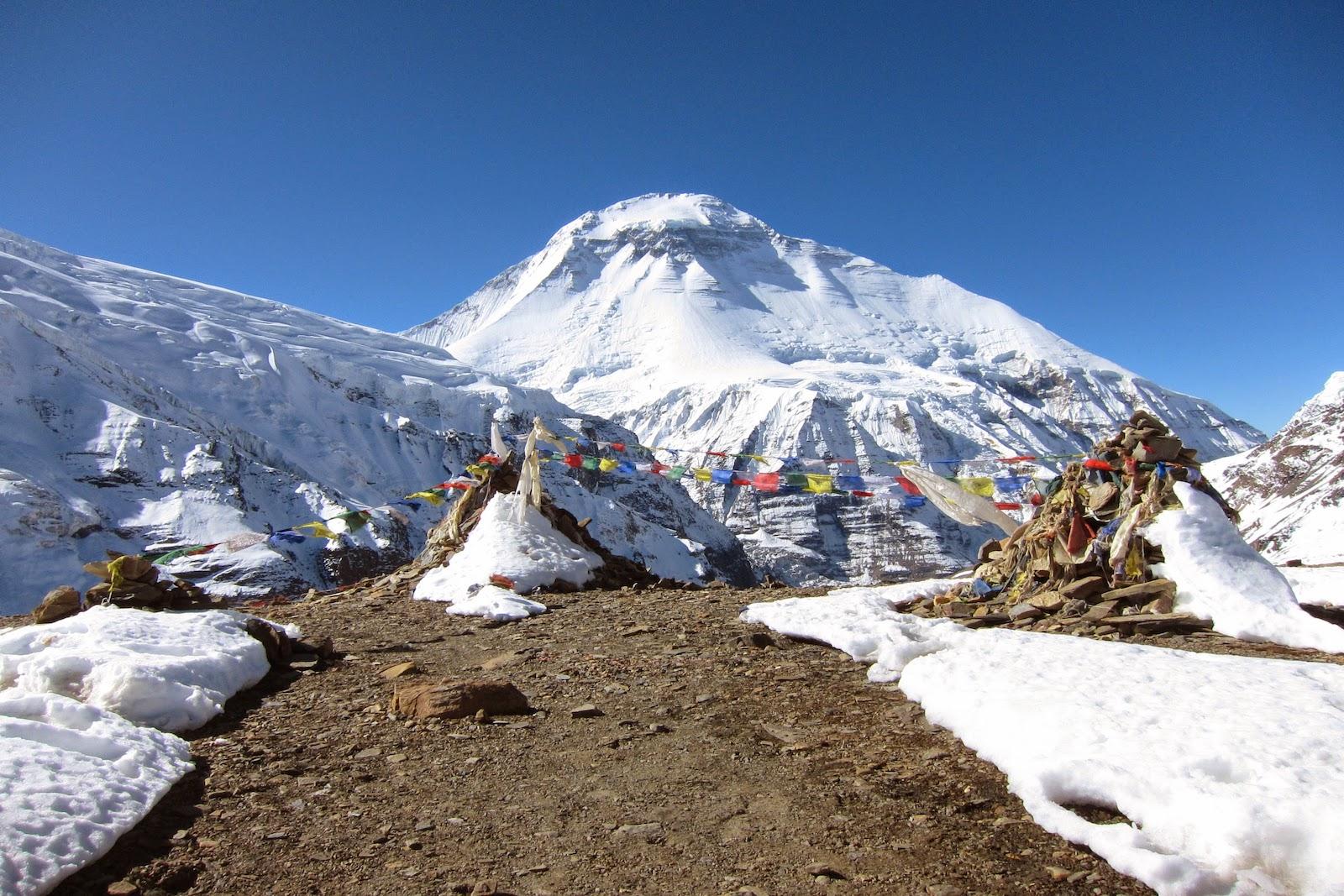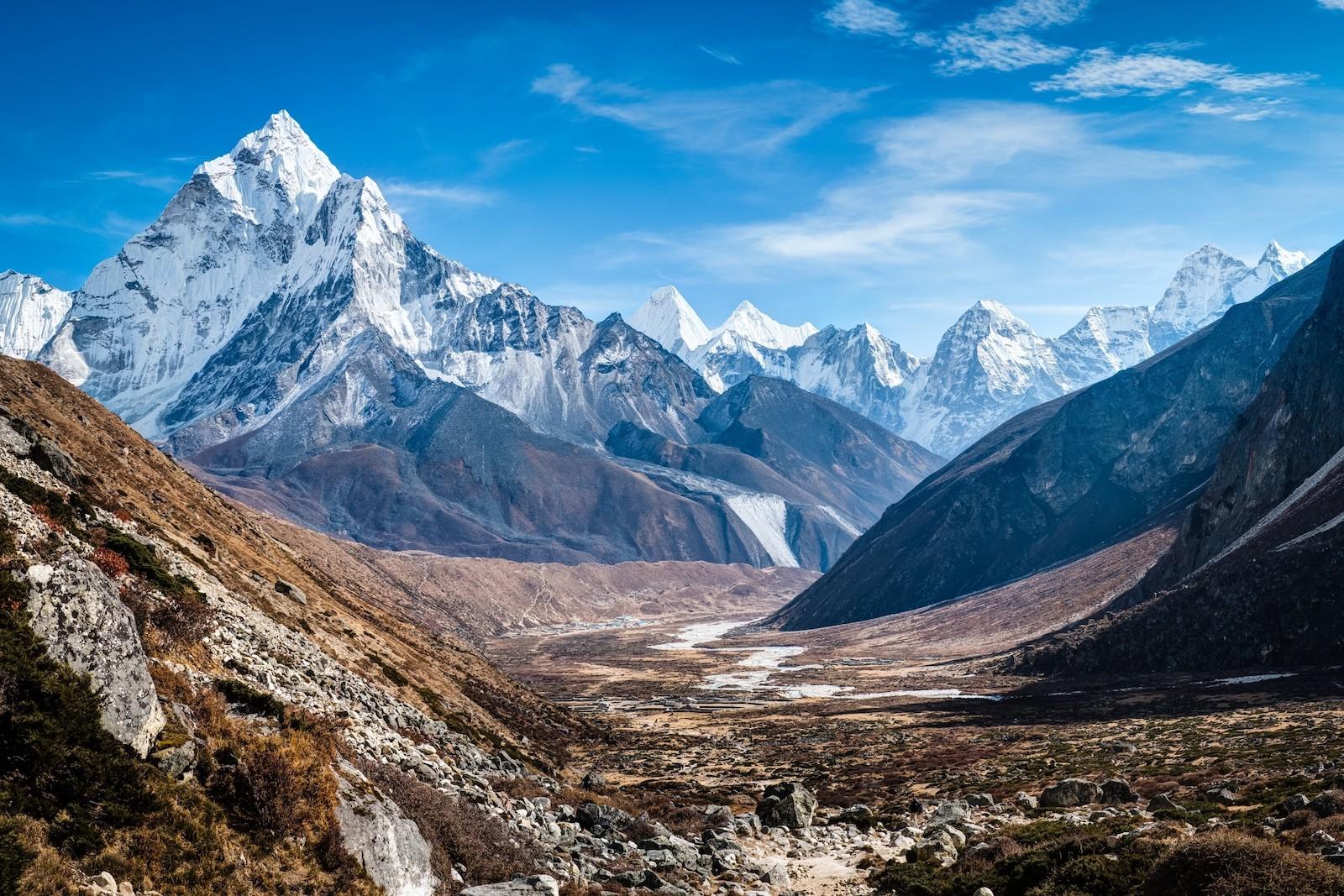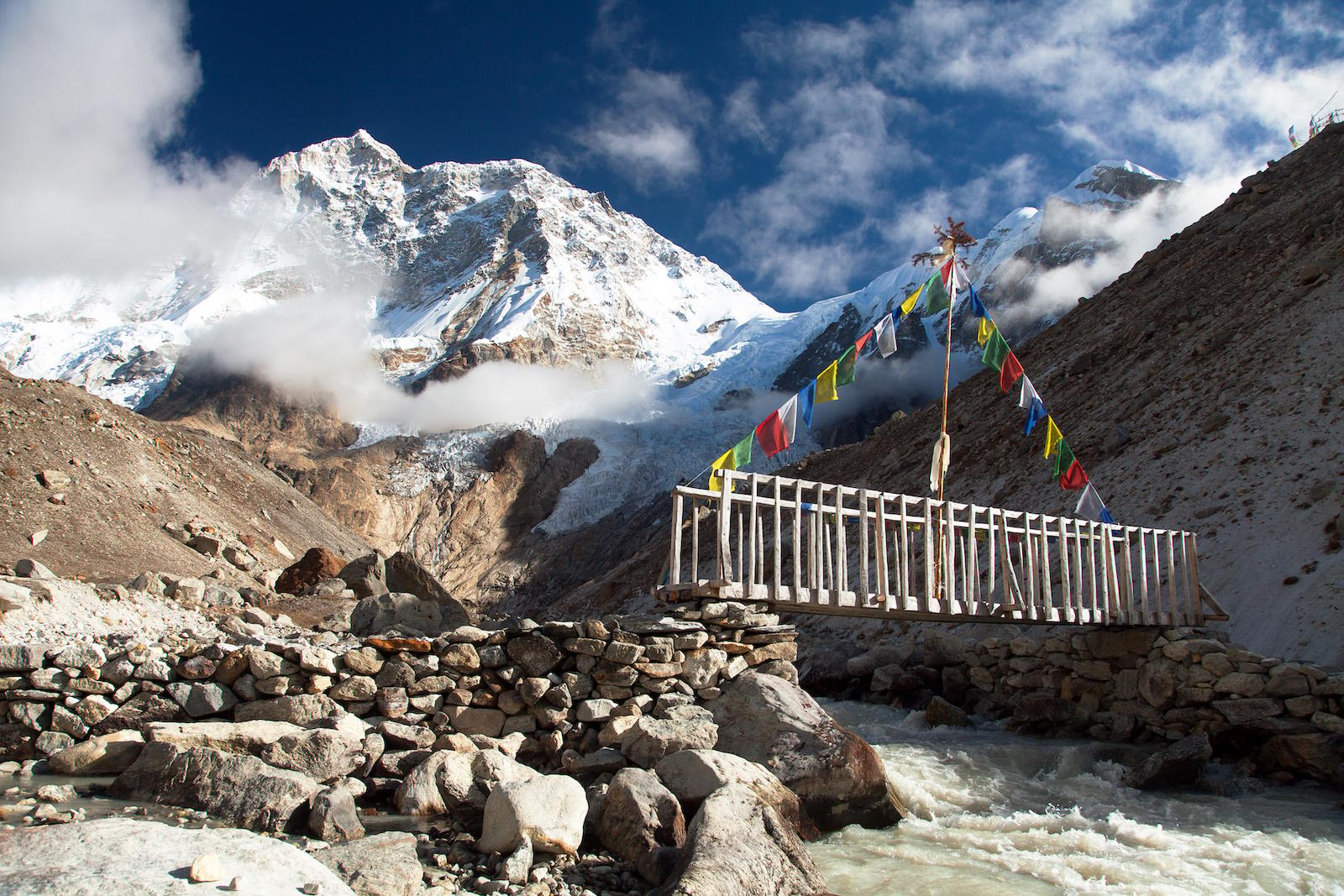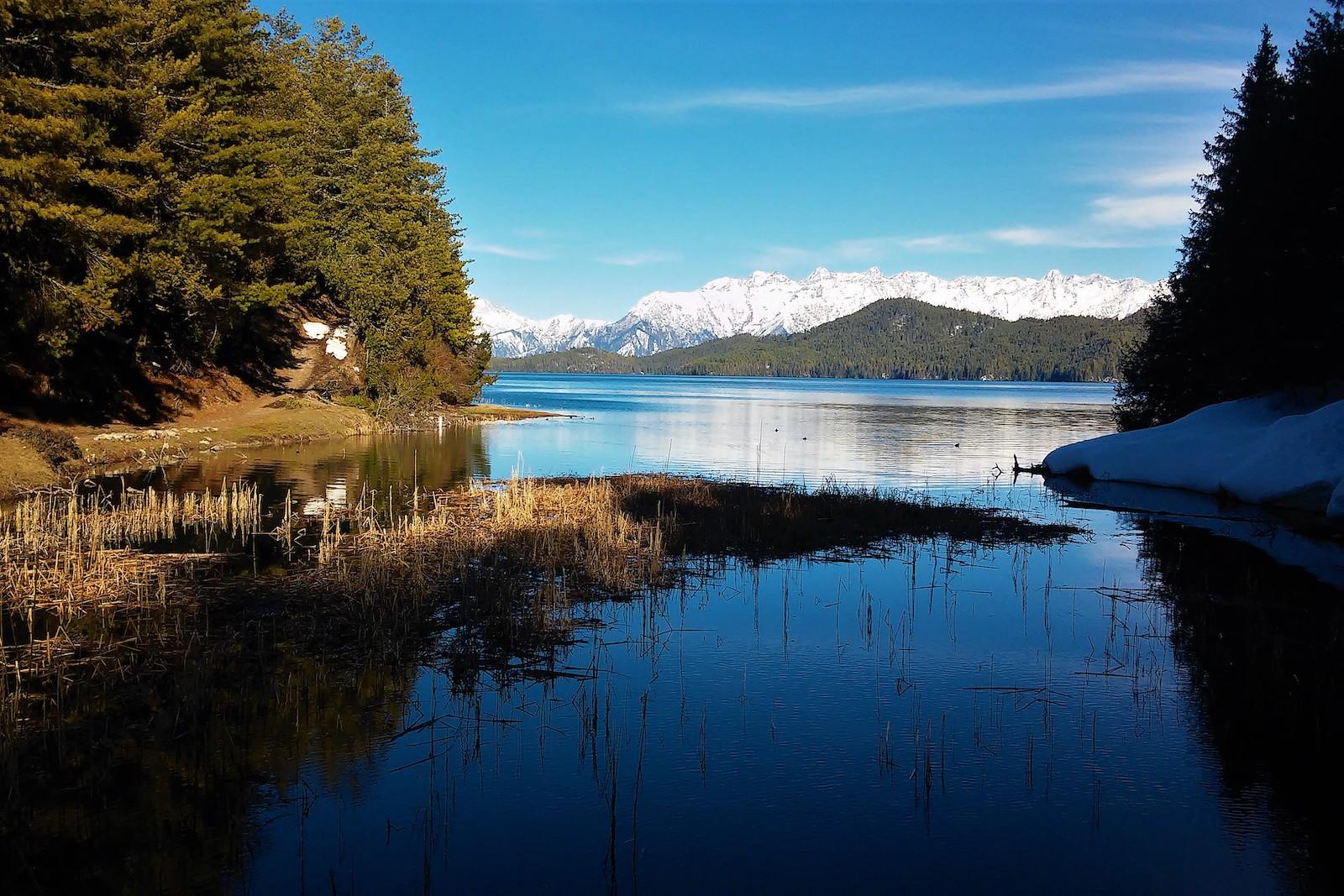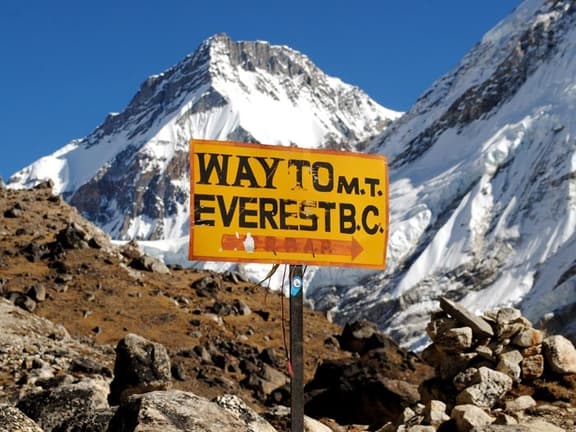
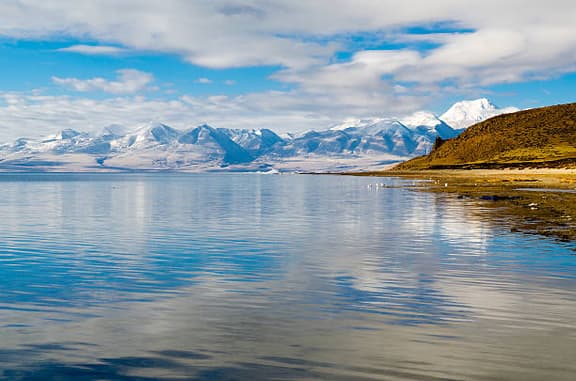
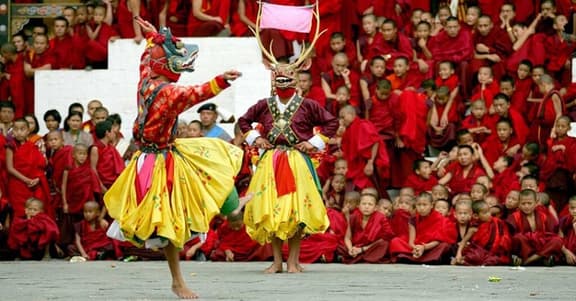
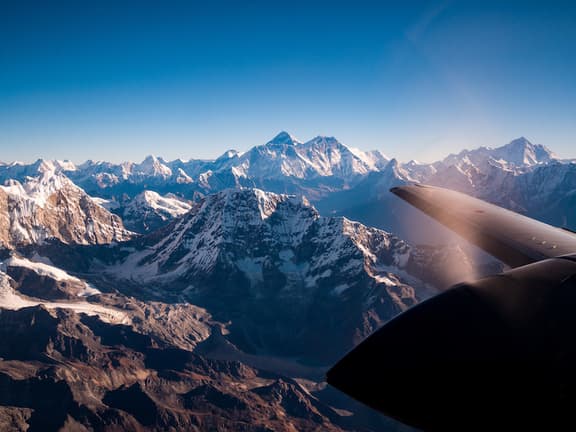
The Dhaulagiri Circuit Trek offers an exhilarating adventure through remote landscapes, diverse terrain,and breathtaking mountain views,including the world's seventh highest peak, Dhaulagiri I.

Overview

A trek around Dhaulagiri (8,167 meters), the 7th highest peak in the world, sited in the western part of Nepal is considered as a challenging and most rewarding trek around the inspiring Dhaulagiri massif. This isolated trekking offers amazing natural scenery, evergreen forest blossoming with rhododendron combined with native warm hearted people and their heady mixture of unique culture.

The journey to trek to Dhaulagiri takes the less-traveled route and will take you to base of Mount Dhaulagiri (26,795 ft), in beautiful surroundings. This is the seventh tallest peak in the world and one of the deadliest. From 1808 to 1848, Dhaulagiri was believed to be the tallest peak.

"Dhaula" means "white," "Giri" means "mountain," in Sanskrit (former Hindu dialect). The highest climb to this "what Peak" was made after the northeast range, but the climbs were performed from most directions. There were 358 active summits in 2007 and 58 deaths – a fatality rate of 16,2 per cent (among the sumiteers).

The popular and challenging high mountain passes in this area includes; French Pass (5,360 meters) and Dhampus Pass (5,182 meters). Trekking trail passes through forests full of ferns, oak, juniper and into the high provinces, making over snow and glaciers. Further, it circuits around the Dhaulagiri massif, displaying the beauty and wilderness of Nepal’s remote area, which truly is an adventure to any trekking enthusiast. This is a beautiful all round trek that incorporates the best of what Nepal has to offer while being off the beaten track. 


Highlights 

  • Crossing a high remote pass between the massive snow-capped peaks.

  • High and Wild Land at its best 

  • Trek on the Trans Himalayan Salt Trading Route and through the deepest gorge of the world. 

  • Few frequented villages with friendly residents.


Journey of Dhaulagiri Circuit Trek

This journey begins in Beni, a big town about 2-3 hours drive from Pokhara. The road to Beni winds and passes through the mountains, but otherwise reasonably well-maintained. A number of treks in the Annapurna region continue or leave, Beni.

Plus, this is a demanding trek, and most trekkers won't want to extend it because of fatigue.

Detailed Itinerary 21 Days

Welcome to Kathmandu. Once you reach the airport in Kathmandu, you will be warmly received by our airport representative who will help you with the transfer to the hotel.

Full day sightseeing tour of Kathmandu valley (Pashupatinath Temple, Boudhanath, Swayambhu, and Kathmandu durbar square).

We 're going to take the early morning bus to Beni. It's a nice ride with the green scenery. It is the offices of the district where the permits will be reviewed. The town we 're staying in is situated at the confluence of Myagdi Khola and Kali Gandaki.

After leaving Beni, we travel west along the north bank of Myagdi Khola. We pass through the village of Beni Mangalghat, Singa, and Tatopani. After passing two bridges, we enter the village of Simalchaur on the north bank. We 're going to meet Babiya Chaur from here. 

As we leave Babiya Chaur, we come across terraced hills on either side of the river. The trail is fairly leveled as we pass through villages, Duk Khola, and fields to reach Rotorunga. As we move ahead, the valley narrows and we finally reach Dharapani.

We cross the river from Dharapani to the west bank. After leaving Phedi, there is a steep climb until we reach the ridge where the trail flattens for a while. After climbing again, we 're going through Sibang, Mattim, Ghati Khola and Phalai Gaon. After passing Dhara Khola, we again reach the western bank of Myagdi Khola. Following that, we ascend the hill to eventually get to the Magar Village of Muri. 


From Muri, we go down for a short time, cross the stream and pass through the terraced fields before ascending the ridge and entering the pass. We can see the glorious Mt. Ghustung South (6465 m.) from the pass. We 're going down to the west bank of Myagdi Khola and we're going to the village of Naura. Then we ascend a little, cross a slope, and scale another steep hill with zigzag tracks. Then we cross the forest and the terraced fields to finally get to Boghara.


First, we go down through the lush greenery to the ridge and then through the forest to meet Jyardhan (the most remote settlement in the region). A long winding road needs to cross a mountainous landscape, descends and ascends again to meet Lipshe. Then we go through the forest to Lapche Kharka and then ascend to Doban, which is a fairly flat area.

We cross a footbridge to depart Doban and then go up a forest land. We gradually get a peak of Dhaulagiri I and then get back to Myagdi Khola Bank. Then we cross a wooden bridge to the east bank and Cartare. We cross a wood, a rocky region, and a stream to enter Choriban Khola.

From here we continue to the Chhonbarban Glacier, which we join from the west. As we soak in the splendor of the Tukuche peak and the Dhaulagiri I road, after a while we reach the Italian Base Camp. The base camp (at an altitude of 3660 m.) has a magnificent view of Dhaulagiri II, Dhaulagiri III and Dhaulagiri V.


Have easy day for acclamatization.


The trek starts early in the morning with good weather to avoid the stone falls that the area is prone to. We pass through a narrow gorge and then reach the Glacier camp.

This is an interesting day to see the north face of Dhaulagiri I along with other peaks such as Dhaulagiri II, Dhaulagiri III and Dhaulagiri V. The view of the ice-fall falling from the north-east is spectacular.


Since reaching the lake, we 're going to ascend two hills. The first hill runs along the glacier and crosses the mountain and the moraine. As we climb a gentle slope, we reach the French Pass at an altitude of 5360 m. A wonderful view greets us at the pass, which includes Mukut Himal, Tashi Kang and Sita Chuchura, which surrounds the Hidden Valley. We continue along the right edge of the French Pass to reach Thapa Pass at 5250 m. We're going down from the pass to reach the base camp


Acclimatize and have easy day.


We descend from Hidden valley to Dhampus pass at an elevation of 5200m. We continue from there to Yak Kharka which is perfect to set up camp and enjoy the surroundings at 3680m. 


From Yak Kharka, we descend steeply through forests and moraines for a few hours to reach Tukuche. Overnight local lodge.


From Tukuche, we take a rough trail (on the bank of the Kali Gandaki River) to Larjung. There are a lot of fruit orchards here. Then we walk along a paved road, cross a pedestrian bridge and a forest to reach Kokkethanti. We pass the villages and pass the suspension bridge to meet our target, Kalopani. Local lodge for the night.


From Kalopani, we take an easy beautiful walk as we move towards subtropical vegetation. The trail follows a river through a narrow gorge and descends to cross a bridge and reach a waterfall. We then move across the valley to reach Tatopani. Overnight local lodge.


After early morning breakfast, we take the jeep or local tourist bus to Pokhara. 


You will coming back to Kathmandu where your trip officially comes to end. You can enjoy 30 minutes whole body massage and farewell dinner with your trekking crew before you head back to your home next day. 


After break fast, our airport representative will drive you to the airport for your flight back to home. 


Departures & Availability
Your information is kept confidential and secure

Inclusions/Exclusions
Included
Airport pick up & drop
Transportation by bus
Two/three star catagory hotel in Kathmandu and Pokhara on twin sharing bed and breakfast basis
Fooding, lodging ,insurance and other expenses of trekking crew
Accommodation in Guest house with breakfast during the trek
Two nights camping with all meals
Nayapul to Pokhara by car
Necessary permit ,Tims and national park fees
Guided sightseeing tour in Kathmandu
All necessary equipments during the trek
All the Meals including breakfasts, lunch and dinner during the trek (except in Kathmandu and Pokhara)
Not Included
Personal equipments and clothing
City sightseeing entry fee and your insurance
Additional Information

Trekking Difficulty

The Dhaulagiri Circuit is a difficult trek — one of the hardest in Nepal — suitable for trekkers with prior trekking experience at altitudes above 5,000 m. The optional ascent of Dhampus Peak (6,060 m) requires simple mountaineering skills, such as knowledge about the use of ice axes and crampons. Three days in a row, trekking in the snow above 5,000 m, with no easy way down. Adding to the challenge is the cold — because this is a hiking trek, there are no warm lodges to escape at night. The Dhaulagiri Circuit trek is not for beginners or first-time visitors to Nepal, but the rewards are high for those with more experience.

Obtaining Trekking Permits

You will need to purchase a TIMS card ($10) and an Annapurna Conservation Area Permit (ACAP) ($20 USD). They can be purchased separately in Kathmandu or Pokhara, or they will be managed for you through your trekking company or agent. HSJ arranges the trekking permits for all its clients.

Lodging and food

Apart from the first and last nights in Beni and Pokhara, where you will stay in hotels, this is an entirely teahouse and camping trek. In tea houses you get basic accommodation and simple food like daal bhaat. This fact increases the effects of the cold. While camping food will be prepared in a camp kitchen, while guides and porters ensure that necessary provisions are carried to prepare high-energy, nutritious and tasty food.

Insuring your safety

We suggest taking out an insurance plan for your individual accountability, accidents and illnesses during the service.Regarding the type of activity, you may be asked to show a certificate of insurance for help and support, sanitation and search. This service is private and not free in Nepal, the helicopter will not take off until it is convinced to pay for the insurance.

List of Equipments you will need for trek

Clothing

·         Trekking boots

·         Short-sleeved Trekking shirts

·         Trekking pants and jackets

·         Thermals underwear

·         Long-sleeved Trekking shirts

·         Insulating down jackets

·         Woolen cap

·         Trekking Gloves

·         Raincoats

First Aid

·         Diamox tablets

·         Sanitary pads / Tampons

·         Anti-nausea Medicines

·         Band-aids

·         Mosquito and insect repellents

Toiletries

·         Soap

·         Toilet Paper

·         Shampoo

·         Sunscreen

·         Moisturizer

·         Hand sanitizer

Accessories

·         Sunglasses

·         Sleeping bag

·         Cameras

·         Batteries

·         Water Bottle

·         Solar Chargers

·         Hot water Thermos

Important Documents

·         Passport

·         Travel Permits

Charging your electric devices

Apart from the first and last nights in Beni and Pokhara, where you will stay in hotels, this is an entirely camping trek. There are no lodges and not even any permanent settlements past Pakoban. And hence, you would have to depend on headlights, torches and power bank for charging of your devices. 

Internet connection and Telecommunication

Apart from the first and last nights in Beni and Pokhara, where you will stay in hotels, this is an entirely tea house trek. Higher altitude have lesser tea houses and limited services. Hence you would have to be prepared for the limited communication while on the camping trek. Availability of internet would be limited or scarce. Our guides would have satellite phone that would be our means of communication with them regarding the welfare and emergencies that are of the concerns of our client.

Luggage limit for the trek

Often this depends on the trek and the maximum altitude gain. Each porter carries between 15 and 30 kg on average in the mountain region for trekking. There is up to 40 kg of a camping pack. We usually assign one porter to our two trekkers.  15 kg of luggage is allowed per person on the trek. The health of our porter crew is strictly guaranteed.

Availability of drinking water on trek

This being challenging trek, sufficient amount of water would be needed to carried all the way. Filling up water is quick. Taps in, out or in guesthouses mean that there are plenty of places to fill your bottles and/or your water bladders.This could be where you stay, a lunch stop, or a shared public tap used by locals whereever possible. Use an efficient sterilization method to make sure your water is safe and not contaminated in anyway.

Travel and Transportation Modes

On Land: Touring to and from city destinations is done on a private vehicle such as a car, jeep or microbus. Luxury tourist buses, which are only hired by the company for the most part, make the long distance travel. You will may have to take a public bus on some trip, but you do not need to worry about your protection or comfort because you ride with our guides and support staff in a group.

By Air: Flight from Pokhara to Kathmandu is available option for anyone who doesnt want to take 7-8 hours long drive back to Kathmandu. This option is however not included in the package and the cost would be extra USD 110 per person. 

This Tour with HSJ

Guides and Porters

Our local Nepali team is one of the most experienced, hospitable and respected trekking outfits in Nepal. The team is fully licensed and affiliated with the Trekking Agency's Association of Nepal (TAAN), Nepal Mountaineering Association, Nepal Tourism Board, Govt. of Nepal, Sustainable Tourism Network, Himalayan Rescue Association and Kathmandu Environmental Educational Project. You will be provided with the professional and an experienced English speaking trekking guide with the good knowledge of the place and the trek. The trekking crew is skilled with the experience of over 10 years, well-trained, friendly guide and, courteous and helpful porters, assured of a wonderfully memorable experience.

For the trek, we'll have one porter for two people as per group size. The porter will carry 12-15 kg per person luggage during the trek. You need to carry your day pack to keep your personal belongings such as wallet, camera, water bottle, dry snack, headlight, gadgets, etc. The safety and concerns of our porters is our collective responsibility. We take our responsibilities towards them and their safety concerns strictly. On your part, please carry only things that are of absolute necessities.

Other Programs and complimentary services with this trip

• Welcome and Farewell dinner
• Yoga Classes
• Spa services

How do we make sure you get the best experience of this trek?

We are your completely flexible travel partner. Want to follow different route? We have you covered. Have extra time in Nepal? Excellent! We have more add-on tours like Chitwan Jungle Safari, Cable Car ride to Chandragiri hills, Cooking and Yoga classes in Kathmandu and so on. Would like to customize the trip? Well, why not? Give us your ideas and we will prepare complete itinerary for you. Do you want to use different standard of accommodations than provided in the itineraries? Of course! You absolutely can. From your arrival until you departure, your wishes are our command. Feel free to make the request.

Last minute booking

It is best to book in advance but for those who cannot, for whatever reason, make a last minute reservation special arrangement for Himalayan Social Journey. In the case of last minute reservation, 100% tour payment will be approved within 24 hours. We try to operate a trek at any time but we are not liable for the delay in case of last-minute reservation, because of uncontrolled changes such as weather and the availability of accommodation.

Feedbacks

Throughout the years of business, we have always put the customers feedback as our inspiration towards making our company great travel partner. With many ups and downs, and good and not so good feedbacks we have reached where we are now. At the end of the trek, while you are with the crew during farewell dinner, we would appreciate if you give us your valuable feedback, account of good and bad experiences, recommendations and also your honest rating to our trip advisor page.

Important Information

This trek with HSJ starts from Beni which is 6-7 drive away from Kathmandu. 

French Camp at 5360m is the highest point of this trek through which we reach to Hidden Valley which is at the altitude of 5115m. 


AMS in Dhaulagiri is more likely because the altitude unexpectedly increases. Dramatic accents and descents on this trek is its dominant feature. AMS is the most common mountain sickness. It is essential to properly acclimate and hydrate. Go on a step by step and stop when necessary before you go ahead. An qualified guide is hence absolutely necessary for this trek. Listen to the guide and strictly follow his/ her guidance. 

Best time to do Dhaulagiri Circuit Trek Trek is during spring (March-May) and Autumn (September-November). HSJ can however organize the trek at any time of the year with absolute safety while still availing you to have memorable experience

The Dhaulagiri Circuit is a difficult trek — one of the hardest in Nepal — suitable only for trekkers with prior trekking experience at altitudes above 5,000 m. The journey requires a high degree of endurance, power and commitment. 

The Dhaulagiri Trek Tour is one of the toughest and the most demanding treks that need prior alpine trekking experience.  Since the route is less marked chances of gettting lost and confused (paths are often obscured with snow) are hight, it is strongly recommended that you follow a tour guide.

Round Dhaulagiri Trek accommodation is offered on combined tea and camping.  There are simple theahouses that provide minimal facilities. Yet the room is tidy and provides a good night's rest. Carry a sleeping bag for added warmth with a lining.

As the camping tour starts, we will sleep on the sleeping bags.

Charging your electric devices

Apart from the first and last nights in Beni and Pokhara, where you will stay in hotels. There are limited lodges and not even enough permanent settlements past Pakoban. And hence, you would have to depend on headlights, torches and power bank for charging of your devices. 


Apart from the first and last nights in Beni and Pokhara, where you will stay in hotels, you will be walking on remote off beaten trails. Hence you would have to be prepared for the limited communication while on the camping trek. There is little to no internet connection. Our guides would have satellite phone that would be our means of communication with them regarding the welfare and emergencies that are of the concerns of our client.

Obtaining the effective Travel insurance that covers mountaineering and alpinism for helicopter evacuation is compulsory for this trek. 

Yes, Himalayan Social Journey is flexible travel partner. It is possible to organize the private trip or private group trip to Dhaulagiri Circuit Trek. The minimum people for the group is 2 however supplementary charge will be applicable for the solo traveler wanting to do private trip.

The Tap water supplied along the trails are considered safe for drinking and local people drink it without treating, however for the foreigners, it is best that the tap water be only drunk after purification. There are two good options for having proper drinking water during the trek. You can bring water purification tablets or fill your bottle for a nominal fee from the recognized and regulated "pure water" stations along the trek. As the last alternative, you can also purchase bottled water at the lodges but this is not recommended. It is very important that you drink at least 3 liters of pure water daily during the trek.

Liquid needs and usage of our body is about 3-5 liters a day (13-21 cups). Several findings suggest that drinking carbohydrate and electrolytes (such as sports drinks) in a liquid is safer than moisturizing water at altitude alone. There is also a study done on the effect of tea in reducing the fatigue and mood boosting. Results have been positive. This being said apart from water, you can drink green tea, masala tea, and ginger tea and garlic soup.

It is not suitable trek for novice trekkers and children.

In the average, you will be walking for 5-6 hours each day during the Dhaulagiri Circuit Trek Trek.

Insurance of the guide and porter is covered by the company. All our guides and porters are properly insured.

Yes, we do provide sleeping bags. The sleeping bags we provide are of good quality. They help you sustain the colder climate in Nepali mountains up to -25 degree Celsius of temperature. However if you need the one of your own, you can buy one here. Your guide shall assist you to get it here. Keep the track of the weather forecast of the area and pack your clothes accordingly. This would help you be prepared for the type of weather Nepali Mountains are accustomed to.

Frequently Asked Questions

This trek with HSJ starts from Beni which is 6-7 drive away from Kathmandu. 

French Camp at 5360m is the highest point of this trek through which we reach to Hidden Valley which is at the altitude of 5115m. 


AMS in Dhaulagiri is more likely because the altitude unexpectedly increases. Dramatic accents and descents on this trek is its dominant feature. AMS is the most common mountain sickness. It is essential to properly acclimate and hydrate. Go on a step by step and stop when necessary before you go ahead. An qualified guide is hence absolutely necessary for this trek. Listen to the guide and strictly follow his/ her guidance. 

Best time to do Dhaulagiri Circuit Trek Trek is during spring (March-May) and Autumn (September-November). HSJ can however organize the trek at any time of the year with absolute safety while still availing you to have memorable experience

The Dhaulagiri Circuit is a difficult trek — one of the hardest in Nepal — suitable only for trekkers with prior trekking experience at altitudes above 5,000 m. The journey requires a high degree of endurance, power and commitment. 

The Dhaulagiri Trek Tour is one of the toughest and the most demanding treks that need prior alpine trekking experience.  Since the route is less marked chances of gettting lost and confused (paths are often obscured with snow) are hight, it is strongly recommended that you follow a tour guide.

Round Dhaulagiri Trek accommodation is offered on combined tea and camping.  There are simple theahouses that provide minimal facilities. Yet the room is tidy and provides a good night's rest. Carry a sleeping bag for added warmth with a lining.

As the camping tour starts, we will sleep on the sleeping bags.

Charging your electric devices

Apart from the first and last nights in Beni and Pokhara, where you will stay in hotels. There are limited lodges and not even enough permanent settlements past Pakoban. And hence, you would have to depend on headlights, torches and power bank for charging of your devices. 


Apart from the first and last nights in Beni and Pokhara, where you will stay in hotels, you will be walking on remote off beaten trails. Hence you would have to be prepared for the limited communication while on the camping trek. There is little to no internet connection. Our guides would have satellite phone that would be our means of communication with them regarding the welfare and emergencies that are of the concerns of our client.

Obtaining the effective Travel insurance that covers mountaineering and alpinism for helicopter evacuation is compulsory for this trek. 

Yes, Himalayan Social Journey is flexible travel partner. It is possible to organize the private trip or private group trip to Dhaulagiri Circuit Trek. The minimum people for the group is 2 however supplementary charge will be applicable for the solo traveler wanting to do private trip.

The Tap water supplied along the trails are considered safe for drinking and local people drink it without treating, however for the foreigners, it is best that the tap water be only drunk after purification. There are two good options for having proper drinking water during the trek. You can bring water purification tablets or fill your bottle for a nominal fee from the recognized and regulated "pure water" stations along the trek. As the last alternative, you can also purchase bottled water at the lodges but this is not recommended. It is very important that you drink at least 3 liters of pure water daily during the trek.

Liquid needs and usage of our body is about 3-5 liters a day (13-21 cups). Several findings suggest that drinking carbohydrate and electrolytes (such as sports drinks) in a liquid is safer than moisturizing water at altitude alone. There is also a study done on the effect of tea in reducing the fatigue and mood boosting. Results have been positive. This being said apart from water, you can drink green tea, masala tea, and ginger tea and garlic soup.

It is not suitable trek for novice trekkers and children.

In the average, you will be walking for 5-6 hours each day during the Dhaulagiri Circuit Trek Trek.

Insurance of the guide and porter is covered by the company. All our guides and porters are properly insured.

Yes, we do provide sleeping bags. The sleeping bags we provide are of good quality. They help you sustain the colder climate in Nepali mountains up to -25 degree Celsius of temperature. However if you need the one of your own, you can buy one here. Your guide shall assist you to get it here. Keep the track of the weather forecast of the area and pack your clothes accordingly. This would help you be prepared for the type of weather Nepali Mountains are accustomed to.