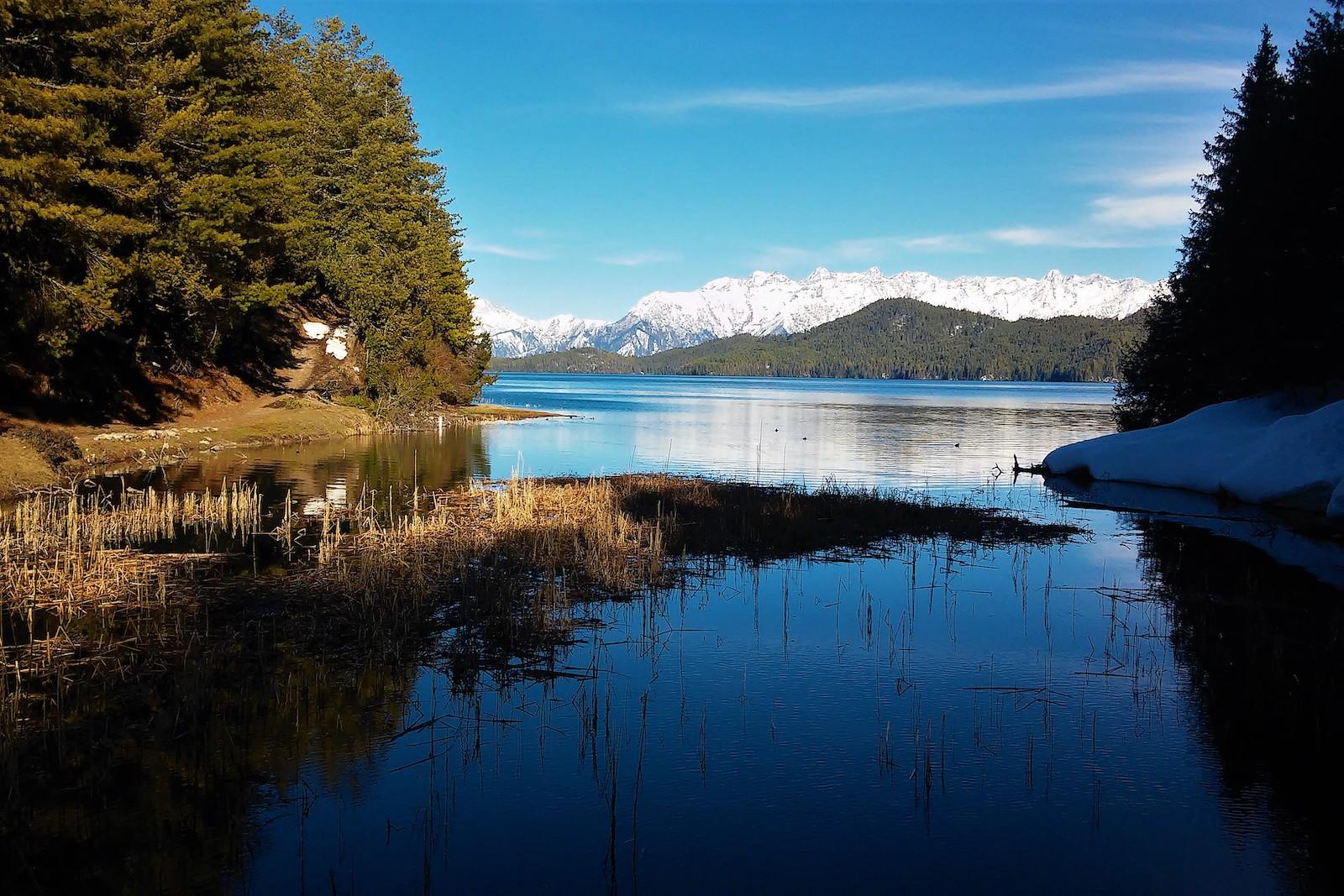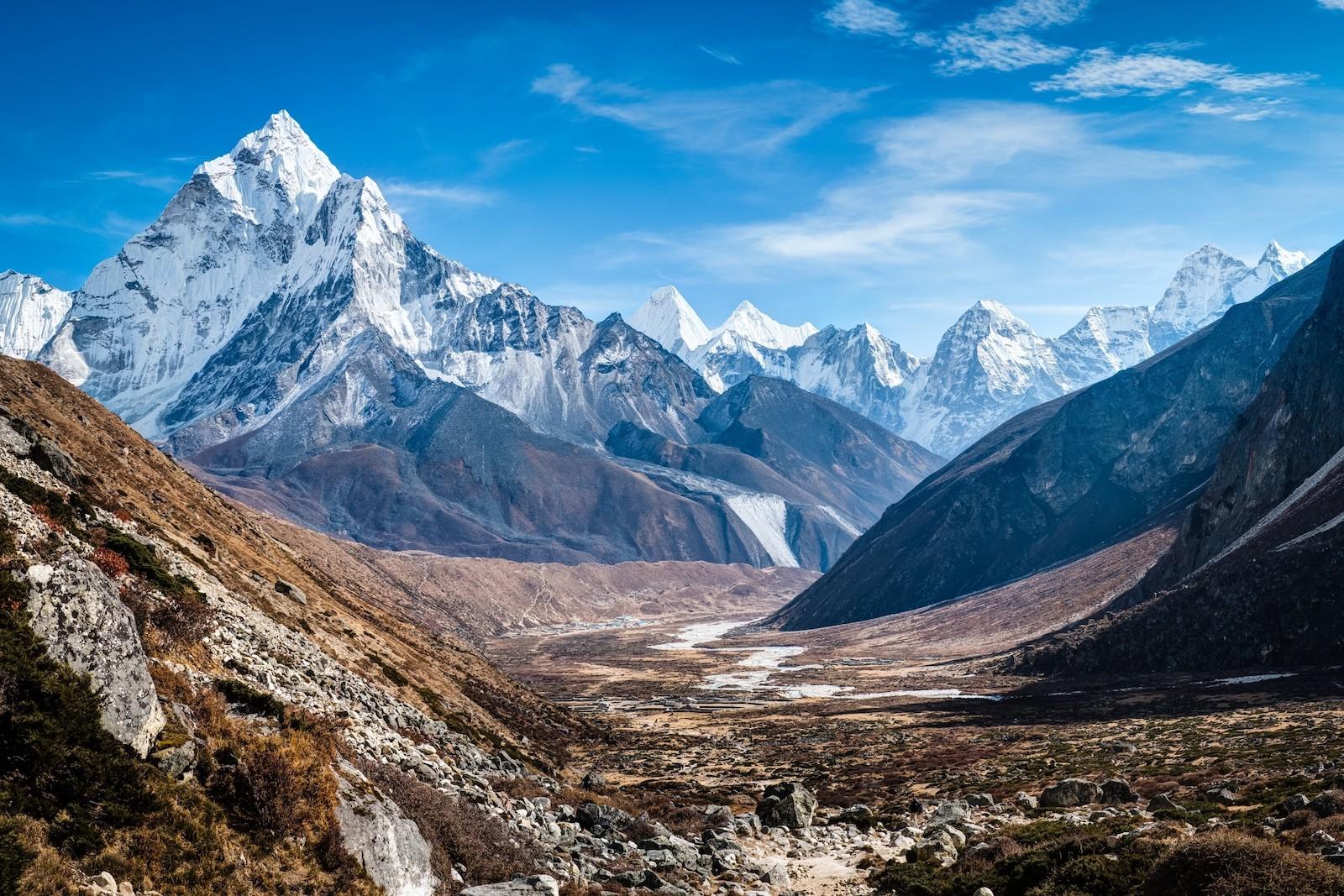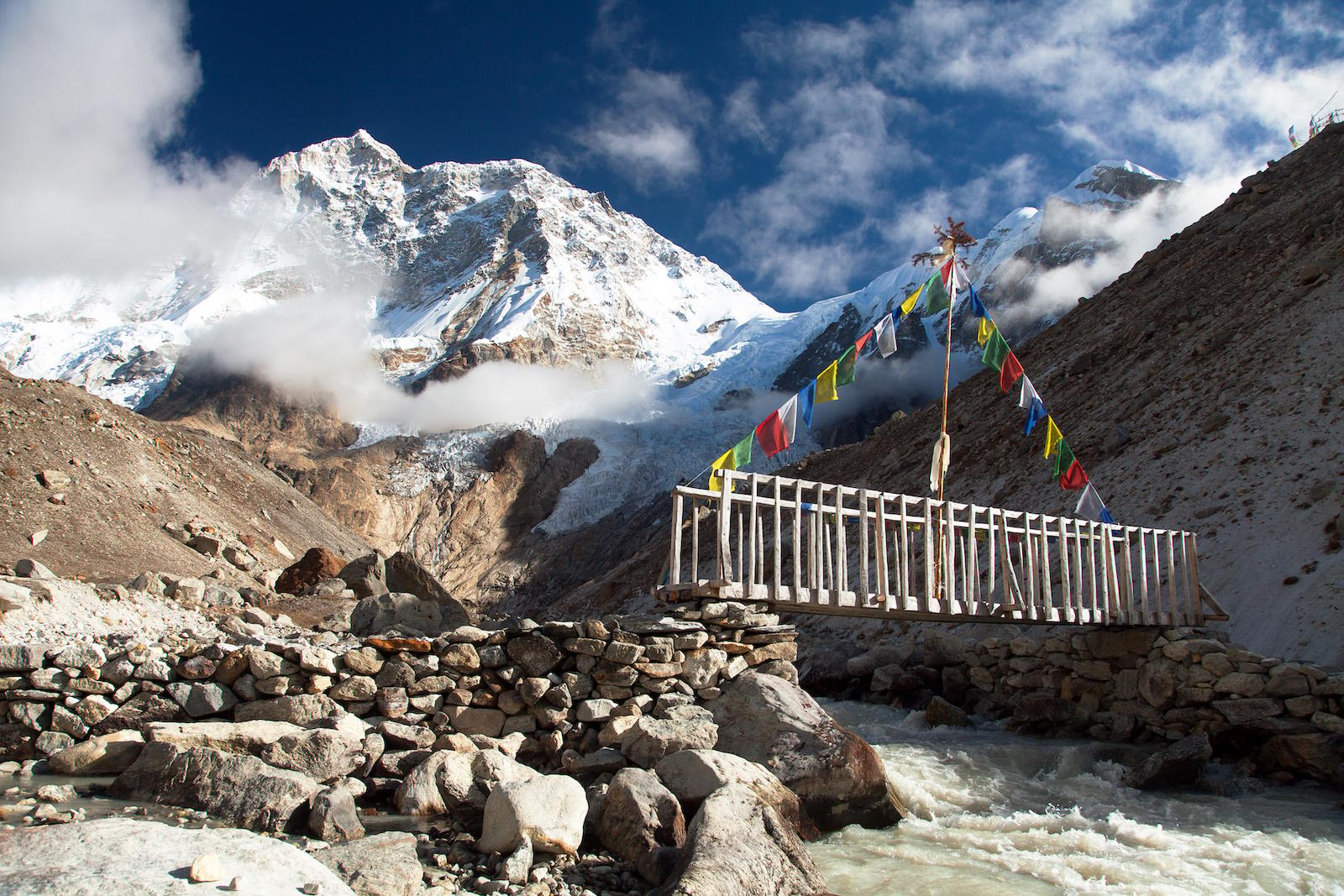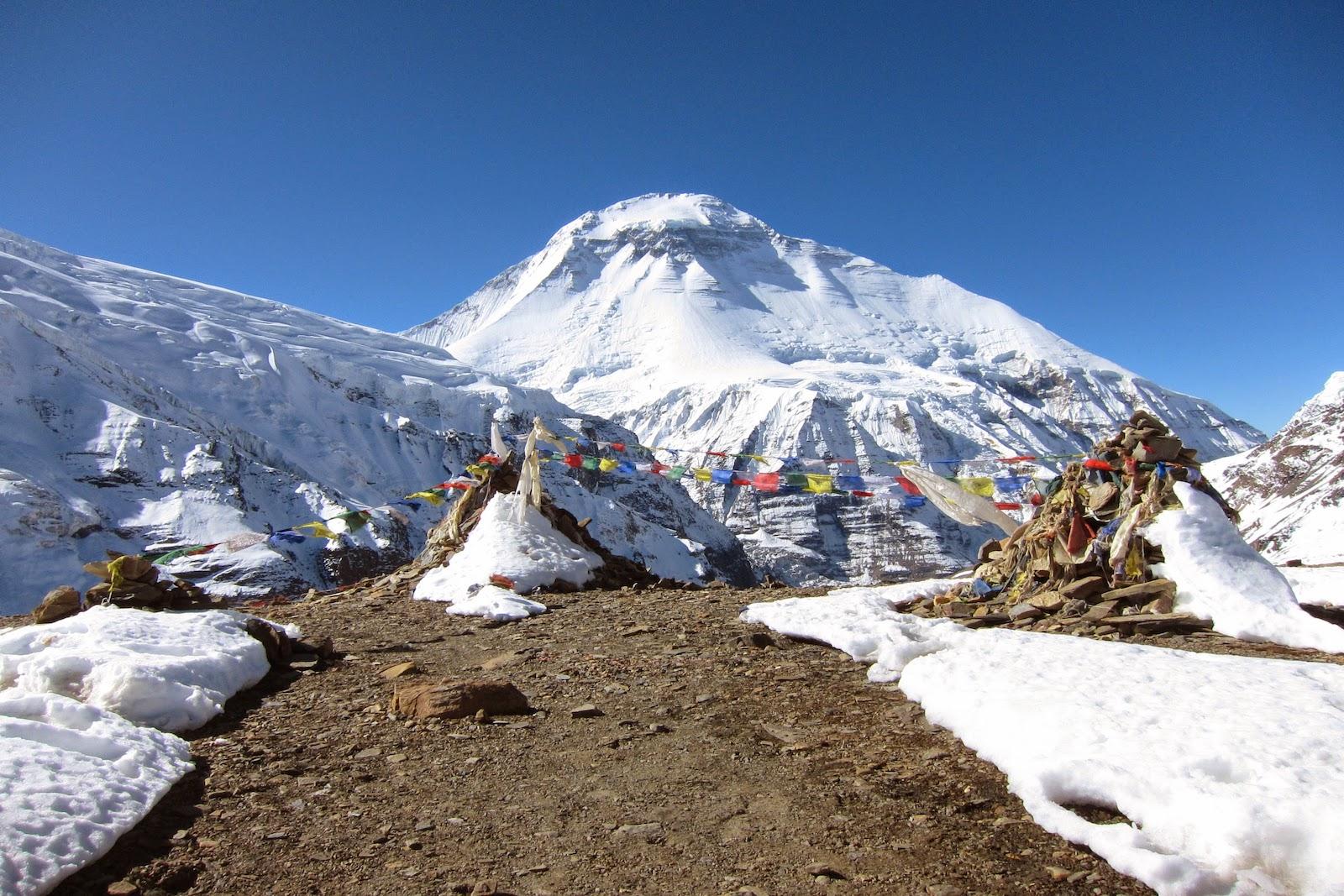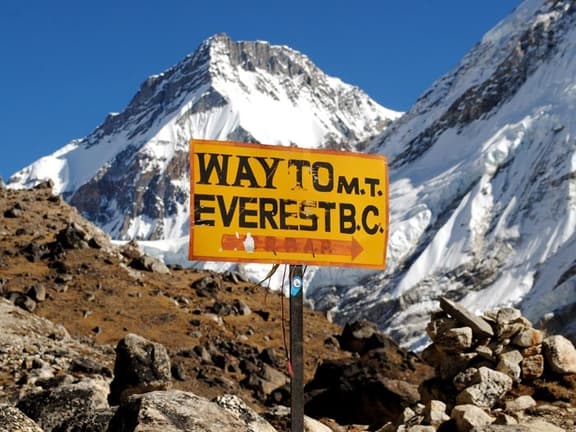
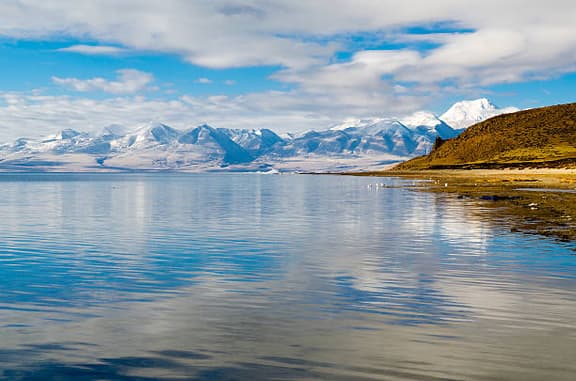
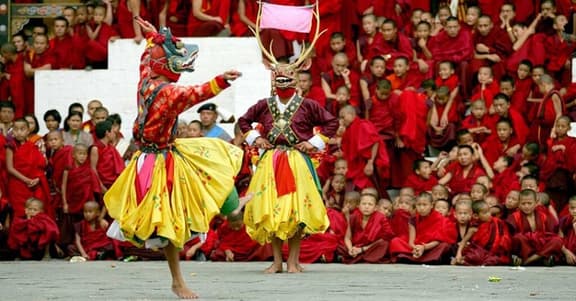
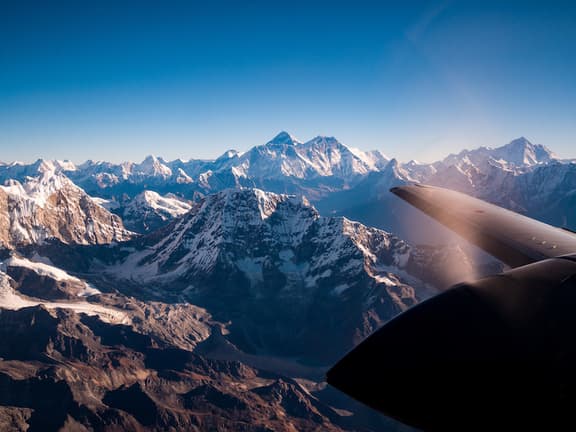
Rara Lake captivates visitors with its pristine turquoise waters, surrounding alpine forests, and stunning mountain vistas.
Overview
Rara Lake Trek is a beautiful journey to the largest lake of Nepal. The place is remote but the views and the environment is above everything. Many trekkers opt to trek in this region as it is very remote and beautifully embraces all the elements of nature. From the snowcapped mountains, tranquil lake, dense alpine forest, you will get to experience everything in this less travelled trail. The trekking, as well as flying, are means of way to reach Rara Lake. The lake is surrounded with dense alpine forest from everywhere with a gorgeous view of Trans Himalaya on the background is really beautiful to see.
Rara Lake Trek is a nature lover's paradise as there is so much to see and explore. Since the trek includes going through Rara national park, you will get to explore the Himalayan vegetation along with different kinds of flora and fauna. The national park is home to endangered species of animals like Himalayan black bear, Red Panda, Gorals and many more. Overall, the trek is the total package where you will get to see the beautiful natural beauty, wild vegetation of Nepal alongside taste the culture and lifestyle of people living in this region. The best time for Rara lake trek is all year round. The place is beautiful even when it is the dry season or the cold winter season. But many prefer to visit the place from September to November.
Highlights
- Admire the natural wonders and tranquility of Rara Lake;
- Visit the Sinja Valley, an important historical site in Nepal.
- Explore the rich biodiversity of Rara National Park.
- Admire the stunning scenery and view of the distant Dolpo and API Shripal peaks.
- Stroll in the magnificent oak, birch and rhododendron trees.
- Discover the real culture and lifestyle of the Jumla district
Trekking Journey to the Rara Lake
One of the most famous tourist attractions in Nepal is Rara Lake. The simplest way to go from Kathmandu to Nepalganj to Rara lake is to take a domestic flight to Nepalganj, from Nepalganj to Tancha airport (Mugu) and to Rara Lake for about 3 hours of walking. This beautiful journey begins with our picturesque ride to the hot topics in Nepal's Far Southwest region and then takes another plane to Jumla, where our walk begins at Rara River and brings us through fascinating villages of Hindu Thakuri Malla and Tibetan inspired people with rich ancient traditions and customs.
After your arrival at Kathmandu, you will be received by our representative staff very warmly and from there you will be transferred into the hotel where you will discuss about the itinerary in detail.
You will spend your next day after early morning breakfast, exploring ancient city of Kathmandu. You will visit Swayambhunath, Pashupatinath, Bouddhanath and Patan Durbar Square.
We 'll take an hour's plane to Nepalgunj in the southern plains of Nepal. Nepalgunj is the largest city in the country and shares its southern frontier with India. It's hot and humid in Neplagunj, but in the evening you can visit the city.
You will fly from north of Nepalgunj to Jumla, which lies high above the hills. You'll get to Jumla in 20 minutes, where the wind and mild air is waiting for you. This is where the hiking trail to Rara Lake in the Mugu district begins.
We 'll head up the JugadKhola River as we head towards ChereChaur. The river bank path goes through a number of lovely villages where we can pause for some rest.
After breakfast, follow the western trail and climb up to the Jaljala Pass (3580 m). Until we reach Jaljala Chaur, we walk along a wide and easy path. From the meadow, we walk up the steep slope to Chalachaur. It's located in the Rara National Park.
Today, we are move forward across the Sinja Valley. It is the place of the origin of the Nepalese language in the 12th to 14th centuries. It's called the Khas Bhasa. Passing through some traditional villages, we follow the bank of the Jaljala Khola. The surroundings of the valley are breathtaking. Then we stay in the right place.
We 're leaving the valley of Sinja, chasing the Hima River. The trail is mostly uphill, followed by an easy and easy path to the village of Laha. Lifestyle around here is still traditional. Moving along the Ghatte Khola, we ascend up steeply to our destination today-Ghorosinga.
We 'll move very early after breakfast. We reach up to Chichhemara Hill, which is a wonderful view of the surrounding Himalayas and the dream zone of the tranquil Rara Lake. Rara National Park has given its youth a variety of vegetation. Passing through the village of Murma, we climb up to the village of Chapri and finally reach our final destination. Rara, the magnificent queen of the lakes, is in front of us.
The queen of the lakes, Rara, is a huge lake in Nepal, also known as Birendra Tal. You can do some boating on this lake and enjoy the journey. The Chuchhemara peak sits on the south side of the bay, flanked by Ruma Kand and Malika on the north side. After taking a lot of photos and enjoying the surrounding scenery, go back to the campsite. .
From Rara Lake, our path is easy and we walk on a moderately straight path to Gamgadhi, the headquarter is located of the remote Mugu District of Nepal. From Gamgadhi, we go down a steep trail to the Pina Village, where we spend the night.
From Pina, we go down and cross the Ghurchi Lagna Pass at 3480 m. We continue our descent and go through a few villages before we reach Bumra. The village of Bumra is also known as Nauri Ghat.
We cross two suspension bridges over the Hima River and walk downhill. After having to walk for a few hours, we get to a hot spring where we can help relieve our aching body with a dip. Not long after the hot spring, we cross Danphe Lagna at 3,691 m. After reaching Cherechaur, we follow the same path that we took a few days back to reach Jumla.
After early breakfast, we take a walk. It is about 2 hrs walk up to the Talcha airstripe of Mugu district. Then we take a flight to Nepalgunj, which is about half an hour. From Nepalgunj, we make a connection flight to Kathmandu.
Our representative will take you to Tribhuvan International Airport and bid you farewell.
Trip Grade: Moderate
A moderate trek requires you to walk 5-6 hours per day with a light day pack. Walking in higher altitudes is more physically demanding than walking in lower altitudes, however, the pace of the trek will vary in compensation. If you are in excellent health with average physical fitness and have strong determination, you will complete a moderate trek successfully. Exercising, particularly jogging and climbing stairs regularly for some weeks prior to your arrival is recommended to enhance your strength and fitness. Past hiking experience would be an asset, but no technical skill is required.
Travel Insurance
We suggest taking out an insurance plan for your individual accountability, accidents and illnesses during the service.Regarding the type of activity, you may be asked to show a certificate of insurance for help and support, sanitation and search. This service is private and not free in Nepal, the helicopter will not take off until it is convinced to pay for the insurance.
Lodging and food during the trek
We deliver 3-star hotel accommodation for you on the Rara Lake Trek in Kathmandu (3 nights) and Lodge / Teahouses wherever possible and in the case if not, you will be staying overnight in tented camps. In lodges or teahouses rooms, usually a single bed with blankets and a pillow, are basic. All accommodation has twin shares, except on the higher altitudes where you will enjoy homestay.
Breakfast will be served in Kathmandu whereas all meals (breakfast, lunch, and dinner) will be provided during the trek. Food along the Trek is much like it is elsewhere in Nepal, with a heavy reliance on rice, lentils and vegetable curries.
Wi-fi and mobile networks while on trek
Some of the places you will stop at have working network. Wi-fi would be good enough. Mobile networks would also be working and efficient. However network and connectivity may not always be reliable and it may be affected by weather condition of the area.
Charging your electric devices
There will be electricity, internet, laundry and hot showers in all of the places you stay.You can charge your devices wherever you stay overnight. You can also expect hotshowers in most places.
Drinking water during trek
Planning to have at least two liters of water when trekking every day is a smart way to start. Filling up water is quick. Taps in, out or in guesthouses mean that there are plenty of places to fill your bottles and/or your water bladders.This could be where you stay, a lunch stop, or a shared public tap used by locals. Use an efficient sterilization method to make sure your water is safe and not contaminated in anyway.Bottled water is available to buy throughout the trek, but we would advise against this for a number of reasons.You do not need them if you use sterilization method. Environment concerns are there and also buying water is expensive up in the mountains.
Obtaining Trekking Permit
Rara Lake is located inside a national park, and it is the newest national park in Nepal. For all Non-Nepalese trekkers, a trekking permit is required. Himalayan Social Journey will obtain this permit for you.
Luggage per one person
For the trek, we'll have one porter for two people as per group size. The porter will carry 10-12 kg per person luggage during the trek. You need to carry your daypack to keep your personal belongings such as wallet, camera, water bottle, dry snack, headlight, gadgets etc.
Carrying Extra money
It’s difficult to give an exact amount of money that you should bring. Costs will vary according to how much you want to spend for shopping and where and what meals (lunch & dinner) you want to eat. Trekkers find that around $20 (for lunch & dinner) a day is reasonable for the trekking days.
As for the tips, A general rule of thumb for tipping is USD 25 for the guide per traveller and USD 25 for porter between two travellers if you are fully satisfied with their service. So we suggest you allocate a minimum of USD 50 for Tipping. This is just a guideline and you may tip whatever / how much you think is appropriate for the services rendered which made your trek a memorable one.
Best time to do this trek
It's pretty nice in summer, but cold winter. September / October and April to May are the most common visiting months for the lake. Temperatures are small under the freezing point from December to March and heavy snowfall occurs up to 1 m, stopping the way into the bay. It's dry in the city from April to June.
List of Equipments you will need for trek
Clothing
- · Trekking boots
- · Short-sleeved Trekking shirts
- · Trekking pants and jackets
- · Thermals underwear
- · Long-sleeved Trekking shirts
- · Insulating down jackets
- · Woolen cap
- · Trekking Gloves
- · Raincoats
First Aid
- · Diamox tablets
- · Sanitary pads / Tampons
- · Anti-nausea Medicines
- · Band-aids
- · Mosquito and insect repellents
Toiletries
- · Soap
- · Toilet Paper
- · Shampoo
- · Sunscreen
- · Moisturizer
- · Hand sanitizer
Accessories
- · Sunglasses
- · Sleeping bag
- · Cameras
- · Batteries
- · Water Bottle
- · Solar Chargers
- · Hot water Thermos
Important Documents
- · Passport
- · Travel Permits
Travel and Transportation Modes
On Land: Touring to and from city destinations is done on a private vehicle such as a car, jeep or microbus. Luxury tourist buses, which are only hired by the company for the most part, make the long distance travel. You will may have to take a public bus on some trip, but you do not need to worry about your protection or comfort because you ride with our guides and support staff in a group.
By Air: This Trek has two flights to and from Nepalgunj and then to Jumla which is included in the total trip cost.
This Tour with HSJ
Guides and Porters
Our local Nepali team is one of the most experienced, hospitable and respected trekking outfits in Nepal. The team is fully licensed and affiliated with the Trekking Agency's Association of Nepal (TAAN), Nepal Mountaineering Association, Nepal Tourism Board, Govt. of Nepal, Sustainable Tourism Network, Himalayan Rescue Association and Kathmandu Environmental Educational Project. You will be provided with the professional and an experienced English speaking trekking guide with the good knowledge of the place and the trek. The trekking crew is skilled with the experience of over 10 years, well-trained, friendly guide and, courteous and helpful porters, assured of a wonderfully memorable experience.
For the trek, we'll have one porter for two people as per group size. The porter will carry 12-15 kg per person luggage during the trek. You need to carry your day pack to keep your personal belongings such as wallet, camera, water bottle, dry snack, headlight, gadgets, etc. The safety and concerns of our porters is our collective responsibility. We take our responsibilities towards them and their safety concerns strictly. On your part, please carry only things that are of absolute necessities.
Other Programs and complimentary services with this trip
• Welcome and Farewell dinner
• Yoga Classes
• Spa services
How do we make sure you get the best experience of this trek?
We are your completely flexible travel partner. Want to follow different route? We have you covered. Have extra time in Nepal? Excellent! We have more add-on tours like Chitwan Jungle Safari, Cable Car ride to Chandragiri hills, Cooking and Yoga classes in Kathmandu and so on. Would like to customize the trip? Well, why not? Give us your ideas and we will prepare complete itinerary for you. Do you want to use different standard of accommodations than provided in the itineraries? Of course! You absolutely can. From your arrival until you departure, your wishes are our command. Feel free to make the request.
Last minute booking
It is best to book in advance but for those who cannot, for whatever reason, make a last minute reservation special arrangement for Himalayan Social Journey. In the case of last minute reservation, 100% tour payment will be approved within 24 hours. We try to operate a trek at any time but we are not liable for the delay in case of last-minute reservation, because of uncontrolled changes such as weather and the availability of accommodation.
Feedbacks
Throughout the years of business, we have always put the customers feedback as our inspiration towards making our company great travel partner. With many ups and downs, and good and not so good feedbacks we have reached where we are now. At the end of the trek, while you are with the crew during farewell dinner, we would appreciate if you give us your valuable feedback, account of good and bad experiences, recommendations and also your honest rating to our trip advisor page.
Best time to do Rara Lake Trek is during spring (March-May) and Autumn (September-November). HSJ can however organize the trek at any time of the year with absolute safety while still availing you to have memorable experience.
This package of Rara LakeTrek is 16 Days long. The number of days can vary depending on the routes and transportation modes, offers and packages you choose.
We grade it as moderate trekking experience as it consists of dramatic ascends and descends through steep stone stairs. Decent physical fitness and prior trekking experience can be an asset while no technical skills are necessary.
While it is possible to do Rara Lake Trek independantly, the need of guide is misunderstood often. Guide is more than just someone that helps you with navigation, guide with knowledge of locality, way of life and also being responsible to attend to your other needs like finding you comfortable accommodation. Having a porter will help you carry your gears and belongings and you can travel at your pace while enjoying your trek. A guide can arrange for permits and TIMS for you and dealing with all other technical aspects of trekking.
Rara Lakeis fairly moderate trek that people can do this trek independently. Indeed, it is secure and not risky trek.
You will have working network connectivity in most parts of the trails. However at the higher altitude, the network may become sluggish and unreliable. The stops at the tea houses will have working connection and most of them would have Wi-Fi connectivity too. You may have to pay some extra charge for Wi-Fi connection and electricity at the higher altitude
Global passengers will be protected by insurance when treking in Nepal. Although Nepal is normally very secure, trekking at high altitudes is physically difficult and often risky. Altitude sickness is common during hiking tours in Nepal, particularly among foreign hikers who may not have taken the right time to acclimatize. Such rescue and related emergency procedures are costly and passengers are forced to pay for these services out of their pockets, unless they are covered by insurance plans.
Yes, Himalayan Social Journey is flexible travel partner. It is possible to organize the private trip or private group trip to Rara Lake. The minimum people for the group is 2 however supplementary charge will be applicable for the solo traveler wanting to do private trip.
Supplementary charge will be applicable for the solo traveler wanting to do private trip. You will also have the option to share the room with another solo traveler depending on your and their consent and interest. Even if you pay supplementary charge for the single room, it is possible that during peak seasons you will end up sharing rooms due to lack of availability of the room.
In the average, you will be walking for 4-6 hours each day during the Rara Lake Trek.
Insurance of the guide and porter is covered by the company. All our guides and porters are properly insured.
Yes, children are allowed to do the trek, however it is safe to not bring children under the age of 12 to do the trek as they may find it difficult and not able to walk. This could affect your trekking experience as well.
No, there is no age limit to do the trek. If the person is healthy and physically fit, they can do the trek.
You will have teahouse or guest house accommodation while on the trek. Tea houses can be multi-story concrete buildings with private rooms in lower elevations. The higher you step up, the simpler the accommodation is. Accommodation will involve a single dorm space in the base camp. Guide will arrange for the adequate, clean and hygienic place for you to spend overnight and you will eat at the same place you will stay in. Most of the places shall have attached bathroom and hot shower however over the higher altitude, it is likely that you may have to pay extra sum for the same. At some places where there is no tea houses or lodges, you will be staying in the tented camps.
Liquid needs and usage of our body is about 3-5 liters a day (13-21 cups). Several findings suggest that drinking carbohydrate and electrolytes (such as sports drinks) in a liquid is safer than moisturizing water at altitude alone. There is also a study done on the effect of tea in reducing the fatigue and mood boosting. Results have been positive. This being said apart from water, you can drink green tea, masala tea, and ginger tea and garlic soup.
The Tap water supplied along the trails are considered safe for drinking and local people drink it without treating, however for the foreigners, it is best that the tap water be only drunk after purification. There are two good options for having proper drinking water during the trek. You can bring water purification tablets or fill your bottle for a nominal fee from the recognized and regulated "pure water" stations along the trek. As the last alternative, you can also purchase bottled water at the lodges but this is not recommended. It is very important that you drink at least 3 liters of pure water daily during the trek.
You may have to apply and obtain necessary TIMS and Permits yourself if you are trekking solo or independently. If you are hiring trekking agency or guide, this will be taken care for you.
No, the company does not provide trekking poles, you will have to manage it on your own or our guide can help you buy it when you are in Nepal. The pair of trekking poles cost from $10-$15.
Yes, we do provide sleeping bags. The sleeping bags we provide are of good quality. They help you sustain the colder climate in Nepali mountains up to -25 degree Celsius of temperature. However if you need the one of your own, you can buy one here. Your guide shall assist you to get it here. Keep the track of the weather forecast of the area and pack your clothes accordingly. This would help you be prepared for the type of weather Nepali Mountains are accustomed to.
Best time to do Rara Lake Trek is during spring (March-May) and Autumn (September-November). HSJ can however organize the trek at any time of the year with absolute safety while still availing you to have memorable experience.
This package of Rara LakeTrek is 16 Days long. The number of days can vary depending on the routes and transportation modes, offers and packages you choose.
We grade it as moderate trekking experience as it consists of dramatic ascends and descends through steep stone stairs. Decent physical fitness and prior trekking experience can be an asset while no technical skills are necessary.
While it is possible to do Rara Lake Trek independantly, the need of guide is misunderstood often. Guide is more than just someone that helps you with navigation, guide with knowledge of locality, way of life and also being responsible to attend to your other needs like finding you comfortable accommodation. Having a porter will help you carry your gears and belongings and you can travel at your pace while enjoying your trek. A guide can arrange for permits and TIMS for you and dealing with all other technical aspects of trekking.
Rara Lakeis fairly moderate trek that people can do this trek independently. Indeed, it is secure and not risky trek.
You will have working network connectivity in most parts of the trails. However at the higher altitude, the network may become sluggish and unreliable. The stops at the tea houses will have working connection and most of them would have Wi-Fi connectivity too. You may have to pay some extra charge for Wi-Fi connection and electricity at the higher altitude
Global passengers will be protected by insurance when treking in Nepal. Although Nepal is normally very secure, trekking at high altitudes is physically difficult and often risky. Altitude sickness is common during hiking tours in Nepal, particularly among foreign hikers who may not have taken the right time to acclimatize. Such rescue and related emergency procedures are costly and passengers are forced to pay for these services out of their pockets, unless they are covered by insurance plans.
Yes, Himalayan Social Journey is flexible travel partner. It is possible to organize the private trip or private group trip to Rara Lake. The minimum people for the group is 2 however supplementary charge will be applicable for the solo traveler wanting to do private trip.
Supplementary charge will be applicable for the solo traveler wanting to do private trip. You will also have the option to share the room with another solo traveler depending on your and their consent and interest. Even if you pay supplementary charge for the single room, it is possible that during peak seasons you will end up sharing rooms due to lack of availability of the room.
In the average, you will be walking for 4-6 hours each day during the Rara Lake Trek.
Insurance of the guide and porter is covered by the company. All our guides and porters are properly insured.
Yes, children are allowed to do the trek, however it is safe to not bring children under the age of 12 to do the trek as they may find it difficult and not able to walk. This could affect your trekking experience as well.
No, there is no age limit to do the trek. If the person is healthy and physically fit, they can do the trek.
You will have teahouse or guest house accommodation while on the trek. Tea houses can be multi-story concrete buildings with private rooms in lower elevations. The higher you step up, the simpler the accommodation is. Accommodation will involve a single dorm space in the base camp. Guide will arrange for the adequate, clean and hygienic place for you to spend overnight and you will eat at the same place you will stay in. Most of the places shall have attached bathroom and hot shower however over the higher altitude, it is likely that you may have to pay extra sum for the same. At some places where there is no tea houses or lodges, you will be staying in the tented camps.
Liquid needs and usage of our body is about 3-5 liters a day (13-21 cups). Several findings suggest that drinking carbohydrate and electrolytes (such as sports drinks) in a liquid is safer than moisturizing water at altitude alone. There is also a study done on the effect of tea in reducing the fatigue and mood boosting. Results have been positive. This being said apart from water, you can drink green tea, masala tea, and ginger tea and garlic soup.
The Tap water supplied along the trails are considered safe for drinking and local people drink it without treating, however for the foreigners, it is best that the tap water be only drunk after purification. There are two good options for having proper drinking water during the trek. You can bring water purification tablets or fill your bottle for a nominal fee from the recognized and regulated "pure water" stations along the trek. As the last alternative, you can also purchase bottled water at the lodges but this is not recommended. It is very important that you drink at least 3 liters of pure water daily during the trek.
You may have to apply and obtain necessary TIMS and Permits yourself if you are trekking solo or independently. If you are hiring trekking agency or guide, this will be taken care for you.
No, the company does not provide trekking poles, you will have to manage it on your own or our guide can help you buy it when you are in Nepal. The pair of trekking poles cost from $10-$15.
Yes, we do provide sleeping bags. The sleeping bags we provide are of good quality. They help you sustain the colder climate in Nepali mountains up to -25 degree Celsius of temperature. However if you need the one of your own, you can buy one here. Your guide shall assist you to get it here. Keep the track of the weather forecast of the area and pack your clothes accordingly. This would help you be prepared for the type of weather Nepali Mountains are accustomed to.