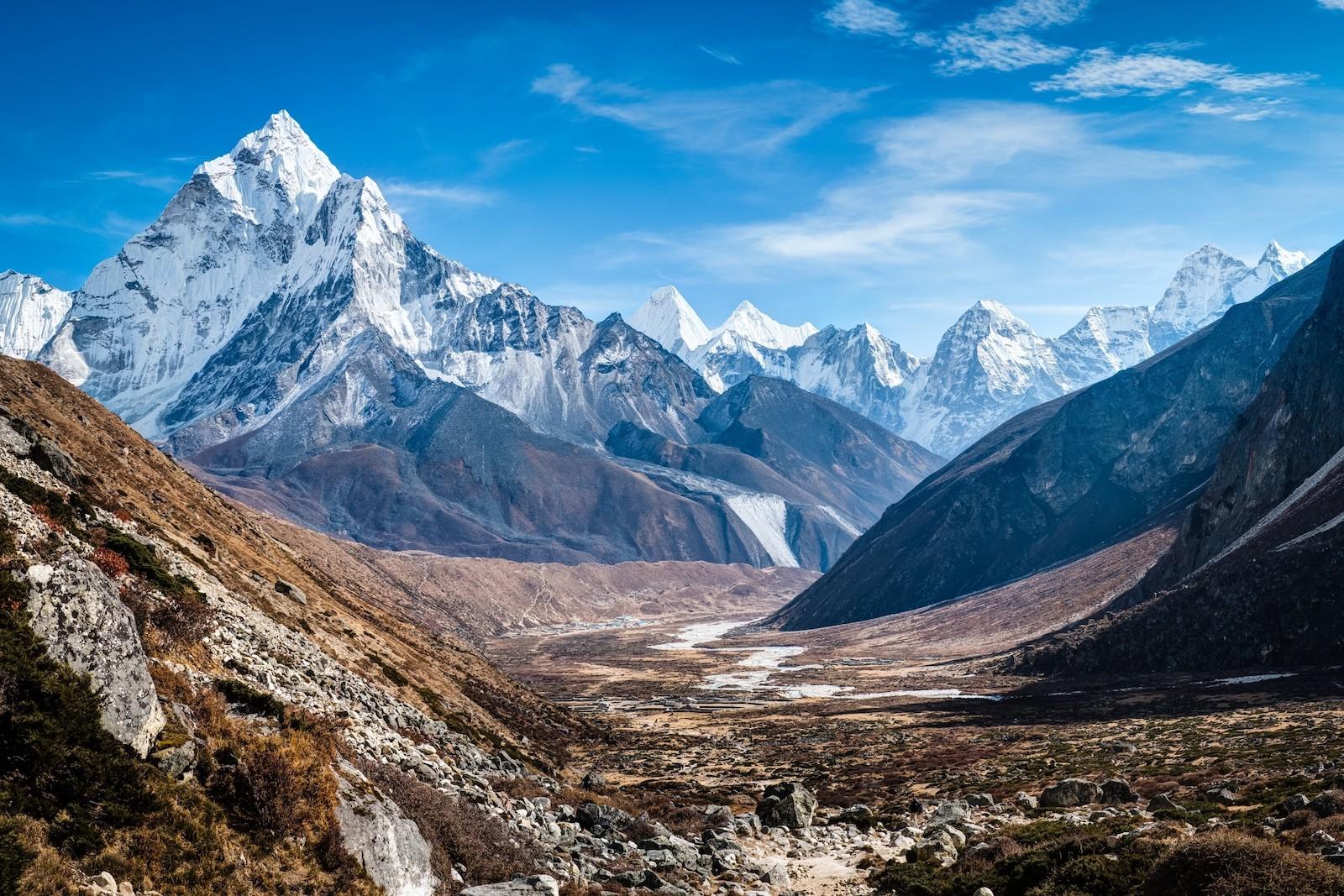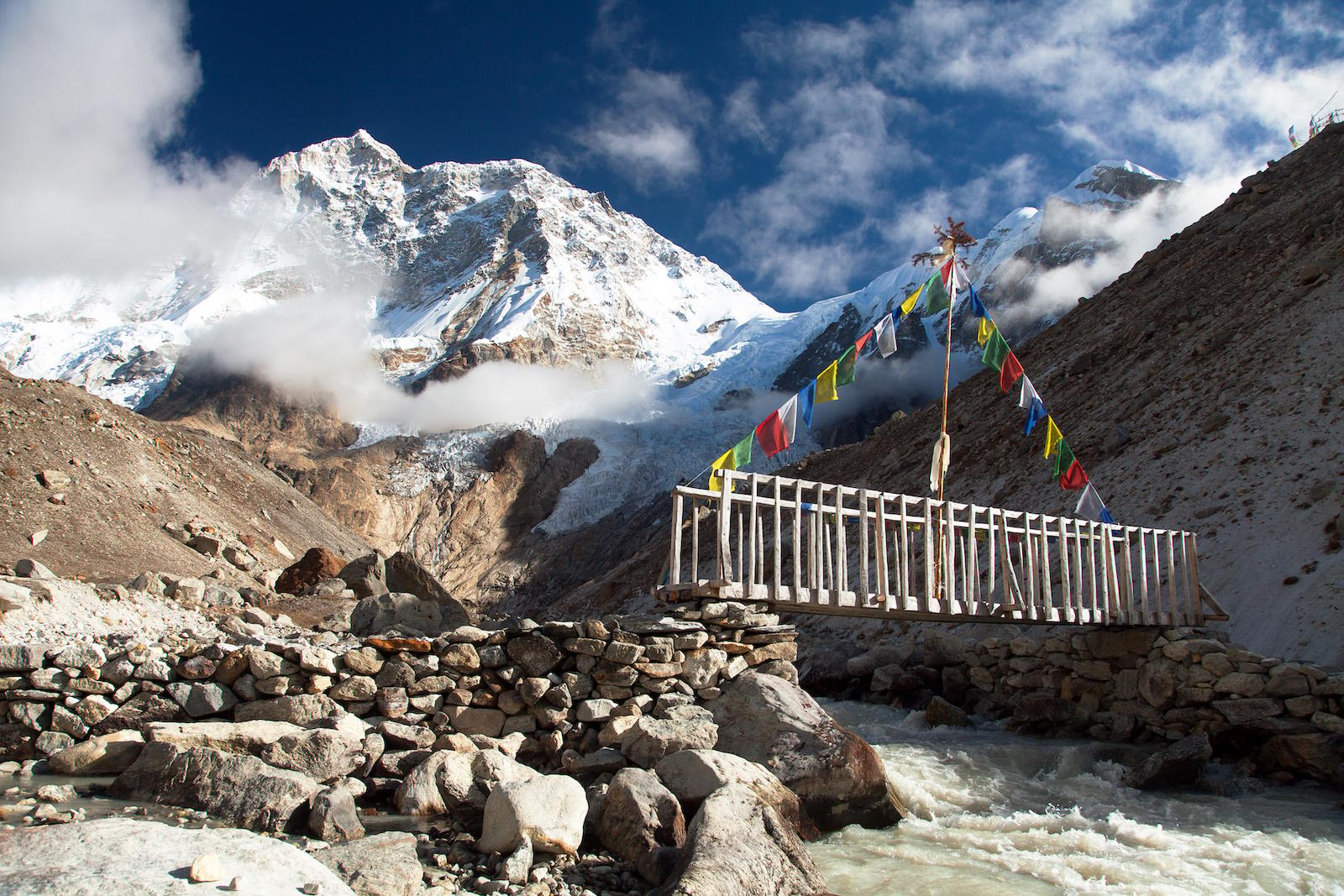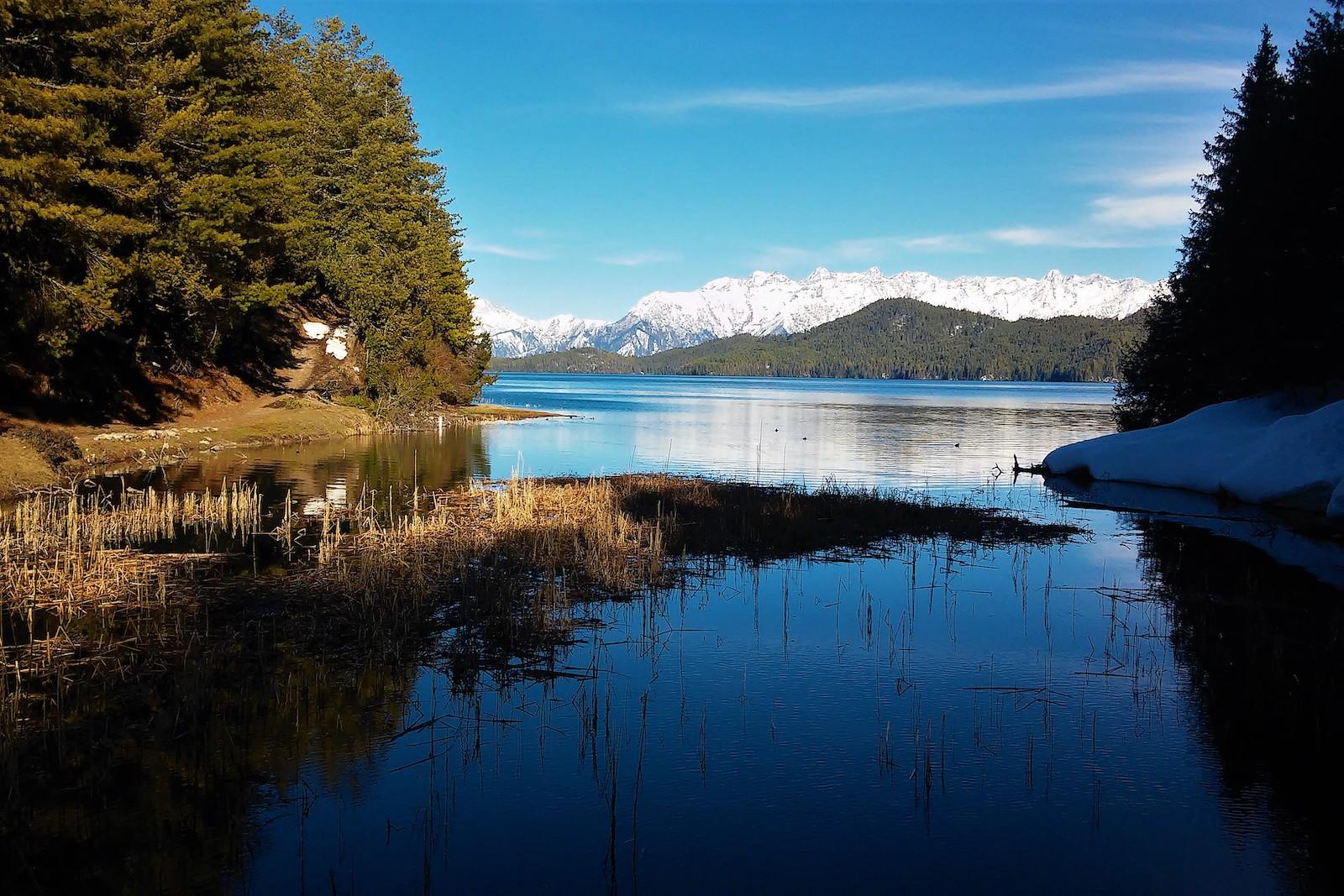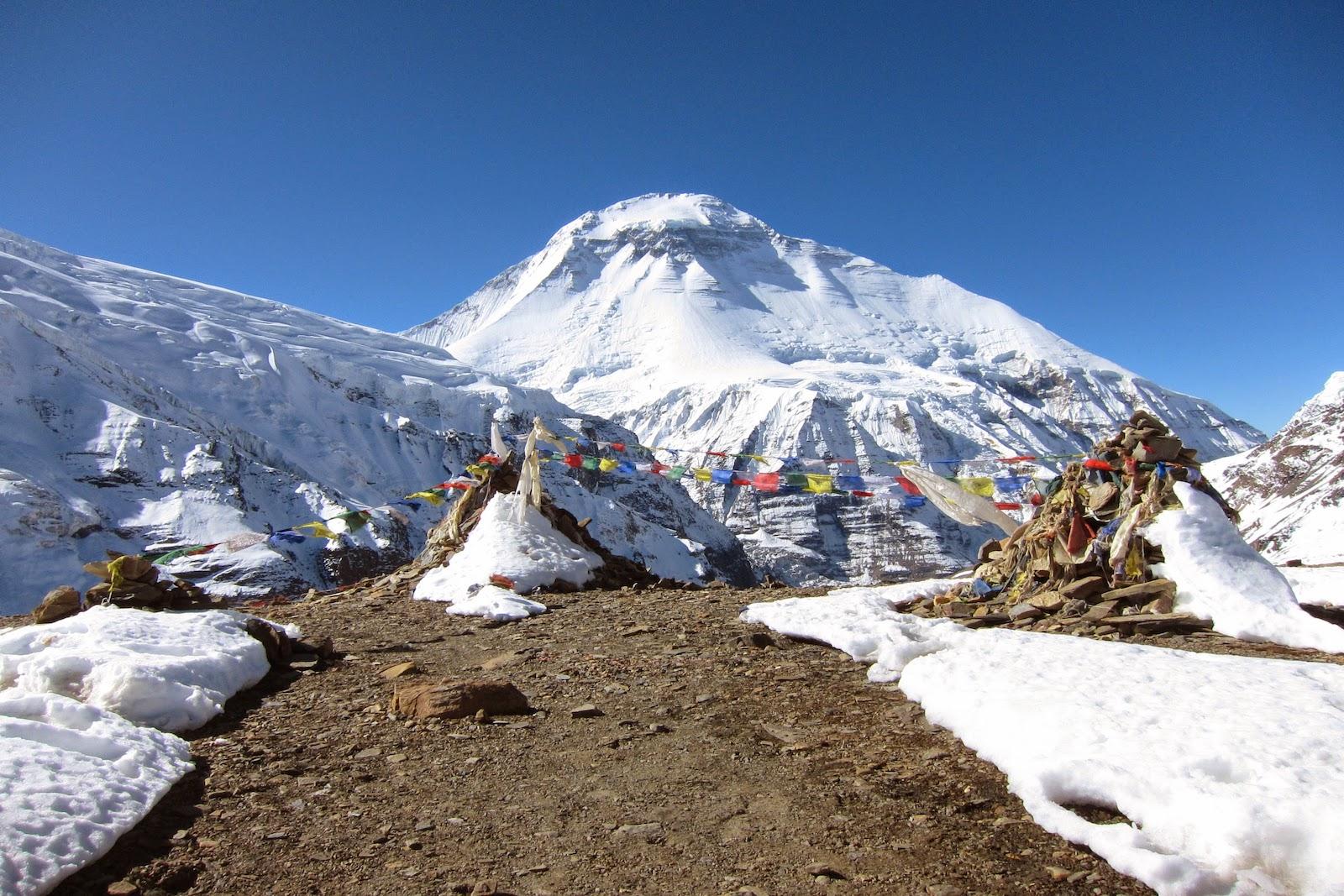
Kanchenjunga circuit Trek offers breathtaking views of the world's third highest peak, remote Himalayan landscapes, and encounters with diverse ethnic cultures.

Overview

Kanchenjunga Circuit Trek is one of the best off the beaten/remote area trekking destination in Nepal.  Mount Kanchenjunga stands tall at the height of 8586m above sea level. It is located in the eastern Himalayas on the border between Sikkim state, northeastern India and eastern Nepal, 46 miles (74km) northwest of Darjeeling, Sikkim.

The Kanchenjunga massif is in the form of the gigantic cross whose arms extend north, south, east and west. Kanchenjunga Base Camp Trek foremost is an interesting journey exposing the great Himalayas of Nepal and authentic culture of one of an indigenous ethnic group- Limbu of Nepal.

The trail is quiet, scenic, and remote. The trail has been trekked by few numbers of trekkers so you will get to meet the local pedestrians as your companion. This inspirational trek is in the pristine Himalayan community and rewards a journey of a lifetime. 

Kanchenjunga Base Camp Trek provides an excellent opportunity for those who wish to enter the hills and valleys of eastern Nepal that leads you to the foothills of Mt. Kanchenjunga offering unlimited and superb camping sites offering magnificent natural scenery as afforded by snowy peaks.

Therefore, Kanchenjunga Base Camp Trek is truly an Inspirational Himalayan Trip. 

Journey to the Kanchenjungha Circuit

We will be on our way to the Kanchanjunga from Kathmandu to Suketar, from Taplejung to Domestic, and then we will move the woods and rhododendrons, to Lali-Kharka, (2,220m)-Keswa(2,100m)-Mamanke (2,000 m) above sea level, and on Yamphudin(1,650 m), we will walk along Lamite Bhanjying and Torotan to Lamche(3,750 m), Ramche(4,360 m) to Mirgin-La Kanchenjunga.

Touring the Kanchenjunga, we shall start from Kathmandu to Suketar. We will thus end our amazing and daredevil Kanchenjunga Trek. The trail starts at the north side of Kanchenjunga with views of the Tent top, the Nepal plateau and the Cross Peak.

The walk returns from Pangpema to Ghunsa, accompanied by the Mirgin La to the south of Kanchenjunga. We will once visit Ramche and Oktang Yak pastures, with a magnificent view of the south-west frontier of Kanchenjunga.

Highlights of Kanchenjungha Circuit Trek

  • Spectacular views of the Kenchenjunga mountains 
  • Yalung Glacier and other crossings at high altitude 
  • Sanctuaries and magnificent landscapes religious communities. 
  • Villages of traditional Sherpa 
  • A black head in the Himalayas, a mask of the Assamese, a Musk Wolf, a Red Panda and Snow Leopards. 
  • Rhododendrons, orchids, lily plants etc.

Trip Grade: Strenuous

A difficult trek or grade 3 from an altitude from 4000 m to 5550 m. The best of Nepal's trekking is category 3. You need some previous trekking activities and good health. Climbing and descending are quite common walking experiences and you may also need to cross little glaciers.

Walking in higher altitudes is more physically demanding than walking in lower altitudes, however, the pace of the trek will vary in compensation. If you are in excellent health with average physical fitness and have strong determination, you will complete this trek successfully.

Exercising, particularly jogging and climbing stairs regularly for some weeks prior to your arrival is recommended to enhance your strength and fitness. Past hiking experience would be an asset, but no technical skill is required.

This kind of trip gives you a lifetime experience, a breathtaking stroll around the mountains. 

Detailed Itinerary 20 Days

Upon your arrival at Tribhuwan International Airport in medieval and modernized Kathmandu, you will be warmly received by our representative and transported to the hotel. Upon check-in and some refreshments, our senior mountain guide will give you a quick briefing on the Kanchenjungha Circuit Trek.

In the morning, we will take a flight to Bhadrapur from Kathmandu. The flight duration is about 45 min. And from Bhadrapur we will drive to Taplejung which is about 9 hours drive.

We leave the village of Taplejung and walk through the flourishing green hills that pass rivers and steep ridges. Throughout the path we travel through a few rural settlements with individuality of mud homes, rice fields, fruit trees and terraced crops, before heading down to the Tamur River to visit some small villages upstream. Before reaching Chiruwa, the trail continues and follows the nature but undulates the contours of the ground. 

We leave Chiruwa, follow the trail along the Tamur River and finally arrive at Sekathum. We go down to Simbua Khola and cross over the bridge over the river – the Yalung Glacier is its root. Again, before you enter the Ghunsa Khola Valley, we head up another mountain. After the Tamur River and Ghunsa Khola have converged, we will proceed for a short time and rest the night in a teahouse.

Setting out on an exciting adventure through the majestic Himalayas for the say starts with a climb alongside the Ghunsa Khola. As you trek across several bridges, you'll find yourself surrounded by lush, green trees and stumble upon charming settlements like Jonggim and Ghaiyabari along the way. Eventually, your journey leads you to the welcoming destination of Amjilosa.

Setting out on an exciting adventure through the majestic Himalayas starts with a climb alongside the Ghunsa Khola. As you trek across several bridges, you'll find yourself surrounded by lush, green trees and stumble upon charming settlements like Jonggim and Ghaiyabari along the way. Eventually, your journey leads you to the welcoming destination of Gyabla.

The path takes us across a wonderful forest, a small town, and a small hill after having left Gyabla. We go down the river and pass through the village of Ghunsa, a large village of Tibetan houses, a school, a health center, and its own hydropower station. In the Kanchenjunga Protection Area is the village, where people relax and share tales of their journey. There were numerous Buddhist fortresses. We stay tonight in Ghunsa, the last of the valley villages.

Exploration of Ghunsa and surrounding. We trek across the river to an altitude of 400 meters above the village, taking around 4 hours to return. For the remainder of the day, we will wander around this Tibetan village, Dzonga Family house chatting with the locals and absorbing their rich culture.

After we leave Ghunsa, we walk across magnificent pine and rhododendron forests on the southern bank of Ghunsa Kola. When we get to the source of the Ghunsa Khola, we walk north along the glacier of Kanchenjunga and reach to Khambachen.

Today, we will take a flat path along the Lhonak Glacier to Lhonak, where we meet today. At this height, the air is thin and dry, but we're balanced by the spectacular view from the Wedge, the Mera, the Nepal peak, and the Twins.

After leaving Lhonak, we head east and live on the northern slopes near the Lhonak glacier until we reach the Pangpema base camp in Kanchenjunga, where the massive surrounding mountains provide a great photo opportunity. We return to Lhonak for the night after this incredible encounter.

Spend the night in Lhonak and hike to Pangpema on the 10th day, then back to Lhonak on the same day.

On this day, we return to Ghunsa, following the same route we took to reach Kanchenjunga Base Camp. We will stay here for the night.

Today's walk takes us along a steep, rock-strewn road that carries us through a forest to the High Camp. We live in Selele Kharka just after the move for the night. It's over the high pass, where we're spending the night.

One of the most unforgettable parts of the trek today was crossing two passes: the pass of Selele (4480 m) and the pass of Sinion La (4660 m). Once we've passed Sinion La Pass, we go down about 1000 m to Tseram, where we stay the evening.

After leaving Tseram, we walk along the Yalung Glacier terminal into a hilly valley. Nepal and India border the peaks of this region. We will go through Ramche, where there is a lake and a meadow. On the grassy slopes, blue sheep can also be seen.

We are passing rocky paths and mountains from Ramche to Oktang Glacier. From there, we follow the trail for the night back to Tseram.

It's much better to go back and give us some time to enjoy the beautiful sights and wild orchids as we go down the protection path. Today we go back down the same way back to Simbuwa Khola. Tonight we're in Torangdin where we spend our night.

We will return upwards through a number of tiny settlements and thick forests on today's Kanchenjunga trek. With sporadic views of snow-capped peaks in the distance, the trail steadily ascends through terraced farms and ancient communities.

With its ridgetop location, the settlement of Yasang provides breathtaking views of the surrounding mountains and valleys.

The walk starts out this day with a slow descent through verdant forests, passing tiny settlements where we can observe the way of life of the locals. The mountainous topography gives way to a more temperate setting as you follow the Tamor River.

There are many opportunities to take in the natural splendor of eastern Nepal throughout the two to three-hour walk from Yasang to Hellok. A jeep will be waiting for the return trip to Taplejung after they arrive at Hellok.

As we travel past the region's characteristic terraced farmlands and gorgeous hillsides, we have time to think back on the incredible experience.

On this day, we're embarking on a picturesque bus ride from Taplejung to Bhadrapur. As we traverse the rolling hills, we'll pass through vibrant forests, cozy settlements, and delightful Nepali villages, immersing ourselves in the genuine essence of local living.

We will take a flight to Kathmandu from Bhadrapur. The flight is 45 minutes long. Our representative from Himalayan Social Journey will be there to pick you up and bring you back to the hotel.

Use your last morning in Kathmandu according to your flight time. Pack your things, check out of the hotel, Head to Tribhuvan International Airport for your departure. Wishing you a safe and pleasant journey back home!

Departures & Availability
Your information is kept confidential and secure

Inclusions/Exclusions
Included
Airport pick up and drop
Three star category hotel in Kathmandu (Himalayan Suite Hotel) in twin sharing bed and breakfast basis
Simple accommodation in guesthouses during the trek in twin sharing basisAll meals (3 meals a day ) and accommodation in simple guest house for the clients in trek days
Three time meals (Breakfast, Lunch and Dinner) during the trek
Highly experienced guide and porters (1 porter for 2 people) and their all expenses (food, accommodation, salary, equipment, insurance)
Special permit and Tims and national park fees
Airfare Kathmandu-Bhadrapur-Kathmandu
Welcome Dinner on Day 1
Land transportation by sharing jeep
All necessary equipment (sleeping bag and duffel bag) during the trek
Trek completion certificate
All government taxes, office expenses and service charge
Not Included
Lunch and Dinner in Kathmandu
Personal equipment and clothing
Your insurance
Cold drinks and beverages
Personal expenses and tips to the crew
Tipping for driver, guide, and porter as per your satisfaction
Anything not mentioned in the itinerary
Additional Information

Travel and Transportation Modes

On Land: Touring to and from city destinations is done on a private vehicle such as a car, jeep or microbus. Luxury tourist buses, which are only hired by the company for the most part, make the long distance travel. You will may have to take a public bus on some trip, but you do not need to worry about your protection or comfort because you ride with our guides and support staff in a group.

By Air: Flight from Kathmandu to Bhadrapur and back is included in the total trip cost.

This Tour with HSJ

Guides and Porters

Our local Nepali team is one of the most experienced, hospitable and respected trekking outfits in Nepal. The team is fully licensed and affiliated with the Trekking Agency's Association of Nepal (TAAN), Nepal Mountaineering Association, Nepal Tourism Board, Govt. of Nepal, Sustainable Tourism Network, Himalayan Rescue Association and Kathmandu Environmental Educational Project. You will be provided with the professional and an experienced English speaking trekking guide with the good knowledge of the place and the trek. The trekking crew is skilled with the experience of over 10 years, well-trained, friendly guide and, courteous and helpful porters, assured of a wonderfully memorable experience.

For the trek, we'll have one porter for two people as per group size. The porter will carry 12-15 kg per person luggage during the trek. You need to carry your day pack to keep your personal belongings such as wallet, camera, water bottle, dry snack, headlight, gadgets, etc. The safety and concerns of our porters is our collective responsibility. We take our responsibilities towards them and their safety concerns strictly. On your part, please carry only things that are of absolute necessities.

Other Programs and complimentary services with this trip

• Welcome and Farewell dinner

• Yoga Classes

• Spa services

How do we make sure you get the best experience of this trek?

We are your completely flexible travel partner. Want to follow different route? We have you covered. Have extra time in Nepal? Excellent! We have more add-on tours like Chitwan Jungle Safari, Cable Car ride to Chandragiri hills, Cooking and Yoga classes in Kathmandu and so on. Would like to customize the trip? Well, why not? Give us your ideas and we will prepare complete itinerary for you. Do you want to use different standard of accommodations than provided in the itineraries? Of course! You absolutely can. From your arrival until you departure, your wishes are our command. Feel free to make the request.

Last minute booking

It is best to book in advance but for those who cannot, for whatever reason, make a last minute reservation special arrangement for Himalayan Social Journey. In the case of last minute reservation, 100% tour payment will be approved within 24 hours. We try to operate a trek at any time but we are not liable for the delay in case of last-minute reservation, because of uncontrolled changes such as weather and the availability of accommodation.

Feedbacks

Throughout the years of business, we have always put the customers feedback as our inspiration towards making our company great travel partner. With many ups and downs, and good and not so good feedbacks we have reached where we are now. At the end of the trek, while you are with the crew during farewell dinner, we would appreciate if you give us your valuable feedback, account of good and bad experiences, recommendations and also your honest rating to our trip advisor page.

Important Information

Past experience and physical condition

The Kanchenjunga Tour has been rated by its terrain and its high altitudes as highly challenging and a difficult Trip. Trekking around these remote areas may sometimes be difficult because of landslides, which will take you to many less traveled and undeveloped areas that make it difficult in places to cross rockfall, moraine and streams. The roads may also be influenced in the beginning and finish of the trip. You should train yourself and be physically trained beforehand. The difficult terrain and high altitudes will therefore be facilitated.

Lodging and foods on trek

We deliver 3-star hotel accommodation for you on the Kanchenjunga circuit Trek in Kathmandu (3 nights) and Lodge / Teahouses wherever possible and in the case of not, you will be staying overnight in tented camps. Rooms, usually a single bed with blankets and a pillow, are basic. All accommodation has twin shares, except on the higher altitudes or after Kambachen, where you will enjoy homestay. The hike Kanchenjunga is located in remote places so that the comfort level down on the mountain may not be the same. You will be provided with sleep-packs, jackets and duffle bags (that have to be returned back after the trek).

Breakfast will be served in Kathmandu whereas all meals (breakfast, lunch, and dinner) will be provided during the trek. Food along the Kanchenjunga Circuit Trek is much like it is elsewhere in Nepal, with a heavy reliance on rice, lentils and vegetable curries.

Connecting to the world outside while on the trek

Wifi and connectivity is luxury you may not always have during this trek. Wi-fi is available in some limited tea houses and also may not be always good enough. 

Electricity and Charging on the trek route

If you want to charge your phone, camera, the tea house will charge you $2 to $4. Most of the place doesn’t have electricity. If you have a solar charger, we recommend you to bring it. You will have to pay for the hot water, and hot bucket shower.

Drinking water availability on the trek

Bottled water is accessible in some places but are expensive and for many reasons not recommended. Most villages have a safe and secure source of water, and most of us use local drinking water. You can get boiled water from tea houses at a small charge. For your own peace of mind, you are advised to bring your own purification tablets.

Obtaining trekking permits

Kanchenjunga region is protected by the Kanchenjunga Conservation Area and requires a special trekking permit. Himalayan Social Journey shall arrange for all then necessary permits and TIMS for your smooth trekking experience. 

Insuring your Security

All the participants in the tour should receive health insurance covering at least medical and emergency evacuation. In emergency situations, helicopter evacuation is provided but you must ensure that the evacuation cost is covered by your insurance. Of course, you also want cover for personal losses or damages, cancelation of flight or trip, etc.

Luggage limit per person

Often this depends on the trek and the maximum altitude gain. Each porter carries between 15 and 30 kg on average in the mountain region for trekking. There is up to 40 kg of a camping pack. We usually assign one porter to our two trekkers.  15 kg of luggage is allowed per person on the trek. The health of our porter crew is strictly guaranteed.

Best time to do this trek

Like all other trekking routes of Nepal, Spring and Autumn are best time to embark on the journey to Kanchenjanga Region. While safety precautions and other cautionary methods should be adopted to avoid difficulties in trekking at the time of off seasons due to unpredictable weather of the mountains.

List of Equipments you will need for trek

Clothing

·         Trekking boots

·         Short-sleeved Trekking shirts

·         Trekking pants and jackets

·         Thermals underwear

·         Long-sleeved Trekking shirts

·         Insulating down jackets

·         Woolen cap

·         Trekking Gloves

·         Raincoats

First Aid

·         Diamox tablets

·         Sanitary pads / Tampons

·         Anti-nausea Medicines

·         Band-aids

·         Mosquito and insect repellents

Toiletries

·         Soap

·         Toilet Paper

·         Shampoo

·         Sunscreen

·         Moisturizer

·         Hand sanitizer

Accessories

·         Sunglasses

·         Sleeping bag

·         Cameras

·         Batteries

·         Water Bottle

·         Solar Chargers

·         Hot water Thermos

Important Documents

·         Passport

·         Travel Permits

Frequently Asked Questions

Past experience and physical condition

The Kanchenjunga Tour has been rated by its terrain and its high altitudes as highly challenging and a difficult Trip. Trekking around these remote areas may sometimes be difficult because of landslides, which will take you to many less traveled and undeveloped areas that make it difficult in places to cross rockfall, moraine and streams. The roads may also be influenced in the beginning and finish of the trip. You should train yourself and be physically trained beforehand. The difficult terrain and high altitudes will therefore be facilitated.

Lodging and foods on trek

We deliver 3-star hotel accommodation for you on the Kanchenjunga circuit Trek in Kathmandu (3 nights) and Lodge / Teahouses wherever possible and in the case of not, you will be staying overnight in tented camps. Rooms, usually a single bed with blankets and a pillow, are basic. All accommodation has twin shares, except on the higher altitudes or after Kambachen, where you will enjoy homestay. The hike Kanchenjunga is located in remote places so that the comfort level down on the mountain may not be the same. You will be provided with sleep-packs, jackets and duffle bags (that have to be returned back after the trek).

Breakfast will be served in Kathmandu whereas all meals (breakfast, lunch, and dinner) will be provided during the trek. Food along the Kanchenjunga Circuit Trek is much like it is elsewhere in Nepal, with a heavy reliance on rice, lentils and vegetable curries.

Connecting to the world outside while on the trek

Wifi and connectivity is luxury you may not always have during this trek. Wi-fi is available in some limited tea houses and also may not be always good enough. 

Electricity and Charging on the trek route

If you want to charge your phone, camera, the tea house will charge you $2 to $4. Most of the place doesn’t have electricity. If you have a solar charger, we recommend you to bring it. You will have to pay for the hot water, and hot bucket shower.

Drinking water availability on the trek

Bottled water is accessible in some places but are expensive and for many reasons not recommended. Most villages have a safe and secure source of water, and most of us use local drinking water. You can get boiled water from tea houses at a small charge. For your own peace of mind, you are advised to bring your own purification tablets.

Obtaining trekking permits

Kanchenjunga region is protected by the Kanchenjunga Conservation Area and requires a special trekking permit. Himalayan Social Journey shall arrange for all then necessary permits and TIMS for your smooth trekking experience. 

Insuring your Security

All the participants in the tour should receive health insurance covering at least medical and emergency evacuation. In emergency situations, helicopter evacuation is provided but you must ensure that the evacuation cost is covered by your insurance. Of course, you also want cover for personal losses or damages, cancelation of flight or trip, etc.

Luggage limit per person

Often this depends on the trek and the maximum altitude gain. Each porter carries between 15 and 30 kg on average in the mountain region for trekking. There is up to 40 kg of a camping pack. We usually assign one porter to our two trekkers.  15 kg of luggage is allowed per person on the trek. The health of our porter crew is strictly guaranteed.

Best time to do this trek

Like all other trekking routes of Nepal, Spring and Autumn are best time to embark on the journey to Kanchenjanga Region. While safety precautions and other cautionary methods should be adopted to avoid difficulties in trekking at the time of off seasons due to unpredictable weather of the mountains.

List of Equipments you will need for trek

Clothing

·         Trekking boots

·         Short-sleeved Trekking shirts

·         Trekking pants and jackets

·         Thermals underwear

·         Long-sleeved Trekking shirts

·         Insulating down jackets

·         Woolen cap

·         Trekking Gloves

·         Raincoats

First Aid

·         Diamox tablets

·         Sanitary pads / Tampons

·         Anti-nausea Medicines

·         Band-aids

·         Mosquito and insect repellents

Toiletries

·         Soap

·         Toilet Paper

·         Shampoo

·         Sunscreen

·         Moisturizer

·         Hand sanitizer

Accessories

·         Sunglasses

·         Sleeping bag

·         Cameras

·         Batteries

·         Water Bottle

·         Solar Chargers

·         Hot water Thermos

Important Documents

·         Passport

·         Travel Permits