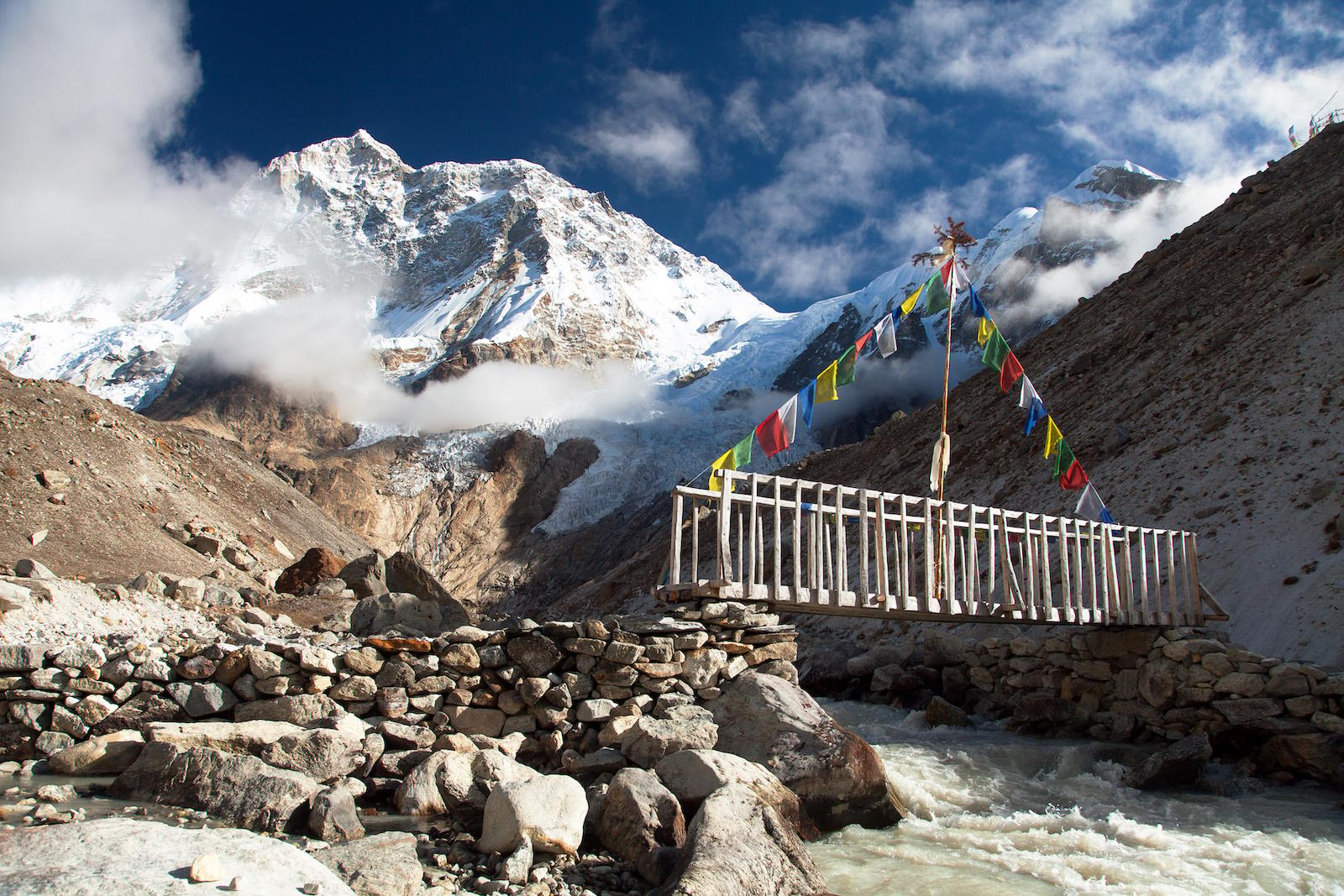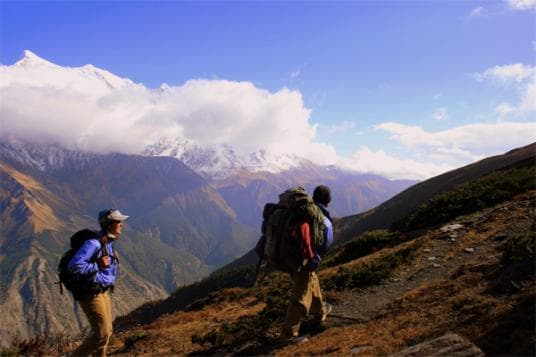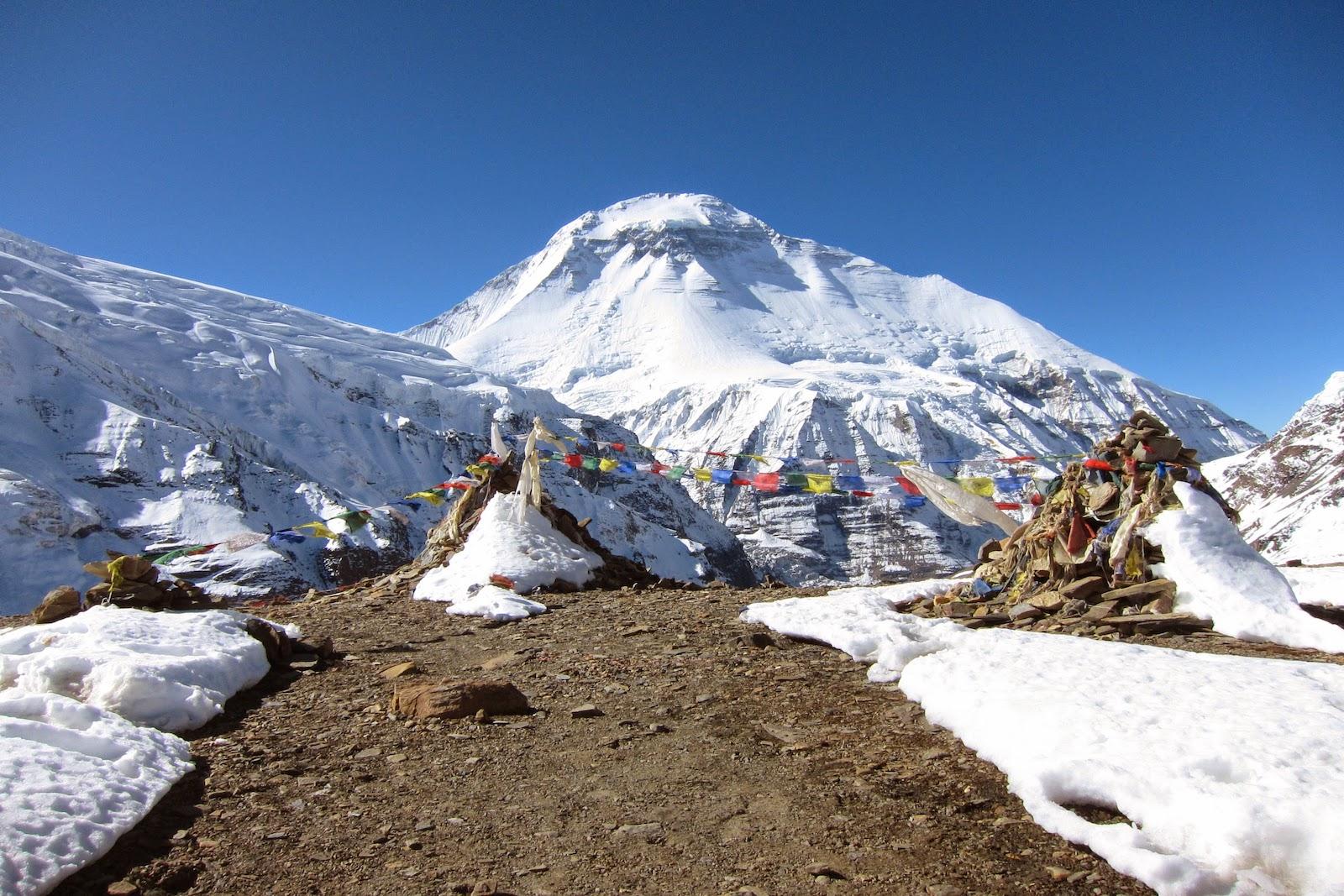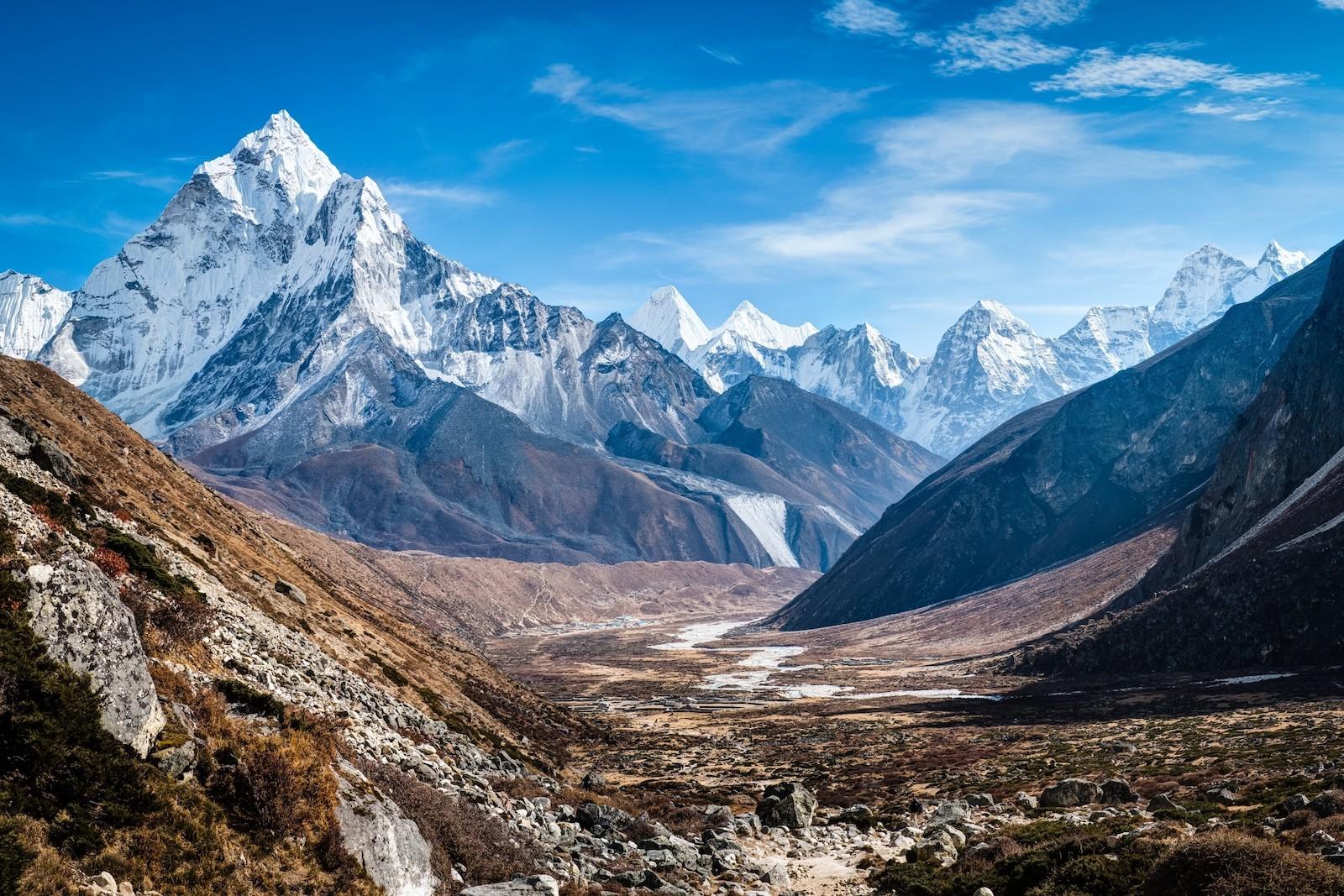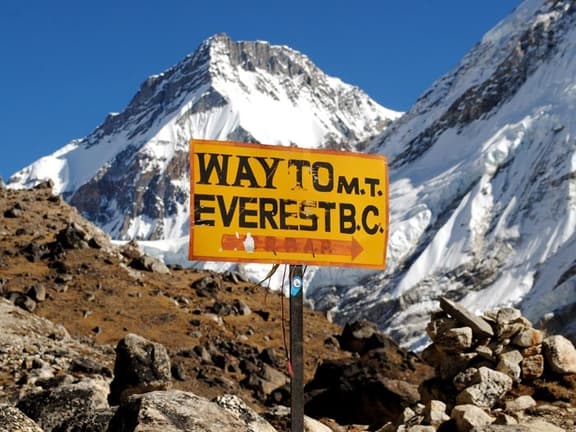
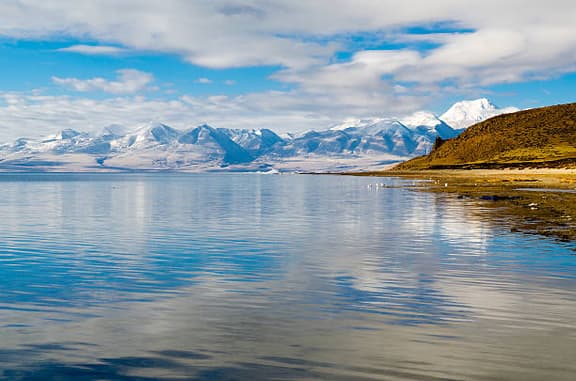

Makalu Base Camp trek offers breathtaking views of the world's fifth highest peak, Makalu, along with diverse landscapes,including lush forests,high-altitude passes,and remote villages.

Overview

This trek takes you through isolated valleys and high mountain passes to the base of the world's fifth highest mountain Mt.Makalu. The majority of the trek route lies inside Makalu-Barun national park, famous for a beautiful and variant array of flora and fauna.

Here you will find some of Nepal's most amazing scenery, ranging from the sweeping Arun river valley, over the Barun La (4200m), to the remorseless Ice fields surrounding Makalu (8463 m).

Trekking through the Arun valley offers you the best opportunity to observe many of our country's bird species, including the Spiny Babbler, the only species of its kind in the world. Practically untouched, this region has much more to offer you besides birds and wildlife… find out for yourself!

Journey

The trek starts from the small hill town of Hile, accessible by road or air, or through Tumlingtar, the district headquarters of Sunkhwasabha. Makalu Base Camp trek starts at Tumlingtar and goes up towards Sedua and Num up the Arun River valley and crosses Shipton La Pass (4210 meters) into the upper Barun river valley to take a closer view of Makalu and Himal Chamlang.

This tour covers one of Nepal's farthest and most rare places. The valley of Barun is part of a large global protected area which contains 2330 sq. km of National Park and 830 sq. km of the protected territory in Nepal alone. The 8th largest national park in Nepal, Makalu Barun, is 2330 square metres. Km, and some of the uncommon flora and fauna, including  Red Panda, are in Nepal.

In your journey, you shall pass through the terraced land inhabited by the inhabitants of Rai, which was mainly found in the hills of eastern Nepal, has an ethnic group.

You will encounter sheer granite peaks, glaciers and stunning waterfalls deeper in the mountains beyond Barun River Valley. The Sherpa community, an ethnically Tibetan tribe that resides mainly around Everest, dwell on the higher elevations. The scarcely viewed Kangshung Everest as well as Lhotse, Chamlang and Kanchenjunga on the far east can be seen from Makalu Base Camp.

Highlights 

  • Find out more about the great ride to Makalu Base Camp where just a few people went.
  • On one day of trekking, skip the Shipton La and three other high passes
  • Discover Makalu Base camp for a whole day
  • Reach complex ecosystems from 700 m to over 5 000 meters in various temperate zones
  • Stay in tea houses on the way to the village and directly contribute to the local economy.

Trip Grade: Three ( Strenuous)

A difficult trek or grade 3 from an altitude from 4000 m to 5550 m. The best of Nepal's trekking is category 3. You need some previous trekking activities and good health.

Climbing and descending are quite common walking experiences and you may also need to cross little glaciers. Walking in higher altitudes is more physically demanding than walking in lower altitudes, however, the pace of the trek will vary in compensation.

If you are in excellent health with average physical fitness and have strong determination, you will complete this trek successfully. Exercising, particularly jogging and climbing stairs regularly for some weeks prior to your arrival is recommended to enhance your strength and fitness.

Past hiking experience would be an asset, but no technical skill is required. This kind of trip gives you a lifetime experience, a breathtaking stroll around the mountains.

Detailed Itinerary

Upon your arrival at Tribhuwan International Airport in medieval and modernized Kathmandu, you will be warmly received by our representative and transported to the hotel. Upon check-in and some refreshments, our senior mountain guide will give you a quick briefing on the Makalu Base Camp Trek.


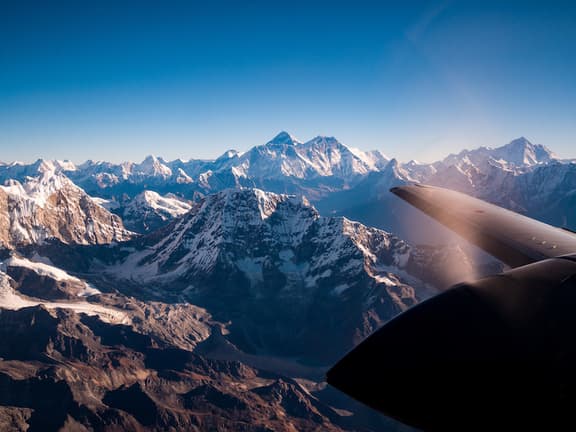
This after breakfast, the village of Tumlingtar will take you 50 minutes on the flight to Tumlingtar in the East, where we start from the Arun valley on a steep highway. While in aircraft we can take advantage of the panoramic sites of large Himalayas in Nepal such as the Everest Mountain (8,848 m), the Macalu Mountains (8,563 m), the Oyu Mountains (7,451 ft), the Lhotse Mt. and the Shar mountain (8,481 ft.), the Kanchenjunga mountain, the Gaurishanker mountain, the Ganesh mountain range, the Langtang mountain range etc. When you get off the plane, take 4 hours on the gravel road and cross Chichila to Num, where we stay overnight.


Today we go down a track that steeply descends from the village of Num through the Lumbang country side, but which descends steeply through a jungle to the Arun River suspension bridge (660 m). We climb steeply from the bridge to the original tea shop. Often pretty hot – the forest offers some shade in the valleys. Along the rocky road with small terraces planted with maize and barley, the climb to Seduwa (1460 metres), is long, steep and rough. Makalu Barun National Park starts in this area.


We will ascend over the Kasuwa Khola to Gyang (1,770 m) slowly from Seduwa. The walk to Hindrungma village and Rupisa is gentle through terraced fields and wooded areas. We pass by small fields of paddy, cross wild meadows and several rivers, then go up to the village of Sherpa in Tashi Gaon. Once here, the amazing Himalayan scenery surrounds us.

Today, we have a acclimatization day at Tashi Gaun and we are going to camp.

This will be a rough day because we will go on a steep climb uphill route. We'll climb up a river and then a ridge through the forests. The trail goes even steeper from here through a Kharka and finally takes a series of rough stairs of stone and small lakes up to the top of the ridge. It's a short route to Khongma Danda from here. The route extends through the desolate Barun Valley from Khongma. Khongma is near the La Pass ship. We 're going to live in Khongma overnight.


Following steep turning points to 3840 meters, we ascend to Mumbuk for a time, where we see wonderful views of Chhamlang, Peak 6 and peak 7 of 6739 meters and6105 meters. We climb up the ridge to the first Ghungre pass between the three bridges to reach the Barun Khola by climbing up an escalator. We cross the first pass. From there we head up to Siffton La and down to Keke La (4150 m). This path crosses a valley lined with rhododendrons and eventually descends steeply into a tannin forest to Mumbuk.


We continue westward in the foggy forests at the bottom of the Barun Valley down 300 m from Mumbuk to a rocky gully. We pass several rivers, pass Barun and Yangle Kharka on the wooden bridge. Yangle Kharka is a wide meadow 3600 meters high, a fine place to camp. We make Yangle Kharka 's wide meadow our place to rest.


Your trip today is a little rough relative to the previous ones, as there are many altitudes. A long walk to the valley of Shershon. The steep rocks you will have to climb, so be attentive. On your way to Jhark, Ramara, and Mera, you will also see numerous waterfalls and many small settlements. After 6-7 hours of trekking and hiking you will finally reach Sherson and finish the trek that day.


The route is just an hour and a half from Shershon to Makalu Base Camp. You will reach Makalu Base Camp on a short walk through the rocky mountain roads. You can enjoy the panorama and beauty of the Makalu Base Camp in enough time.

You return to Nehe Kharka from Makalu Base Camp after a while of appreciation and enjoy the stunning view of the mountains and glacier. At the Nehe Kharka we'll spend the night.


Now our journey back home begins with our day trip to the Makalu Basic Camp. So we've started our trek after a heavy breakfast at Shersong. We walk back up to the Barun Valley to the lovely Yangle Kharka camp.


When we got down from Shersong to Yangle Kharka the day before, we continued to go down the rocky falls and then climb the rocky gully to the Mumbuk trees.


We start the walk from Mumbuk with a steep climb. The road climbs slightly and passes through the woods of rhododendrons. Instead we pass the Keke La River, Tutu La River, and Kauma La River en route. Next, we 're going down again to Khongma Danda. Khongma Danda overnight.


We are back to Tashi Gaon today on a long steep descent. The trek starts across the hillsides, with steep and sometimes long descents. The path continues to the ancestral Sherpa village of Tashi Gaon and takes us through thick forests. Six hours of easy walking takes us to Tashi Gaon, a culturally rich town where we will spend the night.


The road climbs the hillside and goes through villages and cities when we eventually head down to Seduwa. We leave Seduwa further and walk along the lush forest in the direction of Num. The path goes up and down through thick woods and the villages of Sherpa as we walk down. Numbering overnight.


We will take jeep that will drive us from Num to Tumlingtar. We will stay overnight at Tumlingtar.


After having breakfast we transfer to the airport to fly back to Kathmandu. 50minutes of scenic flight will take us back to Kathmandu. Arrive Kathmandu and transfer to hotel. 


Kathmandu sightseeing (Swoyambunath Stupa, Pashupati Nath Temple, Bouddhanath and Patan Durbar Square).

Our vehicle and escorts will be on standby to drop you to the international airport three hours before our scheduled flight back home.


Departures & Availability
Your information is kept confidential and secure
Inclusions/Exclusions
Included
All surface transfers as per itinerary
Three star catagory hotel in Kathmandu(Himalaya Suite Hotel, or similar category) in twin sharing bed and breakfast basis
Fooding, lodging and other expenses of trekking crew
Transportation by bus
All meals (B.L.D) and lodging for the clients in trek days
Necessary permit,and national park fees
Guided sightseeing tour in Kathmandu
Necessary equipments( Sleeping bag, Jacket and trekking pole) during the trek.
Insurance for all trekking staff.
30 min full body Massage in Himalayan Suite Spa
Not Included
Lunch and dinner in Kathmandu
City sightseeing entry fee,Personal equipments and clothing
Airfare and your insurances
Cold and alcoholic drinks
Personal expenses and tips to the crew
Additional Information

Travel and Transportation Modes

On Land: Touring to and from city destinations is done on a private vehicle such as a car, jeep or microbus. Luxury tourist buses, which are only hired by the company for the most part, make the long distance travel. You will may have to take a public bus on some trip, but you do not need to worry about your protection or comfort because you ride with our guides and support staff in a group.

By Air: Flight from Kathmandu to Tumlingtar and back is included in the total cost for this trip.

This Tour with HSJ

Guides and Porters

Our local Nepali team is one of the most experienced, hospitable and respected trekking outfits in Nepal. The team is fully licensed and affiliated with the Trekking Agency's Association of Nepal (TAAN), Nepal Mountaineering Association, Nepal Tourism Board, Govt. of Nepal, Sustainable Tourism Network, Himalayan Rescue Association and Kathmandu Environmental Educational Project. You will be provided with the professional and an experienced English speaking trekking guide with the good knowledge of the place and the trek. The trekking crew is skilled with the experience of over 10 years, well-trained, friendly guide and, courteous and helpful porters, assured of a wonderfully memorable experience.

For the trek, we'll have one porter for two people as per group size. The porter will carry 12-15 kg per person luggage during the trek. You need to carry your day pack to keep your personal belongings such as wallet, camera, water bottle, dry snack, headlight, gadgets, etc. The safety and concerns of our porters is our collective responsibility. We take our responsibilities towards them and their safety concerns strictly. On your part, please carry only things that are of absolute necessities.

Other Programs and complimentary services with this trip

• Welcome and Farewell dinner

• Yoga Classes

• Spa services

How do we make sure you get the best experience of this trek?

We are your completely flexible travel partner. Want to follow different route? We have you covered. Have extra time in Nepal? Excellent! We have more add-on tours like Chitwan Jungle Safari, Cable Car ride to Chandragiri hills, Cooking and Yoga classes in Kathmandu and so on. Would like to customize the trip? Well, why not? Give us your ideas and we will prepare complete itinerary for you. Do you want to use different standard of accommodations than provided in the itineraries? Of course! You absolutely can. From your arrival until you departure, your wishes are our command. Feel free to make the request.

Last minute booking

It is best to book in advance but for those who cannot, for whatever reason, make a last minute reservation special arrangement for Himalayan Social Journey. In the case of last minute reservation, 100% tour payment will be approved within 24 hours. We try to operate a trek at any time but we are not liable for the delay in case of last-minute reservation, because of uncontrolled changes such as weather and the availability of accommodation.

Feedbacks

Throughout the years of business, we have always put the customers feedback as our inspiration towards making our company great travel partner. With many ups and downs, and good and not so good feedbacks we have reached where we are now. At the end of the trek, while you are with the crew during farewell dinner, we would appreciate if you give us your valuable feedback, account of good and bad experiences, recommendations and also your honest rating to our trip advisor page.

Important Information

Difficulty level of this trek

This is a tough journey. The geographic isolation, unpredictable climate, high altitude passes and limited walking and hiking facilities render Makalu a less unique destination given its natural magnificence.

The altitude at Makalu Base camp varies from 430 m to over 4870 m. The trail is steep uphill or downhill, up to 1500 meters a day. Up to eight hours a day you need to exercise.

There is no shelter in tea houses, and no food settlements between two camps after Tashigaon. The convenience of this road is very limited, as there are a few lodges and tea houses unlike on common roads. So, carrying food and ample water for the trail is must.

Lodging and Fooding

Throughout the route there are basic homestay tea and lodges. Most tea rooms have twin beds, hard coats, and blankets. You are kept dry by holding sleeping bag, chilly nights with pillow and lining. In most camps, including at Makalu Base Camp, there are three tea houses. Yet only one tea house is in Mambuk. Just six to eight people will stay in a lodge every day. You have to break into tea houses or go camping with larger parties. When you stay at the tea houses, rooms are simple with communal toilets and bathrooms. Booking in advance helps to reserve the space for you. There are toilets in Nepali style. For shower, hot water can be arranged in bucket by tea houses for extra cost. 

In the same tea house, you'll eat and stay the night. Sleeping in one tea house is considered inappropriate and dining in another.

Both resting camps have tea houses that serve simple food so you don't have to go hungry. But you will not have a menu that you want to choose a variety of cuisines. Tea House serves simple foods such as 'Dal Bhat' and fried rice, chow mein, and eggs. Ask the owner of the tea house for a selection of food and you will have to pick a small option. You can bring frozen or dried foods if you have specific dietary requirements.

Phone communication on the trek

Telecommunication services on the Makalu Base Camp trek are limited. The connectivity is strong and reliable at lower altitudes. It gets rarer and weaker as you go higher.

GSM and CDMA connectivity of NTC and Ncell are available with an Internet connection. Wi-Fi connectivity is a distant wish. This is a wilderness trek, so enjoy a few days of your life away from the Internet connectivity.

Most of the area below 3,000m, the cell phone works partially. while satellite phones are available in camp once you reach the upper ground.

For any emergency situation, our guides are equipped with satellite phones. So you are a call away from emergency response. The absence of a telephone connection should not make you nervous.

Availability of drinking water on the trek

Drinking directly from natural sources is not of any issue for local residents and members of the team. Before drinking, we recommend using a water filter or purification tablets.

Bottled water is available to buy, but it is not eco safe and too costly. You can fill your bottle with plenty of water re-supplies.

We advise you to carry additional water bottle for cold and warm water. Daytime in the tea houses, you will fill your glass with cold or warm water. In both camps there are many places to replenish your drink.

Obtaining Trekking Permits

Trekkers' Information Management Systems (TIMS) card is required for the trekking in Makalu Base Camp. For the first 4 weeks an additional entry fee is USD 20 per person per week to Makalu Rural Municipality. After the fourth week, it costs USD 25 a week per user. At the entrance of Makalu Barun National Park TIMS is purchased in Kathmandu. The admission fee is collected by Makalu Barun National Park at the entrance. You can collect your permits from and on the trail from our guides.

Insuring your Security

All the participants in the tour should receive health insurance covering at least medical and emergency evacuation. In emergency situations, helicopter evacuation is provided but you must ensure that the evacuation cost is covered by your insurance. Of course, you also want cover for personal losses or damages, cancelation of flight or trip, etc.

For Solo travellers

Single rooms can be guaranteed only in Kathmandu. While in Tea Houses or treks, you may have to share as availability of rooms is scarce. Single Supplementary charge for Kathmandu would be $150. Please remember the trip is priced in twin sharing basis for all the accommodation.

Luggage limit per person

Often this depends on the trek and the maximum altitude gain. Each porter carries between 15 and 30 kg on average in the mountain region for trekking. There is up to 40 kg of a camping pack. We usually assign one porter to our two trekkers.  15 kg of luggage is allowed per person on the trek. The health of our porter crew is strictly guaranteed.

Best time for this trek

In autumn – September-November and in the spring-March-May, like any other route in Nepal, is the best time to walk to Makalu Base Camp. For both seasons the atmosphere is open sky and the temperatures are cool.

Spring is warm and sunny with sometimes high altitude snowfall. On high passes you would typically encounter snow and ice. And most of the sky is clear with amazing mountain views. As summer approaches, the temperature begins to increase. This season is enhanced with greenery, and the full bloom of wildflowers and rhododendron flowers comes with a myriad of colours.

List of Equipments you will need for trek

Clothing

·         Trekking boots

·         Short-sleeved Trekking shirts

·         Trekking pants and jackets

·         Thermals underwear

·         Long-sleeved Trekking shirts

·         Insulating down jackets

·         Woolen cap

·         Trekking Gloves

·         Raincoats

First Aid

·         Diamox tablets

·         Sanitary pads / Tampons

·         Anti-nausea Medicines

·         Band-aids

·         Mosquito and insect repellents

Toiletries

·         Soap

·         Toilet Paper

·         Shampoo

·         Sunscreen

·         Moisturizer

·         Hand sanitizer

Accessories

·         Sunglasses

·         Sleeping bag

·         Cameras

·         Batteries

·         Water Bottle

·         Solar Chargers

·         Hot water Thermos

Important Documents

·         Passport

·         Travel Permits

Frequently Asked Questions

Difficulty level of this trek

This is a tough journey. The geographic isolation, unpredictable climate, high altitude passes and limited walking and hiking facilities render Makalu a less unique destination given its natural magnificence.

The altitude at Makalu Base camp varies from 430 m to over 4870 m. The trail is steep uphill or downhill, up to 1500 meters a day. Up to eight hours a day you need to exercise.

There is no shelter in tea houses, and no food settlements between two camps after Tashigaon. The convenience of this road is very limited, as there are a few lodges and tea houses unlike on common roads. So, carrying food and ample water for the trail is must.

Lodging and Fooding

Throughout the route there are basic homestay tea and lodges. Most tea rooms have twin beds, hard coats, and blankets. You are kept dry by holding sleeping bag, chilly nights with pillow and lining. In most camps, including at Makalu Base Camp, there are three tea houses. Yet only one tea house is in Mambuk. Just six to eight people will stay in a lodge every day. You have to break into tea houses or go camping with larger parties. When you stay at the tea houses, rooms are simple with communal toilets and bathrooms. Booking in advance helps to reserve the space for you. There are toilets in Nepali style. For shower, hot water can be arranged in bucket by tea houses for extra cost. 

In the same tea house, you'll eat and stay the night. Sleeping in one tea house is considered inappropriate and dining in another.

Both resting camps have tea houses that serve simple food so you don't have to go hungry. But you will not have a menu that you want to choose a variety of cuisines. Tea House serves simple foods such as 'Dal Bhat' and fried rice, chow mein, and eggs. Ask the owner of the tea house for a selection of food and you will have to pick a small option. You can bring frozen or dried foods if you have specific dietary requirements.

Phone communication on the trek

Telecommunication services on the Makalu Base Camp trek are limited. The connectivity is strong and reliable at lower altitudes. It gets rarer and weaker as you go higher.

GSM and CDMA connectivity of NTC and Ncell are available with an Internet connection. Wi-Fi connectivity is a distant wish. This is a wilderness trek, so enjoy a few days of your life away from the Internet connectivity.

Most of the area below 3,000m, the cell phone works partially. while satellite phones are available in camp once you reach the upper ground.

For any emergency situation, our guides are equipped with satellite phones. So you are a call away from emergency response. The absence of a telephone connection should not make you nervous.

Availability of drinking water on the trek

Drinking directly from natural sources is not of any issue for local residents and members of the team. Before drinking, we recommend using a water filter or purification tablets.

Bottled water is available to buy, but it is not eco safe and too costly. You can fill your bottle with plenty of water re-supplies.

We advise you to carry additional water bottle for cold and warm water. Daytime in the tea houses, you will fill your glass with cold or warm water. In both camps there are many places to replenish your drink.

Obtaining Trekking Permits

Trekkers' Information Management Systems (TIMS) card is required for the trekking in Makalu Base Camp. For the first 4 weeks an additional entry fee is USD 20 per person per week to Makalu Rural Municipality. After the fourth week, it costs USD 25 a week per user. At the entrance of Makalu Barun National Park TIMS is purchased in Kathmandu. The admission fee is collected by Makalu Barun National Park at the entrance. You can collect your permits from and on the trail from our guides.

Insuring your Security

All the participants in the tour should receive health insurance covering at least medical and emergency evacuation. In emergency situations, helicopter evacuation is provided but you must ensure that the evacuation cost is covered by your insurance. Of course, you also want cover for personal losses or damages, cancelation of flight or trip, etc.

For Solo travellers

Single rooms can be guaranteed only in Kathmandu. While in Tea Houses or treks, you may have to share as availability of rooms is scarce. Single Supplementary charge for Kathmandu would be $150. Please remember the trip is priced in twin sharing basis for all the accommodation.

Luggage limit per person

Often this depends on the trek and the maximum altitude gain. Each porter carries between 15 and 30 kg on average in the mountain region for trekking. There is up to 40 kg of a camping pack. We usually assign one porter to our two trekkers.  15 kg of luggage is allowed per person on the trek. The health of our porter crew is strictly guaranteed.

Best time for this trek

In autumn – September-November and in the spring-March-May, like any other route in Nepal, is the best time to walk to Makalu Base Camp. For both seasons the atmosphere is open sky and the temperatures are cool.

Spring is warm and sunny with sometimes high altitude snowfall. On high passes you would typically encounter snow and ice. And most of the sky is clear with amazing mountain views. As summer approaches, the temperature begins to increase. This season is enhanced with greenery, and the full bloom of wildflowers and rhododendron flowers comes with a myriad of colours.

List of Equipments you will need for trek

Clothing

·         Trekking boots

·         Short-sleeved Trekking shirts

·         Trekking pants and jackets

·         Thermals underwear

·         Long-sleeved Trekking shirts

·         Insulating down jackets

·         Woolen cap

·         Trekking Gloves

·         Raincoats

First Aid

·         Diamox tablets

·         Sanitary pads / Tampons

·         Anti-nausea Medicines

·         Band-aids

·         Mosquito and insect repellents

Toiletries

·         Soap

·         Toilet Paper

·         Shampoo

·         Sunscreen

·         Moisturizer

·         Hand sanitizer

Accessories

·         Sunglasses

·         Sleeping bag

·         Cameras

·         Batteries

·         Water Bottle

·         Solar Chargers

·         Hot water Thermos

Important Documents

·         Passport

·         Travel Permits