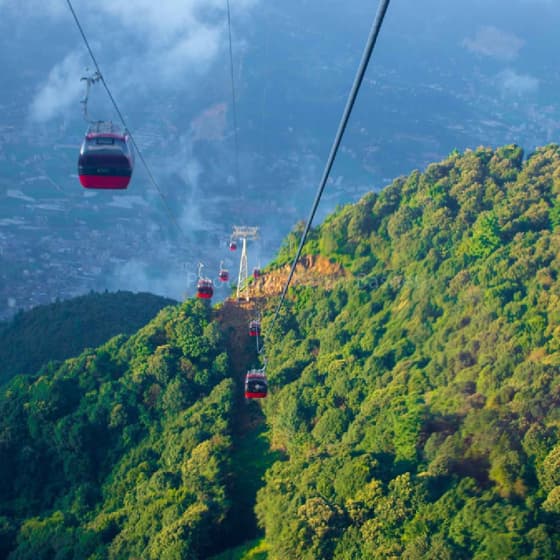

Photo: Saddam Hussain Ansari, CC BY 4.0, via Wikimedia Commons. A Chandragiri cable car cabin climbing toward the hilltop as cloud gathers over the Kathmandu Valley.
This is a what-to-expect story, not a trip report. It describes what a Chandragiri cable car visit can be like when the hill is in cloud, based on what the operator and Himalayan Social Journey publish about the ride and the hilltop. Weather changes by the hour up here, so treat every view below as a possibility, not a promise.
Most photos of Chandragiri show a clear blue sky and snow peaks lined up behind the valley. On many days that isn't what you get. The operator itself calls the climate on the hill "unpredictable", and the hilltop sits at 2,551 m on the rim of the Kathmandu Valley, where cloud often settles first. So it's worth knowing what the visit can still be when the mountains stay hidden.
Leaving the city
On HSJ's Chandragiri Hill by Cable Car Ride, your guide and driver pick you up from your hotel between 9 and 10 in the morning. The drive heads west through Kathmandu's everyday traffic toward Kalanki and on to the cable car bottom station near Thankot. On a cloudy morning you may notice the ridge ahead of you has no top. The green slope simply runs up into grey.
Hold off on judging the day until you're up there.
The ride up
At the bottom station you buy your ticket (on this tour it isn't included in the price) and join the queue for the cabins. They're the bright red ones you've seen in photos, each holding up to eight people. The operator says the ride takes around 10 minutes, over about 2.5 km of cable.
For the first part of the climb you're above pine forest, and on a low-cloud day this can be the clearest part of the trip. The valley floor is behind you and the trees are right below. The operator notes that you can often spot birds and wildlife from the cabins, so it's worth watching the canopy rather than the horizon.
Then, depending on how low the cloud sits, the cabin may slide into it. The windows turn white. The towers ahead appear and disappear. The next cabin on the line shows up as a red shape in the mist and fades again. For a few minutes the whole hill can shrink to the cable and the cabin you're in.
Arriving at the top
You step out at the top station into air that is noticeably colder than in Kathmandu. Even if it was mild in the city, this is the time for the warm layer in your bag. If it's raining, you'll be glad of a waterproof jacket. The operator recommends both, and comfortable flat-soled shoes for the walk.
From the top station, concrete paths lead uphill. On a clear day people stop every few metres to look back. On a cloudy one you'll probably walk a bit faster. The views from the platforms may be soft and grey, or completely white, or they can open for a minute when a gap moves through and then close again.
Bhaleshwor Mahadev, in or out of the cloud
The path leads to Bhaleshwor Mahadev Temple, which matters to the hill whatever the weather. According to the operator's account of its history, Hindu tradition holds that Bhaleshwor Mahadev appeared where the forehead of Sati fell, and devotees believe a wish made here is granted. It's also told that Prithvi Narayan Shah first looked down on the Kathmandu Valley from this hill.
On a cloudy day the temple can feel more like a pilgrimage site and less like a viewpoint. There's less to photograph and more to notice: the temple itself, and the people who have come to worship rather than to look at the view. Take your time, follow your guide's lead on where to stand, and keep out of the way of anyone at prayer.
If the cloud moves
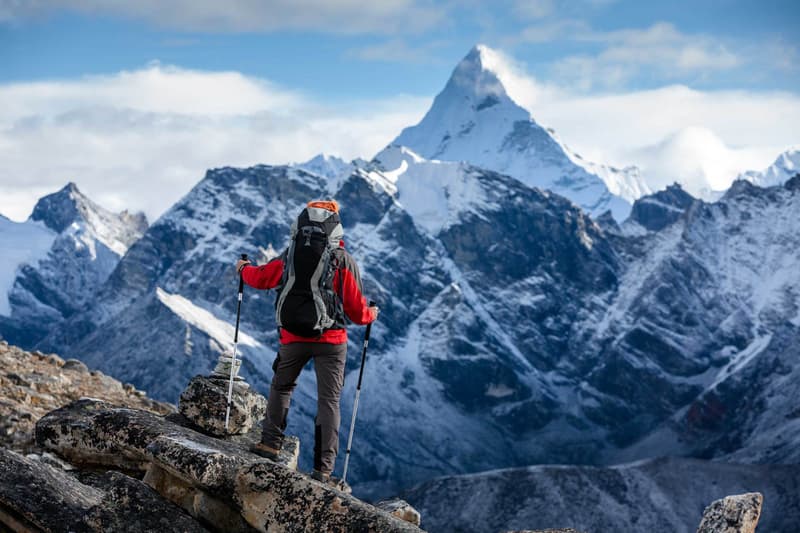
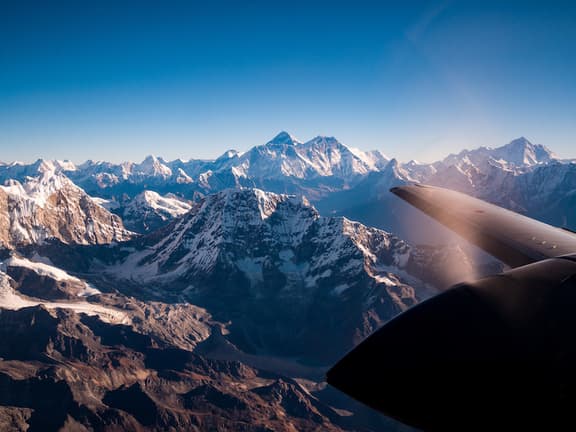
Mountain weather changes quickly, and cloud on Chandragiri doesn't always stay put. Sometimes it thins during the morning and the valley floor comes back into view. On a clear day, HSJ's trip notes say you can see the Himalayan range, including Everest in good conditions. On a cloudy day you may see none of it, a single ridge, or a few minutes of the valley through a gap. You can't know in advance, and nobody should tell you otherwise.
If a gap comes, enjoy it. If not, the ride through the mist and the temple are still the visit, just a quieter version.
Coming back down
On the HSJ tour, the ride and your time at the top fit between about 10 am and midday, before the drive back to your hotel. Keep an eye on the clock. The operator lists a midday break in cable car service, and its website shows two different times for it. Your guide will help you get into the queue for the down cabin early enough. Whatever plan you make, base it on the last descent the staff confirm on the day, not on the weather.
On the way down the order of the ride reverses: white first, then the trees, then the valley below the cloud. Once you're back under the cloud base, the valley can look sharper than it did on the way up.
Before you go
A warm layer, and a waterproof in the rainy months
Flat, comfortable shoes for the uphill paths
Cash for the cable car ticket, which isn't included on the HSJ tour
Open expectations: the hill decides what you see
For ticket prices, the operating hours the operator publishes, accessibility and the midday break, read our practical guide: Chandragiri Cable Car: Tickets, Hours, Clouds and the Last Descent.
Reviewed by Amrit Sapkota, Himalayan Social Journey