

Tihar Festival Nepal: Lights, Traditions and Kathmandu
"Dog in Kathmandu after Kukur Puja" by Manju, via Wikimedia Commons, CC BY-SA 4.0 (https://commons.wikimedia.org/wiki/File:Dog_in_Kathmandu_after_Kukur_Puja.jpg)
By Himalayan Social Journey, a Kathmandu-based trekking and tour company
TL;DR — Tihar key facts
What: Nepal’s festival of lights, honouring animals, prosperity, the self and family relationships.
2026 dates: 7–11 November; individual rituals overlap.
Laxmi Puja: 8 November.
Bhai Tika: 11 November.
For visitors: Explore respectfully, ask before photographing ceremonies and leave time for neighbourhood walks.
Marigold garlands brighten doorways. Small oil lamps flicker beside colourful patterns on the ground. From a nearby courtyard comes singing, followed by laughter and an invitation to linger.
Tihar brings a particularly warm atmosphere to Nepal. For international travellers, it offers something beyond sightseeing: a chance to appreciate the relationships, beliefs and everyday acts of gratitude that give the festival its meaning.
What is Tihar, Nepal’s festival of lights?
Tihar, also called Deepawali, is a five-day Nepali festival celebrating light, prosperity and relationships between people, animals and the divine. Its traditions honour crows, dogs, cows, oxen and siblings, while Laxmi Puja welcomes the goddess of wealth. Customs vary between communities, families and regions.
The Nepal Tourism Board’s introduction to Tihar describes celebrations connected with both Laxmi and Yama, the god of death. Alongside these religious meanings, visitors encounter a festival of generosity, music and family reunions.
When is Tihar in Nepal in 2026?
Tihar’s main observances fall on 7–11 November 2026. Kukur Tihar and Laxmi Puja share 8 November, while cow worship follows on 9 November. As of 10 November 2026, Nepal time, the festival is ongoing: Govardhan Puja and Mha Puja are today, with Bhai Tika tomorrow.
The dates below are cross-checked against Hamro Patro and The Rising Nepal’s report citing Nepal’s calendar committee.
Traditional stage | Observance | Verified 2026 date |
|---|---|---|
First | Kaag Tihar — honouring crows | Saturday, 7 November |
Second | Kukur Tihar — honouring dogs | Sunday, 8 November |
Third | Gai Tihar and Laxmi Puja | Laxmi Puja: Sunday evening, 8 November; Gai Puja: Monday, 9 November |
Fourth | Govardhan Puja, Goru Puja and Mha Puja; Nepal Sambat 1147 begins | Tuesday, 10 November |
Fifth | Bhai Tika | Wednesday, 11 November |
Calendar note: These are the traditional stages, not a rigid one-ritual-per-date schedule. Lunar timings explain why Laxmi Puja and cow worship fall on separate dates in 2026. Public holidays also extend beyond the principal rituals.
What happens during Tihar’s five traditional days?
Tihar moves from honouring animals to welcoming prosperity, recognising the self and celebrating family bonds. Each observance has its own rituals, foods and symbolism. The familiar five-day sequence is a useful introduction, but visitors should remember that lunar timings and community traditions can change how celebrations unfold.
Why are crows honoured on Kaag Tihar?
Kaag Tihar begins with offerings of food to crows, traditionally associated with Yama and messages from the world beyond. Families may place food outdoors, inviting the birds to eat. It is a thoughtful opening to the festival, recognising creatures that people might otherwise overlook in daily life.
Why do dogs wear garlands during Kukur Tihar?
Kukur Tihar honours dogs for their companionship, loyalty and spiritual significance. Dogs receive flower garlands, tika on their foreheads and special food; community dogs may be honoured alongside pets. Enjoy the sight without crowding animals, and ask their carers before approaching, touching or offering anything to eat.
What do Gai Tihar and Laxmi Puja celebrate?
Gai Tihar honours cows, associated with nourishment and abundance, while Laxmi Puja welcomes the goddess of wealth into homes and businesses. These observances traditionally belong together, although their dates separate in 2026. Clean entrances, flowers, lamps and symbolic footprints help express a household’s welcome to Laxmi.
What are Govardhan Puja, Mha Puja and Nepal Sambat?
Govardhan Puja recalls Krishna’s protection of his community, while Goru Puja honours working oxen. In Newar households, Mha Puja honours the self through rituals seeking wellbeing and renewal. It also coincides with Nepal Sambat New Year; in 2026, Nepal Sambat 1147 begins on 10 November.
How does Bhai Tika celebrate siblings?
Bhai Tika celebrates affection between brothers and sisters through blessings, tika, garlands, gifts and shared meals. Sisters traditionally pray for their brothers’ wellbeing and longevity; some communities exchange tika between siblings. It is an intimate family occasion, so travellers should join household ceremonies only when genuinely invited.
What are deusi-bhailo songs?
Deusi-bhailo is a house-to-house tradition of singing, dancing and offering blessings during Tihar. Hosts respond with gifts such as money, fruit or sweets. Historically associated with different groups of male and female performers, today’s celebrations take varied forms, including mixed groups and fundraising for community activities.
For visitors, listening from a respectful distance is often enough. If a group welcomes your participation, follow your host’s lead rather than treating the performance as a scheduled tourist show.
Why are lamps and rangoli important during Tihar?
Oil lamps, candles and electric lights illuminate homes and streets, especially around Laxmi Puja. Rangoli—decorative patterns made with coloured powders, flowers or other materials—brightens entrances. Together with garlands and symbolic footprints, these decorations create a welcoming path for prosperity and turn ordinary doorways into places of celebration.
Watch where you step: a small design beside a threshold may be part of a household’s worship, not simply street decoration.
How is Nepal’s Tihar different from Indian Diwali?
Tihar and Indian Diwali share connections with light, Laxmi, family gatherings and renewal. India’s celebrations themselves vary widely, so there is no single universal comparison. Nepal’s Tihar is particularly recognisable for its animal-honouring rituals, deusi-bhailo, Bhai Tika and the Newar traditions of Mha Puja and Nepal Sambat.
Rather than thinking of Tihar as a copy of another festival, approach it as Nepal’s distinctive expression of related traditions.
Where can travellers experience Tihar around Kathmandu?
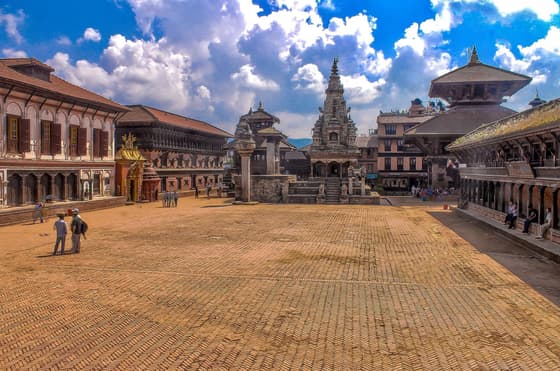
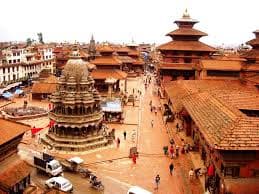
Kathmandu’s older neighbourhoods and the historic centres of Patan and Bhaktapur offer opportunities to notice decorated entrances, flower stalls and community celebrations. Combine daytime heritage visits with an unhurried evening walk. Family rituals are private, however, and visiting a heritage square does not guarantee access to a ceremony.
Relevant HSJ options include:
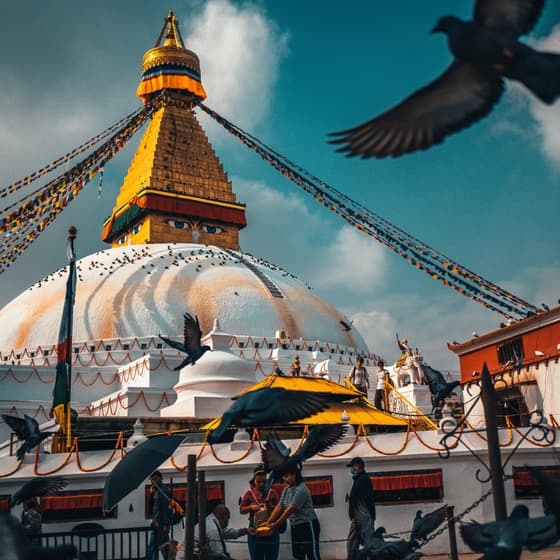
Private Kathmandu Full Day Sightseeing Tour: an introduction to Kathmandu Durbar Square, Swayambhunath, Boudhanath and Pashupatinath.
Kathmandu 7 UNESCO Heritage Sites Day Tour Private/ Group option: a broader valley itinerary including Patan and Bhaktapur.
Bhaktapur Durbar Square Tour: a focused visit to Bhaktapur’s heritage streets and squares.
These are sightseeing tours, not promises of private festival participation. Ask about holiday arrangements before booking.
How can you experience Tihar respectfully and comfortably?
Keep plans flexible, dress modestly around religious sites and ask before photographing people or ceremonies. Carry Nepalese rupees for purchases and entrance tickets, arrange your return transport and expect some holiday closures. Our Kathmandu planning tip is simple: leave space for one neighbourhood rather than rushing between many.
Protect sacred spaces: Step around lamps, offerings and rangoli.
Ask before entering: An open door during Laxmi Puja is not permission to enter.
Enjoy food thoughtfully: Try sel roti and festive sweets from a suitable vendor or when offered by a host.
Prepare for evenings: Bring a light layer and comfortable shoes.
Avoid fireworks: Choose lamps, music and community celebrations instead.
What else do travellers ask about Tihar?
Travellers often want to know whether they can join celebrations, how holiday closures affect sightseeing and which evening to prioritise. The answers below offer a practical starting point. Confirm local arrangements close to your visit, because household invitations, site access and transport availability cannot be assumed during a major festival.
Can tourists join Tihar celebrations in Nepal?
Yes, visitors can enjoy public decorations, music and neighbourhood celebrations. Joining a family’s puja or meal requires an invitation, and participation should follow the host’s guidance. A guide can explain appropriate behaviour, but booking a tour does not automatically include entry to private homes or religious ceremonies.
Which evening is best for seeing Tihar lights?
Laxmi Puja evening is a particularly meaningful time to see illuminated homes and decorated entrances; in 2026 it falls on 8 November. Lights may remain throughout the festival, but displays vary by neighbourhood. Choose a manageable walking area and agree your return transport before heading out.
Will shops and attractions close during Tihar?
Some shops, offices, museums and services close or reduce their hours while families celebrate. Other businesses continue operating, especially in visitor areas. Check individual attractions rather than assuming normal opening times, and confirm guides, drivers and restaurant arrangements in advance, particularly around Laxmi Puja and Bhai Tika.
What should I wear during Tihar in Kathmandu?
Comfortable walking shoes and modest clothing are sensible choices, especially around temples and family ceremonies. Cover shoulders and knees where appropriate, and remove footwear when your host or the site requires it. Carry a light evening layer, and avoid loose clothing brushing against exposed lamps or candles.
Can I photograph Kukur Tihar and family rituals?
Often you can, but permission comes first. Ask before photographing people, private worship or household interiors, and avoid flash during ceremonies. Do not reposition offerings or encourage anyone to repeat a ritual for your camera. Around dogs, give animals space and follow the guidance of their carers.
Can I combine Tihar with trekking in Nepal?
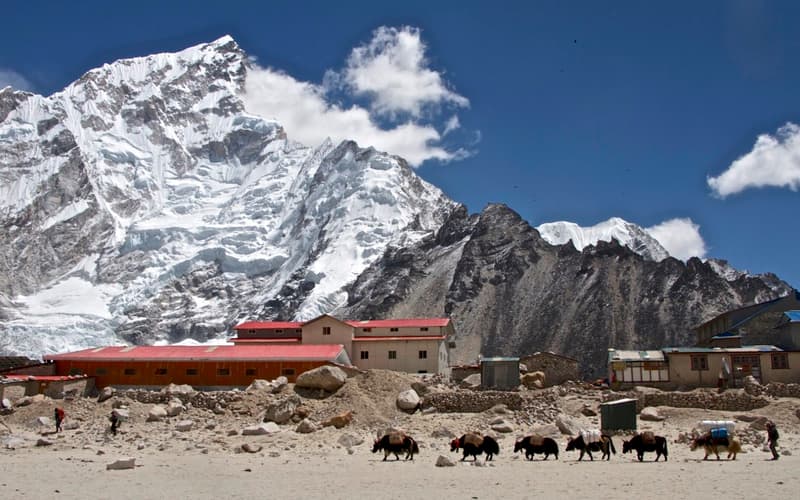
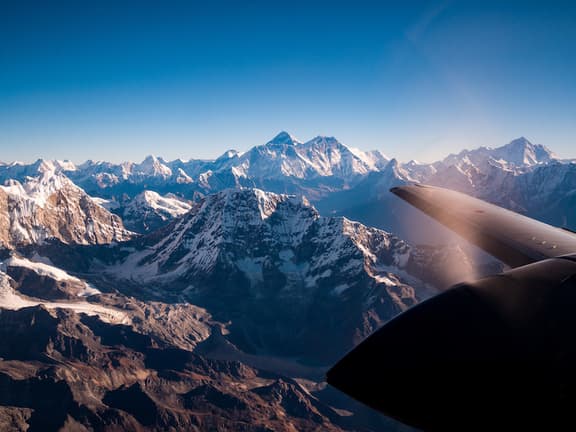
Yes, a Kathmandu stay before or after a trek can fit naturally around Tihar. Allow time for festival sightseeing rather than squeezing it between transfers, and confirm staffing and transport with your operator. Trekking conditions depend on your route and current weather, not the festival calendar alone.
How can HSJ help you plan a Tihar visit?
As a Kathmandu-based trekking and tour company, Himalayan Social Journey can help connect your interest in Nepal’s festivals with its heritage and landscapes. Tell us your travel dates and preferred pace, and we can discuss suitable sightseeing options—leaving room for the small, memorable moments that make Tihar special.