
Chitlang is a Tamang farming village in Makwanpur district, about 40 km southwest of Kathmandu, at roughly 1,550–1,700 m. People go for one reason: it is the easiest short hike or overnight trip out of the Kathmandu Valley that still feels like a village, not a tourist strip. No trekking permit, no TIMS card, no altitude to worry about.
This guide covers how to get there, what the Chitlang–Kulekhani–Markhu loop actually involves, what it costs in time and effort, and when to go.
Where Is Chitlang and Why Go There?
Chitlang sits in a bowl-shaped valley on the old trade route between Kathmandu and the Tarai, just south of Chandragiri hill. Before the Tribhuvan Highway was built in the 1950s, this was part of the path porters and traders used to move goods between Kathmandu and India via Bhimphedi and Hetauda.
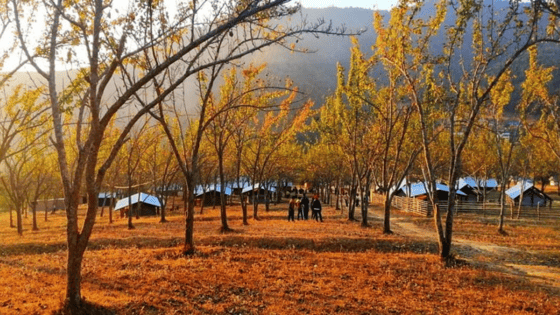
That history shows in the village itself: stone-paved lanes, slate-roofed Tamang and Newar houses, and a slower pace than anywhere inside the Ring Road. People come here for a half-day escape, a one-day hike, or as the first stop on a two-day loop to Kulekhani reservoir and Markhu.
How Do You Get to Chitlang From Kathmandu?
There are two practical ways in: drive, or hike down from Chandragiri.
Driving via Thankot and Chandragiri
By car or jeep, Chitlang is about 2 hours from central Kathmandu. The route runs through Thankot, climbs over the Chandragiri ridge on a paved but narrow road, then drops into the Chitlang valley. It is doable as a half-day round trip if you just want to see the village and eat lunch.
Hiking From Chandragiri Hill
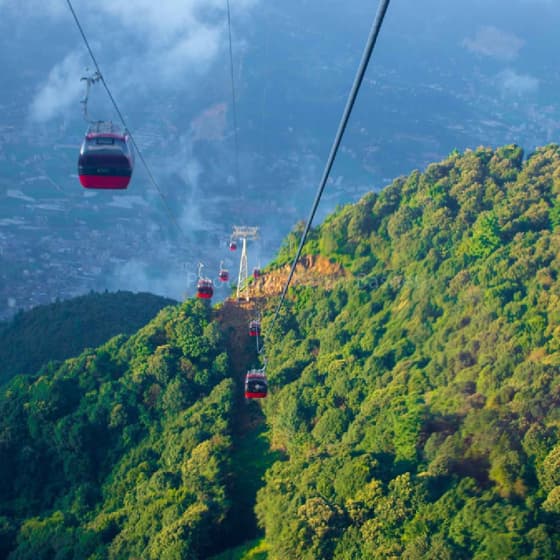
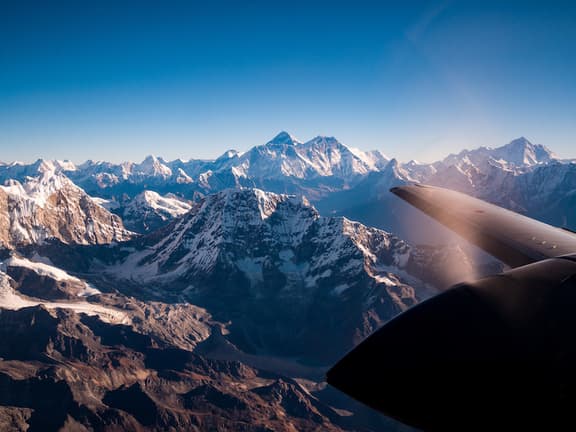
The more rewarding option is to take the Chandragiri cable car up from Kathmandu, then walk down the back side of the hill to Chitlang. This hike takes 3 to 4 hours, loses about 900 m of elevation, and passes through pine and oak forest with Himalayan views on clear mornings before dropping into farmland. It is a one-way hike — you still need transport back to Kathmandu from Chitlang, or you continue on toward Kulekhani.
A third option, used less often now that the road exists, is to start on foot from Thankot and cross Sim Bhanjyang pass (around 2,500 m) before descending to Chitlang. This adds 2 to 3 hours compared with starting at Chandragiri.
What Is Chitlang Known For?
A Village on the Old Trade Route
Chitlang's layout still reflects its trading past. Houses line a single old route through the village, and several buildings are well over a century old. Locals will point out the original stone trail that continued south to Markhu, Bhimphedi, and eventually Hetauda — the route people walked before any road reached this part of Nepal.
Local Food: Cheese, Potatoes, and Trout
The village is known regionally for dairy farming, potatoes, and vegetables grown in the cool valley climate. A small cheese-making operation here traces back to mid-20th-century Swiss-assisted dairy development projects in Nepal, similar to the better-known one in Langtang. Ask at any teahouse for local cheese, and for seasonal vegetables with dal bhat — it is simple food, but it is fresh and cheap, usually $3–5 for a full meal.
Tamang Culture and the Village Today
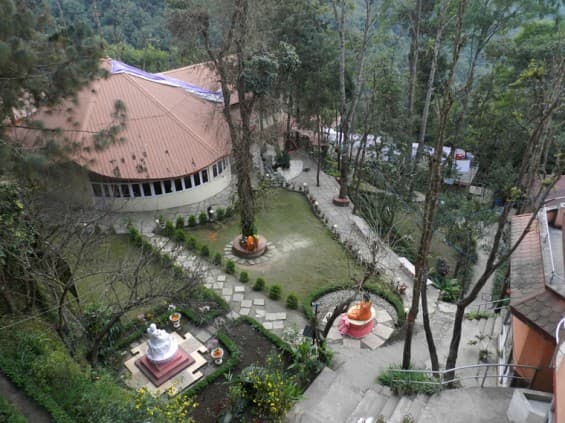
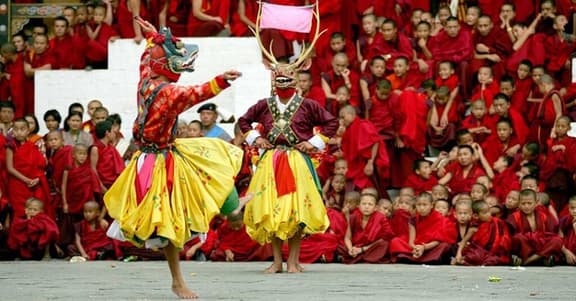
Chitlang is largely a Tamang community, with Buddhist prayer flags and small chortens visible alongside Hindu shrines — a mix typical of mid-hill Nepal rather than either the high Himalaya or the Kathmandu Valley core. Agriculture is still the main livelihood: terraced fields of potato, cauliflower, and seasonal greens surround the village, and most households keep livestock. Tourism is a side income here, not the main one, which is part of why the village has kept its working character.
Chitlang, Kulekhani and Markhu: The Classic 2-Day Loop
This is the route HSJ runs most often, and it is the natural extension once you are already in Chitlang. The loop links three distinct things in one short trip: a hill village, a reservoir built for hydropower, and a lakeside settlement.
Day 1: Kathmandu to Chitlang
Drive or hike in from Chandragiri (see above), reach Chitlang by early afternoon, walk around the village, and overnight in a local guesthouse or homestay.
Day 2: Chitlang to Kulekhani Dam and Markhu
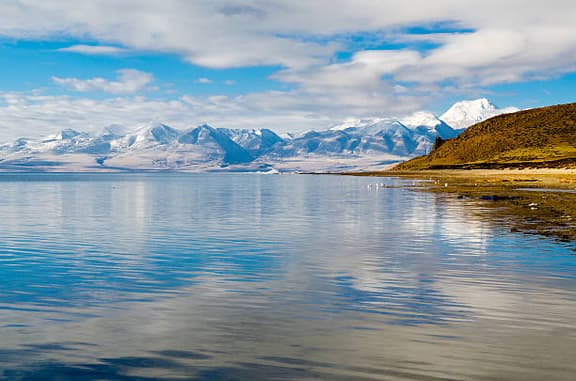
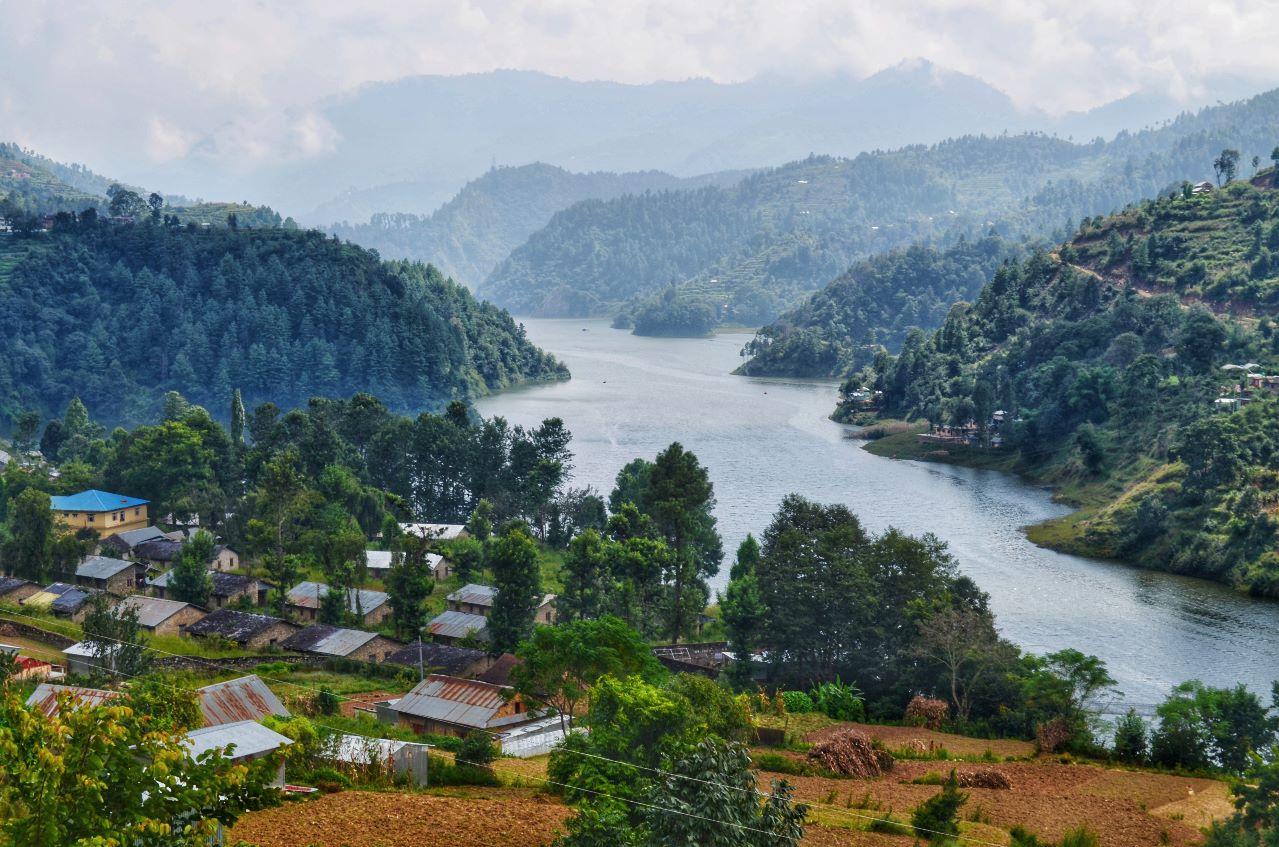
From Chitlang, it is a walk of roughly 3 to 4 hours, mostly downhill through forest and farm terraces, to the Kulekhani dam. Kulekhani is Nepal's main reservoir-type hydropower project, built with Japanese assistance and commissioned in the early 1980s. It was the country's first storage project of its kind, and the reservoir it created is now a destination in its own right — for boating, fishing, and the view of water surrounded by forested hills.
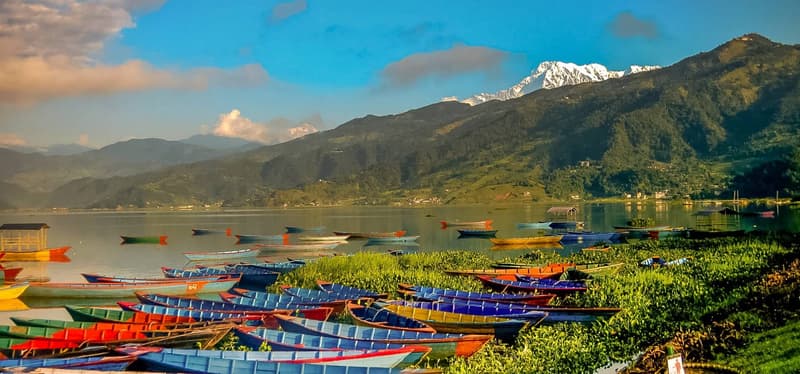
From the dam, it is a short walk or drive onward to Markhu, a village directly on the reservoir shore where you can arrange a boat ride before driving back to Kathmandu, usually arriving by early evening.
HSJ runs this exact route as a set departure: the Chitlang Kulekhani Markhu 2-Day Tour, with transport, guide, and accommodation arranged.
Route Summary
| Stage | Distance/Time | Elevation |
|---|---|---|
| Kathmandu (Thankot) to Chandragiri top | 30–40 min drive or cable car | 2,551 m |
| Chandragiri to Chitlang (on foot) | 3–4 hours | drops to ~1,700 m |
| Chitlang to Kulekhani dam (on foot) | 3–4 hours | drops to ~1,530 m |
| Kulekhani dam to Markhu | 20–30 min walk/drive | ~1,530 m |
| Markhu back to Kathmandu | 2–2.5 hours drive | — |
Figures are approximate and depend on fitness, road conditions, and whether you drive or walk each leg.
How Hard Is the Chitlang Hike?
The Chandragiri-to-Chitlang descent is rated easy to moderate. It is mostly downhill on a clear forest trail, with some stretches of stone steps that are uneven after rain. No technical skill or prior trekking experience is needed, but trekking poles help on the steeper sections, and proper hiking shoes matter more than fitness level.
The Chitlang-to-Kulekhani leg on day two of the loop is a mix of gentle up and down through farmland and forest, shorter and less steep than the Chandragiri descent. Most reasonably active adults complete both days without difficulty; it is a realistic trip for families with older children.
What to Pack
- Sturdy walking shoes or light hiking boots (the stone trail sections are slippery when wet)
- A warm layer for evenings, even outside winter — Chitlang sits high enough to cool down after sunset
- Rain jacket if traveling between June and September
- Cash in Nepali rupees — card payment is not reliable in the village
- A basic first-aid kit and water bottle; there are no pharmacies along the trail
Do You Need a Permit to Visit Chitlang?
No. Chitlang, Kulekhani, and Markhu are all outside Nepal's restricted and protected trekking areas, so there is no TIMS card, ACAP, or special area permit required, unlike treks in regions managed by the Department of National Parks and Wildlife Conservation. Carry a copy of your passport, since some guesthouses will ask for ID at check-in. If you plan onward travel into regions that do require permits, check requirements on the Nepal Tourism Board site before you go.
Best Time to Visit Chitlang
Because the whole route stays under 2,600 m, Chitlang works in more months than high-altitude treks do.
- October to December: clearest skies, best mountain views from Chandragiri, cool but comfortable walking temperatures.
- March to May: rhododendron forest on the Chandragiri descent, warmer days.
- January to February: cold mornings, occasional frost in Chitlang itself, but still walkable and much quieter.
- June to September: monsoon rain makes the forest trail muddy and leech-prone; the drive-in option is more practical than the hike in this season.
Where to Stay in Chitlang
Options are simple: a handful of local guesthouses and homestays in the village itself, plus a couple of resort-style properties on the outskirts aimed at weekend visitors from Kathmandu. Facilities are basic — expect a private or shared room, solid home-cooked food, and no heating beyond a blanket in winter. Markhu, on the second day of the loop, has similar guesthouse-level accommodation closer to the water.
Is Chitlang Worth Visiting?
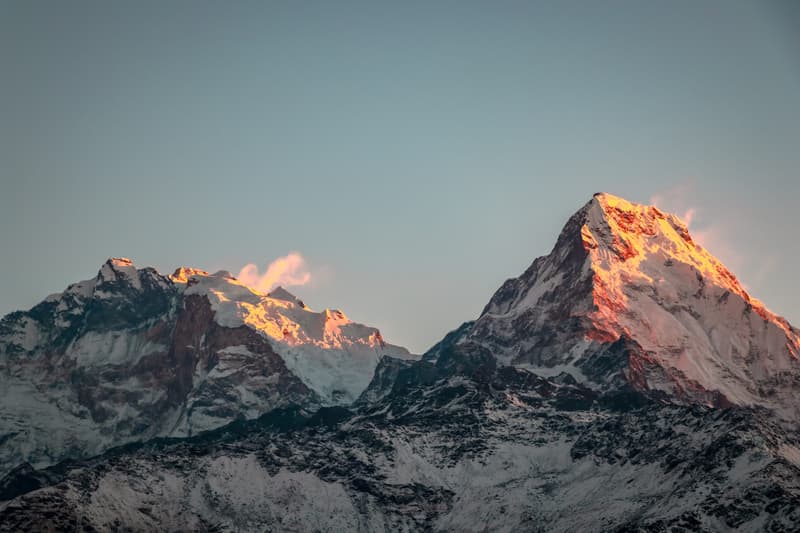
Yes, if what you want is a short, low-effort trip out of Kathmandu that still involves real walking and a village that functions on farming rather than tourism. It is not a substitute for a Himalayan trek — there are no high peaks here, and views are limited to mid-hill ridgelines rather than 7,000–8,000 m summits. For that, Nepal's trekking regions such as Everest, Annapurna, and Langtang are the better choice.
What Chitlang is good for: a one- or two-day trip that fits around a longer Nepal itinerary, works for families and first-time hikers, and needs no acclimatization planning. It pairs naturally with other short trips from the capital — see HSJ's full list of day trips from Kathmandu for other options in the same range.
Planning a Chitlang Trip
If you want the village visit without logistics — transport, a guide who knows the trade-route history, and arranged meals and accommodation in Chitlang and Markhu — HSJ's Chitlang Kulekhani Markhu 2-Day Tour covers the full loop described above. For a shorter version, the Chandragiri cable car day tour can be combined with a walk down to Chitlang and a drive back the same day. Both can also be built into a longer Nepal trip alongside trekking or sightseeing in Kathmandu and Pokhara.
Frequently asked questions
How far is Chitlang from Kathmandu?
About 40 km by road, roughly 2 hours by car via Thankot and Chandragiri. On foot from the Chandragiri cable car top station, it is a 3 to 4 hour downhill walk.
Do you need a permit to trek to Chitlang?
No. Chitlang, Kulekhani, and Markhu sit outside Nepal's restricted and protected trekking areas, so no TIMS card or special permit is required. Just carry a copy of your passport.
Can Chitlang be done as a day trip?
Yes. You can drive in and out in half a day, or hike down from Chandragiri and drive back, making it a full-day trip. The two-day Chitlang-Kulekhani-Markhu loop needs an overnight stay.
What is the best season to visit Chitlang?
October to December for clear mountain views, and March to May for milder weather and rhododendron forest. Winter is cold but still walkable; monsoon (June-September) makes trails muddy.
Is the Chitlang hike difficult?
No. It is rated easy to moderate, mostly downhill from Chandragiri, with no technical sections or high altitude. It suits beginners and families with older children.
What is Kulekhani known for?
Kulekhani is the site of Nepal's main reservoir-type hydropower project, built with Japanese assistance in the early 1980s. The reservoir is now also used for boating and fishing.