
Markhu is a small village on the shore of Kulekhani Reservoir (also called Indra Sarobar) in Makwanpur district, about a two-hour drive south-west of Kathmandu. People go there for boating, fishing, a close-up look at Nepal's first storage-type hydropower dam, and a quiet overnight away from the city.
This guide covers distance, season, what there is to actually do, and how a day trip compares to a two-day loop through nearby Chitlang.
What Is Markhu and Where Is It?
Markhu is a village in Indrasarowar Rural Municipality, Makwanpur district, Bagmati Province. It sits directly on the edge of the Kulekhani Reservoir, the lake formed by the Kulekhani Dam. The dam itself is a rock-fill structure that holds back the Kulekhani River to feed Nepal's oldest reservoir-based hydropower station, built starting in the late 1970s and operated by the Nepal Electricity Authority.
The area is low-altitude by Nepali trekking standards — roughly 1,500 to 1,600 metres around the lake, dropping to about 1,300 metres near Mohini waterfall below the dam. That makes it accessible nearly any month of the year, including winter, when high Himalayan trails are closed by snow.
How Far Is Markhu From Kathmandu?
Markhu is roughly 40–47 km from Kathmandu by road, depending on the route taken (via Thankot and Markhu road, or looping through Chitlang). Driving time is about 2 to 2.5 hours one way in a private vehicle; it can take longer by local bus because of transfers and road conditions on the final stretch.
Most visitors combine Markhu with Chitlang, a Newari-Tamang village about 27 km from Kathmandu that sits on the old trade route to Tibet. The two villages are often done as one loop, either on foot, by mountain bike, or by jeep. General travel planning advice for Nepal is available from the Nepal Tourism Board.
What Makes Markhu Worth a Visit?
Markhu is not a trekking peak or a heritage site — it's a working reservoir village with a few specific draws:
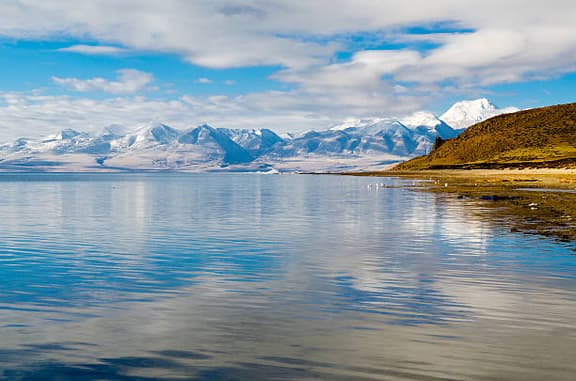
- Kulekhani Reservoir (Indra Sarobar): A large, calm lake used for boating and fishing. Local boatmen offer short rides across the water.
- Fishing: The reservoir is stocked, and you'll often see local fishermen casting nets from the shore or from boats.
- Mohini Waterfall: A waterfall roughly 90 metres high, fed by overflow and release water from the dam, located below the reservoir near Markhu. It's most dramatic during and just after the monsoon.
- The dam itself: Kulekhani Dam is worth a short stop for anyone interested in how Nepal generates power — it was the country's first storage-type hydropower project, and the reservoir still plays a role in balancing the national grid during the dry season.
- Village walks: Short walking trails connect Markhu to Chitlang and to smaller settlements around the lake, through terraced fields and pine forest.
None of this requires technical trekking gear or high-altitude fitness. It suits families, first-time visitors to Nepal, and anyone short on time who still wants a rural day away from Kathmandu traffic.
Markhu and Chitlang: The Classic Loop
Most itineraries link Markhu with Chitlang because the two complement each other:
| Stop | Distance from Kathmandu | Main draw |
|---|---|---|
| Chitlang | ~27 km | Newari village, old trade route, local cheese factory |
| Kulekhani Dam | ~40 km | Hydropower dam and reservoir viewpoint |
| Markhu | ~40–47 km | Boating, fishing, lakeside village, Mohini waterfall |
A common route drives to Chitlang first, walks or bikes down to Kulekhani and Markhu, spends time on the water, and either returns the same way or loops back via a different road. On foot this stretch takes a half to full day depending on pace and stops.
Best Time to Visit Markhu
- October to December: Clear skies, good mountain backdrop views, comfortable daytime temperatures. The busiest and most reliable season.
- March to April: Warm days, rhododendron in bloom on the surrounding hills.
- January to February: Cold mornings but still accessible; fewer visitors.
- June to September (monsoon): Waterfalls, including Mohini, run fullest, but trails can be muddy and the drive slower. Carry rain gear if you go during this window.
Because Markhu sits at low altitude, it's a reasonable year-round trip — unlike high passes that close in winter.
How to Get to Markhu
- Private car or jeep: The easiest option, roughly 2–2.5 hours from Kathmandu depending on traffic through Thankot.
- Local bus: Buses run toward Markhu/Kulekhani from Kathmandu, but service is less frequent and the journey takes longer with stops.
- Mountain bike: A popular weekend ride for Kathmandu-based cyclists, usually combined with Chitlang, on a mix of paved and rough road.
- On foot from Chitlang: A half-day walk down to the reservoir through forest and farmland for those already in Chitlang.
Road conditions on the final approach to Markhu can be rough in sections, especially after monsoon rain, so a vehicle with reasonable clearance is useful outside the dry season.
Markhu Day Trip vs 2-Day Trip: Which Should You Choose?
Choose a day trip if:
- You have one free day in Kathmandu and want a short escape from the city.
- You're mainly interested in the dam, a boat ride, and lunch by the lake.
- You're not planning to walk the Chitlang–Markhu trail at a relaxed pace.
Choose a 2-day trip if:
- You want to overnight in Chitlang or near the lake and see sunrise over the reservoir.
- You'd like time for both the Chitlang village walk and a longer stay at Markhu without rushing the drive back the same afternoon.
- You're combining it with cycling or a slower walking pace between villages.
HSJ runs a Markhu, Kulekhani & Chitlang 2-day tour that covers both villages with an overnight, which is the more relaxed way to do the loop if you have the time. For a shorter format, check HSJ's broader day trips from Kathmandu and sightseeing tours listings for similar short, low-altitude outings.
Do You Need a Permit for Markhu?
No TIMS card or national park permit is required for Markhu or Chitlang — they fall outside Nepal's conservation area and national park permit system, unlike treks in the Annapurna or Everest regions. You won't need the paperwork that applies to, say, the Annapurna Base Camp Trek or similar protected-area routes. A citizenship or passport copy may still be asked for at local checkpoints on the way, so carry ID.
Sample 2-Day Itinerary
| Day | Plan |
|---|---|
| Day 1 | Drive Kathmandu to Chitlang (~27 km, 1.5 hrs); walk around the village, visit the cheese factory; overnight in Chitlang |
| Day 2 | Walk or drive down to Kulekhani Dam and Markhu; boat ride on the reservoir, short visit to Mohini waterfall; drive back to Kathmandu by evening |
This can be compressed into a single long day if you drive directly to Markhu and skip the overnight, cutting total time to roughly 6–8 hours round trip including stops.
What to Pack
- Light layers — daytime temperatures are mild most of the year, but mornings by the water are cool.
- Rain jacket if travelling June–September.
- Comfortable walking shoes; some village paths are stone steps or dirt tracks.
- Cash in Nepali rupees for boat rides, snacks, and local lunch — card payment is unreliable in the village.
- A swimsuit or change of clothes if you plan to get in or near the water.
Final Word
Markhu won't give you mountain views like the high Himalaya, and it isn't a heritage site like Bhaktapur. What it offers is a quiet reservoir, a working hydropower dam, boating, and an easy overnight close to Kathmandu — useful if you're short on days or want a break before or after a longer trek. If you'd rather build this into a bigger Nepal itinerary with the Everest or Annapurna region, HSJ's trekking trip pages list longer options, and the homepage has the full range of tours the company runs out of Kathmandu.
Frequently asked questions
How far is Markhu from Kathmandu?
About 40–47 km by road, roughly a 2 to 2.5-hour drive depending on the route and traffic through Thankot.
What is Markhu known for?
Markhu sits on Kulekhani Reservoir and is known for boating, fishing, the nearby Kulekhani hydropower dam, and Mohini waterfall just below the dam.
Do I need a permit to visit Markhu?
No. Markhu and Chitlang are outside Nepal's national park and conservation area permit system, so no TIMS card or entry permit is needed, though carrying ID is sensible.
Can Markhu be visited in one day from Kathmandu?
Yes. A round trip with time for boating and a stop at the dam can be done in about 6–8 hours, though a 2-day trip combined with Chitlang is more relaxed.
What is the best season to visit Markhu?
October to December gives the clearest weather. March–April is warm with blooming rhododendron. Monsoon (June–September) brings the fullest waterfalls but muddier roads.
Is Markhu the same as Markha Valley in Ladakh?
No. Markhu is a village near Kulekhani Reservoir in Nepal. Markha Valley is a separate, well-known trekking route in Ladakh, India — see HSJ's [Markha Valley Trek](https://hsj.com.np/trip/markha-valley-trek) page if that's what you're looking for.