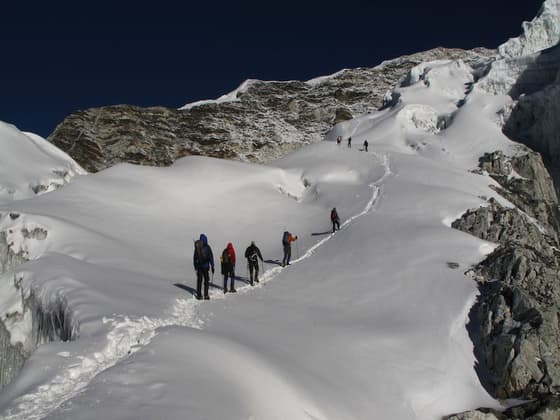
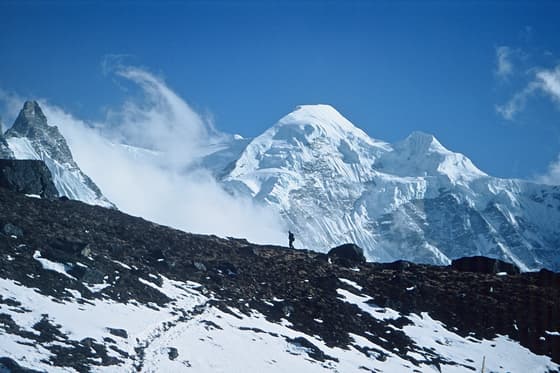
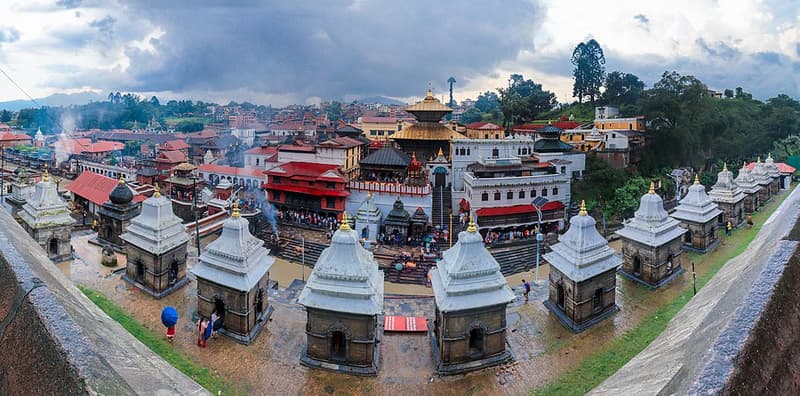
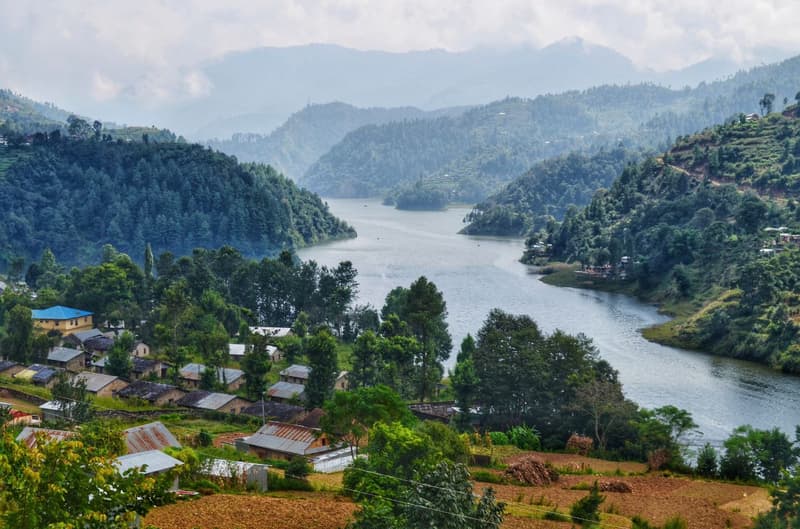
A Sherpa is a member of a Buddhist mountain people who live mainly in the Khumbu and Solukhumbu areas of eastern Nepal. The word is also used loosely, and often wrongly, for any guide or climbing helper in the Himalaya.
I have walked the Khumbu trails many times. The difference between those two meanings is the first thing worth understanding before you book a trip.
What is a Sherpa: a people or a job?
Both, but the people came first. "Sherpa" is an ethnic identity and a family name. A person called Pemba Sherpa is, in most cases, from that community, whatever work he does. The job meaning grew later, once Sherpas became the backbone of Himalayan expeditions.
Here is how the two uses differ:
| Use | Meaning | Capital S? |
|---|---|---|
| Ethnic group | A Tibetan-related people of the high Himalaya | Yes |
| Surname / clan identity | Used by many families in Solukhumbu and beyond | Yes |
| Job label | Any high-altitude guide or climbing support worker | Often written "sherpa" |
Not every Sherpa is a mountain guide. Many are farmers, lodge owners, teachers, pilots, monks and business people. And not every mountain guide is a Sherpa. Rai, Tamang, Gurung, Magar and many other communities work on the trails. If you call your Gurung guide "our Sherpa," he will probably smile, but it is better to use his name.
Where do Sherpas come from and where do they live?
The name comes from Tibetan sharpa, usually translated "people from the east." Oral history and most scholars place their ancestors in eastern Tibet, with migration into Nepal several centuries ago. Sources differ on dates, so treat any exact year with care. See the overview in Britannica.
Today most live in:
- Khumbu (the Everest region), around Namche Bazaar (3,440 m), Khumjung (about 3,780 m) and Pangboche (about 3,930 m)
- Solu, the lower valleys south of Khumbu, around Salleri
- Pharak and Rolwaling, on the edges of the Everest area
- Helambu, north of Kathmandu
- Smaller communities in Sikkim (India), Bhutan and Tibet
Population figures vary a lot between sources, from tens of thousands to a few hundred thousand, depending on how people are counted. I would not quote one number as fact.
What is Sherpa culture like?
Sherpas follow Tibetan Buddhism, mostly the Nyingma tradition. You see it on every trail:
- Mani walls (stone slabs carved with prayers). Always pass them on the left, keeping the wall on your right, so you walk clockwise.
- Prayer flags and prayer wheels, which carry blessings on the wind or by turning.
- Gompas (monasteries), such as the one at Tengboche (3,867 m). Mani Rimdu, a masked dance festival, is held there in autumn.
- Yaks and potatoes, the old farm economy, now mixed with tourism.
Sherpa Losar, the new year, is a major festival. Our guide to Losar in Nepal explains the dates and the different communities that celebrate it.
Before big climbs, many teams hold a puja, a blessing ceremony led by a lama at base camp. Climbers are asked not to start up the mountain before it is done. Take it seriously. It matters to the team.
What do Sherpas actually do on Everest?
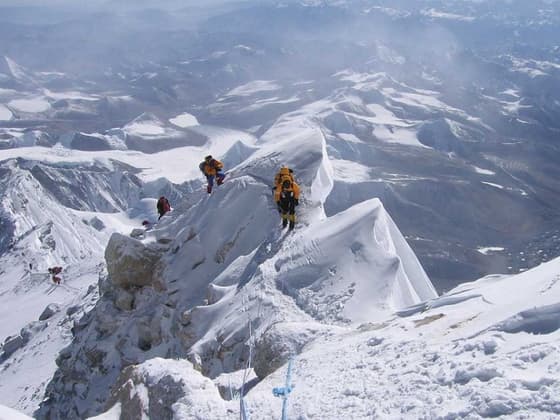
Climbing Sherpas, often called high-altitude workers, do the work that makes a commercial expedition possible. Typical tasks:
- Icefall doctors fix ropes and ladders through the Khumbu Icefall each season. The icefall sits between base camp (about 5,364 m) and Camp 1.
- Route fixing along the face and ridge up to the summit at 8,849 m.
- Carrying loads such as oxygen, tents and food up to higher camps.
- Supporting clients on summit day: checking oxygen, turn-around times and rope work.
- Camp management at base camp, including cooks, a sirdar (the lead Sherpa) and kitchen staff.
Each load carried above base camp means another trip through the icefall. That repeated exposure is the main reason the job carries so much risk.
If you want to see how an expedition is organised, read about our Mt. Everest Expedition (60 days) and our wider expedition trips.
Who are the most famous Sherpas?
- Tenzing Norgay reached the summit of Everest with Edmund Hillary on 29 May 1953.
- Pasang Lhamu Sherpa became the first Nepali woman to summit Everest, in 1993. She died on the descent. Nepal honours her as a national hero, and the Khumbu municipality carries her name.
- Apa Sherpa and Phurba Tashi Sherpa are among the climbers with many Everest summits.
- Kami Rita Sherpa holds the record for the most Everest summits. The count stood at 31 at last report. Check the latest before you quote it.
A note on accuracy: Nirmal "Nims" Purja, famous for the 14 peaks project, is a Gurkha veteran from the Magar community, not a Sherpa. This mistake appears often.
How much do Sherpas earn, and how risky is the work?
The honest answer is that pay varies by company, role and season, and published figures conflict. Industry blogs describe a climbing Sherpa's pay as a base wage plus a summit bonus plus tips, in the low thousands of US dollars per season. That is a large sum in Nepal, but small compared with what Western clients pay to attend an expedition. Alan Arnette publishes a detailed Everest cost breakdown that shows where the money goes.
The risk is real. In April 2014 an avalanche in the Khumbu Icefall killed 16 Nepali guides, which led to a strike and the end of that year's season. Lonely Planet has a thoughtful piece on tragedy and resilience among the Sherpa people.
Nepal has been debating rule changes for insurance, guide ratios and climber experience. Some changes are in force and others are only proposals, so check the current position with your operator rather than relying on a blog, including this one.
Do you need a Sherpa to trek in Nepal?
You do not need a climbing Sherpa for a trek. You need a licensed trekking guide, and in practice that is the sensible choice on most routes.
Rules on independent trekking have changed in recent years and differ by region. Some restricted areas, such as Upper Dolpo, Manaslu and Kanchenjunga, require a licensed guide and a registered agency. Where the rule is not strict, a guide still helps with altitude decisions, lodges in high season, weather calls and emergencies. Ask your agency what applies to your route and dates.
What permits does the Everest region need?
For Everest Base Camp you usually need two local permits:
- Sagarmatha National Park entry: most sources list NPR 3,000 for foreigners. This can be bought in Kathmandu or at Monjo.
- Khumbu Pasang Lhamu Rural Municipality permit: recent guides list NPR 3,000 for foreigners, though some older ones say NPR 2,000. It is usually bought in Lukla or Monjo.
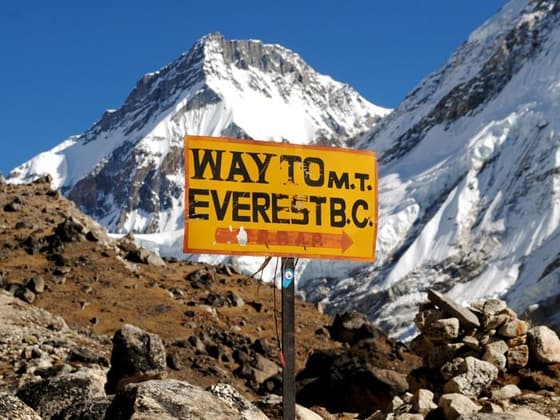
Fees change and sources disagree, so confirm the current amount with your agency. A licensed company will normally include them in your quote. See our Everest Base Camp Trek (14 days) for the route.
Should you hire a guide or a porter?
They do different jobs.
| Guide | Porter | |
|---|---|---|
| Role | Navigation, pacing, altitude checks, lodges, emergencies | Carries bags, often shared between two trekkers |
| Language | English and Nepali, often the local language too | Mainly local language |
| Licence | Government-licensed | Registered with the agency |
Many trekkers use a guide-porter, one person who does both. Ask what weight limit applies. A common limit is about 20 to 25 kg for a porter carrying for two people, which means 10 to 12 kg each. Ask your agency for the actual figure.
How do you trek respectfully in Sherpa country?
Small habits make a big difference:
- Walk clockwise around mani walls, chortens and prayer wheels.
- Never step over or touch a person's head. Don't point your feet at an altar.
- Ask before photographing monks, rituals or people.
- Dress modestly at gompas and remove shoes and hats where asked.
- Buy local products and stay in family-run lodges.
- Learn a few words. Tashi delek is a common greeting, and thuche che means thank you.
- Tip fairly. Ask your agency for guidance on a group tip for guides and porters, and hand it over directly at the end.
- Check how your agency treats staff: insurance, proper clothing, equipment, and a fair wage. A good company will answer you straight.
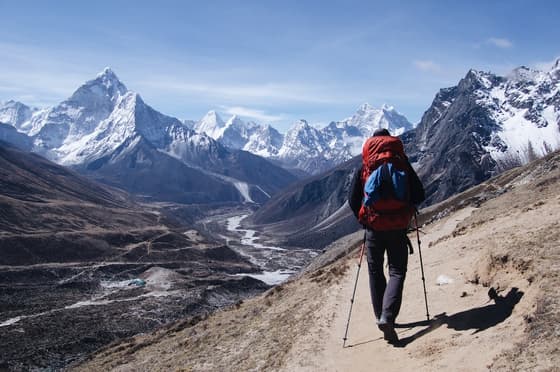
On the trail, go slowly. At Namche you are at 3,440 m. Plan an acclimatisation day there, and keep to a gain of roughly 300 to 500 m of sleeping altitude per day above 3,000 m.
Our EBC pre-trek kit check shows what your guide will ask about before you leave Kathmandu.
When is the best season to visit Sherpa country?
Spring (March to May) and autumn (late September to November) are the main seasons. Skies are clearer in autumn, and rhododendrons flower in April. Winter is cold but quiet. Monsoon (June to August) brings cloud and leeches at lower altitudes, and flights to Lukla are often delayed. Check flight rules and airport arrangements before you fly, since Lukla flights are sometimes rerouted or moved during busy seasons.
Which HSJ trips pass through Sherpa villages?
All of our Everest region treks do. Some options:
- Everest Base Camp Trek, 14 days, the classic route through Namche, Tengboche and Gorak Shep
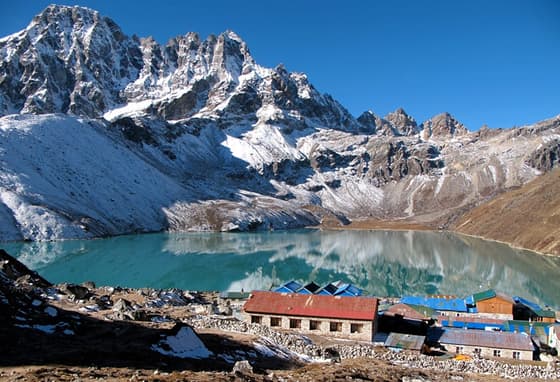
- Gokyo Ri Trek with Everest Base Camp, 17 days, adding the Gokyo lakes
- Everest Three Passes Trek, 19 days, for stronger walkers
- Island Peak Climbing, 19 days, if you want a first Himalayan summit with a climbing guide
- Mera Peak Climbing, 16 days, a non-technical trekking peak
All of these are led by licensed Nepali guides, and many of our Khumbu guides are Sherpas from the region. If you want to speak to a person, start from our trekking page.
Frequently asked questions
What does Sherpa mean?
Sherpa comes from Tibetan sharpa, 'people from the east.' It names a Buddhist ethnic group of the Nepal Himalaya and is also a common family name. Outside Nepal it is often used loosely for any mountain guide.
Are all Sherpas mountain guides?
No. Many Sherpas are farmers, lodge owners, teachers or traders, and many mountain guides belong to other communities such as Rai, Tamang or Gurung.
Do I need a Sherpa to trek to Everest Base Camp?
You do not need a climbing Sherpa, but a licensed trekking guide is strongly advised for altitude, weather and safety. Rules for independent trekking change, so confirm with your agency.
Who is the most famous Sherpa?
Tenzing Norgay, who summited Everest with Edmund Hillary on 29 May 1953. Kami Rita Sherpa holds the record for most Everest summits.
How much do I need to tip a Sherpa guide?
There is no fixed rule. Ask your agency for a recommended group tip for guides and porters, and give it in person at the end of the trek.
Is it offensive to call my guide a Sherpa?
Not usually, but it can be inaccurate. Sherpa is an ethnic identity, and not every guide is Sherpa. Use his or her name, or ask how they prefer to be described.