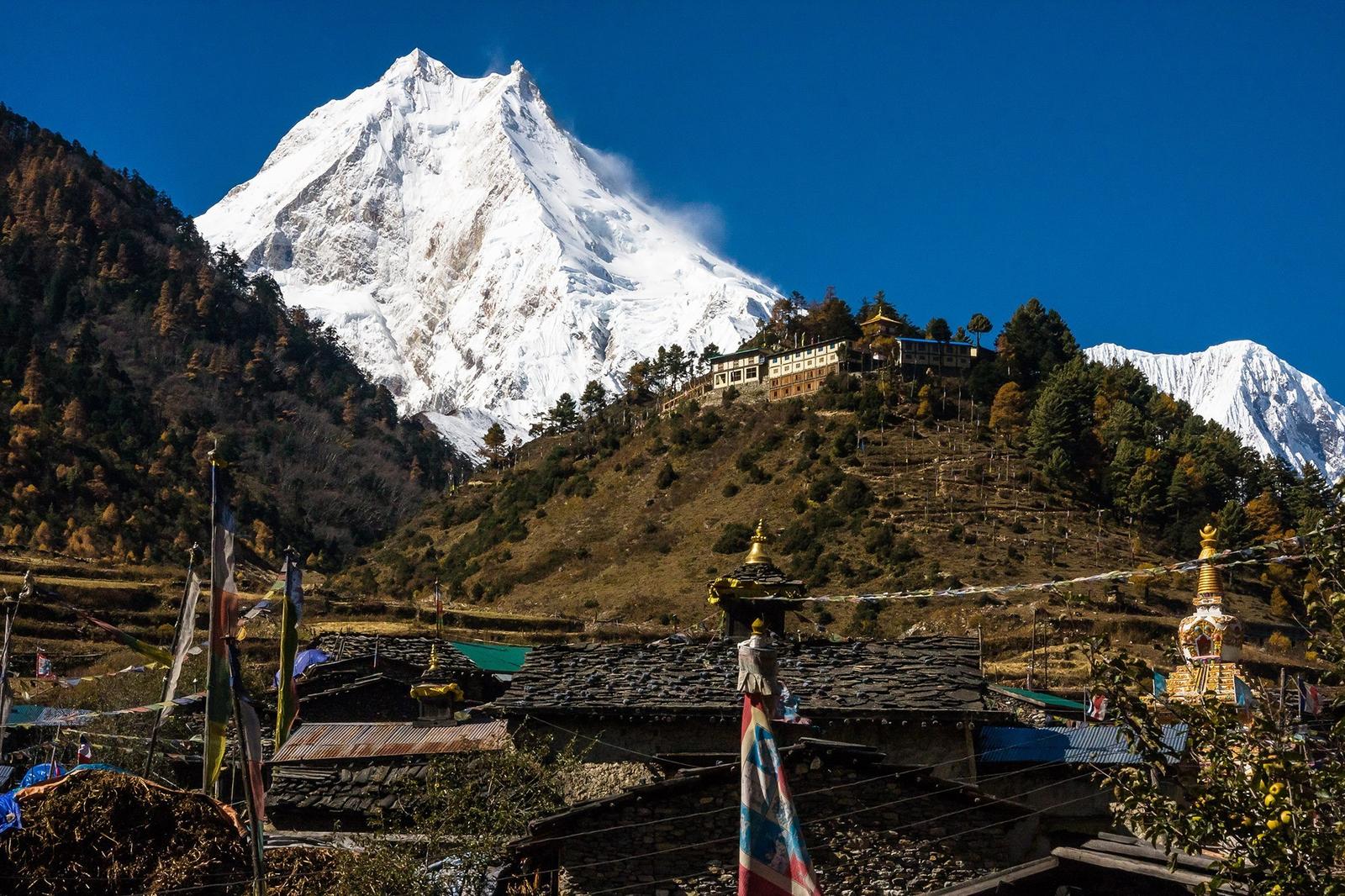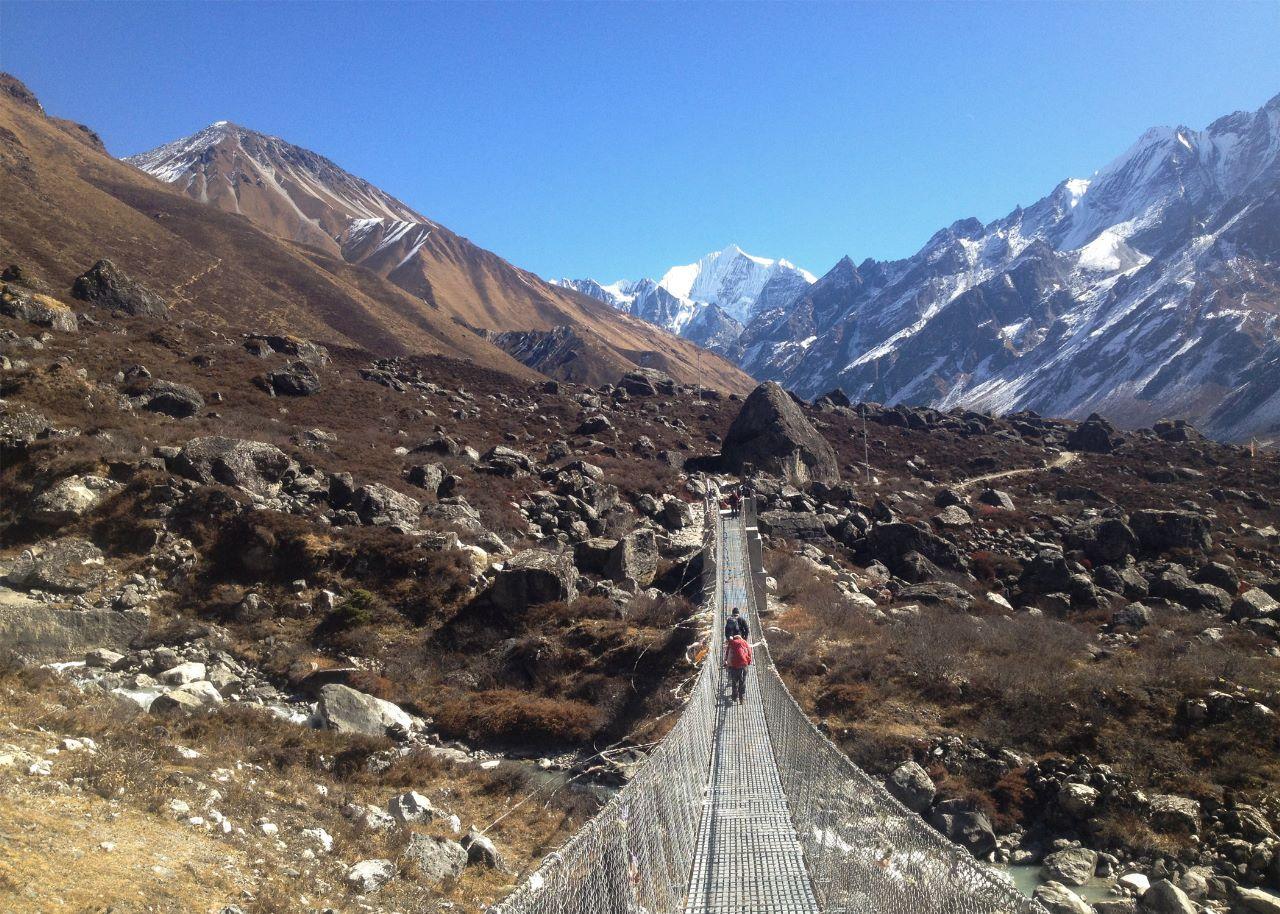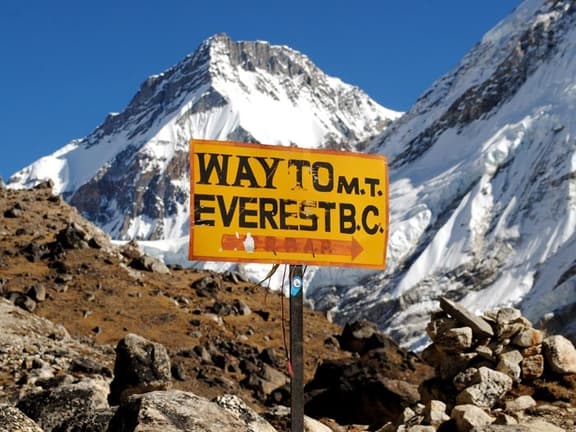
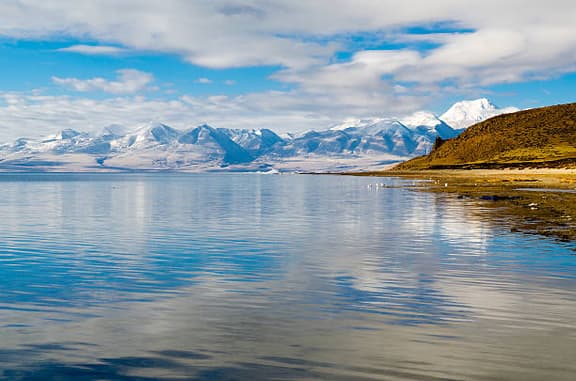

A complete planning guide to the Everest Three Passes Trek, covering Kongma La, Cho La, and Renjo La, plus Gokyo Lakes and Everest Base Camp in one epic Himalayan loop.
The Everest Three Passes Trek is the crown jewel of the Khumbu, and you'll feel it the moment you crest your first pass and the whole snow-draped skyline opens in front of you. This is the route serious trekkers dream about: a demanding loop that stitches together the Kongma La (5,535m), the Cho La (5,420m), and the Renjo La (5,360m), while folding in the turquoise Gokyo Lakes and Everest Base Camp along the way. In this guide, we'll walk you through the itinerary, difficulty, acclimatization, best seasons, permits, and cost so you can plan an unforgettable adventure with confidence.
What Makes the Everest Three Passes Trek So Iconic
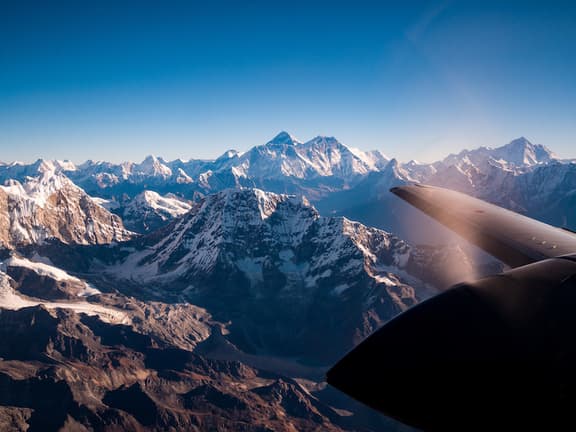
The Everest Three Passes Trek links three high-altitude passes into a single circular route through Nepal's Khumbu region, and it is the most complete way to experience the Everest area. Instead of walking in and out on the same trail, you'll loop around the giants, crossing Kongma La, Cho La, and Renjo La while taking in Everest Base Camp and the Gokyo Lakes. Every day rewards effort with a fresh, breathtaking angle on Everest, Lhotse, Makalu, and Cho Oyu. It's a route that demands strong fitness and rewards it with the kind of scenery that stays with you for life. At HSJ, we consider this the ultimate Himalayan high-pass journey, and it's one we love guiding.
The Three Passes: Kongma La, Cho La, and Renjo La
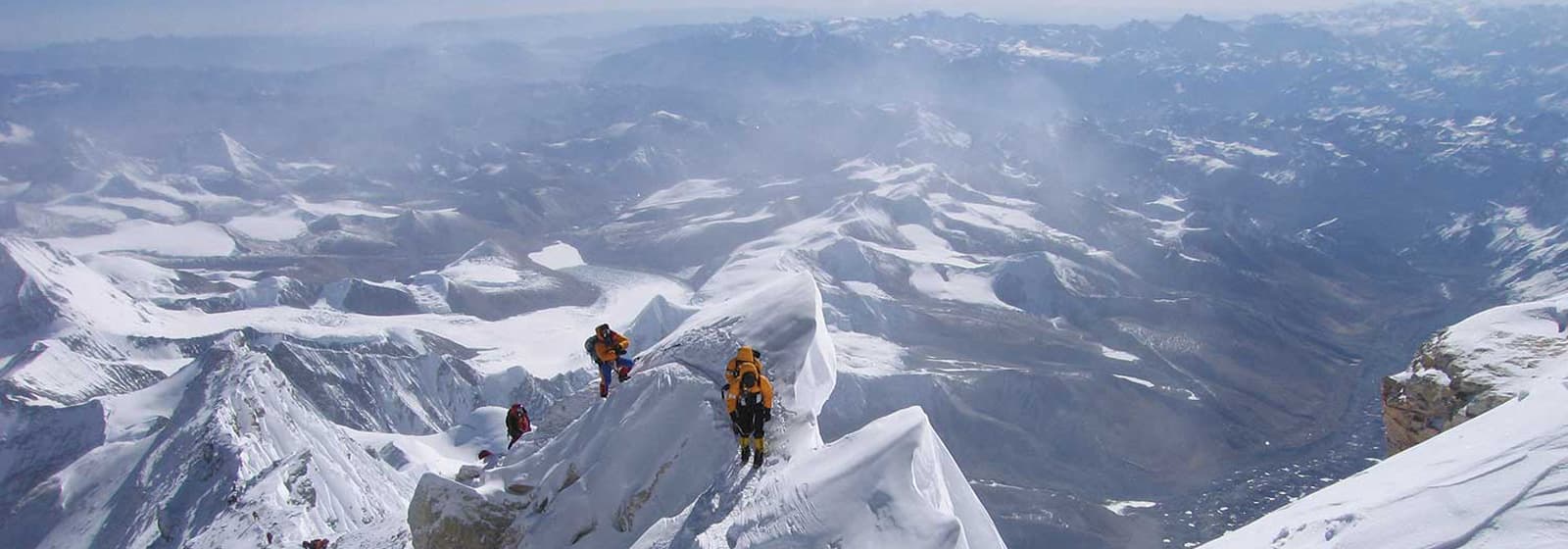
The three passes are the heart of this trek, and each has its own character and challenge. Kongma La, at 5,535m, is the highest and often the toughest, a long steep climb over rocky terrain that leaves you awe-struck at the top beside its frozen pothole lakes. Cho La, at 5,420m, links the Everest Base Camp valley to Gokyo and includes a short glacier crossing where crampons and a steady guide matter most. Renjo La, at 5,360m, is the most scenic of the trio, delivering an iconic Everest panorama above the Gokyo Lakes that many trekkers rank as the finest view of the entire loop.
Which Direction Should You Cross Them?
We recommend trekking clockwise, tackling Kongma La first, then Cho La, then finishing with Renjo La. Going this way means you're already well acclimatized before the hardest crossings, and you descend through the gentler Renjo La side. It's the safest and most rewarding sequence, and it's how our guided Everest Three Passes Trek is designed to protect your acclimatization while maximizing those unforgettable summit-of-the-pass moments.
Day-by-Day Itinerary Overview
The Everest Three Passes Trek typically runs 18 to 20 days, including your arrival and departure days in Kathmandu. After the thrilling flight to Lukla (2,860m), you'll trek up through Namche Bazaar (3,440m) for acclimatization, then follow the classic trail toward Everest Base Camp (5,364m) and Kala Patthar (5,545m). From there you cross Kongma La, then Cho La into the Gokyo valley, climb Gokyo Ri (5,357m) above the shimmering lakes, and finally traverse Renjo La before descending back toward Namche and Lukla. Each stage builds altitude gradually, pairing steady climbs with the emotional payoff of ever-grander views.
Difficulty, Fitness, and Altitude Acclimatization
The Everest Three Passes Trek is graded strenuous and is best suited to fit trekkers with prior high-altitude experience. You'll spend many days above 5,000m and cross three passes over 5,300m, so cardiovascular fitness and mental resilience both matter. The single most important safeguard is acclimatization: our itinerary includes rest days in Namche and Dingboche, and the clockwise route is built so your body adapts before the highest crossings. Drink plenty of water, ascend slowly, and tell your guide about any symptoms early. With sensible pacing and the reassurance of an experienced HSJ team beside you, altitude becomes manageable rather than intimidating.
Best Time to Trek the Three Passes
The best time for the Everest Three Passes Trek is spring (March to May) and autumn (late September to November). Autumn brings crisp, stable skies and the clearest mountain views, while spring adds blooming rhododendron forests lower down and warmer daytime temperatures. Winter is possible but harsh, with deep snow that can close the passes, and the monsoon (June to August) brings cloud, rain, and slippery trails. For the safest crossings and those awe-inspiring panoramas, plan your trek within the two main seasons.
Permits and Cost Breakdown
You'll need two permits for the Everest Three Passes Trek: the Sagarmatha National Park entry permit and the Khumbu Pasang Lhamu Rural Municipality permit. Together these typically cost around USD 50, and both are arranged easily with our support before you set off. Overall trip cost depends on group size, guide and porter arrangements, and teahouse standards, but a fully guided package generally covers your permits, Lukla flights, accommodation, meals on the trail, and an experienced team. Investing in proper support on a route this remote and high isn't a luxury; it's what keeps your adventure safe and genuinely unforgettable.
Frequently Asked Questions
- How long is the Everest Three Passes Trek? The trek usually takes 18 to 20 days, including arrival and departure days in Kathmandu. This allows proper acclimatization and safe crossings of all three passes.
- How hard is the Everest Three Passes Trek? It is strenuous and best for fit trekkers with high-altitude experience. You'll cross three passes above 5,300m and spend many days over 5,000m.
- What is the highest point on the trek? Kongma La is the highest pass at 5,535m, while Kala Patthar reaches 5,545m. Both offer breathtaking, wide-open Himalayan views.
- Do I need permits for the Everest Three Passes Trek? Yes, you need the Sagarmatha National Park permit and the Khumbu Pasang Lhamu Rural Municipality permit. HSJ arranges both before your trek begins.
- When is the best time to go? Spring (March to May) and autumn (late September to November) are best. Autumn offers the clearest skies, and spring brings blooming rhododendron and milder weather.