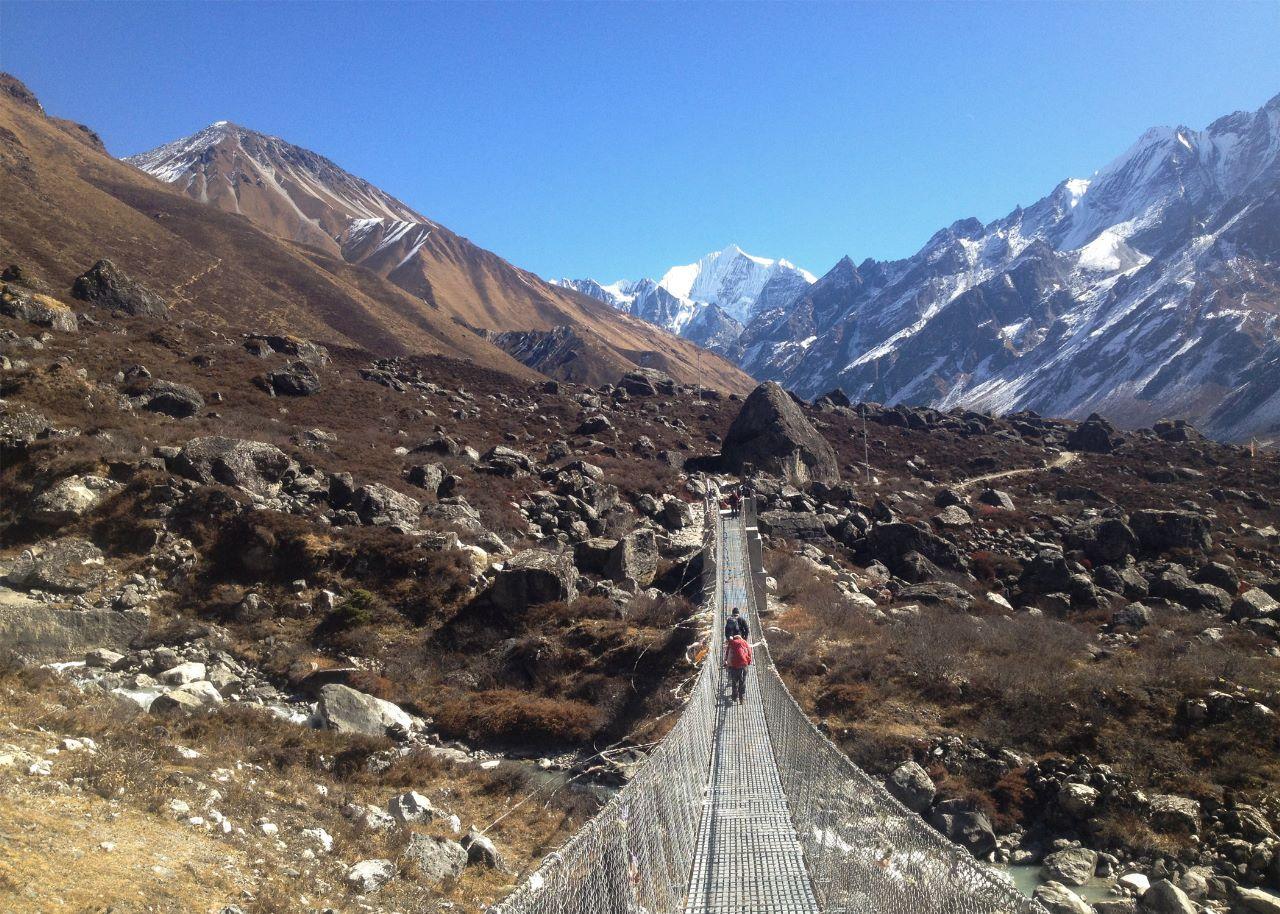
The Langtang Valley Trek is Nepal's closest big-mountain trek to Kathmandu — and one of its quietest. Real 2026 costs, an 11-day itinerary, difficulty, permits and the best months to go, from HSJ's local guides.
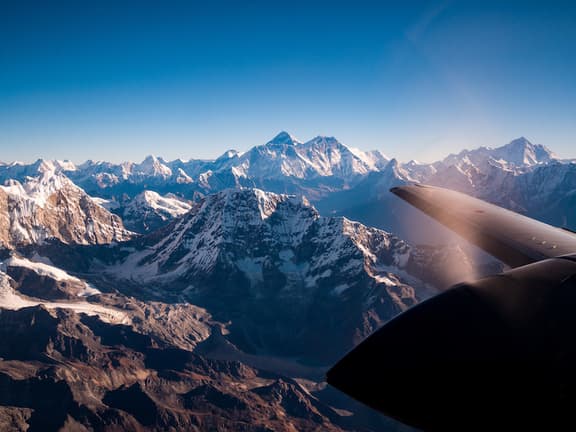
The Langtang Valley Trek is the closest major Himalayan trek to Kathmandu — a 6–7 hour drive to the trailhead at Syabrubesi (1,503 m), and you're walking into a glacier-carved valley crowned by Langtang Lirung at 7,227 m. Yet while everyone else queues for Lukla flights, you'll share these trails with a fraction of the crowds that fill the Everest and Annapurna regions. In this guide, we'll walk you through everything you need to plan your Langtang Valley Trek in 2026: the real cost, the day-by-day itinerary we run, how hard it actually is, the permits you need, and the best months to go.
Why Trek the Langtang Valley?
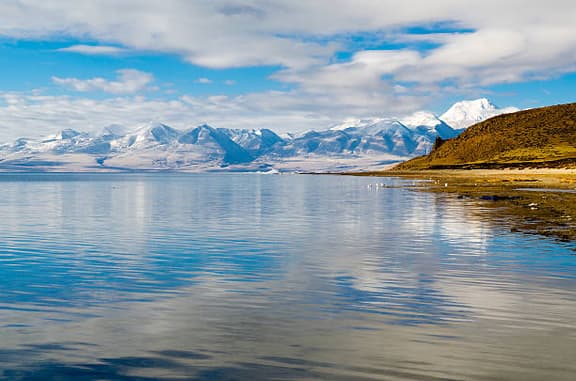
Langtang gives you big-mountain scenery without the long approach: it is Nepal's most accessible 4,000-metre trek, and one of its least crowded. The valley sits inside Langtang National Park — Nepal's first Himalayan national park, established in 1976 — where red pandas and Himalayan black bears still move through forests of oak and rhododendron below the ice.
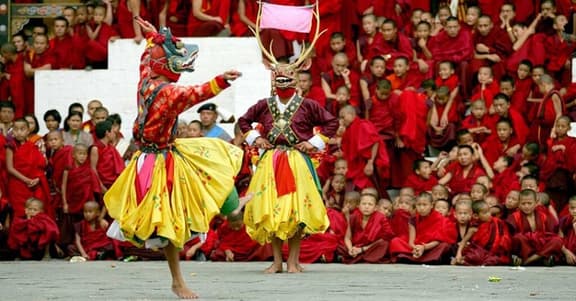
There's a deeper reason to come, too. The 2015 earthquake buried Langtang Village, and the community has rebuilt its teahouses and trails with remarkable determination. Every night you spend in a rebuilt lodge puts money directly into that recovery — trekking here is one of the most meaningful ways to see the Himalaya. The upper valley's Tamang villages, mani walls and the centuries-old Kyanjin Gompa monastery give the trail a cultural richness that rivals its unforgettable mountain views. You can browse every option in the region on our Langtang region tours page.
How Much Does the Langtang Valley Trek Cost?
Our full-service 11-day Langtang Valley Trek package costs US$545 per person. That covers the trek arrangements end to end — licensed local guide, permits, teahouse accommodation and ground transport from Kathmandu — so the price you see is the trip you get, with no permit-desk surprises in Kathmandu.
Budgeting beyond the package, plan for your Nepal entry visa (see our Nepal visa on arrival guide for current fees), personal trekking gear, travel insurance that covers you above 4,000 m, drinks and hot showers in the teahouses, and tips for your crew. Wi-Fi and charging typically cost a few hundred rupees as you climb higher — small change for a hot lemon tea while Langtang Lirung turns gold outside the window.
How Hard Is the Langtang Valley Trek?
The Langtang Valley Trek is a moderate trek: no technical climbing, around 5–6 hours of walking on a typical day, and a highest point of 4,985 m at Tserko Ri. If you can comfortably walk uphill for a full morning, you can train for this trail.
The gradient is the honest part. You gain roughly 2,400 m of altitude between Syabrubesi (1,503 m) and Kyanjin Gompa (3,870 m) over three walking days — steadily, through bamboo forest where the river roars below, then out into open yak pastures where the air thins and the peaks feel close enough to touch. The optional summit morning to Kyanjin Ri (4,773 m) or Tserko Ri (4,985 m) starts around 5:00 am and is the hardest and most awe-inspiring day of the trek; headaches and fatigue at this height are common but normal, and your guide monitors everyone closely. First-time trekkers with good general fitness complete this route every season.
Altitude Sickness on the Langtang Valley Trek
Altitude sickness (AMS) becomes a real risk once you climb above 3,000 m, and on the Langtang Valley Trek that means from Langtang Village onward. AMS has little to do with fitness — it's about how fast your body adjusts to thinner air, and even strong trekkers get it if they climb too quickly.
Watch for headache, nausea, dizziness, loss of appetite and disturbed sleep. These are common and usually mild — a slow pace, good hydration, and telling your guide the moment you notice them keeps it that way. The itinerary above builds in Langtang's natural advantage: three full trekking days between Lama Hotel (2,480 m) and Kyanjin Gompa (3,870 m) is a gentler altitude profile than most Everest or Annapurna itineraries, which is one reason first-timers do so well here.
One symptom changes everything: if a headache or nausea gets worse after rest, or you develop confusion, breathlessness at rest, or unsteady walking, that's a sign of more serious altitude illness — and the only real treatment is immediate descent. Never keep climbing through worsening symptoms, and never let a trekking partner descend alone. Talk to your doctor about Diamox (acetazolamide) before you travel; many trekkers carry it as a precaution, though it's never a substitute for pacing yourself and speaking up early.
Langtang Valley Trek Itinerary: Day by Day
Our itinerary takes 11 days door to door, with 7 days on the trail. Here is exactly how we run it:
Day 1: Arrive in Kathmandu (1,400 m) — welcome and trip briefing
Day 2: Kathmandu sightseeing — UNESCO World Heritage Sites
Day 3: Drive Kathmandu to Syabrubesi (1,503 m)
Day 4: Trek Syabrubesi to Lama Hotel (2,480 m)
Day 5: Trek Lama Hotel to Langtang Village (3,430 m)
Day 6: Trek Langtang Village to Kyanjin Gompa (3,870 m)
Day 7: Hike to Kyanjin Ri (4,773 m) or Tserko Ri (4,985 m) — the highest point of the trek
Day 8: Trek Kyanjin Gompa down to Lama Hotel
Day 9: Trek Lama Hotel to Syabrubesi
Day 10: Drive back to Kathmandu — farewell dinner
Day 11: International departure
Day 7 is the one you'll describe to everyone back home: a pre-dawn start, breath clouding in the cold, and then a 360° sunrise panorama over Langtang Lirung, Gangchempo and the Tibetan border peaks. Short on time? The Kathmandu days can be trimmed — talk to us about the 11-day Langtang Valley Trek and we'll shape it around your dates.
Permits and the Mandatory Guide Rule
You need two permits for the Langtang Valley Trek: the Langtang National Park entry permit (NPR 3,000 for foreign nationals) and a TIMS card (NPR 2,000). There is no restricted-area permit here — unlike Upper Mustang or Manaslu — which keeps Langtang refreshingly simple and affordable to arrange.
One rule matters more than the paperwork: since April 2023, solo trekking without a licensed guide is banned in Nepal's national parks, and Langtang is firmly included. We've covered what that means in our guide to Nepal's mandatory guide rule. Book through a registered operator like Himalayan Social Journey and both permits and the guide requirement are handled for you before you leave Kathmandu.
Best Time for the Langtang Valley Trek
The best months for the Langtang Valley Trek are March to May and late September to November. Spring paints the middle valley with blooming rhododendron forests below dazzling snow slopes; autumn brings the year's clearest skies, with visibility so sharp the summit ridge of Langtang Lirung looks etched against the blue.
Winter treks are possible for well-prepared groups — the valley is quieter and the light is breathtaking, though nights at Kyanjin Gompa drop well below freezing. The summer monsoon (June to early September) brings rain, clouds and leeches on the lower trail, and we generally steer trekkers to other seasons or other regions then.
Temperatures drop fast as you climb — the figures below are typical for Kyanjin Gompa (3,870 m); expect it 8–10°C colder at Tserko Ri's 4,985 m summit.
Season | Months | Day | Night | Conditions |
|---|---|---|---|---|
Spring | Mar – May | 10–15°C | −5 to 0°C | Clear mornings, rhododendrons in bloom, afternoon cloud build-up |
Monsoon | Jun – Aug | 15–20°C | 5–10°C | Frequent rain, leeches on the lower trail, limited mountain views |
Autumn | Sep – Nov | 8–15°C | −8 to −2°C | Nepal's clearest skies; nights sharpen from late October |
Winter | Dec – Feb | 0–8°C | −15 to −10°C | Fewest trekkers, possible snow above Langtang Village, coldest nights |
For a fuller month-by-month picture across Nepal, read our guide to the best time to trek in Nepal.
What to Pack for the Langtang Valley Trek
Langtang tops out lower than Everest or Manaslu, so you can travel a little lighter — but the swing between a sunny lunch stop and a Kyanjin Gompa night is still 25–30°C.
Layers: moisture-wicking base layers, a fleece or light down mid-layer, an insulated jacket for Kyanjin Gompa evenings and the Tserko Ri sunrise, and a waterproof/windproof shell.
Footwear: broken-in waterproof trekking boots, plus camp shoes or sandals to rest your feet each evening, and 3–4 pairs of trekking socks.
Sleep & gear: a sleeping bag rated to at least −10°C (teahouse rooms above Lama Hotel are unheated), a headlamp for the pre-dawn Tserko Ri hike, and trekking poles for the steep bamboo-forest sections.
Health & practical: a basic first-aid kit, water purification tablets or a filter, sunscreen and sunglasses rated for high altitude — UV is fierce above 3,000 m even on cloudy days — and cash in Nepali rupees, since there are no ATMs past Syabrubesi.
For the full room-by-room breakdown, see our Nepal trekking equipment list.
Side Trips and Nearby Treks
Langtang rewards an extra few days more than almost anywhere in Nepal. From Kyanjin Gompa, you can visit the famous local cheese factory and day-hike beneath the Langtang glacier. West of the valley, the Tamang Heritage Trek loops through hot springs and hillside villages where traditional Tamang life continues much as it has for generations — it combines beautifully with the main valley trail.
South of the valley lie the sacred Gosaikunda lakes; if your legs are done but your eyes aren't, our Gosaikunda helicopter tour puts you over that iconic alpine water in a single morning. And if you're still choosing your route, see how Langtang compares with Nepal's other quick Himalayan options in our roundup of the top 5 short treks in Nepal.
Langtang vs Everest Base Camp vs Annapurna Base Camp vs Mardi Himal
If you're still choosing between Nepal's most popular treks, here's how Langtang stacks up against the others we run:
Trek | Duration | Highest Point | Permits | Cost (HSJ) | Best For |
|---|---|---|---|---|---|
Langtang Valley | 11 days | 4,985 m (Tserko Ri) | Langtang National Park + TIMS | $545 | Closest trek to Kathmandu, first Himalayan trek |
Everest Base Camp | 14 days | 5,545 m (Kala Patthar) | Sagarmatha National Park + local municipality fee | $850 | Bucket-list trekkers, classic Everest views |
Annapurna Base Camp | 9 days | 4,130 m (ABC) | Annapurna Conservation Area + TIMS | $595 | Shorter big-mountain trek, sanctuary views |
Mardi Himal | 7 days | ~4,500 m (High Camp) | Annapurna Conservation Area + TIMS | $340 | Shortest, most budget-friendly, quiet trails |
Langtang sits in the sweet spot: lower cost and shorter travel time than Everest, a gentler altitude curve than Annapurna Base Camp, and none of the restricted-area permit fees of Upper Mustang or Manaslu.
Frequently Asked Questions
How many days do you need for the Langtang Valley Trek?
7 trekking days is standard; our full itinerary is 11 days including Kathmandu. The walking route runs Syabrubesi to Kyanjin Gompa and back, with a summit morning at Kyanjin Ri or Tserko Ri.
How much does the Langtang Valley Trek cost in 2026?
US$545 per person with Himalayan Social Journey for the full 11-day package. Permits add NPR 3,000 (national park) plus NPR 2,000 (TIMS), which are included when you book with us.
Can you trek Langtang without a guide?
No. Since April 2023 Nepal requires a licensed guide in its national parks, including Langtang. A registered trekking agency arranges your guide and both permits together.
Is the Langtang Valley Trek harder than Everest Base Camp?
No — it is shorter and lower. Langtang tops out at 4,985 m versus EBC's 5,545 m viewpoint, with fewer days at altitude, making it a strong first Himalayan trek.
What is the highest point of the Langtang Valley Trek?
Tserko Ri at 4,985 m, an optional sunrise hike from Kyanjin Gompa. The easier alternative, Kyanjin Ri, reaches 4,773 m with the same horizon of ice.
Is altitude sickness a concern on the Langtang Valley Trek?
Yes, above 3,000 m, but Langtang's gradual ascent profile makes it lower-risk than Everest or Annapurna. Watch for headache, nausea or dizziness, and descend immediately if symptoms worsen.