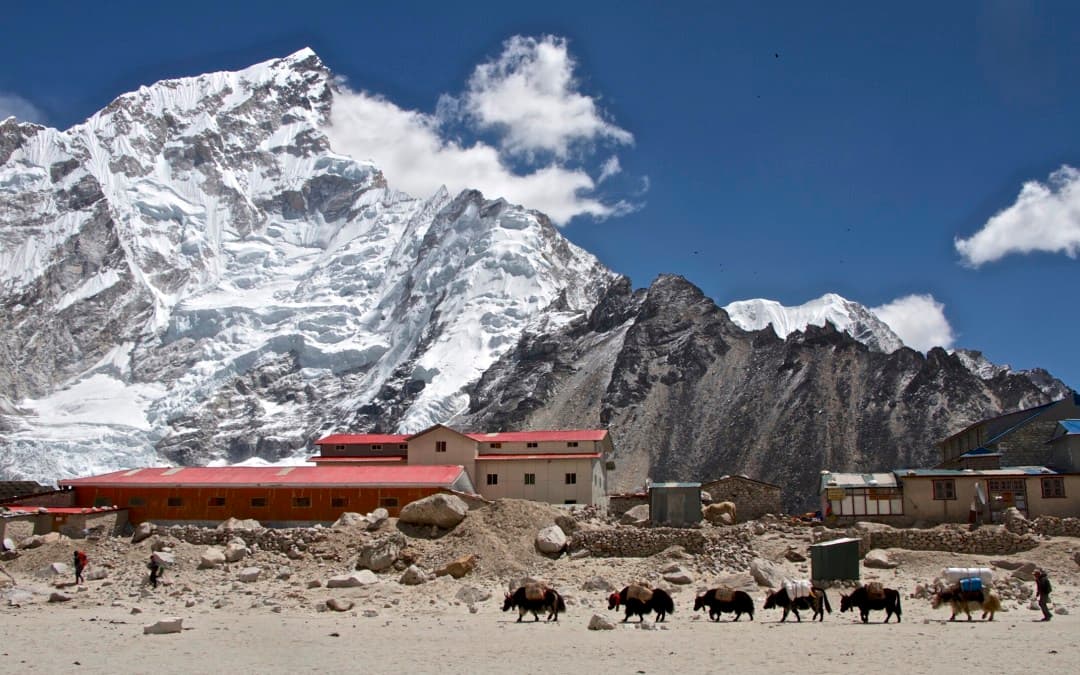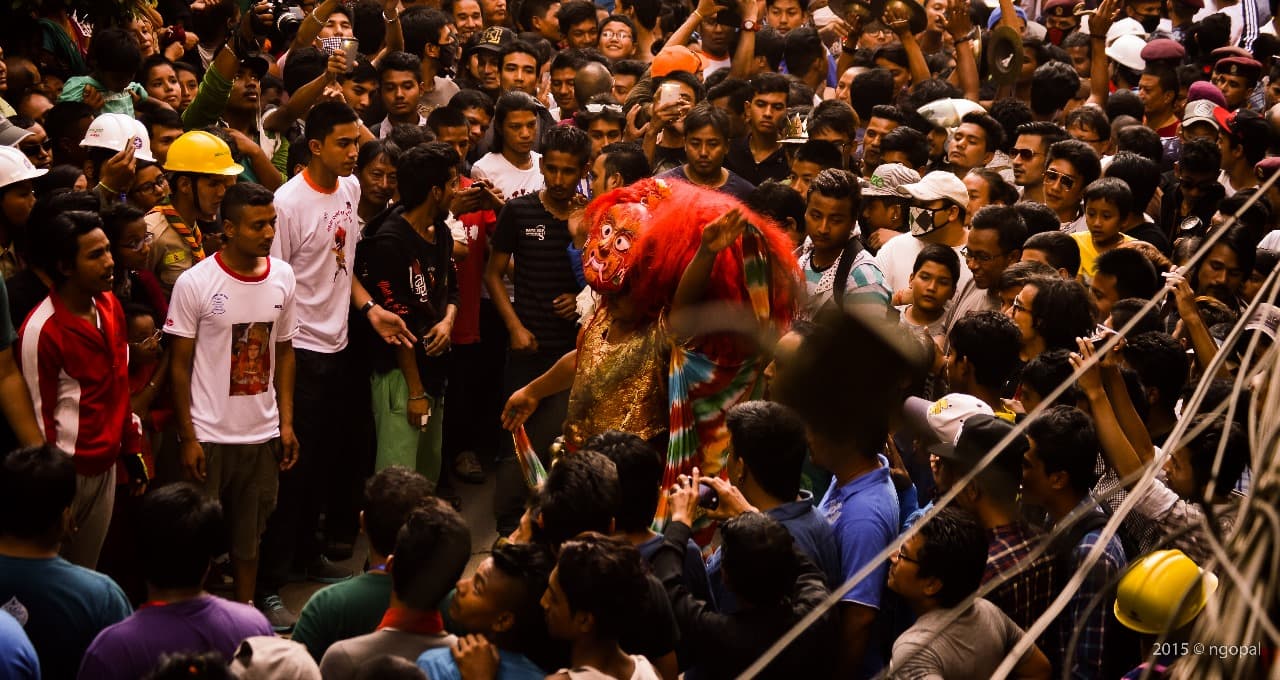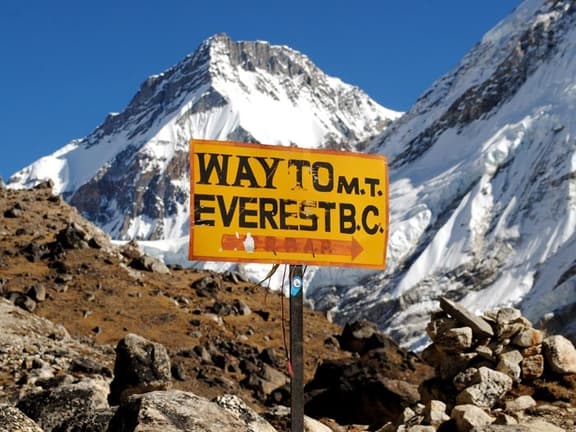
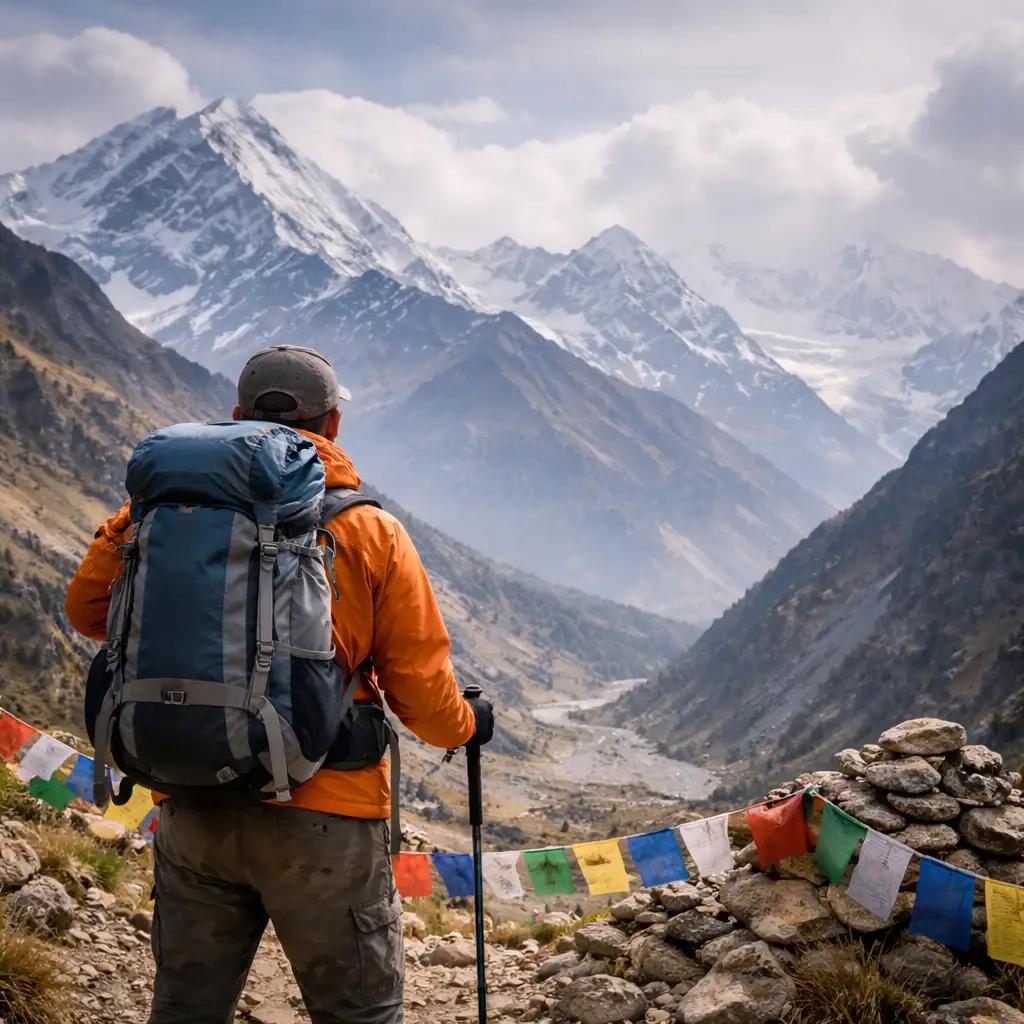
You’ve been dreaming about this trip for months. Maybe years. You’ve watched every YouTube video of the Everest Base Camp trail, saved dozens of Instagram reels of sunrise at Poon Hill, and read every Reddit thread about budget trekking in Nepal. Your plan was simple: fly into Kathmandu, grab your permits, and hit the trail on your own terms.
Then someone in a travel forum drops the bombshell: solo trekking is banned in Nepal.
If you’re reading this in 2026, here’s the truth — yes, the rules have changed. But before you panic or cancel your trip, take a breath. This guide will walk you through exactly what the new mandatory guide rule means for you, what it actually costs, where you can still hike independently, and why thousands of trekkers (including the skeptical ones) are discovering that guided treks in Nepal are not what they imagined.
We’ve been guiding treks in the Himalayas for 18 years at Himalayan Social Journey. We’ve seen every version of this conversation — and we’re going to give you the honest picture, not the marketing spin.
What Exactly Changed? The Mandatory Guide Rule Explained
In April 2023, the Government of Nepal and the Nepal Tourism Board (NTB) officially implemented a rule that all foreign trekkers must be accompanied by a licensed guide or porter-guide when entering any National Park, Conservation Area, or Restricted Area.
This wasn’t a sudden decision. It came after a decade of rising incidents — missing trekkers, altitude sickness emergencies with no one around to help, and costly search-and-rescue operations in some of the most remote terrain on Earth. By 2026, the rule is being strictly enforced at every major checkpoint with digital scanners verifying your guide’s credentials and your permits.
Which trekking regions require a mandatory guide in 2026?
The short answer: almost all of them. The rule covers roughly 95% of popular trekking routes in Nepal. Here’s a breakdown:
|
Trekking Region |
Guide Required? |
Key Checkpoints |
|
Annapurna (ABC, Circuit, Poon Hill, Mardi Himal) |
Yes — strictly enforced |
Birethanti, Ghandruk, Tatopani |
|
Everest (EBC, Gokyo, Three Passes) |
Yes — enforced since 2026 season |
Monjo gateway, Namche |
|
Langtang Valley |
Yes — mandatory |
Dhunche checkpoint |
|
Manaslu Circuit |
Yes + minimum 2 trekkers |
Jagat, Samagaun |
|
Upper Mustang |
Yes + special restricted permit |
Kagbeni, Jomsom |
|
Kanchenjunga |
Yes + minimum 2 trekkers |
Multiple army checkpoints |
What happens if you try to trek without a guide?
Enforcement is real in 2026. If you’re caught on a regulated trail without a licensed guide, you face immediate fines (starting at NPR 12,000), permit confiscation, and being escorted back to the nearest road. Agencies that try to issue permits without assigning a guide also risk losing their license. This isn’t a grey area anymore.
Where Can You Still Trek Independently in Nepal?
Not everything requires a guide. If you’re determined to walk on your own, there are still options:
• Day hikes around Kathmandu — Nagarkot, Shivapuri, Champa Devi, and the World Peace Pagoda in Pokhara are all outside National Park boundaries and don’t require a guide or trekking permit.
• Short hikes near Pokhara — the Phewa Lake loop, Sarangkot sunrise hike, and Davis Falls area are all open for independent exploration.
• City exploration — Kathmandu’s seven UNESCO Heritage Sites, Bhaktapur, Patan, and Boudhanath are all guide-optional (though a local guide makes the experience much richer).
[Internal link: Check out our Kathmandu 7 UNESCO Heritage Sites Day Tour for a guided cultural experience — hsj.com.np/trip/private-7-unesco-heritage-sites-day-tour]
However, the moment your trail crosses into a Conservation Area or National Park boundary — which includes every major multi-day trek — you need a licensed guide. No exceptions.
How Much Does a Trekking Guide Actually Cost in Nepal?
This is the question everyone asks, so let’s be transparent about the numbers.
A guide-only service (where you arrange your own food, accommodation, and permits separately) typically costs USD 25–35 per day. But most trekkers find that a full package deal is easier and often cheaper once you factor in everything.
What does a full trekking package include?
At Himalayan Social Journey, our packages typically include your licensed trekking guide, a porter (one porter for every two trekkers), all required permits and TIMS registration, accommodation in teahouses along the route, three meals a day on the trek, airport transfers, and a pre-trek briefing at your Kathmandu hotel.
For reference, our Everest Base Camp Trek (14 days) starts at USD 975, and our Annapurna Base Camp Trek (11 days) starts at USD 750. These are all-inclusive prices — no hidden fees added later.
[Internal link: View our full Everest Base Camp Trek package — hsj.com.np/trip/everest-base-camp-trek]
[Internal link: View our Annapurna Base Camp Trek package — hsj.com.np/trip/annapurna-base-camp-trek]
Permit costs you should know about
Regardless of how you trek, you’ll need to budget for permits. Here’s what they cost in 2026:
• Annapurna Conservation Area Permit (ACAP): NPR 3,000 (~USD 23)
• Sagarmatha National Park Permit (Everest): NPR 3,000 (~USD 23)
• Langtang National Park Permit: NPR 3,000 (~USD 23)
• TIMS Card: NPR 2,000 (~USD 15)
• Manaslu Restricted Area Permit: USD 100 per week (Sep–Nov), USD 75 per week (other months)
• Upper Mustang Permit: USD 50 per person per day (new flexible pricing since late 2025)
Most of these are included in agency packages, so you don’t need to run around Kathmandu collecting paperwork yourself — your agency handles it all.
The Honest Truth: Why Guided Treks Are Better Than You Think
We understand the resistance. If you’re an experienced hiker, the idea of a mandatory guide feels like losing your freedom. But here’s what we’ve observed over 18 years of guiding thousands of trekkers — the ones who start out skeptical about having a guide are almost always the ones who leave the most positive reviews.
Here’s why:
Your guide is not a chaperone
A good guide walks with you, not ahead of you giving orders. You still choose your pace, your rest stops, your photo breaks. The difference is that someone is handling the logistics — booking your teahouse bed (which matters during peak season when rooms fill up by 2 PM), negotiating fair meal prices, and making sure your permits are ready at every checkpoint.
They unlock experiences you’d never find alone
Our guides are from the mountain communities. They grew up in the villages you’re walking through. They know the teahouse owner’s family history, the story behind the mani stones, and the shortcut to a viewpoint that isn’t on any map. One of our Everest region guides, Santosh, regularly gets invited by Sherpa families to share evening tea with trekkers — an experience no solo trekker would stumble into.
Altitude sickness is real, and it’s invisible
This is the one that matters most. Acute Mountain Sickness (AMS) can affect anyone regardless of fitness level, and the early symptoms — mild headache, slight nausea, unusual fatigue — are easy to dismiss when you’re excited about reaching base camp. Our guides are trained in high-altitude first aid. They monitor your condition daily, know when to suggest an extra acclimatization day, and can coordinate a helicopter evacuation within minutes if needed. When you’re alone at 4,500 meters and suddenly can’t think straight, having that safety net is not a luxury — it’s the difference between a scary afternoon and a genuine emergency.
What About Solo Female Trekkers?
The mandatory guide rule has been particularly welcomed by women planning to trek Nepal alone. While Nepal has always been one of the safer countries for solo female travelers, having a certified guide eliminates the biggest concern entirely — you are never truly alone on the trail.
At HSJ, we regularly guide solo women on routes from the Annapurna Circuit to Everest Base Camp. Our guides understand the balance between companionship and personal space. Several of our returning clients have told us that their guided solo trek in Nepal was the most empowering travel experience of their lives.
If you’re a woman planning to trek Nepal in 2026, the new rules work in your favor. You get a private guide, complete safety support, and total freedom to set your own pace.
How to Choose the Right Trekking Agency (And Avoid the Bad Ones)
The mandatory guide rule has created a boom in new trekking agencies, and not all of them are trustworthy. Here’s how to tell the good ones from the questionable ones:
Green flags
• TAAN (Trekking Agencies’ Association of Nepal) membership — ask for their registration number and verify it
• NTB (Nepal Tourism Board) registration
• Real reviews on TripAdvisor, Google, or TourRadar from actual trekkers (not just star ratings — read the written reviews)
• Transparent pricing with a clear breakdown of what’s included and what’s not
• Direct communication — you can talk to a real person before booking, not just an automated form
• They pay guides and porters fair wages and provide proper equipment
Red flags
• Prices that seem too good to be true (below USD 500 for a 14-day EBC trek means corners are being cut — usually on guide quality, porter welfare, or insurance)
• No verifiable TAAN number
• Pressure to book immediately without answering your questions
• Vague inclusions like “all meals included” without specifying breakfast/lunch/dinner
• No physical office address in Kathmandu
Himalayan Social Journey has been operating since 2007 from our office in Shorakhutte, Kathmandu. We hold TAAN membership, NTB registration, and IATA accreditation. We’ve earned TripAdvisor’s Certificate of Excellence every year since 2012, with a 4.7/5 rating across TripAdvisor, Google, and TourRadar. We’re not saying this to boast — we’re saying it because when the rules require you to trust an agency, these are the credentials that matter.
[Internal link: Learn more about our team and credentials — hsj.com.np/page/about-us]
[Internal link: See our awards and legal documents — hsj.com.np/page/awards-legal-documents]
Best Treks to Book With a Guide in 2026
If you’re adjusting your plans from solo to guided, here are the treks that benefit the most from having a local expert by your side:
Everest Base Camp Trek (14 Days)
The classic Himalayan journey. Your guide handles the notoriously unpredictable Lukla flights, secures teahouse beds in the busy Namche-to-Gorak Shep stretch, and monitors your acclimatization at every stage. Starting at USD 975.
[Internal link: hsj.com.np/trip/everest-base-camp-trek]
Annapurna Circuit Trek (12 Days)
Crossing the Thorong La Pass at 5,416 meters is the highlight — and the point where you really want an experienced guide reading the weather and your energy levels. Starting at USD 850.
[Internal link: hsj.com.np/trip/annapurna-circuit-trek]
Langtang Valley Trek (11 Days)
The closest major trek to Kathmandu, through Tamang villages with a warm community feel. Guides from this region share personal stories of rebuilding after the 2015 earthquake that add profound depth to the experience. Starting at USD 650.
[Internal link: hsj.com.np/trip/langtang-valley-trek]
Manaslu Circuit Trek (15 Days)
Already required a guide and minimum two trekkers even before the new rules. The reward? One of Nepal’s quietest and most spectacular trails, with improved infrastructure in 2026. Starting at USD 849.
[Internal link: hsj.com.np/trip/manaslu-base-camp-circuit-trek]
The Bottom Line
The solo trekking ban in Nepal feels like a loss of freedom at first. We get it. But after watching this transition unfold over the past three years, and hearing feedback from thousands of trekkers, we can tell you with confidence: the guided experience in Nepal is not what you’re picturing.
It’s not a tour bus with a flag. It’s not a chaperone watching over your shoulder. It’s a local expert who grew up in these mountains, who cares about your safety, who knows the name of the teahouse owner’s daughter, and who will quietly hand you a cup of hot lemon-ginger tea at 5 AM when the altitude headache hits and you’re questioning all your life choices.