


Nepal with Kids, Grandparents & Groups, The Family Travel Guide
She's right. It does.
Nepal family travel is one of those rare experiences where every generation arrives expecting something different and all of them leave quietly transformed. Parents worry it will be too rugged. Grandparents wonder if they'll keep up. School group leaders lose sleep over logistics. But the families and groups who make the journey consistently say the same thing: they didn't expect Nepal to be this good. For all of them. At the same time.
This guide exists because most Nepal travel content assumes you're a solo trekker with two free weeks and no dietary restrictions. You're not. You have a seven-year-old who needs engaging activities, a grandfather with a knee replacement, and a group chat with twenty-three unread messages about airport transfers.
This is the Nepal travel guide built for you.
Why Nepal Works Beautifully for Families and Groups
Before the itineraries and the packing lists, let's address the question underneath every concern: Is Nepal actually the right destination?
Nepal's culture is built around the idea that children are auspicious and elders are revered. When a young child walks into a Nepali home or temple, they are not an inconvenience they are a welcome blessing. When an older traveler sits down to rest at a teahouse, the host brings tea without being asked. This isn't tourism hospitality. It's how Nepali communities actually live.
The range of experiences available at low altitude is extraordinary. Kathmandu sits at 1,400 metres. Pokhara is just over 800 metres. Chitwan National Park is barely above sea level. An entire world-class family trip, jungle safaris, heritage temples, mountain views, river rafting for teens, cooking classes for curious kids can be designed entirely below altitudes that require any special acclimatisation.
Nepal also offers genuine value. A mid-range family or group trip to Nepal delivers experiences like rhino sightings, Himalayan panoramas, living cultural heritage that cost multiples more in comparable destinations elsewhere. For school groups and multi-generational families managing a shared budget, this matters.Most of all, Nepal is intrinsically educational in a way that no classroom can replicate. Every meal is a geography lesson. Every temple visit is a living history class. Every conversation with a Sherpa guide or a Tharu naturalist is global citizenship in action.
Nepal with Kids
The Chitwan Wow Moment
If you have children between the ages of four and sixteen, start in Chitwan. Not Kathmandu. Chitwan. Chitwan National Park in the Terai lowlands is where the trip becomes real for children. The elephant grass stands four metres high on either side of a narrow canoe. A one-horned rhinoceros wades through the Rapti River twenty metres away, unbothered, magnificent. Your child is not watching a screen. They are not waiting for something to happen. They are inside something.
Naturalist guides in Chitwan are exceptional with young visitors where they know that a child who understands why the rhino is endangered will care about conservation for the rest of their life in a way a child who simply photographed one will not.
Pokhara: The Perfect Family Base
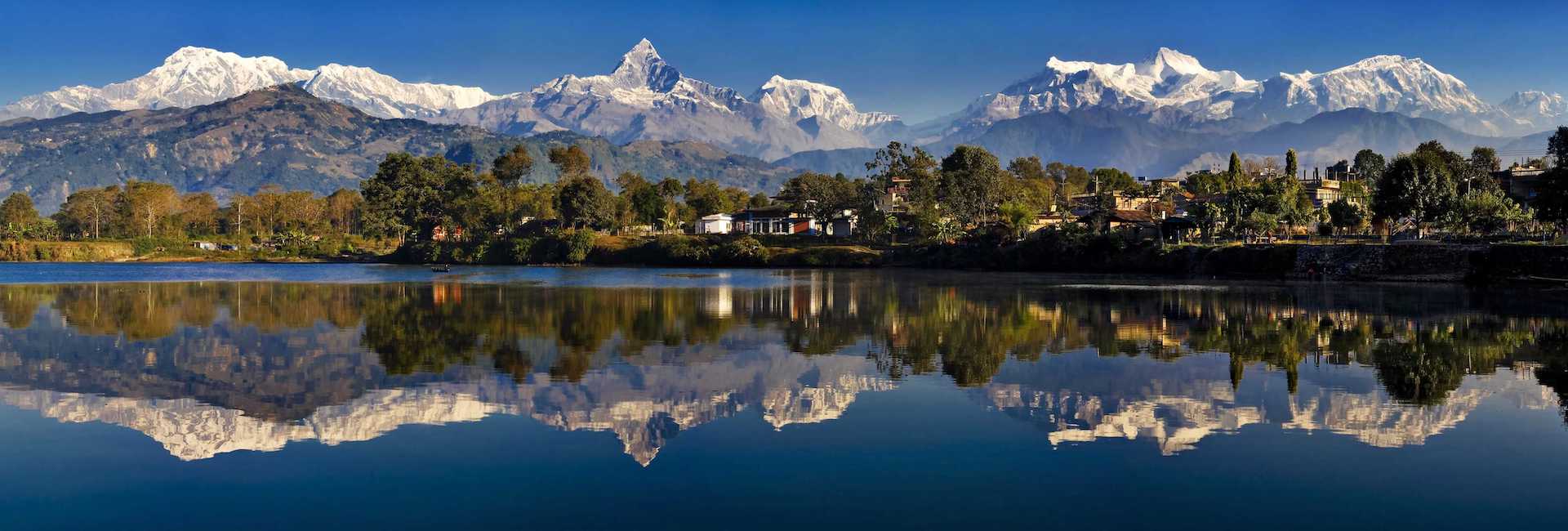
Pokhara is where families exhale. The lakeside promenade along Phewa Lake is flat, wide, and genuinely beautiful. Young children can take rowing boats onto the lake while teenagers can watch paragliders spiral down from Sarangkot above. The Peace Stupa hike takes one to two hours at a gentle pace and rewards every age group with a panorama that makes phones come out involuntarily.
Family rooms are widely available at Pokhara's lakeside guesthouses and boutique hotels. This is a base, not just a stopover.
Cultural Engagement Built for Curious Kids
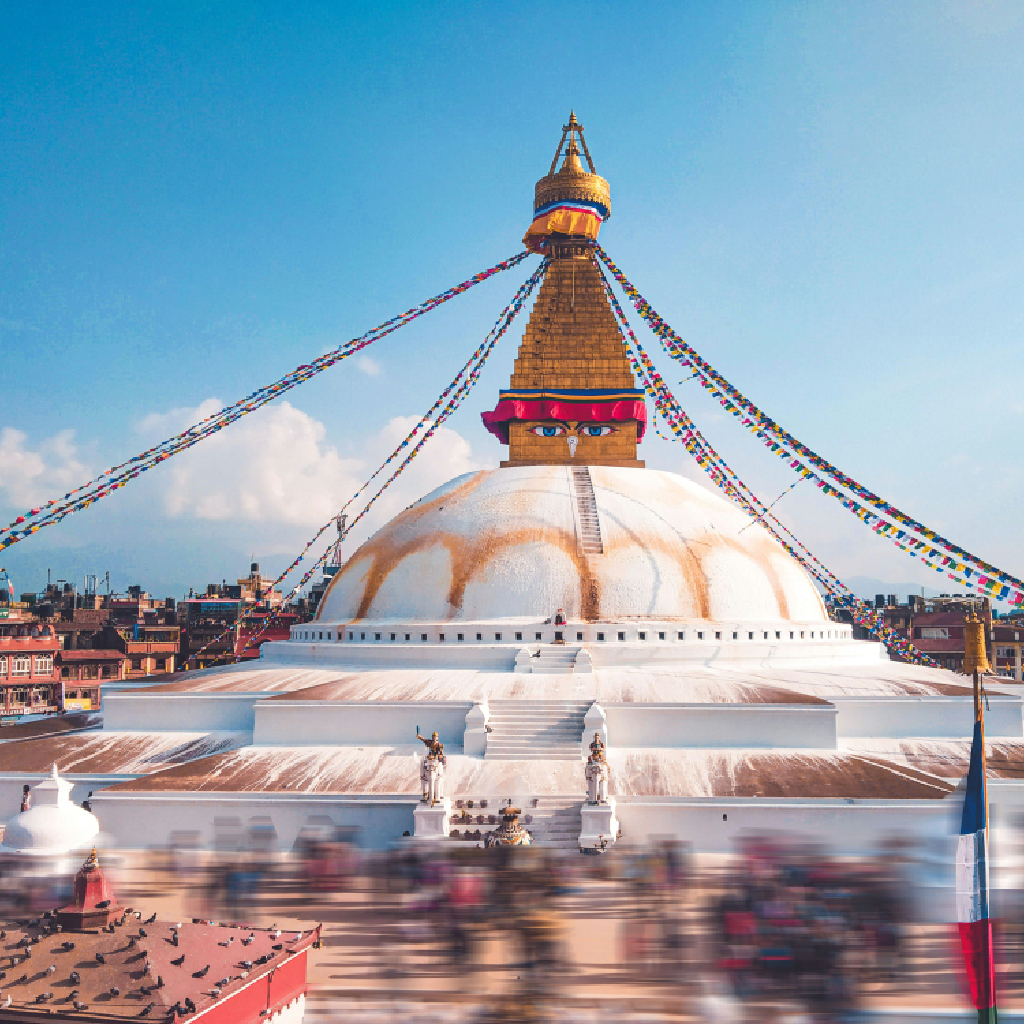
Children engage most deeply when they participate rather than observe. In Kathmandu, a cooking class making dal bhat from scratch costs very little and produces enormous joy. Spinning the prayer wheels at Boudhanath turning each one clockwise, as the pilgrims do becomes a ritual children ask to repeat. A thangka painting demonstration, where children can try the brushwork themselves on a small practice canvas, turns an art form into a memory.
Watching for the Kumari from Kumari Chowk in Durbar Square is one of those perfect child-sized mysteries, the living goddess who may or may not appear at her window, for as long as she chooses.
Beginner Treks That Children Can Actually Do
Nepal with kids doesn't require altitude or endurance. The Sarangkot sunrise walk above Pokhara takes one to two hours at a comfortable pace and is manageable from age five upward. The Nagarkot day hike from Kathmandu offers Himalayan views with minimal elevation gain. The Australian Base Camp trail in the Annapurna foothills suitable from around age six introduces children to genuine mountain terrain without technical difficulty or altitude risk.
Keep drive days honest: Kathmandu to Chitwan takes five to six hours by road. For families with young children, the domestic flight option (forty minutes) is worth the cost.
Multi-Generational Travel in Nepal
The Split-Day Strategy
The single most effective design principle for multi-generational travel is what experienced Nepal operators call the split-day approach. Mornings belong to the most active members of the group: an early sunrise hike, a cycling tour of Kathmandu's heritage squares, a longer river walk. Afternoons reunite everyone at a shared experience: a lakeside lunch, a temple visit at an easy pace, a cultural performance at a heritage hotel.
This structure means a twelve-year-old and a seventy-two-year-old have genuinely different mornings and a genuinely shared afternoon. Nobody compromises. Nobody waits.
What's Possible for Older Travelers
Kathmandu's historic squares Pashupatinath, Boudhanath, Patan Durbar Square are all accessible by vehicle and involve manageable walking distances. The stone streets of Bhaktapur require honest acknowledgement: they are uneven and require a steady guide or a walking stick. A good local guide anticipates this without making it awkward.
Pokhara's lakeside promenade is flat, wide, and paved and genuinely accessible for travelers with limited mobility. Chitwan's wildlife experiences can be done entirely by jeep or boat; no walking is required for a full and extraordinary day in the park. Nagarkot and Dhulikhel offer Himalayan panoramas that are entirely vehicle-accessible.
The Moments That Bond Generations
The experiences that create shared family stories tend to be small and specific. Receiving a tika blessing at a family puja together the priest pressing red powder to forehead after forehead, youngest to oldest. Watching the Annapurna range turn pink at sunrise from a lodge balcony, four generations in a row. A grandmother showing her grandchild how to hold marigold petals before placing them at a temple offering point.
These are the moments families reference for decades. They don't require altitude. They require the right itinerary. Pace and rest are not luxuries in multi-generational travel they are the architecture of a successful trip. Build rest afternoons into the schedule. Choose accommodation with hot water, reliable meals, and comfortable beds as non-negotiables. The experience of Nepal is rich enough without adding physical exhaustion to the equation.
School Groups and Organized Group Tours: Education Without Borders
Why Nepal Is a Classroom That Moves
School trips to Nepal offer something no textbook delivers: a living, breathing curriculum. The Hindu-Buddhist coexistence visible in a single Kathmandu street teaches religious pluralism more effectively than a semester of lectures. Standing at the edge of the Chitwan buffer zone while a ranger explains corridor conservation teaches ecology through immediate, tactile reality. Meeting a village elder who has watched the glaciers retreat over sixty years teaches climate change with a human face. This is not sightseeing. It is education in motion.
Types of Group Experiences Available
Group itineraries can be structured around community volunteering — working alongside local teams on school improvement projects, reforestation initiatives, or community garden programmes. These are mutual exchanges, not charity visits; local communities participate in designing and directing the work.
Cultural immersion programmes include village homestays where students cook with local families, monastery visits with structured Q&A sessions with resident monks, and traditional craft workshops. Eco-trekking components add environmental education to short guided trails in the Annapurna or Langtang foothills. Chitwan and Bardia National Parks both offer ranger-led wildlife and conservation sessions designed for student groups.
Group Logistics, Honestly
Group travel to Nepal requires permits, coordination, and ground-level expertise that international tour companies without local presence genuinely cannot provide reliably. Accommodation for groups of ten to forty is available across the country in teahouse lodges, guesthouses, and retreat centres — but it requires advance booking and a local operator who knows which properties can handle group dietary needs, early departures, and emergency protocols.
Group meals require careful pre-planning: vegetarian requirements, allergies, and cultural dietary preferences need to be confirmed in advance and managed daily. Internal transport for groups private coaches, domestic flights, dedicated vehicles is readily available but must be coordinated by someone with genuine on-the-ground relationships.
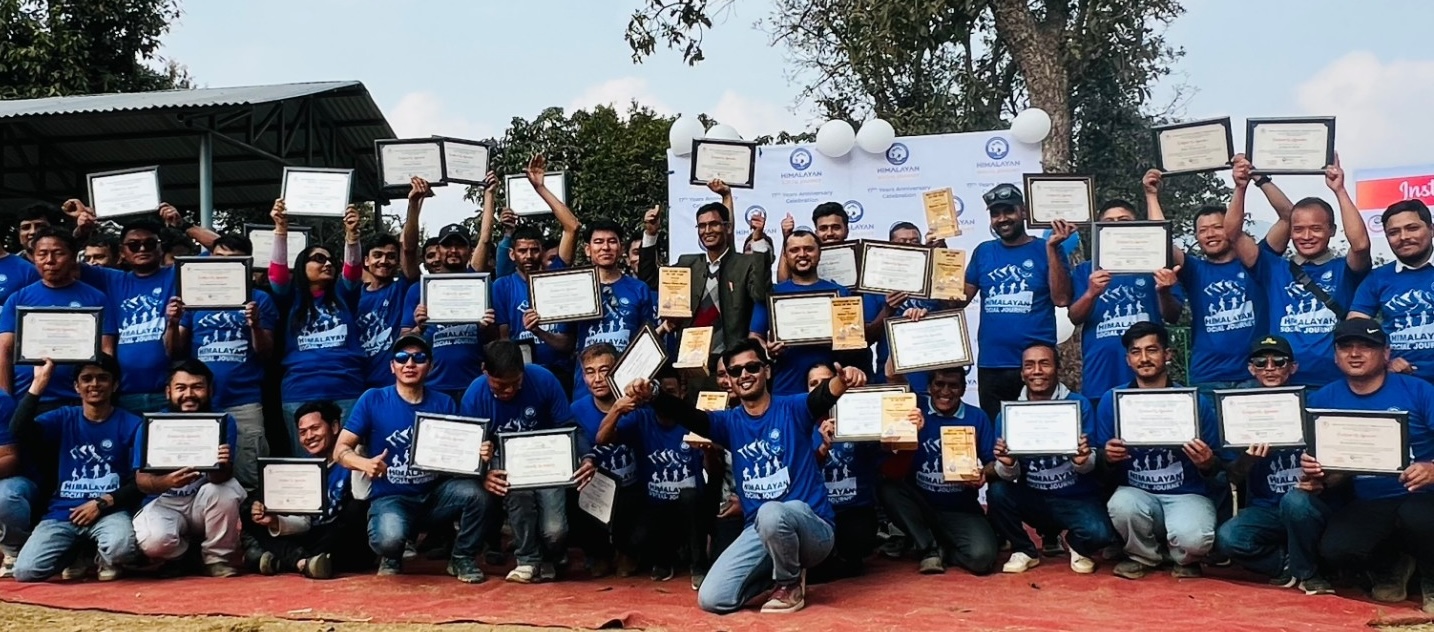
Himalayan Social Journey has built its group travel work around exactly this kind of coordination: permits handled, guides vetted, contingency plans in place, and a community-first approach that ensures groups contribute positively to the places they visit.
What Makes a Group Trip Transformative
The difference between a sightseeing tour and a transformative experience is structured reflection. The best school group itineraries build in time a journaling hour at the end of each day, a group discussion before dinner, a debrief session before departure where students process what they've witnessed. They leave something behind: a planted tree, a painted classroom wall, a friendship with a local student their age. They return home with a story that belongs to them, not just a shared slideshow.
Safety in Nepal
Altitude
Most family-friendly experiences in Nepal sit well below altitudes that require special consideration. Kathmandu is 1,400 metres comparable to many European cities. Chitwan and Pokhara are lower still. For families or groups venturing to higher altitudes for trekking, the principle is simple: ascend gradually, watch for symptoms (headache, nausea, unusual fatigue), and descend if symptoms persist. Children and older adults should be monitored more carefully than fit adults. A good local guide will notice before you do.
Medical Access
Kathmandu has internationally accredited hospitals with English-speaking staff. Pokhara and Chitwan have reliable clinics. For trekking in remote areas, travel insurance with helicopter evacuation coverage is not optional, it is essential. This is true for all ages, and the cost of comprehensive insurance is modest relative to the cost of an evacuation without it.
Food, Water, and Child Safety
Filtered and bottled water are widely available throughout Nepal's tourist areas. Reputable lodges and restaurants in Kathmandu, Pokhara, and Chitwan maintain consistent hygiene standards. Brief children on the basics drink only filtered or bottled water, wash hands before meals — without turning it into a source of anxiety. For families in busy areas like Thamel or festival-day crowds at Durbar Square, designate a meeting point at the start of each outing. Keep young children within arm's reach at cremation ghats and busy temple precincts.
Visa and Entry
Nepal offers e-Visa and visa-on-arrival access for most nationalities. Fees and eligibility vary by passport. Visit the official Nepal Department of Immigration website for current requirements. Families traveling with children under ten should verify child-specific entry requirements for their nationality before departure.
Getting Around
Private vehicle hire is strongly recommended for families over public buses, particularly for long routes like Kathmandu to Chitwan (five to six hours). Domestic flights between Kathmandu, Pokhara, and Bharatpur (for Chitwan) are affordable and save significant travel time for families with young children or older travelers.
A Note on Planning Well
Complex travel is worth planning carefully. A family trip to Nepal with three generations or a school group of twenty-five is not something to assemble from generic tour packages. It requires someone who knows the country, knows the communities, and knows how to build an itinerary that serves every person in your group, not just the fittest or the most adventurous.
Himalayan Social Journey was founded specifically to create these kinds of customised, community-rooted experiences. A ten-day family itinerary balancing Chitwan wildlife, Pokhara lakeside days, and a gentle Annapurna foothills walk paced for a seven-year-old and her sixty-eight-year-old grandfather is exactly what they built. So is a twelve-day school programme combining Kathmandu cultural immersion, a community volunteering day at a village school, and a three-day Chitwan ecology module, fully permitted, guided, and catered to dietary requirements.
The planning investment is real. So is the return.
Nepal Is Worth It. For All of You.
Nepal is not a compromise for families and groups. It is one of the most rewarding destinations on Earth precisely because it offers depth, wonder, and genuine human connection at every age level. There is no other place where a seven-year-old and a seventy-year-old can stand in the same spot and both feel, without prompting, that they are witnessing something they will carry for the rest of their lives.
The planning takes effort. That effort is an investment in a shared story your family or group will tell for decades.
Start planning a Nepal journey your family will talk about for the rest of their lives. Reach out to Himalayan Social Journey to begin building an itinerary designed around every person making the trip not just the easiest version of it.
Nepal is ready. So is your family.
"Nepal doesn't ask you to be ready for adventure. It asks you to be ready to pay attention — and every age knows how to do that."