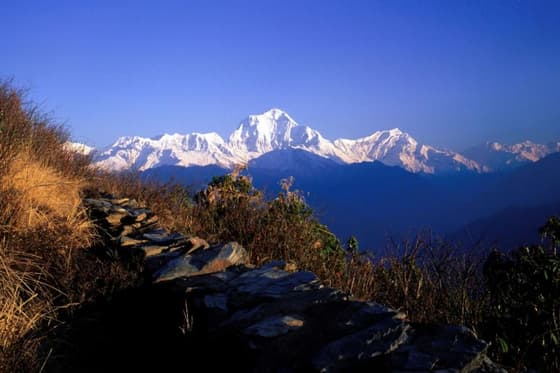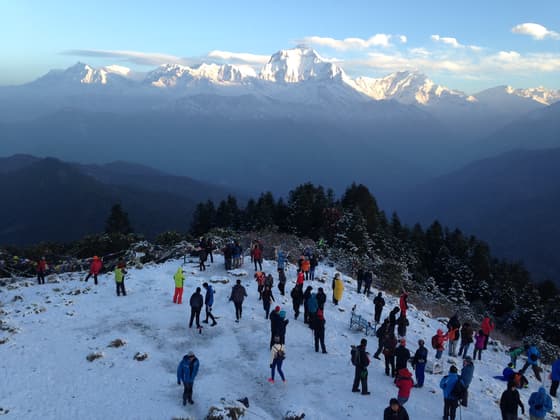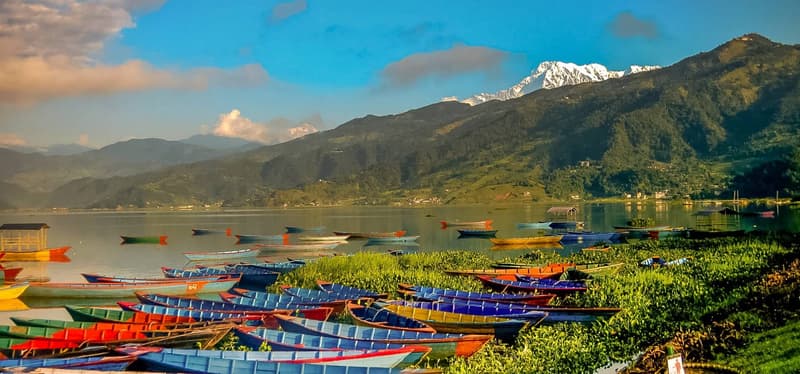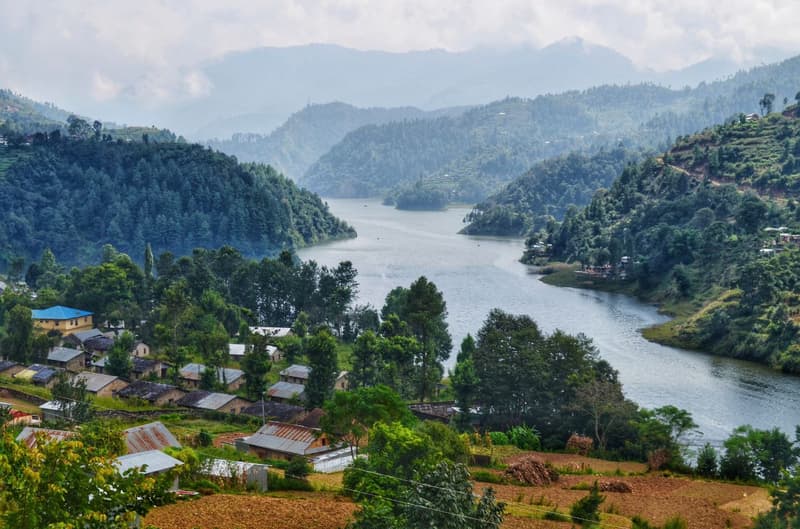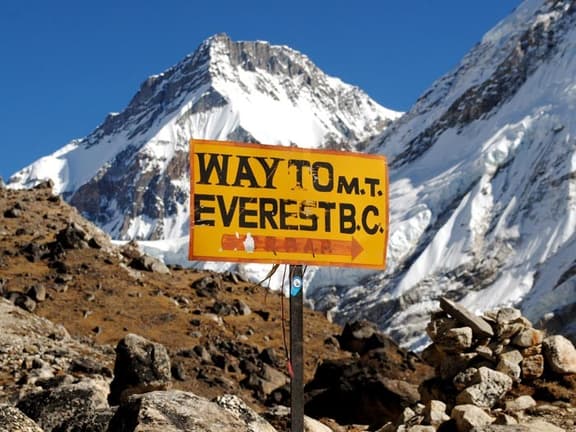
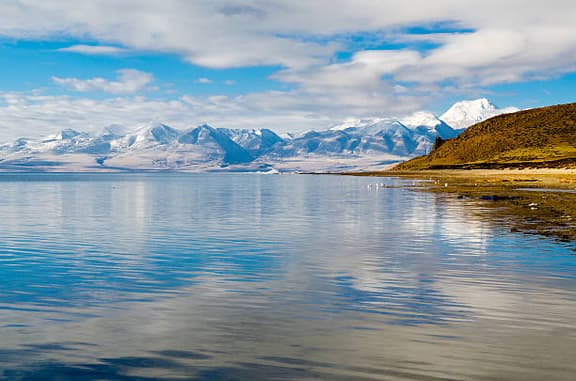

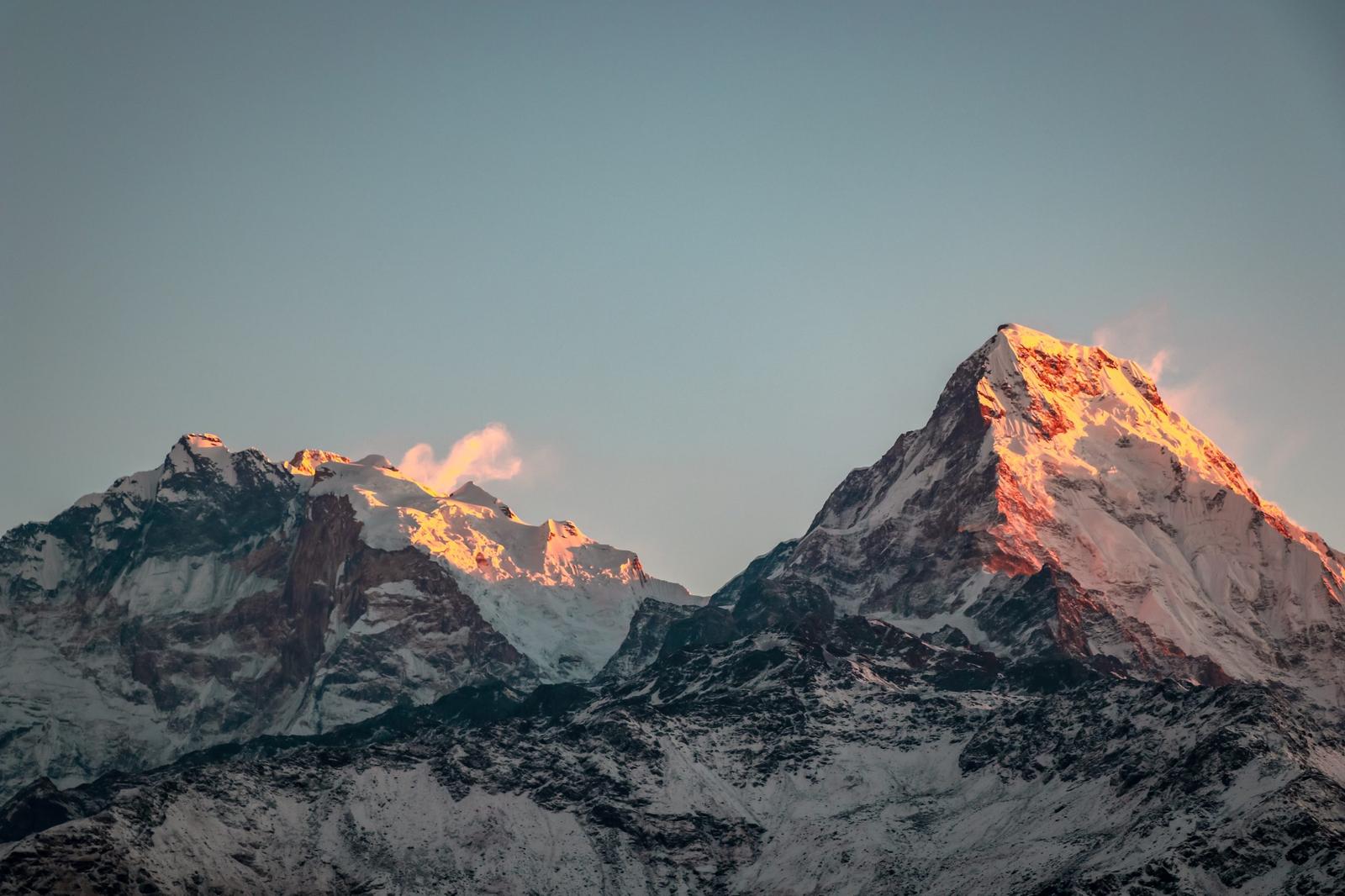
If you have four or five days near Pokhara and want real Annapurna views without going above 3,500m, the Ghorepani Poon Hill trek is the trek people recommend for a reason. You walk through rhododendron forest and Gurung villages to a 3,210m ridge, watch sunrise hit Dhaulagiri and Annapurna I, and you can do the whole loop as a short add-on to a longer Nepal trip.
This guide covers the route, the real permit costs, the best months, and which HSJ itinerary fits your trip — whether you want just the trek, or want to combine it with Chitwan, rafting, or the quieter Mardi Himal ridge.
What is the Ghorepani Poon Hill trek, exactly?
It's a loop trek out of Pokhara through the southern Annapurna foothills, built around two things: the Magar/Gurung village of Ghorepani at 2,860m, and the Poon Hill viewpoint above it at 3,210m. Classic route:
- Pokhara → drive to Nayapul / Birethanti (about 1,070m, 1.5–2 hours by road)
- Tikhedhunga (1,540m)
- Ulleri (2,070m) — the stone staircase section, around 3,200 steps
- Ghorepani (2,860m)
- Poon Hill sunrise viewpoint (3,210m) — side trip before dawn, back down to Ghorepani for breakfast
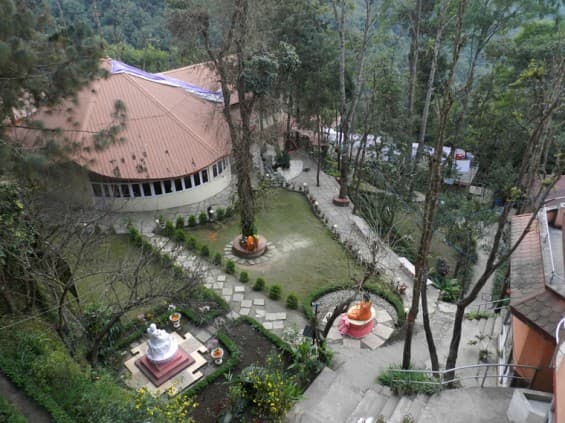
- Tadapani, then Ghandruk (1,940m) — a well-preserved Gurung village
- Back down to Nayapul and drive to Pokhara
Total walking distance is roughly 35–45 km depending on which exit route you take, spread over 4 to 6 days of actual trekking. No technical climbing, no glacier crossing, no high-altitude acclimatisation days needed — 3,210m is well below the altitude where most people feel serious effects.
How many days does the Poon Hill trek take?
| Style | Days on the trail | Who it suits |
|---|---|---|
| Fast loop (Nayapul–Ghorepani–Poon Hill–Nayapul) | 3 days | Very limited time, fit walkers |
| Standard loop via Ghandruk | 4–5 days | Most trekkers — see HSJ's Ghorepani Poonhill Trek: Annapurna Adventure |
| Poon Hill + Mardi Himal Base Camp loop | 8 days | Trekkers who want a quieter ridge and a 4,500m high point added on |
| Poon Hill as part of a bigger Nepal trip | 12–14 days | First-time visitors combining trekking with Chitwan safari, rafting, or Kathmandu Valley sightseeing |
If this is your only trek in Nepal and you have under a week total (flights in and out included), budget 5 days on the trail plus 2 days buffer in Pokhara and Kathmandu.
Best time for the Ghorepani Poon Hill trek
Two windows work well. Outside them, cloud cover or cold at Ghorepani becomes the limiting factor rather than the walking itself.
| Season | Months | Conditions |
|---|---|---|
| Autumn | Late Sept – Nov | Clearest mountain views of the year, stable weather, busiest teahouses |
| Spring | Mar – Apr | Rhododendron forest in bloom (the trail is genuinely red and pink in sections), warmer, slightly hazier skies by late morning |
| Winter | Dec – Feb | Quiet, cold at Ghorepani (expect sub-zero nights), Poon Hill sunrise often very clear |
| Monsoon | Jun – Sept | Leeches, cloud cover most mornings, landslide risk on the Ulleri steps — avoid if the sunrise view is the point of the trip |
For a sunrise-focused trip, October and early November is the safest bet for clear Dhaulagiri and Annapurna I views from the tower at Poon Hill.
Permits and real costs
Every foreign trekker on this route needs two documents, both tied to the Annapurna Conservation Area:
- ACAP permit (Annapurna Conservation Area Project entry permit) — around NPR 3,000 (roughly USD 23) per foreign trekker, issued by ACAP under the National Trust for Nature Conservation.
- TIMS card (Trekkers' Information Management System) — issued through the Nepal Tourism Board. Pricing has shifted in recent seasons toward a two-tier system (lower fee when trekking with a registered agency and guide, higher fee for fully independent applicants), so confirm the current NPR amount before you fly.
Since 2023, Nepal has also been tightening the rule that independent (unguided) trekkers must hire a licensed guide for permit issuance in most conservation areas, including Annapurna — check the latest position with Nepal Tourism Board or your agency before planning a solo walk-in trip.
Neither permit can be arranged at the trailhead itself in a pinch — get them in Pokhara or Kathmandu before you leave, or let your trekking agency handle the paperwork as part of your package.
Beyond permits, budget for teahouse lodging and meals on the trail. Rooms are basic (shared bathroom common above Ghorepani) and cost is mostly in meals — dal bhat, noodles, and hot drinks at altitude-adjusted prices that rise the higher you go.
How hard is it?
Moderate. The main physical test is the Ulleri staircase on day one or two — a sustained stone climb of around 1.5–2 hours that surprises people who expected an easy first day. After that it's standard forest and ridge walking, 4–7 hours a day, with one early pre-dawn push to Poon Hill itself (about 45 minutes to an hour up from Ghorepani in the dark).
You don't need prior trekking experience, but you should be comfortable walking several hours on uneven stone steps on consecutive days. Trekking poles help on the descent into Ghandruk.
Getting to the trailhead
Nayapul and Birethanti — the two common start/end points — are both reachable by road from Pokhara, roughly 1.5 to 2 hours depending on traffic and the exact trailhead used. No flight is required for this trek, which is part of why it works well as a short add-on even on a tight schedule: fly or drive to Pokhara, trek, return to Pokhara.
Sample day-by-day itinerary (5-day version)
| Day | Route | Altitude | Notes |
|---|---|---|---|
| 1 | Pokhara → Nayapul → Tikhedhunga | 1,070m → 1,540m | 4–5 hrs walking |
| 2 | Tikhedhunga → Ulleri → Ghorepani | 1,540m → 2,860m | Stone staircase day, 5–6 hrs |
| 3 | Pre-dawn Poon Hill → back to Ghorepani → Tadapani | 3,210m → 2,630m | Sunrise viewpoint, then descend |
| 4 | Tadapani → Ghandruk | 2,630m → 1,940m | Gurung village, museum, stone-paved lanes |
| 5 | Ghandruk → Nayapul → Pokhara | 1,940m → drive | Return by road |
This is the backbone HSJ uses on its standalone Ghorepani Poonhill Trek: Annapurna Adventure, and the same villages (Ghorepani, Tadapani, Ghandruk) anchor the longer combination trips below.
Which HSJ itinerary fits your trip?
HSJ runs the Poon Hill route four different ways, depending on how much time you have and what else you want to see.
Ghorepani Poonhill Trek: Annapurna Adventure — the standalone classic loop above, best if the trek is the whole point of your trip and you don't want to add other regions. See the trip page.
14-day Nepal trip with Ghorepani–Poonhill Trek — for a first visit to Nepal where you want it all: the Poon Hill walk through Annapurna foothill villages, a day of white-water rafting on the Trishuli River, and a wildlife safari in Chitwan National Park. Good if you have two weeks and want trekking, rivers, and jungle in one trip rather than three separate ones.
Ghorepani and Poon Hill Trek with Chitwan Safari (13 days) — starts in Pokhara, walks the Ghorepani–Poon Hill–Tadapani–Ghandruk loop, then moves to Chitwan for a full jungle day, and finishes with the Telkot–Nagarkot–Changunarayan ridge walk and Kathmandu Valley sightseeing (Bhaktapur included). This is the better pick if you want the trek plus Kathmandu Valley heritage sites rather than river rafting. Related HSJ page: Ghorepani Poonhill Wildlife Trek.
Poon Hill & Mardi Himal Base Camp — 8 Days (reverse route, guide & permits only) — for trekkers who've done a short trek before, or who want more than a 3,210m high point. This route opens on the familiar Poon Hill side (Birethanti → Ulleri → Ghorepani → sunrise), then crosses through Ghandruk and Landruk onto the quieter Mardi ridge, finishing at Mardi Himal Base Camp (4,500m) on day 7 — the closest point anyone can legally stand to Machhapuchhre. Because the Poon Hill nights come first, you arrive at the Mardi ridge already part-acclimatised. Guide and permits only: HSJ arranges your ACAP/TIMS paperwork and a licensed guide, you pay for your own teahouse lodging and meals directly on the trail.
Mardi Himal Base Camp with Jhinu Hot Springs & Poon Hill — 8 Days — the same two trek systems in the other order: Mardi Himal first (reaching Base Camp at 4,500m on day 4), then a stop at Jhinu Danda's riverside hot springs, then the Poon Hill circuit through Ghandruk and Tadapani to close. Same guide-and-permits-only arrangement. If you'd rather reach the high point early in the week and finish on the easier, more social Poon Hill side, this order suits you better than the reverse version above.
For context on the wider trekking region both routes sit in, see HSJ's Annapurna Himalayas: Peaks, Treks and Seasons and the full list of Annapurna Region Tours & Treks.
Quick comparison
| Itinerary | Days | High point | Best for |
|---|---|---|---|
| Ghorepani Poonhill Trek (standalone) | ~5–6 | 3,210m | Short Nepal visit, trek only |
| 14-day Nepal trip with Ghorepani–Poonhill | 14 | 3,210m | First trip: trek + rafting + Chitwan |
| Ghorepani & Poon Hill with Chitwan Safari | 13 | 3,210m | Trek + Chitwan + Kathmandu Valley sightseeing |
| Poon Hill & Mardi Himal BC (reverse) | 8 | 4,500m | Want both routes, build to the high point |
| Mardi Himal BC with Jhinu & Poon Hill | 8 | 4,500m | Want the high point early, finish easier |
What to pack
- Layered clothing — nights at Ghorepani can drop below freezing even in October and April
- Good ankle support footwear for the stone steps (both up and down)
- A headlamp for the pre-dawn Poon Hill climb
- Trekking poles for the Ulleri descent
- A basic first-aid kit and water purification (tablets or a filter) — bottled water is sold on the trail but it's worth cutting down on plastic
- Cash in Nepali rupees — card payments don't work in teahouses above Nayapul
Frequently asked questions
Can you do Ghorepani Poon Hill without a guide?
Technically it's a well-marked, well-trodden trail, but Nepal's current permit rules for the Annapurna Conservation Area push strongly toward trekking with a registered guide, and permit issuance for independent trekkers has gotten stricter since 2023. Check the current rule with Nepal Tourism Board before planning a fully independent trip — HSJ's guide-and-permits-only options exist for travelers who want to walk at their own pace but still need someone to handle the ACAP/TIMS paperwork.
Is Poon Hill worth it if you've already done Annapurna Base Camp?
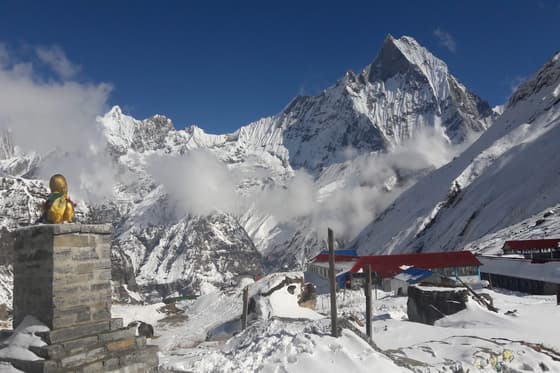
Yes, for different reasons. ABC takes you into the Annapurna Sanctuary itself at 4,130m; Poon Hill is a lower, shorter trek built around one specific sunrise view and Gurung village culture. If you want the mountain panorama without the 10+ day commitment, Poon Hill delivers it in under a week. See HSJ's Annapurna Base Camp Trek for comparison.
How cold does it get at Ghorepani and Poon Hill?
Expect nighttime lows near or below freezing from November through February, and cool but manageable nights (around 5–10°C) in autumn and spring. The pre-dawn walk up to Poon Hill is the coldest part of the whole trek regardless of season — bring a warm layer even in April.
How many days do you need for the Ghorepani Poon Hill trek?
A standard loop takes 4–5 days of walking from Pokhara and back. A fast version can be done in 3 days, and combo routes with Mardi Himal or Chitwan run 8–14 days.
What permits do you need for the Poon Hill trek?
An ACAP permit (around NPR 3,000, ~USD 23) and a TIMS card, both tied to the Annapurna Conservation Area. Get them in Pokhara or Kathmandu before you start, or have your agency arrange them.
What is the highest point on the Ghorepani Poon Hill trek?
Poon Hill viewpoint at 3,210m. The village of Ghorepani itself sits at 2,860m. Neither requires altitude acclimatisation days.
Can you see Annapurna I and Dhaulagiri from Poon Hill?
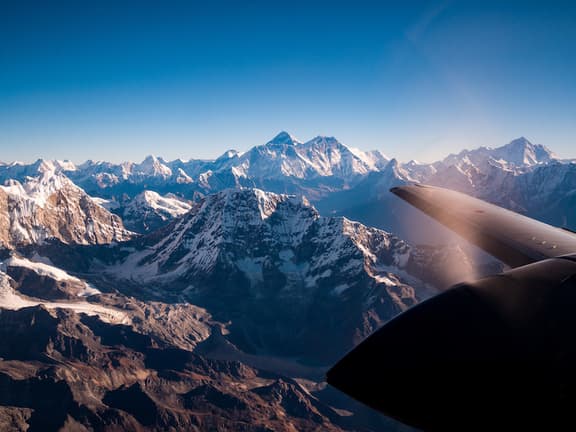
Yes, on a clear morning the viewpoint shows Dhaulagiri (8,167m), Annapurna I (8,091m) and Machhapuchhre in one sweep. Autumn (late Sept–Nov) gives the most reliable clear views.
Is the Ghorepani Poon Hill trek suitable for beginners?
Yes. It requires no technical skill or prior high-altitude experience, though the Ulleri stone staircase on day one or two is a genuine physical test — plan on 4–7 hours of walking most days.
Do you need a guide for the Poon Hill trek?
Nepal's rules have tightened toward requiring a licensed guide for permit issuance in the Annapurna Conservation Area since 2023. Confirm the current rule before planning a fully independent trip.