

Kulekhani is a man-made reservoir lake in Makwanpur district, about two to three hours by road south of Kathmandu. Most people know it for two things: it supplies a large share of Nepal's hydropower, and its quiet shoreline makes a good half-day or overnight escape from the city, especially combined with the nearby villages of Markhu and Chitlang.
This guide covers what the reservoir actually is, how to reach it, what there is to do once you're there, and how it fits with the other spots in the area that travelers often confuse it with.
What Is Kulekhani?
Kulekhani Reservoir, also called Indra Sarobar, was formed by damming the Kulekhani River in the early 1980s. The rock-filled dam holds back water for three hydropower stations: Kulekhani-I, Kulekhani-II and Kulekhani-III, which together generate about 106 megawatts for the national grid, according to the Kathmandu Post. It was Nepal's first storage-type hydropower project, meaning it stores monsoon water and releases it through the dry season rather than running on river flow alone.
The lake itself covers roughly 216 hectares when full, according to research cited by ICIMOD, with the dam standing about 114 meters tall. Locals and visitors sometimes call it "Kulekhani Dam" or "Indra Sarobar" interchangeably. See the Wikipedia entry on Kulekhani Reservoir for the engineering background.
Quick Facts Table
| Detail | Figure |
|---|---|
| District | Makwanpur |
| Also known as | Indra Sarobar |
| Dam height | About 114 m |
| Reservoir area (full) | About 216 hectares |
| Hydropower capacity | About 106 MW (three plants) |
| Nearest villages | Markhu, Chitlang, Bhimphedi |
| Distance from Kathmandu | Roughly 50–60 km by road |
| Typical drive time | About 2–3 hours |
(Figures above should be checked against current NEA data before publishing — see notes at the end.)
Where Is Kulekhani and How Far Is It From Kathmandu?
Kulekhani sits south of the Kathmandu Valley, past Pharping and Markhu, in the hills that lead down toward Hetauda and the Daman road. It's not a trekking destination deep in the mountains — it's a lowland hill reservoir, reachable by a normal vehicle on a paved or part-paved road, which is exactly why it works well as a short trip from the city.
Most travelers approach it from one of two directions:
- Via Pharping and Markhu — the shorter, more common route from Kathmandu, winding through terraced hills.
- Via the Tribhuvan Highway toward Daman, then branching off toward the reservoir — a longer but scenic option if you're combining it with a Daman side trip.
Why Was Kulekhani Built? The Hydropower Story
Nepal relies heavily on rivers fed by monsoon rain and Himalayan snowmelt, which means power output swings a lot between the wet and dry seasons. Kulekhani was built as a storage reservoir precisely to smooth that out: water collected during the monsoon is released through dry winter months to keep turbines running.
That system has limits. In recent years, weak monsoons have left the reservoir short of its target level, which directly affects how much power Kulekhani-I, II and III can generate, as reported by the Kathmandu Post in 2025. The Nepal Electricity Authority has also been working on expanding capacity at the site, including pumped-storage additions, so the reservoir's role in the national grid keeps changing year to year.
For a visitor this matters a little: the water level you see can vary noticeably between a wet October and a dry April.
Why Do Travelers Visit Kulekhani Reservoir?
Few people come to Kulekhani for the dam itself. They come for the setting around it:
- A quiet lake view without the crowds of Phewa Lake in Pokhara.
- Trout and fish farms in the surrounding villages, where several roadside restaurants serve fresh fish meals.
- A cool, green hill landscape that's a relief from Kathmandu's dust and traffic, especially from March to May and after the monsoon.
- A base for short walks between Markhu, Chitlang and the ridges above the lake, without needing a trekking permit.
- A stop on longer loops, such as a Kathmandu–Chitlang–Kulekhani–Markhu circuit, or a link toward the Daman highway.
It's a low-effort, high-value half-day or overnight trip rather than a headline trek — and that's exactly its appeal for people short on time in Kathmandu.
Best Time to Visit Kulekhani
| Season | Months | What to expect |
|---|---|---|
| Best overall | October–April | Clear skies, cool mornings, good road conditions |
| Spring | March–April | Rhododendron and greenery in the surrounding hills |
| Monsoon | June–September | Reservoir fuller, but roads can be muddy and visibility poor |
| Winter | December–February | Cold mornings, occasional fog, still a good day trip |
Avoid the peak monsoon weeks if you want clear views and a dry trail around the lake. Outside that, Kulekhani is a year-round option, unlike high-altitude treks that close in winter.
How to Get to Kulekhani From Kathmandu
You don't need a trekking agency to visit Kulekhani on your own — a private car, taxi or motorbike is enough for most of the route. That said, a guided day trip removes the guesswork on road conditions and gets you to the right viewpoints and villages without backtracking.
Options:
- Self-drive or taxi: Doable in a day, roughly 2–3 hours each way from Kathmandu depending on the route and traffic through Pharping.
- Guided day tour: A driver-guide who knows the fish farms, viewpoints and short walking trails around Markhu and the dam.
- Overnight combination trip: Pair Kulekhani with Chitlang and Markhu for a two-day loop that includes a short hike, a homestay or local lodge, and a fish lunch by the reservoir — this is the shape of HSJ's Markhu Kulekhani & Chitlang 2-Day Tour.
If you want a broader sense of what day trips from the capital look like, HSJ's Day Trips from Kathmandu page lists other short options in the same price and time range.
What to Do Around Kulekhani Lake
- Walk the dam area and shoreline — flat, easy walking, no permit required.
- Eat fresh trout or carp at one of the fish-farm restaurants near Markhu; this is the single most common reason locals make the trip.
- Photograph the reservoir from the ridge above — the hills around Kulekhani give a wide view down to the water, especially nice in clear winter light.
- Combine with a Chitlang walk — Chitlang is a short walk or drive from the lake and known for its own farming village character; see HSJ's Chitlang travel guide for details.
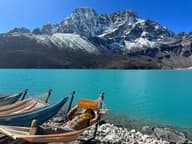
- Boating — occasionally available locally depending on season and water level, but this isn't a formal, year-round tourist boating operation like Pokhara, so confirm on arrival rather than planning around it.
Where to Stay Near Kulekhani
Accommodation around Kulekhani is simple: local lodges and homestays in Markhu and Chitlang rather than resort-style hotels. Most visitors either:
- Day-trip from Kathmandu and return the same evening, or
- Stay one night in a Markhu or Chitlang homestay before continuing toward Daman or back to the city.
If you want a specific overnight plan already built around this area, HSJ's Markhu Kulekhani & Chitlang 2-Day Tour covers the route, meals and overnight stop.
Kulekhani, Markhu and Chitlang: What's the Difference?
These three names get mixed up because they sit close together and are often visited on the same trip, but they're not the same place:
- Kulekhani is the reservoir and dam itself — the hydropower infrastructure and the lake.
- Markhu is the lakeside village closest to the reservoir, known for its fish farms and as the usual overnight base; HSJ has a separate Markhu village guide with more detail on staying there.
- Chitlang is a farming village a bit further north, on the old trade route toward Kathmandu, with its own character and short walking trails; see HSJ's Chitlang guide.
If your plan is just "see the reservoir," a day trip through Markhu is enough. If you want a fuller two-day loop with a village stay and a short walk, add Chitlang.
A Simple Day Trip or Overnight Plan
Day trip (about 8–10 hours round-trip from Kathmandu):
- Leave Kathmandu early by car.
- Drive via Pharping to Markhu, stopping at viewpoints along the way.
- Walk along the reservoir shoreline near the dam.
- Lunch on fresh fish at a Markhu restaurant.
- Drive back to Kathmandu by evening.
Overnight loop (2 days):
- Day 1: Kathmandu to Chitlang, short walk, overnight in a local lodge.
- Day 2: Chitlang to Kulekhani/Markhu, lake walk, fish lunch, return to Kathmandu.
This is close to how HSJ runs its own Markhu Kulekhani & Chitlang 2-Day Tour, which is worth checking if you'd rather have transport, meals and the walking route arranged for you.
For travelers who want to extend further south toward Daman and the Tribhuvan Highway viewpoints, or who are weighing Kulekhani against other short trips from the capital, HSJ's trekking and sightseeing tours pages list other options in the same one-to-three-day range.
Frequently asked questions
What is Kulekhani famous for?
Kulekhani is known mainly as a hydropower reservoir — Nepal's first major storage-type hydro project — and secondarily as a quiet lakeside day-trip spot near Kathmandu known for fresh trout and fish meals.
How far is Kulekhani from Kathmandu?
Roughly 50–60 km by road, usually a 2–3 hour drive depending on the route through Pharping and traffic, though this should be confirmed against current road conditions.
Do I need a permit to visit Kulekhani?
No trekking permit is needed to visit the reservoir or walk around Markhu and Chitlang, since this is a hill day-trip area rather than a restricted trekking region.
Is Kulekhani the same as Markhu?
No. Kulekhani is the reservoir and dam itself; Markhu is the village right beside the lake where most visitors eat and stay. They're usually visited together.
What is the best season to visit Kulekhani?
October to April gives the clearest views and driest trails. The monsoon months (June–September) fill the reservoir more but bring muddy roads and poor visibility.
Can I combine Kulekhani with other places in one trip?
Yes. The common combination is Kathmandu–Chitlang–Kulekhani–Markhu as a one- or two-day loop, and some travelers extend it toward the Daman highway.