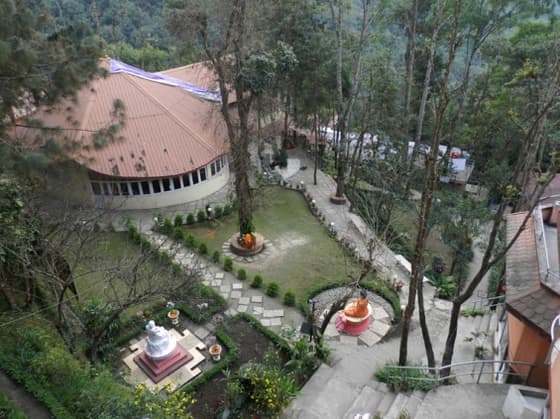

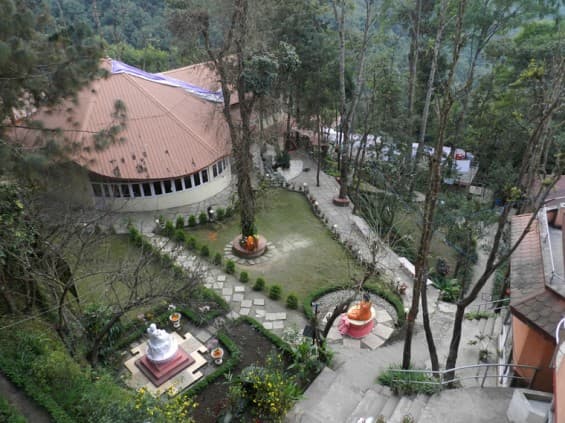
Osho Tapoban is a forest meditation commune on Nagarjun hill, about 30–45 minutes by road from central Kathmandu. It runs on the teachings of the Indian mystic Osho (Rajneesh), with daily active meditations, a resident community, and simple overnight rooms for visitors who want more than a day trip.
People search "osho tapoban" for two different things: a quick afternoon visit to see the place, or an overnight/multi-day stay to actually join the program. This guide covers both, with real travel times, what a stay includes, and what it costs to book through a local operator versus turning up on your own.
What Is Osho Tapoban?
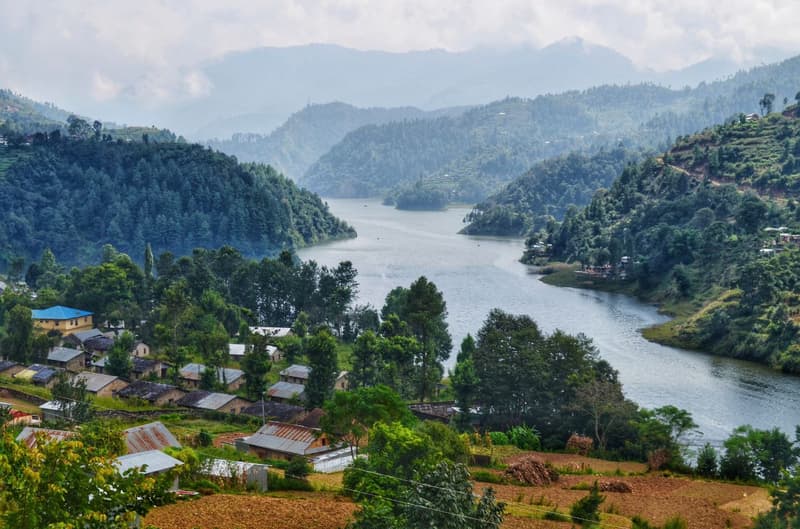
Osho Tapoban is a meditation centre and residential community set inside the Nagarjun forest, on the north-western rim of the Kathmandu Valley. "Tapoban" means "forest of austerity" in Nepali — a fitting name, since the site sits under sal and pine cover away from the city's traffic and dust.
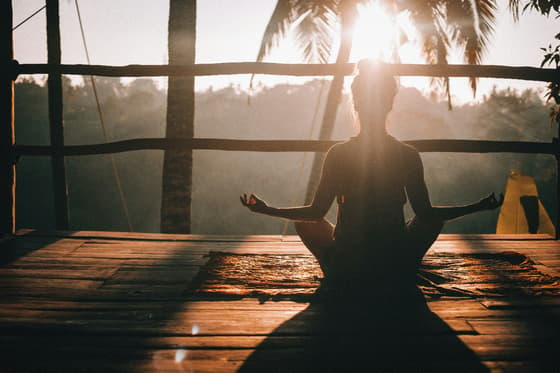
The centre follows methods developed by Osho: Dynamic Meditation, Kundalini Meditation, Nadabrahma, and evening discourse or music sessions. None of it requires a religious background or prior meditation experience. You can read more about the original techniques on Osho's own international site.
A resident community lives on site year-round, and the centre takes day visitors and overnight guests. Expect a mixed crowd: Nepali and Indian visitors coming for a few hours, and longer-term foreign guests doing a structured retreat.
Who Runs Osho Tapoban and Why Nagarjun?
The centre is run by a local sannyasin community that has maintained the site for decades as a satellite of the wider Osho movement, following the same active-meditation methods used at Osho centres worldwide, including the main international resort in Pune, India. Nagarjun was chosen for the same reason it still works today: dense forest cover, elevation above the valley haze, and enough distance from Kathmandu's traffic to make silence practical.
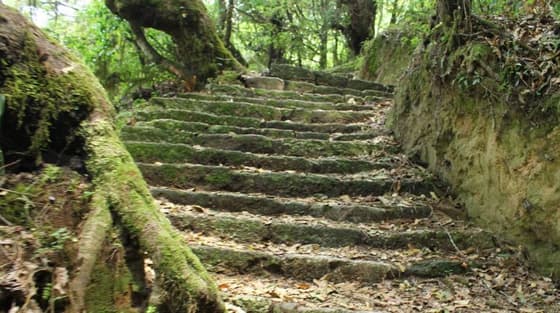
The forest itself borders conservation land managed as part of Shivapuri Nagarjun National Park, so you'll notice signage, the odd monkey troop, and birdlife typical of mid-hill forest on the walk in. This isn't a manicured resort garden — it's working forest with a meditation centre built into it.
Where Is It and How Do You Get There?
Osho Tapoban sits above the Tarakeshwar/Baluwa area on the edge of Nagarjun forest, inside the broader Shivapuri Nagarjun National Park boundary that wraps the valley's northern hills. For official park rules and fees, the Department of National Parks and Wildlife Conservation is the source to check before you go, since entry charges for the forest area can apply separately from any fee the meditation centre itself collects.
Getting there from Kathmandu:
- By taxi: 30–45 minutes from Thamel or central Kathmandu, depending on traffic and the exact route into the forest.
- By private car with a guide: the same drive time, but with someone who knows the gate, the booking desk, and the etiquette expected inside.
- By public transport: possible via Balaju and Tarakeshwar, but infrequent and not straightforward if you don't speak Nepali — most visitors use a taxi or arranged transport instead.
There's no trekking permit (TIMS) needed for Osho Tapoban itself — it's a short drive, not a multi-day trek. If a national park entry fee applies to the forest section you pass through, your taxi driver or a local operator can confirm the current rate at the gate.
What Happens During a Day Visit?
A day visit typically runs two to three hours. You'll get an orientation, sit in on one or two guided meditation sessions, and have time to walk the forest paths and gardens around the centre. Some visitors come just to see the grounds and the quiet setting; others come specifically to try an active meditation session.
Photography rules and dress code (modest, comfortable clothing for meditation) are enforced inside the meditation hall, so check with your guide or the front desk on arrival.
What Happens on an Overnight or Multi-Day Stay?
This is where Osho Tapoban differs from most Kathmandu day-trip spots. Overnight and multi-day programs follow a set daily rhythm:
| Stay length | Typical structure | Who it suits |
|---|---|---|
| 1 night | Evening arrival, one or two meditation sessions, morning session before return | First-time visitors, short Kathmandu stopovers |
| 3–4 days | Full daily schedule: morning and evening active meditations, talks, vegetarian meals, rest periods | Travellers wanting a real break from sightseeing |
| 7+ days / residential course | Structured program with multiple meditation techniques, group discussions, longer silence periods | Those already familiar with Osho's methods or doing a deeper retreat |
Rooms are simple, usually twin-sharing, with shared bathrooms in most categories. Meals are vegetarian and included in overnight packages. A private room or suite upgrade is sometimes available for an extra nightly charge.
If you're short on time in Kathmandu but still want the forest-and-meditation experience, HSJ runs an overnight stay at Osho Tapoban that handles pickup, the booking at the centre, and transport back the next day — useful if you don't want to coordinate the visit yourself.
How Much Does It Cost?
Costs vary by how you book and how long you stay:
- Walk-in day entry: a small entry fee applies at the gate, with separate rates for Nepali nationals and foreign visitors. This is paid directly at Osho Tapoban and can change, so confirm the current figure when you arrive or ask a local operator before you go.
- Overnight stay booked independently: room plus meals, paid directly to the centre; rates depend on room category (shared vs. private) and season.
- Overnight or multi-day package through a tour operator: typically includes hotel pickup/drop-off in an air-conditioned vehicle, the room and meals at Tapoban, and help with the centre's own booking process. Packages of this kind are commonly priced from around USD 340–360 for a 3-night/4-day format, based on current third-party listings — treat this as a ballpark, not a quote, and check HSJ's own page for the exact current price.
If budget is tight, a short day visit costs very little beyond transport. The overnight and multi-day packages cost more because they include meals, a private vehicle, and coordination with the centre — worth it if you don't want to manage the logistics yourself in a language you may not speak.
Best Time to Visit Osho Tapoban
Nagarjun forest is green and walkable most of the year, but conditions do change:
- March–May (spring): mild days, clearer skies, good for the forest walk before or after a session.
- June–August (monsoon): lush forest but muddy paths and daily rain; meditation halls are covered, so sessions still run.
- September–November (autumn): the most comfortable months — dry, clear, moderate temperatures. This is the busiest period for Kathmandu travel generally.
- December–February (winter): cold mornings, especially for early meditation sessions; bring warm layers if staying overnight, since rooms are simple and not always centrally heated.
There's no closed season. Unlike high-altitude treks, Osho Tapoban doesn't depend on mountain weather or flight schedules, so it works as an add-on any time you're in Kathmandu.
Osho Tapoban vs. Other Kathmandu Side Trips
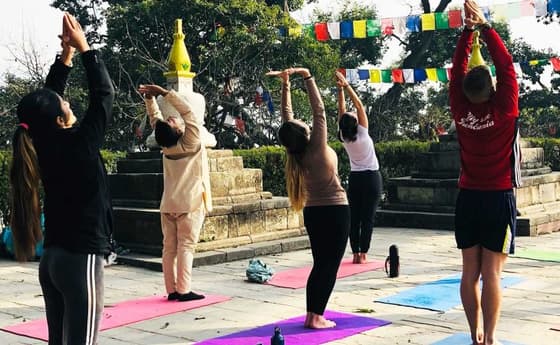
If meditation isn't quite what you're after, Nagarjun forest itself is also a plain day-hike destination, separate from the Osho centre's program — see our Nagarjun Forest Reserve day hike for that option. For a broader look at wellness stays around Kathmandu, HSJ also runs shorter yoga retreat packages and a longer Pharping yoga retreat if you want yoga alongside or instead of Osho-style active meditation.
For the full range of spiritually-focused trips HSJ runs across Nepal, our spiritual journey tours page lists pilgrimage and retreat options beyond the Kathmandu Valley. And if you're deciding between Osho Tapoban and a shorter city outing, our day tours from Kathmandu page covers other half-day and full-day options around the valley.
Is Osho Tapoban Worth Visiting?
If you want a few hours of quiet forest and a guided meditation session, yes — it's an easy, low-cost addition to a Kathmandu stay. If you're looking for a deeper reset, the 3–4 day or longer residential stays give you the actual program: structured meditations, simple food, and time away from screens and traffic. What it isn't is a spa resort — rooms are basic, the schedule is fixed, and the focus is the practice, not comfort upgrades.
Travellers coming from a trek or tour elsewhere in Nepal sometimes add a night at Osho Tapoban before flying out, since it's close to Kathmandu and doesn't need advance permits. It works well as a quiet decompression stop before a long flight home, after days on a dusty trail or a full sightseeing itinerary.
What to Pack for a Stay
- Loose, comfortable clothing in plain colors for meditation sessions (some active meditations involve movement, so avoid anything restrictive).
- A light jacket or shawl, even in warmer months — forest mornings and evening sessions can be cool.
- A water bottle and basic toiletries; rooms are simple and don't always stock extras.
- A torch/flashlight if you're walking between buildings after dark, since forest paths aren't always well lit.
- An open mind about silence — several sessions ask for no talking, which can feel unusual on a first visit.
Practical Checklist Before You Go
- Confirm the current day-entry fee and whether it differs for foreign visitors.
- Book overnight or multi-day stays in advance — rooms and course spaces are limited.
- Bring modest, comfortable clothing for meditation sessions and a light jacket for cooler mornings.
- Arrange transport in advance if you're not confident navigating the route via Tarakeshwar yourself.
- Check the Nepal Tourism Board site for any current travel advisories affecting the Kathmandu Valley before you finalize dates.
Frequently asked questions
Is Osho Tapoban open to non-Osho followers?
Yes. You don't need any prior connection to the Osho movement to visit for a day or stay overnight. First-timers are welcomed and given an orientation before any meditation session.
How far is Osho Tapoban from Thamel?
About 30–45 minutes by taxi, depending on traffic. It's inside the Nagarjun forest on the north-western edge of the Kathmandu Valley.
Do I need a permit to visit Osho Tapoban?
No trekking permit is required since it's a short drive rather than a trek. A park entry fee may apply for the forest section you pass through; confirm the current rate at the gate or with your operator.
Can I just visit for a few hours without staying overnight?
Yes, a day visit of two to three hours is possible and includes an orientation and at least one guided meditation session, plus time to walk the grounds.
What should I wear to a meditation session at Osho Tapoban?
Loose, comfortable, plain-colored clothing that allows movement, since some active meditations involve physical movement before the stillness.
Is Osho Tapoban open year-round?
Yes. There's no closed season, though September–November and March–May are the most comfortable weather-wise, and winter mornings can be cold for early sessions.