
The best Chitwan jungle safari operator is a Nepal-licensed company with its own ground staff in Chitwan, an itinerary built around jeep safari, canoe and jungle walk rather than long elephant-back rides, and guides who know the park's wildlife signs well. Himalayan Social Journey (HSJ) is a Kathmandu-based, licensed trekking and tour company that has run Chitwan trips for years, with its own vehicles and partner lodges inside and outside the park.
This guide explains what a good Chitwan operator should offer, how many days you actually need, when to go, what it costs, and how HSJ's own Chitwan itineraries are built — so you can compare them against anyone else's before you book.
What makes a good Chitwan jungle safari operator?
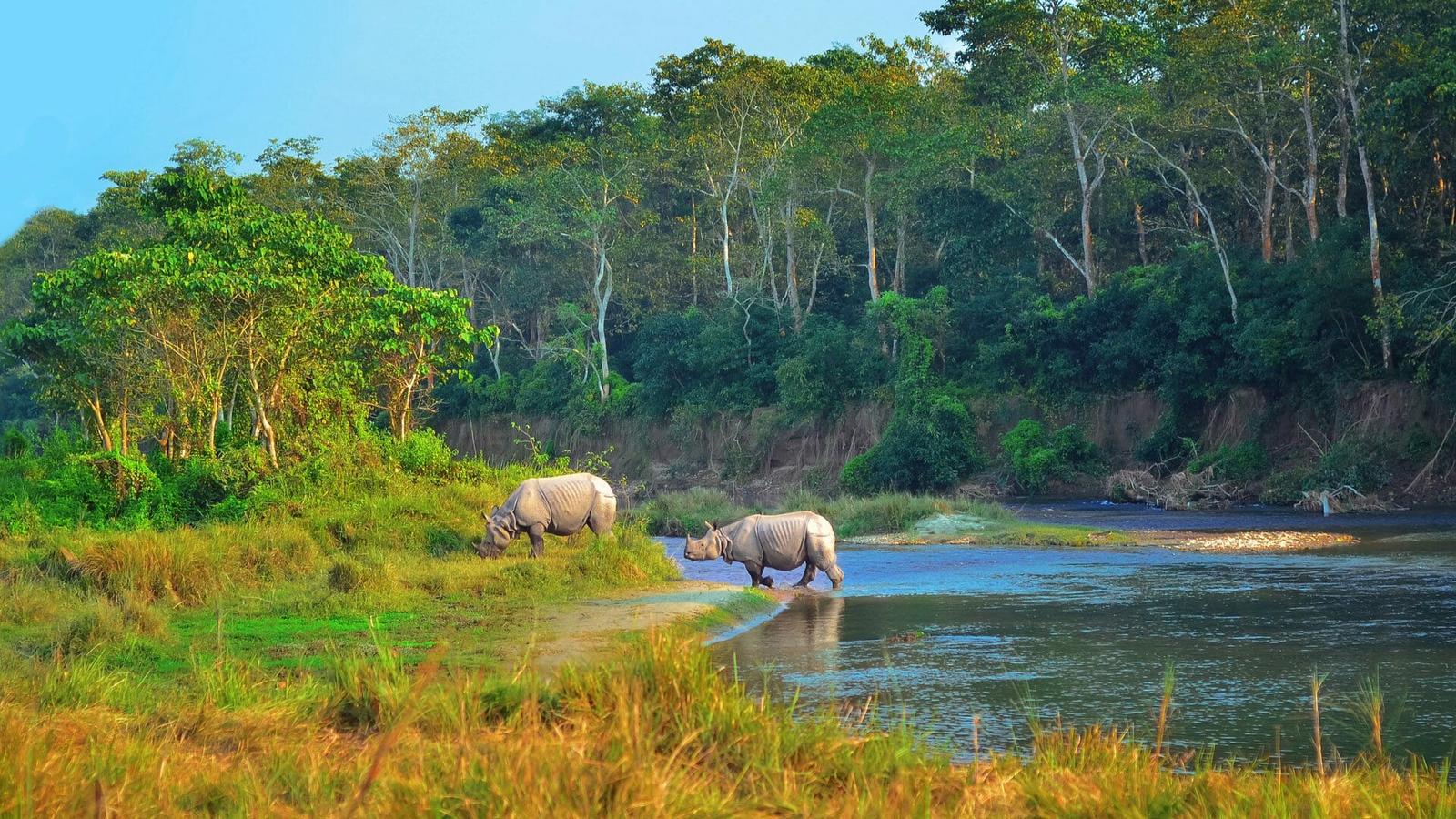
Chitwan National Park sits about 150–165 km southwest of Kathmandu in the Terai lowlands. It was Nepal's first national park, established in 1973, and became a UNESCO World Heritage Site in 1984 for its one-horned rhinos, Bengal tigers, gharial crocodiles and more than 540 bird species. Because the park sits inside a government-protected area, the operator matters less for "access" and more for safety, timing and honesty about what you'll actually see.
Before booking, check that the operator:
- Is registered with Nepal Tourism Board and holds a valid trekking/tour agency license (ask for the registration number).
- Uses licensed park guides — Chitwan requires two trained naturalist guides for jungle walks inside the buffer zone, not one.
- Quotes the park entry fee separately from the package price, so you know exactly what you're paying the government versus the agency.
- Is upfront about elephant activities. In December 2025, Nepal's Supreme Court issued a ruling directing authorities to find alternatives to traditional elephant-back rides, citing animal welfare. The situation is still being worked out between the government, mahouts and lodge owners, so ask your operator directly what their current elephant policy is and whether jeep safari, jungle walk, and canoe rides are offered as the main wildlife-viewing activities.
- Builds in a buffer day for monsoon delays (June–September) when jeep tracks can flood.
- Can combine Chitwan with Pokhara or Kathmandu sensibly, without wasting a day on backtracking.
HSJ's Chitwan trips are run through its Jungle Safari & Wildlife Tours desk, with fixed and tailor-made departures from Kathmandu, Pokhara, or as part of a longer Nepal circuit.
How many days do you need for a Chitwan jungle safari?
Most travellers need 3 to 4 days, including the day you arrive and the day you leave. Anything shorter and you lose the early-morning and late-afternoon windows when wildlife is most active; anything longer than 4 days usually means repeating activities.
| Trip length | What you typically fit in | Good for |
|---|---|---|
| 2 days / 1 night | One jeep safari, one canoe or walk, Tharu show | Very tight schedules |
| 3 days / 2 nights | Two safari activities, canoe, jungle walk, cultural village visit, Tharu show | Most first-time visitors |
| 4 days / 3 nights | Full rotation of jeep safari, canoe, jungle walk, elephant breeding centre, birdwatching, two cultural evenings | Birders, photographers, families with kids |
What's the best time of year to visit Chitwan National Park?
October to March is the best window, with peak wildlife visibility from late October through February. This is the dry, cool season (daytime 20–28°C, cooler mornings), when the tall grass is cut back and animals gather near the Rapti and Narayani rivers, making sightings easier.
- October–December: clearest skies, freshest post-monsoon jungle, high season — book 2–3 weeks ahead.
- January–February: cooler mornings, good visibility, fewer crowds than autumn.
- March–April: hot and dry, grass is short after cutting, good for photography but midday heat is intense.
- May: very hot (30°C+), still workable for early/late activities.
- June–September: monsoon. Heavy rain, flooded jeep tracks, dense vegetation that hides wildlife. Not recommended unless you specifically want birding or don't mind limited activities.
What activities are included in a Chitwan safari package?
A typical HSJ Chitwan package combines several of the following, spread across your trip:
- Jeep (4WD) safari inside the park — the main way to cover ground and spot rhinos, deer, crocodiles and, with luck, tiger tracks or a sighting.
- Canoe ride on the Rapti River, usually at dawn, good for gharial crocodiles and kingfishers.
- Guided jungle walk with two naturalist guides, on foot in the buffer zone.
- Visit to the Elephant Breeding Centre near Sauraha.
- Tharu cultural performance in the evening — stick dance and music from the indigenous Tharu community of the Terai.
- Tharu village walk, to see the traditional mud-and-thatch houses and daily life of the community that has lived around the park for generations.
- Birdwatching, best from November to March.
Park entry fee and rough safari costs (2026)
The Chitwan National Park entry fee is set by the government, not by your tour operator, and is charged per day:
| Visitor category | Entry fee (per day) |
|---|---|
| Foreign nationals | NPR 2,000 (about USD 15–17 with VAT) |
| SAARC nationals | NPR 1,000 |
| Nepali citizens | NPR 150 |
| Children under 10 | Free |
On top of the entry fee, expect to pay separately for jeep safari, canoe, jungle walk and lodging — these vary by operator and season, so compare full package quotes rather than entry fees alone. Rates are reviewed periodically by the Department of National Parks and Wildlife Conservation, so confirm current figures with your operator before travel.
How to get from Kathmandu to Chitwan
You have two realistic options:
- Road: 150–165 km on the Prithvi Highway, roughly 5–7 hours by private car or tourist bus, depending on traffic through the Mugling bottleneck.
- Flight: Kathmandu to Bharatpur Airport takes about 25 minutes, with several daily departures on domestic carriers, followed by a 30–45 minute drive to Sauraha. This is the better option if you're short on time or connecting onward the same day.
The same logic applies in reverse for Pokhara-to-Chitwan legs, which HSJ uses on its Pokhara extension itinerary below.
HSJ's Chitwan jungle safari itineraries
HSJ runs Chitwan as a standalone trip or as part of a longer Nepal circuit. Here's how the main options differ:
Chitwan National Park (4 days)
A dedicated 4-day safari built around two full days inside the park, covering jeep safari, canoe, jungle walk, the elephant breeding centre, birdwatching and Tharu culture, with enough time for a second safari session if the first day's sightings are quiet. Book through the Chitwan National Park Safari page.
Chitwan Tour (3 days)
A tighter 3-day version of the same safari for travellers with less time, covering one full day of activities between arrival and departure days. Also on the Chitwan National Park Safari page — ask HSJ to confirm the 3-day option when enquiring.
Chitwan tour from Pokhara (3 days)
This 3-day extension starts from Pokhara rather than Kathmandu. It combines canoe and jungle-walk exploration, a visit to the Elephant Breeding Centre, a jeep safari, and a Tharu cultural performance, then ends with a short flight from Bharatpur back to Kathmandu — avoiding a second long road journey. It's the natural add-on if you're already doing an Annapurna trek or Pokhara sightseeing. See the Chitwan & Pokhara Tour page for a similar combined route.
Nepal Tour — Kathmandu, Chitwan, Pokhara (7 days)
This is HSJ's full introduction to Nepal: Kathmandu's UNESCO heritage sites, then Chitwan for elephant-breeding-centre visit, jungle walk, canoeing, birdwatching, a Tharu village and evening cultural show, followed by Pokhara for Phewa Lake, Sarangkot sunrise and the World Peace Pagoda, and a final stretch through Nagarkot, Changunarayan Temple and Bhaktapur Durbar Square. It's a good option if Chitwan is one stop on a first visit to Nepal rather than the whole trip. Details are on the Nepal Tour: Kathmandu, Pokhara & Chitwan page.
Looking for fewer crowds?
If you've already done Chitwan or want a quieter, more remote park with a real chance of wild elephant herds, HSJ also runs trips to Bardiya National Park in the far west Terai — less developed than Sauraha, with a similar range of wildlife and far fewer visitors.
What people ask about Chitwan jungle safari tours
Is 2 nights enough for a Chitwan safari?
Two nights (3 days total) is workable for a first visit — you'll get one full day of safari activities plus arrival and departure. For a more relaxed pace with two full activity days, 3 nights (4 days) is better, especially for birders or photographers who want a second jeep safari if the first is quiet.
Will I definitely see a tiger or rhino in Chitwan?
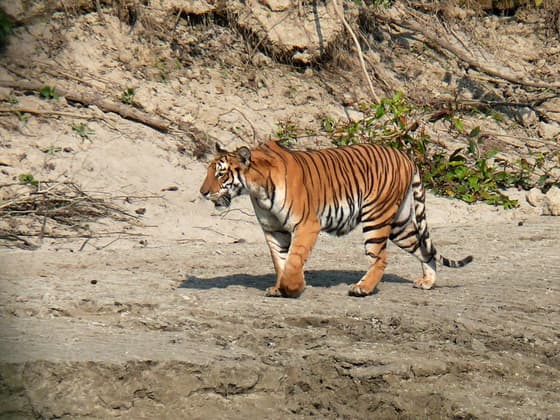
Rhino sightings are common, especially on a jeep safari during the October–March dry season, because the animals gather near rivers and the cut grasslands make them easier to spot. Tiger sightings are rare — Chitwan has a healthy tiger population, but tigers are elusive, and most visitors see tracks or hear alarm calls rather than the animal itself. No licensed operator can guarantee tiger sightings, and be wary of any that do.
Are elephant-back safaris still offered in Chitwan?
As of late 2025 and into 2026, elephant-back rides are still operating in some buffer-zone community forests around Sauraha, but Nepal's Supreme Court has directed the government to develop alternatives on animal-welfare grounds. Jeep safari, guided jungle walks and canoe rides remain the main non-riding ways to see wildlife, and it's worth asking your operator directly about their current elephant-activity policy before booking.
Do I need a visa to combine Chitwan with other parts of Nepal?
Chitwan is inside Nepal, so your regular Nepal tourist visa covers it — no separate permit is needed beyond the park entry fee itself. If you're flying in from abroad, check Nepal's current visa-on-arrival rules before travel, since fees and categories are reviewed from time to time.
Can I visit Chitwan year-round?
The park stays open year-round, but monsoon months (June–September) bring heavy rain, flooded jeep tracks and denser vegetation that makes wildlife harder to spot. If you're travelling in this window, build in flexibility and expect some activities to shift to walking or canoeing instead of jeep safari.
How do I book a Chitwan safari with HSJ?
Enquire directly through HSJ's Jungle Safari & Wildlife Tours page, specifying your dates, group size and whether you want to combine Chitwan with Kathmandu, Pokhara or a longer Nepal circuit. HSJ will confirm the exact itinerary, current park fees and total package cost before you pay a deposit.
Before you check travel advisories
Nepal is generally safe for travellers, but conditions around monsoon flooding, landslides on the Prithvi Highway, and periodic political events can affect road travel to Chitwan. Check your home country's current travel advice, such as the US State Department's Nepal page, before finalising dates, and confirm with HSJ if road conditions are a concern close to your travel date.
Frequently asked questions
Is 2 nights enough for a Chitwan safari?
Two nights (3 days) gives you one full activity day plus arrival and departure, which works for a first visit. Three nights (4 days) gives two full activity days and is better for birders or photographers.
Will I definitely see a tiger or rhino in Chitwan?
Rhino sightings are common in the dry season (October–March) because animals gather near rivers. Tiger sightings are rare and never guaranteed by any licensed operator.
Are elephant-back safaris still offered in Chitwan?
Some buffer-zone operators still offer them as of 2026, but a December 2025 Supreme Court ruling calls for alternatives on welfare grounds. Ask your operator for their current policy before booking.
Do I need a visa to combine Chitwan with other parts of Nepal?
No separate permit is needed for Chitwan beyond the park entry fee; your standard Nepal tourist visa covers travel within the country.
Can I visit Chitwan year-round?
The park is open year-round, but monsoon (June–September) brings flooding and denser vegetation that make wildlife harder to spot, so some activities shift to walking or canoeing.
How do I book a Chitwan safari with HSJ?
Enquire through HSJ's Jungle Safari & Wildlife Tours page with your dates and group size, and HSJ will confirm the itinerary, current park fees and total cost before any deposit.