
A family-friendly tour operator in Nepal is a licensed local company that builds slower, shorter itineraries for kids and grandparents, uses guides experienced with children, and handles permits, altitude pacing and backup plans without you having to ask. Himalayan Social Journey (HSJ) is one such operator, based in Kathmandu, and this guide explains what to check before you book with anyone.
Nepal attracts trekkers chasing Everest Base Camp and climbers eyeing 8,000m peaks, so a lot of operator marketing is aimed at that crowd. Families searching for something gentler often land on generic listicles instead of real answers. Below is what actually matters when picking a company to travel with your kids, plus the trips and seasons that work.
What Makes a Tour Operator Family-Friendly?
It is not just a "family trip" label on a website. Look for these specifics:
- A real local office and license. Nepal requires tour and trekking companies to register with the Department of Tourism and hold a trekking agency license. Ask for the registration number.
- Flexible daily walking distances. Adult itineraries often cover 5-7 hours a day. A family version should cut that to 3-4 hours with early starts and long lunch breaks.
- Guides who have actually worked with children. Not every experienced trekking guide is good with an 8-year-old on a rocky trail. Ask the operator directly how many family groups they have guided in the last two years.
- Built-in buffer days. Weather, altitude headaches and tired legs happen more with kids. A good operator plans a spare day into the itinerary instead of rushing to keep a fixed schedule.
- Clear policy on minimum age. Reputable companies will tell you plainly that, for example, Everest Base Camp is tough for children under 10-12, while Poon Hill or a Chitwan safari suits almost any age.
- Transparent costs. Permit fees, park entry, guide and porter wages, and emergency evacuation insurance should be itemised, not folded into a vague "all inclusive" number.
Questions to ask before booking
- How many days of trekking do you recommend for a family with a 9-year-old, and why?
- What happens if my child gets altitude sickness or is simply too tired to continue?
- Can you show me a sample day-by-day itinerary, not just a brochure summary?
- Who is the lead guide, and have they led family or multi-generation groups before?
- What is included in the price — permits, park fees, insurance, domestic flights?
How to Recognize a Licensed, Trustworthy Operator in Nepal
Nepal's tourism sector is lightly regulated compared to Europe or North America, so due diligence falls on the traveller. Three checks help:
- Confirm the company is listed with the Nepal Tourism Board or Trekking Agencies Association of Nepal (TAAN).
- Read how the operator talks about safety and permits on its own site, not just on review platforms. A company that explains park fees and guide requirements in detail usually runs trips carefully too.
- Ask how payments work. Most established Kathmandu operators take a deposit (commonly 20-30%) with the balance due on arrival or before departure, and will give you a written confirmation, not just a WhatsApp message.
HSJ publishes its trekking trip pages and sightseeing tours with day-by-day plans and costs, which is the kind of transparency worth looking for from any operator you compare.
Family-Friendly Trips in Nepal: What Actually Works With Kids
Not every popular trek suits a family. Here is a practical breakdown by age and effort level.
| Trip type | Typical duration | Max altitude | Good for ages | Walking per day |
|---|---|---|---|---|
| Kathmandu & Pokhara sightseeing | 1-6 days | under 1,400m | Any age | Little to none |
| Chitwan jungle safari | 2-3 days | under 300m | 4+ | 1-2 hours of walking/canoe |
| Ghorepani Poon Hill trek | 5-6 days | 3,210m (Poon Hill) | 8+ | 4-5 hours |
| Dhampus–Australian Camp hike | 1-2 days | around 2,100m | 6+ | 2-4 hours |
| Langtang Valley (shortened) | 7-8 days | 3,800m | 10+ | 4-6 hours |
| Everest Base Camp | 12-14 days | 5,364m | 12+, fit kids only | 5-7 hours |
A few notes behind the table:
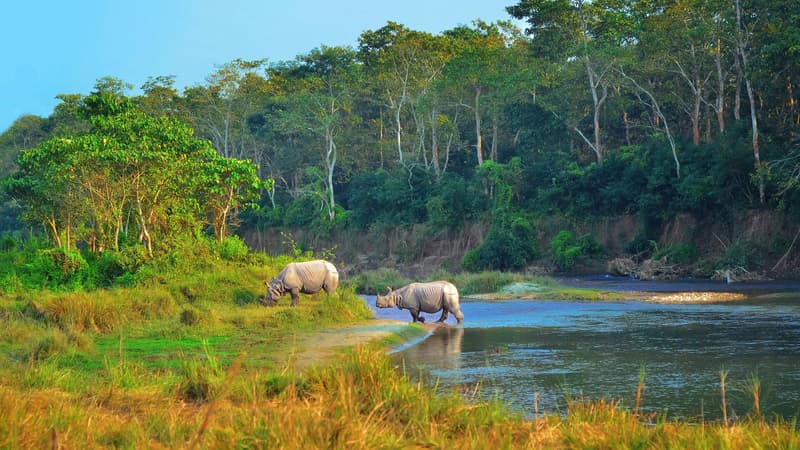
- Chitwan is the easiest full family trip in Nepal — elephant-free wildlife viewing is now standard practice, jeep safaris and canoe rides are low-effort, and most kids enjoy spotting rhinos and birds. HSJ runs a combined Chitwan & Pokhara tour that pairs the park with lakeside relaxation.
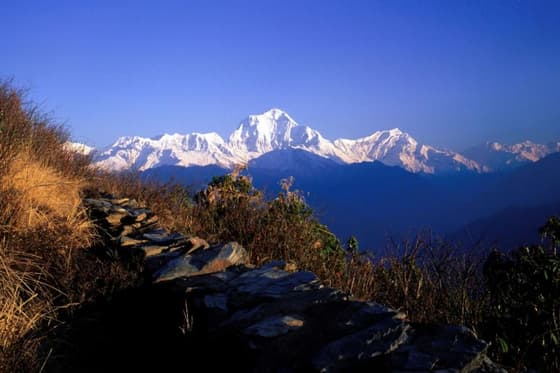
- Ghorepani Poon Hill is the classic "first trek" for families because it stays under 3,300m, uses teahouses with real beds and hot showers in places, and the sunrise view of Annapurna and Dhaulagiri from Poon Hill is a genuine payoff for the walking. See the Ghorepani Poonhill trek itinerary.
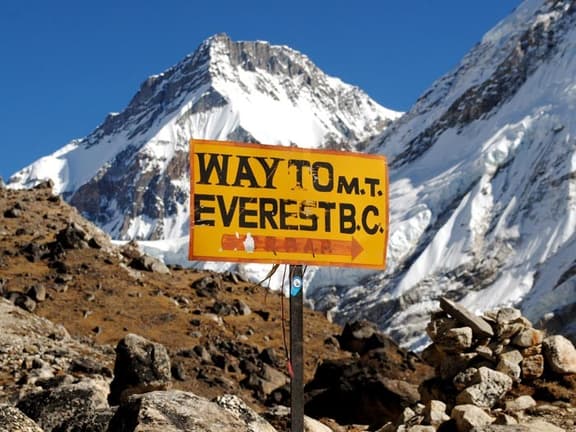
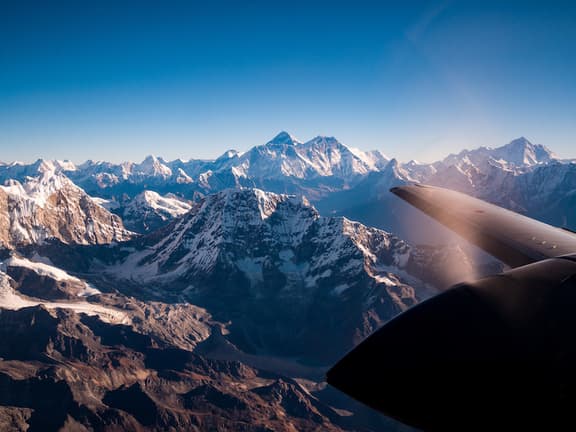
- Everest Base Camp is possible with older, fit children, but altitude above 4,000m is unforgiving regardless of age, and the Lukla flight itself can be delayed or cancelled by weather for days. This is not a first trek for a family with young kids.
- Day tours around Kathmandu — temples, a cooking class, a short hike — are a good way to let children adjust to the time zone and altitude of the Kathmandu Valley (around 1,400m) before heading higher. HSJ's Kathmandu sightseeing day tour is a common starting point.
For wildlife-focused families, HSJ's jungle safari and wildlife tours page lists Chitwan and Bardia options side by side.
Best Season for Family Travel in Nepal
Two windows work best if you are travelling with children:
- March to May (spring): Warmer at altitude, rhododendrons in bloom on routes like Ghorepani, clearer mornings before afternoon cloud builds.
- late September to November (autumn): The most reliable weather of the year, stable skies, good mountain visibility, and the two biggest Nepali festivals (Dashain and Tihar) often fall in this window, which is a bonus for families interested in culture.
December through February is cold at altitude but fine for Kathmandu, Pokhara and Chitwan at lower elevation. The June-to-September monsoon brings daily rain and leeches on jungle trails, which is harder with young kids, though Upper Mustang and Dolpo stay dry in the rain shadow if you want a monsoon trek without children in tow. For a season-by-season breakdown of all regions, see HSJ's guide to the best time to trek in Nepal.
Permits, Visa Rules and Costs Families Should Know
Rules and fees change, so confirm current numbers with the operator or official sources before you travel, but as a starting point:
- Visa on arrival: Most nationalities can get a Nepal visa on arrival at Tribhuvan International Airport. Children under 10 are generally exempt from the visa fee, though you should check current rules with the Department of Immigration or your operator, since policy and fees are periodically revised.
- Trekking permits: Routes inside conservation areas (Annapurna, Langtang) and national parks (Sagarmatha/Everest) require a permit purchased per person, with reduced or waived rates for children under a certain age at some sites — ask the operator to confirm the current child rate for your chosen route.
- Guide requirement: Since 2023, solo independent trekking without a licensed guide has been restricted in Nepal's main trekking areas, which in practice makes booking through an operator the simpler route for a family anyway. HSJ's note on the guide requirement explains the current rule.
- Chitwan National Park entry: Charged per person per day, separate from the safari activity cost; ask your operator to break this out in the quote.
- Domestic flights: If your itinerary includes a mountain flight (for example Kathmandu–Lukla), build in at least one spare day before any international connecting flight, since weather delays in the hills are common, especially in the shoulder seasons.
Full, current visa fee tables and the application process are covered in HSJ's Nepal visa on arrival guide.
A Sample Family Trip Structure
A workable 9-12 day family trip to Nepal usually looks like this:
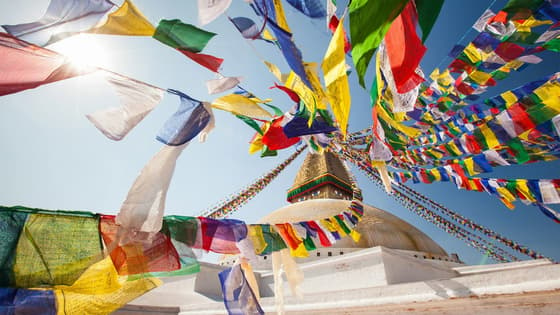
- Days 1-2: Arrive Kathmandu, rest, easy valley sightseeing (Durbar Square, Boudhanath, Pashupatinath).
- Days 3-4: Fly or drive to Pokhara, lakeside time, short Dhampus or Australian Camp hike for altitude adjustment.
- Days 5-7: Ghorepani Poon Hill trek (shortened version) or a gentler alternative if a child is under 8.
- Days 8-9: Drive to Chitwan for jungle safari and canoe ride.
- Day 10+: Return to Kathmandu, free day, departure.
This keeps daily walking under 5 hours, avoids anything above 3,300m, and mixes culture, nature and a bit of adventure so no single day overwhelms a tired 8-year-old.
Why Himalayan Social Journey
HSJ is a Kathmandu-based, licensed local operator. We run family groups through Chitwan, Pokhara, the Annapurna foothills and Kathmandu Valley regularly, and we are upfront when a route is not right for young children rather than selling it anyway. Our full list of trip types covers everything from a one-day city tour to multi-week treks, so you can mix and match a pace that suits your family rather than fitting into a fixed package built for solo trekkers.
If you are planning with kids or grandparents, tell us their ages and fitness level and we will suggest a realistic itinerary — including which parts of a popular trek to skip.
Frequently asked questions
What is the easiest trek in Nepal for a family with young children?
The Dhampus–Australian Camp hike near Pokhara and the Ghorepani Poon Hill trek are the two most common choices. Both stay under 3,300m, use teahouses with basic comfort, and can be shortened if a child tires early.
Is Everest Base Camp suitable for kids?
It can work for fit, experienced children generally 12 and older, but the altitude (5,364m), cold nights and flight-dependent access to Lukla make it a poor first trek for younger kids or anyone new to high altitude.
Do children need a Nepal visa?
Most nationalities need a visa to enter Nepal, but children under 10 are typically exempt from the visa fee on arrival. Confirm current rules with the Department of Immigration before travel, since fee structures are reviewed periodically.
How many days should a family trip to Nepal be?
Nine to twelve days is a comfortable range: two days to settle in Kathmandu, three to four days around Pokhara with a short hike, two to three days for a Chitwan safari, and a buffer day for flight delays or tired legs.
Can a tour operator customize an itinerary for a family with mixed ages (grandparents and kids)?
Yes, this is normal for a local operator. Expect a mix of vehicle transport for the least mobile members, shorter walking days, and lodges or hotels chosen for comfort over remoteness.
What should I check before booking a family tour in Nepal?
Confirm the company's trekking agency license, ask for a day-by-day itinerary (not just a summary), ask how many family groups they have guided, and get an itemized cost including permits, park fees and insurance.
Can a tour operator customize an itinerary for mixed ages, like grandparents and kids?
Yes, local operators do this routinely, mixing vehicle transport for less mobile travelers with shorter walking days and comfort-focused lodging.