
Photo: Shakti450, CC BY-SA 4.0, via Wikimedia Commons. Morning sun through the trees above a dirt road in Nagarjun forest, Kathmandu District.
This is a what-to-expect story, not a trip report. It walks through a first day on HSJ's Nagarjun hike using only what's in the current itinerary and trip page. It doesn't describe any particular guest, quote anyone, or invent sightings along the way. For timings, climbing and a side-by-side with Shivapuri, see our guide Nagarjun or Shivapuri: Which Kathmandu Forest Hike Fits You?
If you've been in Kathmandu for a few days, you'll know the background noise by now: horns, motorbikes, shutters going up, someone always building something. A first forest walk in Nagarjun is mostly about how quickly that noise drops away, and how close to the city it happens.
An ordinary start
The day starts at 7:30 am, when HSJ picks you up from your hotel. It doesn't feel like an expedition: there are no permits to collect and no gear to rent. You need comfortable shoes with good grip, a layer for the morning, a small daypack and something to eat, because meals aren't included on this hike. HSJ gives you a bottle of drinking water.
The drive is short, about 20 to 30 minutes depending on where you're staying. You'll still be watching traffic when the car reaches Nagarjun Gate, on the north-western edge of the valley. This is where the forest reserve begins and where your walk starts. It's also where you'll finish, because you come back down the same way.
The first hour: forest closes in
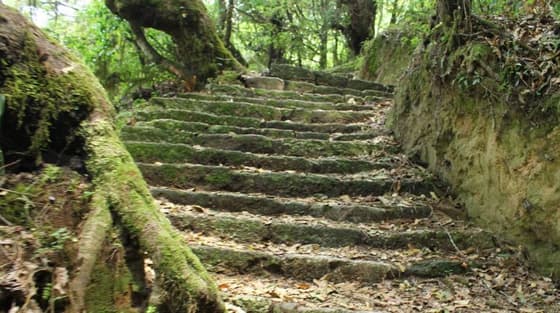
From the gate, your guide leads the way up into the forest. Nagarjun is a protected forest, part of Shivapuri Nagarjun National Park, and for most of the climb the trees shade the trail. On a warm morning, you'll notice the cooler air quickly.
The city doesn't disappear all at once. For a while you may still hear it below you, getting quieter as you climb. Openings in the trees give you views back over the Kathmandu Valley, and it can be strange to see the city you've just left spread out below.
Let your guide set the pace. The climb to the top takes 2.5 to 3 hours, depending on your pace and fitness, and there's no prize for arriving early. If you need to stop, stop. Drink water at the breaks, not only when you're thirsty.
What the trail is like
HSJ's description of this route is simple, and it's accurate: forest trail, mostly shaded, climbing steadily. You'll pass small shrines along the way, good places to pause and look around. HSJ's trip page also notes that birds and monkeys are often seen along this path. You might see them, or you might only hear birds in the canopy. Either way, it's their forest, so keep food in your bag rather than in your hand.
In spring, rhododendrons flower on the hillside. At other times of year, you get the green of the forest instead.
The climb is steady, and the descent later on asks something different of your legs. Neither needs technical skill. You just walk, keep walking, and look up now and then.
Prayer flags, then the top
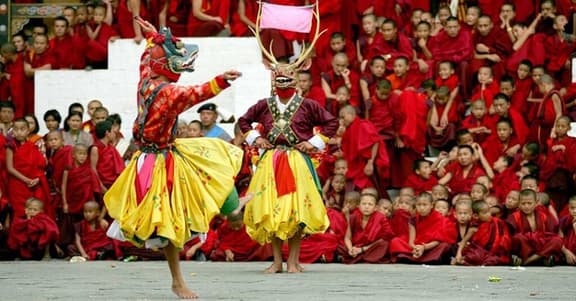
You'll know you're close when prayer flags start to appear along the path. They mark the way near Jamacho Monastery, which has long been a retreat for Buddhist monks. At the top there's a white stupa, a view tower, and open ground where the forest gives way to sky.
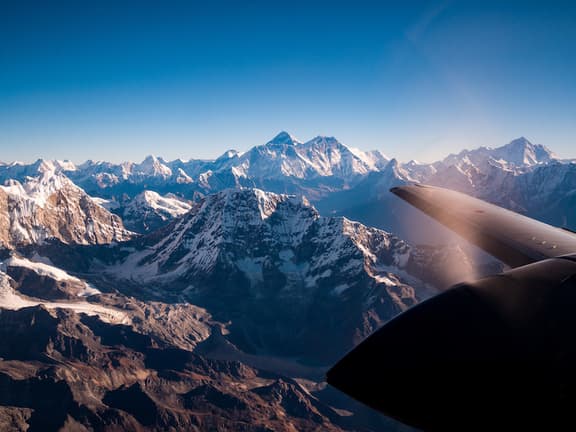
You have about an hour here, from roughly 11 am to midday. Take your time. Look around the stupa and the monastery buildings quietly, and remember that this is a religious site as well as a viewpoint. Climb the view tower if you'd like a wider view. From the hilltop, the Kathmandu Valley spreads below and, on a clear day, the Himalayan range lines the horizon to the north. Whether the mountains show depends on the sky that day. If they don't, the valley view and the walk up are still why you came.
This is a good time to eat what you brought, sit down, and notice how quiet it is compared with the morning.
The walk down
After midday you start back down the same trail. The descent takes about 1.5 to 2 hours. It's quicker than the climb, but it's harder on knees and toes, so shorten your steps on the steeper parts and keep your weight over your feet. If you use walking poles at home, this is where you'll be glad you brought them.
Going down, you pass the same shrines and the same openings in the trees. The noise from the valley slowly comes back, but by now it sounds further away than it did in the morning.
Back to the gate, back to the city
At Nagarjun Gate the car is waiting. Twenty or thirty minutes later you're back in Kathmandu's traffic, usually by mid-afternoon, with the rest of the day still free. It's a short trip out of the city, and a simple way to spend a day of your stay in Kathmandu among trees instead of traffic.
A few things to know before you go:
Pickup is at 7:30 am, and the drive to the gate takes 20 to 30 minutes.
The climb takes 2.5 to 3 hours, you have about an hour at the top, and the descent takes 1.5 to 2 hours.
Transport, an experienced guide and a bottle of water are included. Meals are not.
Wear shoes with good grip and bring a layer, sun protection and food.
To check dates and the price for your group, see Day Hiking in Nagarjun Hill. If you're deciding between this hike and Shivapuri, read Nagarjun or Shivapuri first.
Reviewed by Amrit Sapkota, Himalayan Social Journey