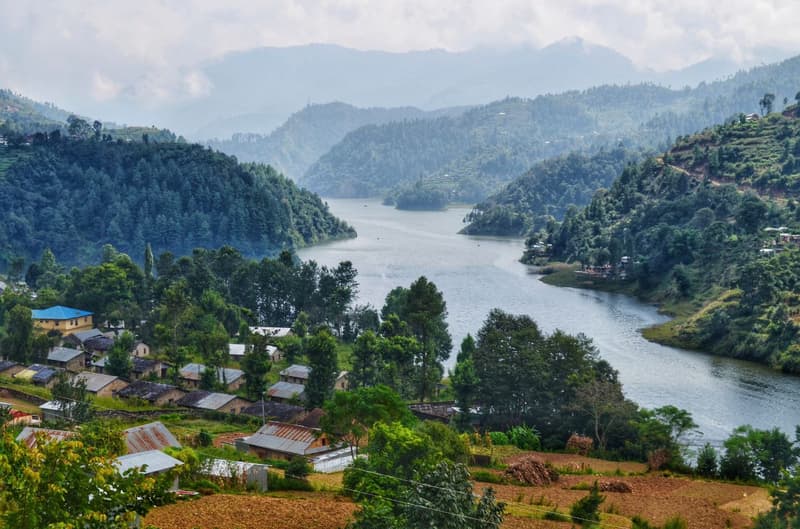

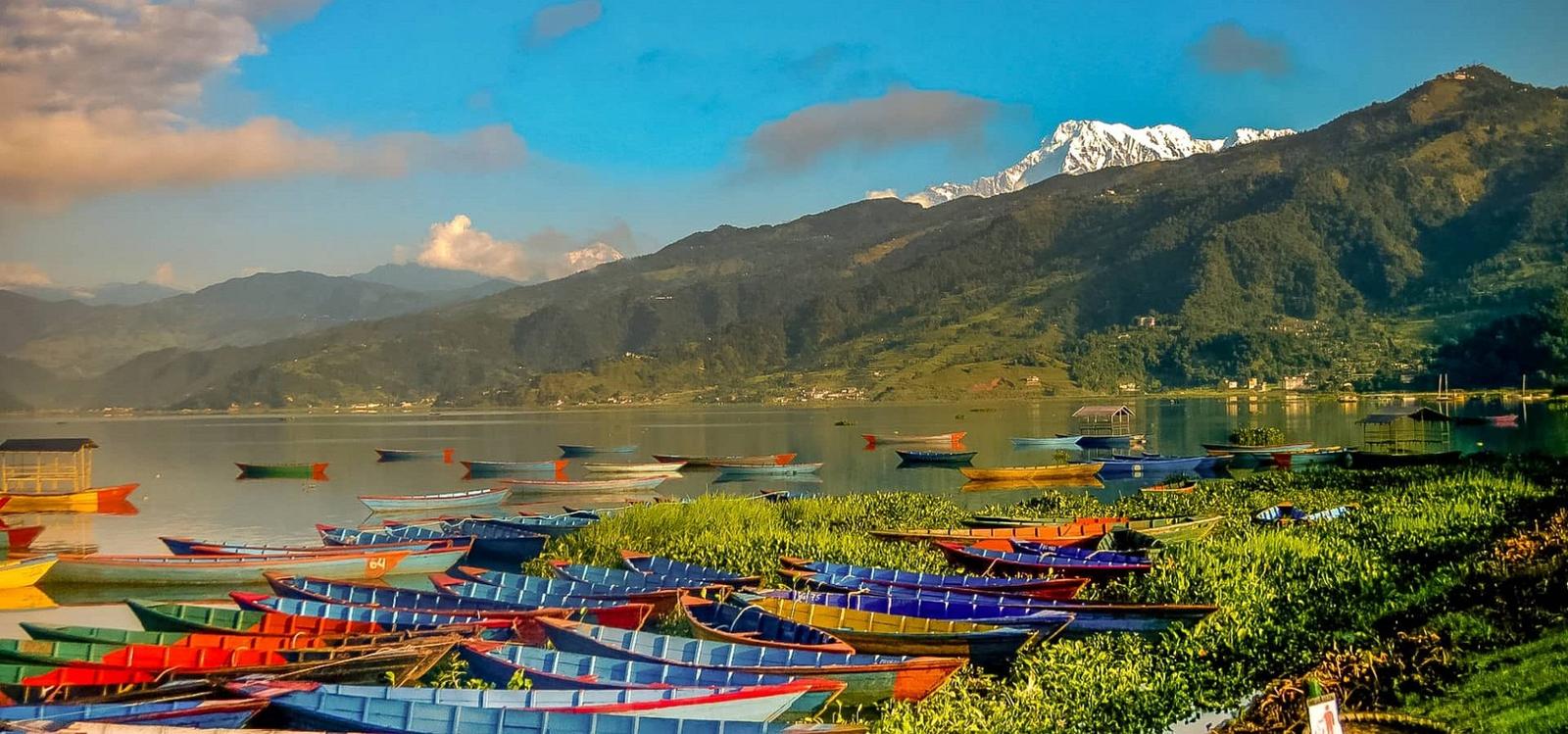
Pokhara sits on Phewa Lake at about 827 metres, with the Annapurna range rising behind it. Things to do in Pokhara range from lake boating and sunrise viewpoints to caves, short hikes and paragliding. In two to four days you can cover the lake, a sunrise viewpoint and a cave. You'll still have time for one short hike or a paragliding flight. This guide lists what's worth your time, what each thing costs roughly, and how to fit it into a short trip.
We run tours through Pokhara ourselves, from short lake-and-viewpoint itineraries to treks that start here. This guide is written from what we actually send clients to do, not copied from a tourist brochure.
Quick list: best things to do in Pokhara
| Activity | Time needed | Good for |
|---|---|---|
| Boating on Phewa Lake + Tal Barahi Temple | 1–2 hours | Everyone, all ages |
| Sunrise at Sarangkot | Half day (early start) | Mountain views, photographers |
| World Peace Pagoda | 2–3 hours (boat + walk, or drive) | A quiet walk with lake and mountain views |
| Paragliding from Sarangkot | 2–3 hours door to door | Adventure travellers, decent weather needed |
| Davis Falls and Gupteshwor Cave | 1–2 hours | Combine in one stop, easy |
| International Mountain Museum | 1–2 hours | Rainy days, trekking history |
| Dhampus / Australian Camp hike | 1–2 days | Short taste of the hills without a long trek |
| Begnas Lake | Half day | Escaping the lakeside crowd |
| Old Bazaar and Bindhyabasini Temple | 1–2 hours | Local life, less touristy |
Phewa Lake: boating, Tal Barahi Temple and the lakeside walk
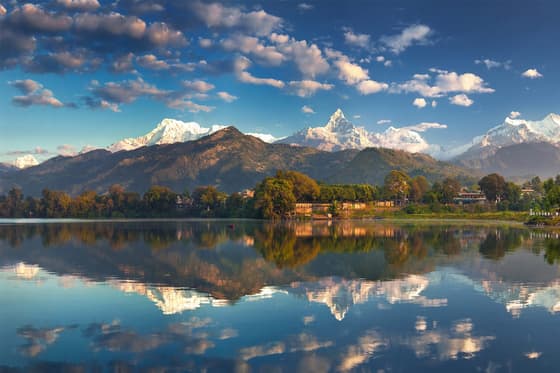
Phewa Lake is Pokhara's centre of gravity. A wooden boat (rowed, not motorised, inside the lake) can be hired by the hour from the lakeside ghats. Most people row out to Tal Barahi Temple, a small two-storey pagoda on an island in the middle of the lake. It is dedicated to the goddess Barahi.
On a clear morning or late afternoon, Machhapuchhre (6,993m) and the Annapurna peaks reflect in the water. This is the view most postcards of Pokhara are shot from. The lakeside road, locally called "Lakeside", has the restaurants, gear shops and guesthouses. It is easy to walk end to end in under an hour.
Sarangkot sunrise: is it worth the early start?
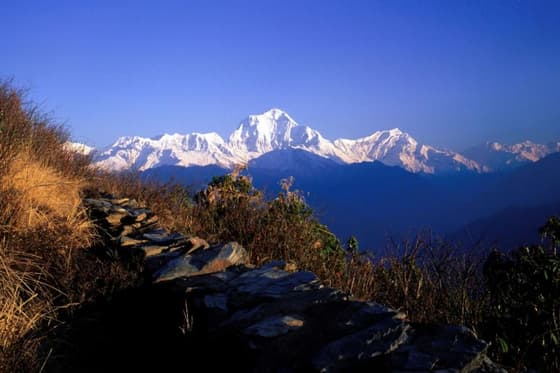
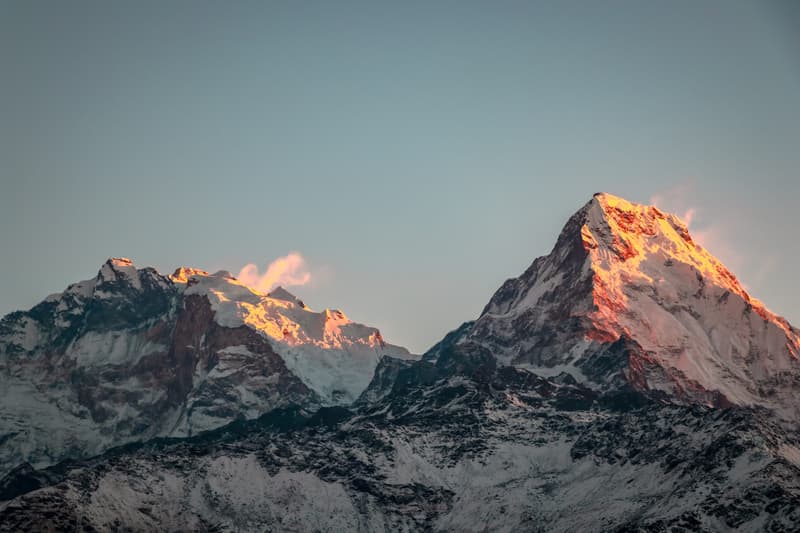
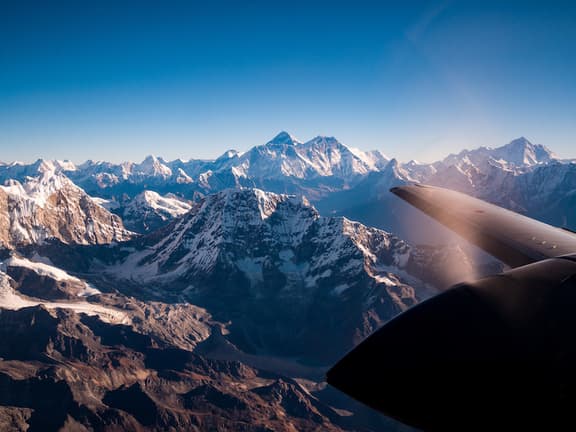
Sarangkot is a hilltop village at about 1,592m, a 30–40 minute drive (or a steep 2-hour walk) from Lakeside. People go up before dawn because on a clear morning the sun rises over the Annapurna and Machhapuchhre massif. On the clearest days you can see Dhaulagiri in the distance.
It's genuinely worth it if the sky is clear. Clear skies are more likely in autumn and winter than during or just before monsoon. Bring a jacket; it's noticeably colder at the top than at the lake. Taxis and shared jeeps go up before 5am in season.
World Peace Pagoda
Built by Japanese Buddhist monks, the World Peace Pagoda (Shanti Stupa) sits on a ridge above the south side of the lake. It is at roughly 1,100m. You can reach it by rowing across Phewa Lake and climbing about 45 minutes through forest, or by a longer drive around. Either way, it gives one of the better combined views of the lake, Pokhara valley and the Annapurna skyline. It is also quieter than Sarangkot.
Paragliding and other adventure sports
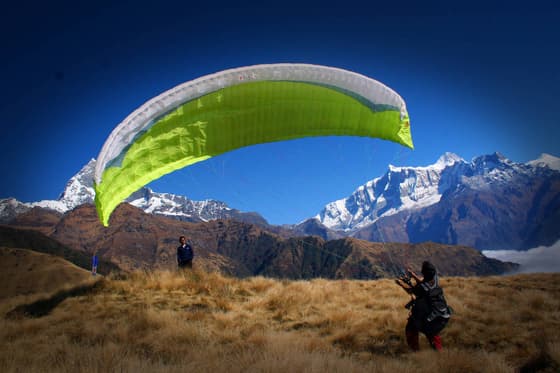
Pokhara is one of the more accessible places in the world to try tandem paragliding. The launch point (Sarangkot) and landing zone (Phewa Lakeside) are close together, and the thermals are reliable in season.
- Paragliding: tandem flights of 25–45 minutes, flying from Sarangkot down to the lakeside. Best season is autumn (Oct–Dec) and spring (Feb–May); flights are often cancelled in heavy monsoon cloud. See our paragliding in Pokhara page for how we run it.
- Ultralight flights: short scenic flights from Pokhara airport, with closer views of the Annapurna foothills than a paraglide. They fly in the early morning when the air is calmer.
- Zip-lining: a long, steep zipline runs from near Sarangkot down toward the valley — one of the steeper commercial lines in the region.
- Bungee and canyon swing: available on the Kathmandu–Pokhara highway near Kushma. This is a stop worth planning on the drive, rather than from Pokhara itself.
All of these depend on weather. If your schedule is tight, do the adventure activity on your first clear morning rather than saving it for your last day.
Caves and waterfalls: Davis Falls, Gupteshwor Cave, Mahendra Cave
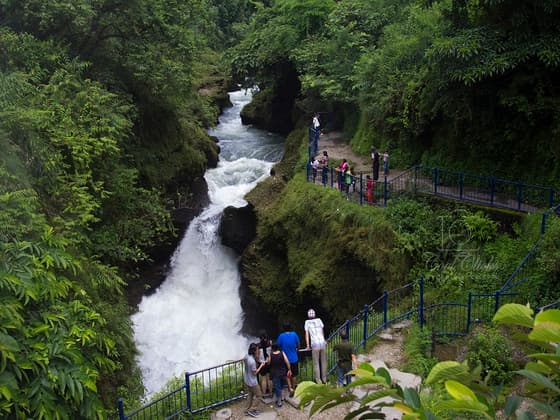
Davis Falls (locally Patale Chhango) is a short, dramatic waterfall near the airport where the Pardi Khola disappears underground. Right across the road, Gupteshwor Mahadev Cave is a limestone cave with a Shiva shrine inside. You can walk down to see the same water from Davis Falls reappearing underground. Both are quick stops, easily combined in under an hour.
Mahendra Cave, on the north side of the city, is a longer limestone cave system with a small bat colony. It is less polished than Gupteshwor but a good stop if you're already in that part of town.
Short hikes near Pokhara: Dhampus and Australian Camp
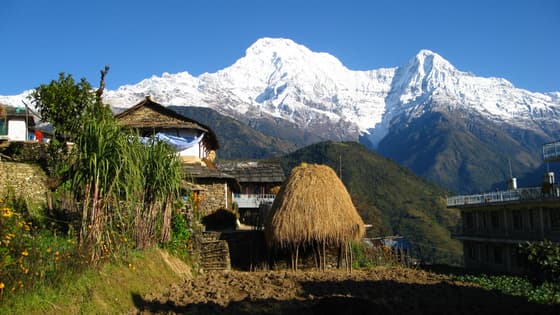
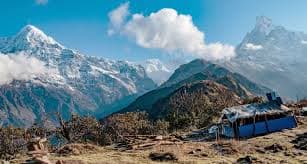
If you want hill views and a village walk without a multi-day trek, the Dhampus and Australian Camp area northwest of Pokhara is the standard choice. It's a short drive to the trailhead, then a few hours of gentle walking through terraced fields and Gurung villages, with Annapurna South and Machhapuchhre in view. It can be done as a day hike or an easy overnight. We run this as the Dhampus Australian Camp Sarangkot hike and also as a standalone Australian Camp trek.
Culture and museums: Mountain Museum, Old Bazaar, Bindhyabasini
The International Mountain Museum, south of the city, covers the history of Himalayan mountaineering, local mountain cultures, and the geology of the range. It's a good option on a rainy or hazy day when the mountains aren't visible anyway.
Pokhara's Old Bazaar, north of Lakeside, is the original Newar trading town, with older brick buildings. The hilltop Bindhyabasini Temple, a working Hindu temple, has good views over the old town. It sees far fewer tourists than Lakeside. It's worth an hour if you want a sense of Pokhara before it became a lake resort.
Quieter lakes: Begnas and Rupa
East of the city, Begnas Lake and the smaller Rupa Lake get a fraction of Phewa Lake's visitors. Begnas is about 20–30 minutes by road from Lakeside. It has its own boating, a short viewpoint hike, and fish restaurants on the shore. Good for a half day if Lakeside feels too busy.
Starting point for bigger treks: Poon Hill, Mardi Himal, Annapurna Base Camp
Most of Nepal's most popular short treks start a drive away from Pokhara:
- Ghorepani–Poon Hill: a classic 4–5 day trek to a sunrise viewpoint at 3,210m, trailhead about 1.5–2 hours from Pokhara. See our Ghorepani Poon Hill trek.
- Mardi Himal: a quieter 5–7 day trek to a base camp at around 4,500m with close-up Machhapuchhre views, also starting near Pokhara. Our Mardi Base Camp trek runs from here.
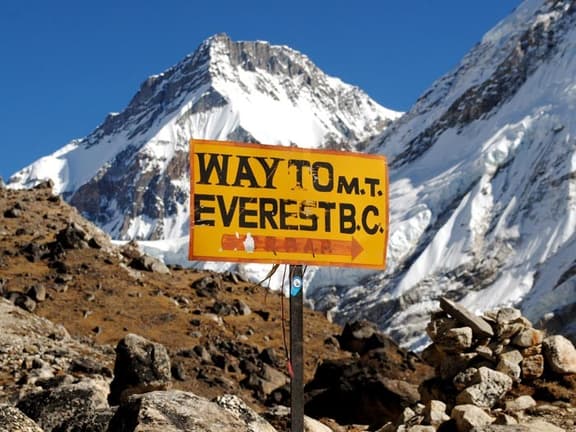
- Annapurna Base Camp: the full 7,000m amphitheatre trek, usually 9–12 days round trip, also starting from the Pokhara valley.
If you only have a few days and want mountain views without trekking, note that these treks require permits. All of these (and the Annapurna Conservation Area in general) need a TIMS card and an Annapurna Conservation Area Permit (ACAP). Both are arranged in Kathmandu or Pokhara, not on the trail. Check current fees before you travel, as they are revised from time to time by the Nepal Tourism Board and ACAP/NTNC.
Day trips and extensions from Pokhara
Pokhara also works well as a base for short add-ons to a Nepal trip:
- A jungle safari extension to Chitwan National Park includes canoeing, a jungle walk, the elephant breeding centre and a Tharu cultural show. Most people fly back to Kathmandu from Bharatpur. See our Chitwan National Park jungle safari or the combined Chitwan & Pokhara tour.
- A combined Kathmandu–Nagarkot–Pokhara circuit pairs Kathmandu's heritage sites and the Nagarkot sunrise hill station with a couple of relaxed days by the lake. This is the kind of itinerary we build for guests who want culture and mountain views without trekking.
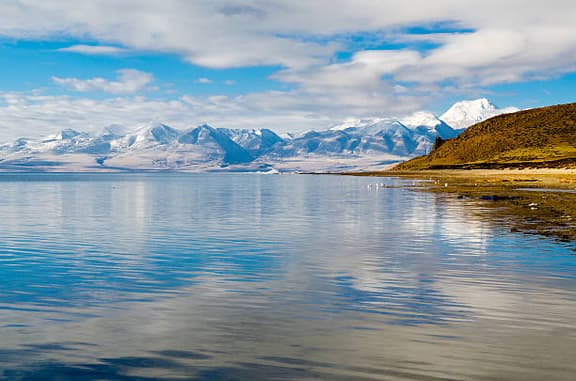
- Overland or fly-in routes toward Tibet suit travellers combining Nepal with Lhasa and the Everest north face. See our Tibet tour listings for current routes.
How many days do you need in Pokhara?
Two full days cover the essentials. That means Phewa Lake and Tal Barahi Temple, one sunrise trip to Sarangkot or the World Peace Pagoda, and Davis Falls with Gupteshwor Cave. Add a third day for paragliding or the Dhampus/Australian Camp hike. If you're using Pokhara as a trek start point, add the days of the trek itself on top of this.
Best time to visit Pokhara
| Season | Months | What to expect |
|---|---|---|
| Autumn | Oct–Nov | Clearest mountain views, dry, busiest season |
| Winter | Dec–Feb | Clear mornings, cold at viewpoints like Sarangkot, fewer crowds |
| Spring | Mar–May | Rhododendron blooms, some haze, warm |
| Monsoon | Jun–Sep | Rain most days, lake and valley lush and green, mountain views unreliable |
Autumn and spring give the best odds of clear Annapurna views for paragliding and sunrise viewpoints. If you visit in monsoon, plan flexible days since flights can be delayed and viewpoints are often clouded in.
How to get to Pokhara
Pokhara International Airport, which opened in 2023, has direct flights from Kathmandu (around 25–30 minutes) and seasonal international connections. The overland option is the Prithvi Highway, roughly 200km from Kathmandu. It takes 6–8 hours by private vehicle or tourist bus, depending on road conditions. Check current flight schedules and road conditions with your operator before booking, since both change with season and roadwork.
Frequently asked questions
Is one day in Pokhara enough?
One day is enough to see the lake, row to Tal Barahi Temple, and do one viewpoint (Sarangkot or the World Peace Pagoda) plus Davis Falls and Gupteshwor Cave. You'll be moving quickly though. Two to three days lets you add paragliding or a short hike without rushing.
What is the best time of year for paragliding in Pokhara?
Autumn (October–December) and spring (February–May) have the most reliable flying weather. Monsoon months (June–September) see frequent cancellations due to cloud and rain.
Do I need a permit to visit Pokhara city?
No permit is needed for the city itself. Permits (TIMS and ACAP) are only required once you head into the Annapurna Conservation Area for trekking. This includes treks like Poon Hill, Mardi Himal or Annapurna Base Camp.
Can I see the Himalayas from Pokhara without trekking?
Yes. Sarangkot, the World Peace Pagoda, and even the Lakeside waterfront give direct views of Machhapuchhre and the Annapurna range on a clear day. There's no hiking beyond a short walk.
Is Pokhara safe and easy to get around without a guide?
The Lakeside area is walkable and well set up for independent travellers, with taxis and shared jeeps for viewpoints like Sarangkot. A guide is useful mainly for the caves, the Old Bazaar's history, or if you're continuing on to a trek.
How do I get from Kathmandu to Pokhara?
By flight, about 25–30 minutes, from Kathmandu to Pokhara International Airport. Or by road via the Prithvi Highway, around 200km and 6–8 hours by car or tourist bus.