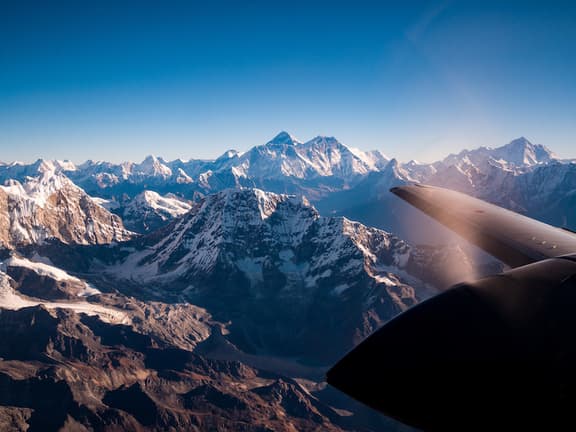

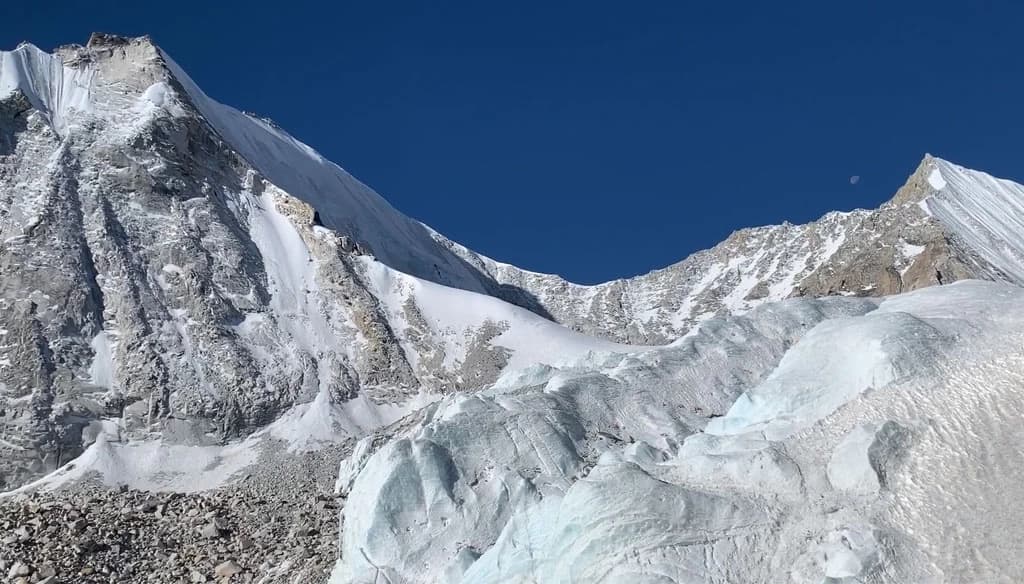
What Is the Sherpani Col Pass Trek?
The Sherpani Col Pass Trek links the Makalu region to the Khumbu (Everest) region. It crosses three passes above 5,800 m, and it takes 21–26 days from Tumlingtar to Chhukung or Lukla.
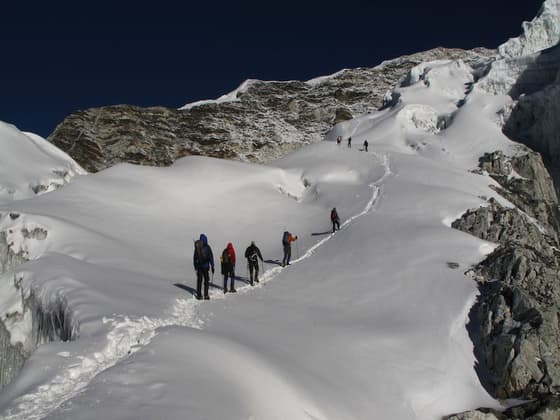
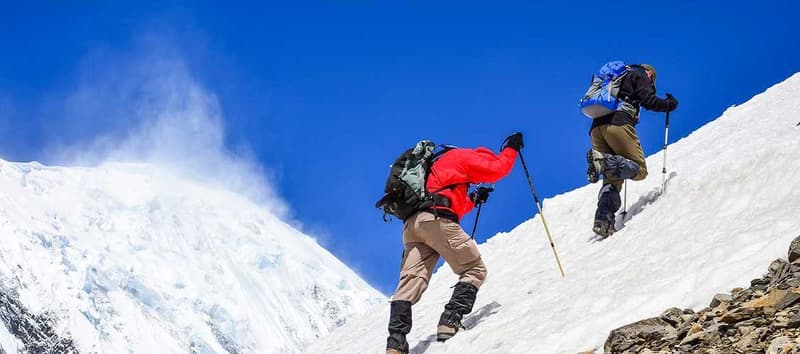
The three passes are Sherpani Col (around 6,135–6,160 m), West Col (around 6,135–6,190 m), and Amphu Lapcha (5,845 m). Sherpani Col is widely cited as the highest trekking pass in Nepal. This is not a walking holiday. It is roped glacier travel with ice axes, crampons and fixed lines.
If you have searched for this trek, you are probably an experienced trekker or climber. You are likely looking for the next step after Everest Base Camp or the Everest Three Passes Trek. This guide covers the route, the real difficulty, permits and costs, the best season, and what HSJ offers for this part of the Himalaya.
The Route in Brief
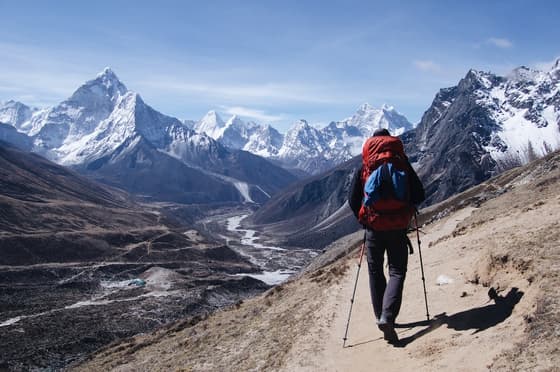
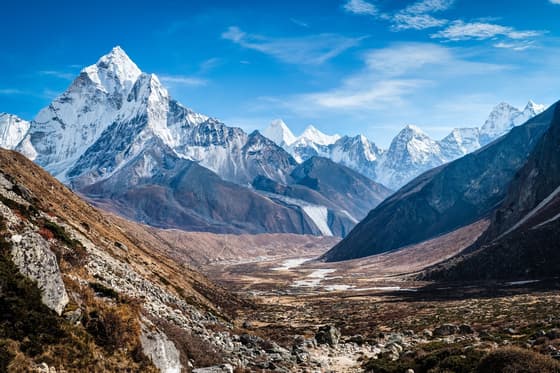
The trek runs roughly west to east across the Makalu-Barun and Sagarmatha (Everest) regions. It follows part of the eastern Great Himalaya Trail high route.
- Fly Kathmandu to Tumlingtar (about 45 minutes), then drive or walk to Num and Seduwa, the Makalu Barun National Park entry point.
- Trek up the Arun and Barun valleys through Tashigaon, over a string of mid-altitude passes (Kongma La, Shipton La, Keke La — all under 4,300 m, not to be confused with the Khumbu's Kongma La). Continue down to Mumbuk, then up through Yangle Kharka to Makalu Base Camp (4,870 m).
- Acclimatise at Makalu Base Camp for 1–2 days, with views of Makalu's south face (8,485 m, the world's fifth-highest peak).
- Move to a high camp near 5,700 m, then cross Sherpani Col, descend onto the Baruntse glacier, and climb straight over West Col to Baruntse Base Camp (around 5,300–5,400 m). This is one very long, technical day, often 9–12 hours.
- Cross the Amphu Lapcha glacier approach, camp at Amphu Lapcha Base Camp (around 5,500 m), then cross Amphu Lapcha Pass (5,845 m) with a roped descent into the Imja valley.
- Descend to Chhukung, in the Everest region, then walk out through Dingboche, Tengboche and Namche Bazaar to Lukla for the flight back to Kathmandu.
Total duration is usually 21 to 26 days, depending on the operator's itinerary and built-in weather buffer days. Budget for at least 2–3 extra days, because the passes cannot be crossed in poor weather.
How Hard Is It, Really?
This is graded as strenuous to technical, well beyond the Everest Base Camp Trek or even the Everest Three Passes Trek. The difference is not just altitude. Everest Three Passes tops out at 5,535 m on foot, with no roped glacier travel required. Sherpani Col and West Col sit roughly 600 m higher, on glaciated terrain that demands:
- Comfort using an ice axe and crampons on steep snow and ice
- Being roped together and moving as a team across crevassed glacier
- At least one prior high-altitude trek (ideally above 5,500 m) or a peak climb such as Island Peak or Mera Peak
- Tolerance for long summit-style days — 9 to 12 hours is normal on the col-crossing days, sometimes starting before midnight
- Full camping self-sufficiency: there are no teahouses once you leave Makalu Base Camp, so tents, a cook crew and porters are essential
Expect night temperatures at high camps to drop to -10°C to -15°C even in the main trekking seasons. Weather windows for the passes can be narrow, and a sudden snowfall can close the route for days. Trekking agencies run this with a qualified climbing Sherpa team carrying fixed rope. Most build at least one spare day into the schedule for each col.
Best Season for Sherpani Col
| Season | Conditions |
|---|---|
| March–May (spring) | Most common season. Stable weather window before monsoon, snow on the passes is more settled. |
| September–November (autumn) | Second main season. Clear skies after monsoon, cold at high camp but generally reliable. |
| December–February (winter) | Not recommended — passes are usually heavily snowbound and the route is effectively closed. |
| June–August (monsoon) | Avoided — poor visibility, unstable snow bridges on the glaciers, higher avalanche risk. |
Most operators run fixed departures only in spring and autumn, matching the pattern for the Everest and Makalu regions generally. See HSJ's best time to trek in Nepal guide for how this compares across regions.
Permits and Fees (What to Budget)
The Makalu side of the route runs through Makalu Barun National Park, and the Everest side through Sagarmatha National Park. Both require permits. As of recent published rates:
- Makalu Barun National Park entry permit: NPR 3,000 (about USD 25–30) for foreign nationals, NPR 1,500 for SAARC nationals
- Makalu Rural Municipality permit (Sankhuwasabha side): USD 20 per person for the first 4 weeks, USD 25 per week after that
- Sagarmatha National Park entry permit (Everest side, needed once you reach Chhukung/Dingboche): similar range, around NPR 3,000 for foreigners
- Khumbu Pasang Lhamu Rural Municipality fee (replaces TIMS on the Everest side): roughly USD 20 per person
- A restricted area permit is required only if your route touches certain northern wards near the Tibet border (such as Kimathangka or Chepuwa). Most standard Sherpani Col itineraries avoid these, but confirm with your operator before you fly
Since April 2023, Nepal requires all foreign trekkers in national parks to go with a licensed guide. This trek was never realistically doable without one given the technical sections, so it changes little in practice. For official permit rules, check the Department of National Parks and Wildlife Conservation and the Nepal Tourism Board.
Flights: Kathmandu–Tumlingtar and Lukla–Kathmandu
The trek starts with a short flight (around 45 minutes) from Kathmandu to Tumlingtar and ends with a flight out of Lukla. Lukla flight rules have changed in recent years. During the peak spring (March–May) and autumn (September–November) seasons, flights to and from Lukla are often routed through Ramechhap (Manthali) Airport, a 4–5 hour drive from Kathmandu, rather than flying direct. Build this into your schedule, since it typically means a very early departure from Kathmandu or an overnight in Ramechhap before flying out. Outside peak season, direct Kathmandu–Lukla flights of about 35 minutes are more common.
Gear You'll Actually Need
Beyond a standard Himalayan trekking kit, Sherpani Col requires:
- Ice axe and crampons (fitted to your boots in advance)
- A climbing harness and a few locking carabiners
- A helmet for the glacier and rocky pass sections
- Plastic or insulated mountaineering boots (rather than standard trekking boots) for the high camps
- A four-season sleeping bag rated to at least -20°C
- Trekking poles plus the above technical gear — you carry both
Most reputable operators supply group gear (ropes, anchors) and will advise on a personal kit list before departure.
Sherpani Col vs. Everest Three Passes Trek
If you are deciding between this and a slightly less extreme option, here is the honest comparison:
| Sherpani Col Pass Trek | Everest Three Passes Trek | |
|---|---|---|
| Duration | 21–26 days | 17–19 days |
| Max altitude | ~6,160 m | 5,545 m (Kala Patthar) |
| Technical skill | Roped glacier travel, ice axe/crampons required | No technical climbing; micro-spikes only |
| Accommodation | Full camping above Makalu Base Camp | Teahouses throughout |
| Regions covered | Makalu + Everest | Everest/Khumbu only |
| Who it suits | Climbers and very experienced high-altitude trekkers | Fit, experienced trekkers without technical climbing background |
For most trekkers, even seasoned ones, the Everest Three Passes Trek is the more realistic "hardest trek in the Khumbu" goal. Sherpani Col is a step beyond that — closer to an expedition than a trek. HSJ recommends it only to clients who have already done a technical peak climb or a serious glaciated pass crossing.
HSJ's Route: Makalu to Everest via Sherpani Col
HSJ runs this traverse as the Makalu to Everest via Sherpani Col trip. It follows the Tumlingtar–Makalu Base Camp–Sherpani Col–West Col–Amphu Lapcha–Chhukung–Lukla line described above, with a full camping and climbing support crew for the technical sections. If you are weighing this up against other eastern Nepal high routes, also look at HSJ's Kanchenjunga to Makalu Trek and the Rolwaling Tashi Lapcha Pass Trek, both part of the Great Himalaya Trail network in Nepal's remote east. For the full range of high-pass options, see HSJ's Great Himalaya Trail and Remote Area Trek pages.
Preparing for Sherpani Col
A sensible build-up before attempting this route:
- Complete at least one trek above 5,000 m (Everest Base Camp, Annapurna Circuit over Thorong La, or similar)
- Do a technical peak climb — Island Peak, Mera Peak, or Lobuche Peak — to get comfortable on fixed ropes, crampons and glacier terrain
- Train with a loaded pack on steep, uneven ground for several months beforehand
- Get a pre-trip medical check, specifically cardiovascular, given the sustained time above 5,500 m
- Budget extra days for weather — this is not a trek you can rush
Final Word
The Sherpani Col Pass Trek is one of the most demanding treks Nepal offers. It crosses the country's highest trekking pass on roped glacier terrain, between two of its finest mountain regions. It rewards serious preparation with views of Makalu, Everest, Lhotse and Chamlang from ground few people ever walk. It is not a first Himalayan trek, and not one to book on impulse. Talk to an operator honestly about your technical experience before you commit.
Frequently asked questions
How high is Sherpani Col Pass?
Sherpani Col sits at roughly 6,135–6,160 m, depending on the exact crossing point used each season. It is generally considered the highest trekking pass in Nepal, higher than any of the Everest Three Passes.
Is the Sherpani Col trek harder than the Everest Three Passes Trek?
Yes. Sherpani Col and West Col involve roped glacier travel with ice axe and crampons above 6,000 m, while the Everest Three Passes Trek tops out at 5,535 m with no technical climbing required.
Do I need climbing experience for Sherpani Col?
Yes. You should be comfortable with an ice axe, crampons and moving roped on a glacier. A prior technical peak climb, such as Island Peak or Mera Peak, is the usual preparation.
How many days does the Sherpani Col trek take?
Most itineraries run 21 to 26 days from Kathmandu to Kathmandu, including flights to Tumlingtar and out from Lukla, plus buffer days for weather at the passes.
What permits are needed for the Sherpani Col trek?
You need a Makalu Barun National Park permit, a Makalu Rural Municipality permit, and a Sagarmatha National Park permit plus Khumbu Pasang Lhamu Rural Municipality fee once you reach the Everest side.
What is the best season to cross Sherpani Col?
March–May and September–November, when the passes are least likely to be heavily snowbound. Winter crossings are generally not attempted and monsoon months are avoided for visibility and glacier stability.