


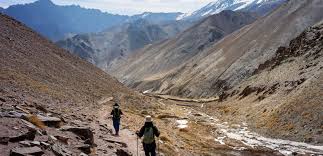
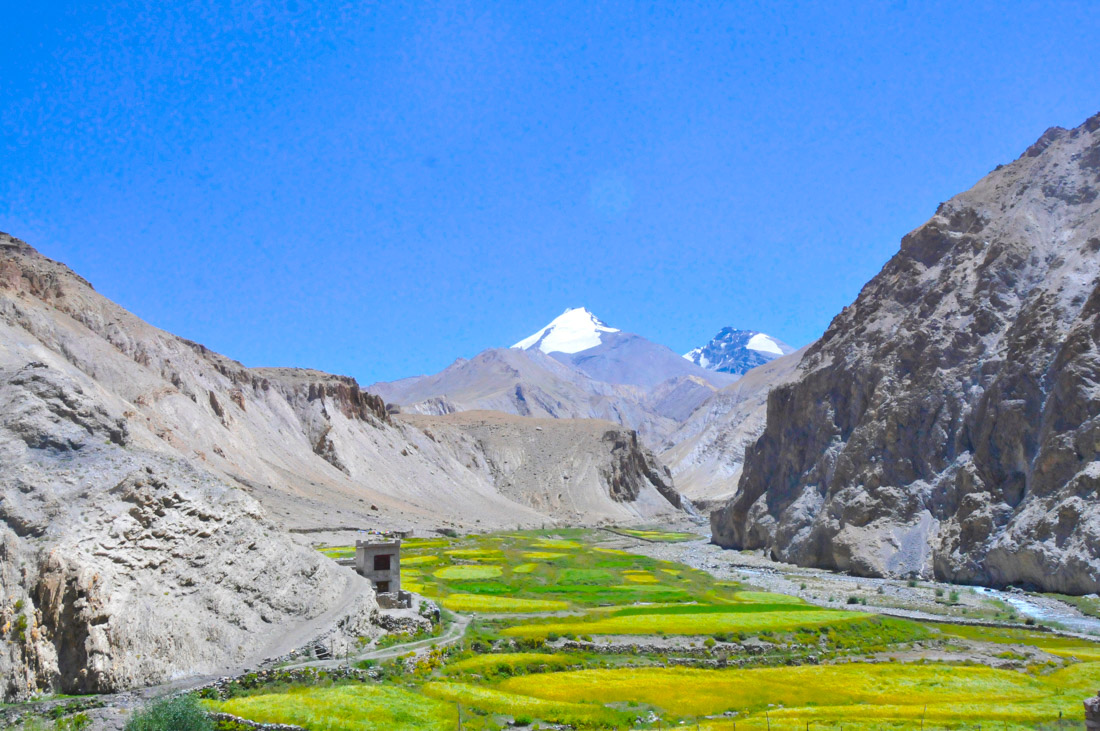
Ladakh really is a "Little Tibet". Although Tibet is politically part of China today, Ladakh, like parts of Nepal, is situated on the Tibetan plateau. Ladakh has many Tibetan refugees who fled Tibet with the invasion from China. The daunting height of the Himalaya adds to its isolation, even today the main road routes to Ladakh remain closed for more than six months of each year. Until 1979, there were no regular civilian flights into Ladakh so from October to June the region was completely cut off.
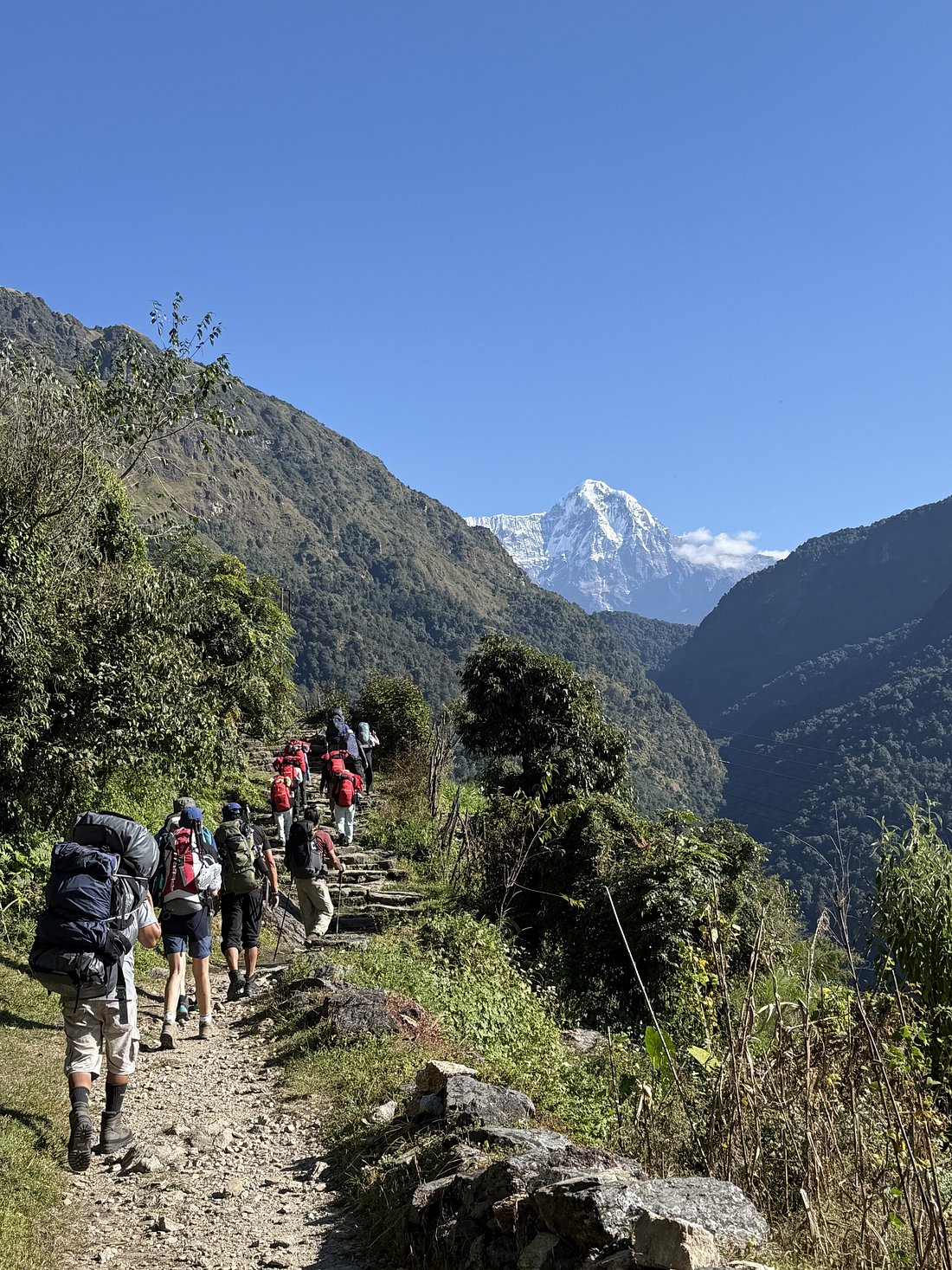
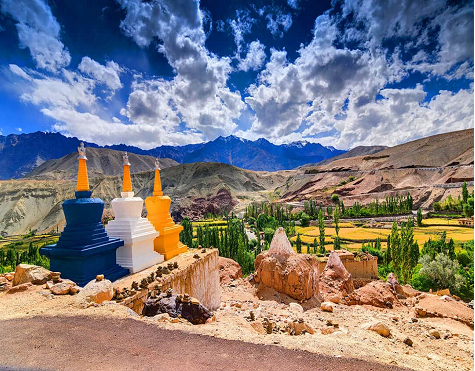
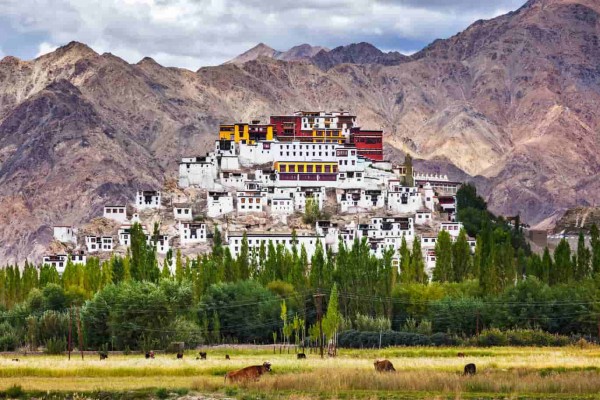
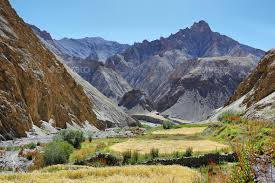
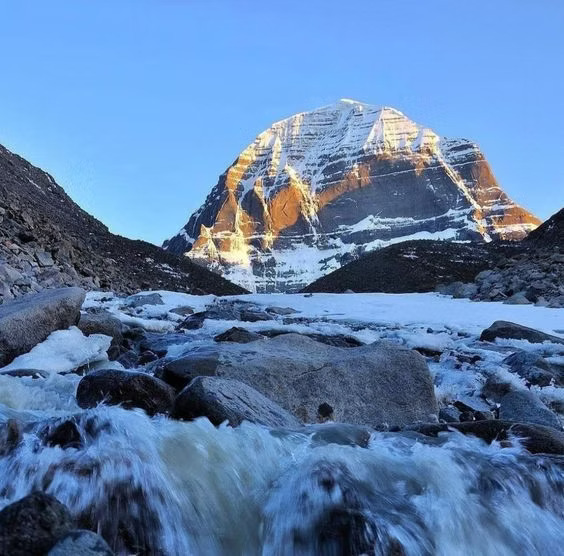
Today, it is full of amazing sights - strange gompas perched on soaring hilltops, dwarfed by snow capped mountains, the barren shattered looking landscapes splashed with small, brilliant patches of green and ancient palaces clinging to sheer rock walls. But most of all it is notable for its delightful people - friendly as only Tibetans can be and immensely colorful.
One of the most popular trek in Ladakh – it is a perfect combination of beautiful transhimalayan landscape with ladakhi villages. There are good chances to spot some high altitude wildlife.
What to Expect
Low temperatures & high altitudes are going to be our main concerns on this trip and
we must be adequately prepared to deal with them
Temperatures and Climate
Ladakh lies north of the Great Himalayan Range and is hence unaffected by the monsoon clouds which shed all the rain on hitting the Himalayas from the south. On the high plateau of Ladakh, the maximum daytime temperature low down in the valleys would be around 25°C, with night-time lows being around 15°C. At our highest camps, the night-time temperature could fall as low as minus 5°C. At high altitude, the sun has a very strong effect and it will feel hotter than the indicated temperatures. Ladakh usually has very stable weather from June to September. However mountains do generate their own weather systems and some rain or snowfall cannot be ruled out.
Altitude
Once we get up to heights above 3000 m, altitude starts to become a concern and one must deal with it carefully. Our bodies slowly get used to the lower levels of oxygen in the air and the individuals who have acclimatised properly are able to climb to altitudes as high as Everest without any aided oxygen. This process of adaptation or acclimatisation does take time and the most important rule is to gain height slowly. The trip itinerary has been very well thought over and gives everyone plenty of time to get acclimatised. Our trip leaders are widely experienced in these matters and will be able to give you good advice to help minimize any temporary discomfort that you might experience. If you have suffered serious problems at altitude before, you should seek the advice of your doctor or a specialist. We are always ready to give advice on this subject.
Baggage Allowance
You would need to have two bags for the trip – the main baggage and the day pack. Your main baggage on trek will be carried by pack animals and it should not weigh more than 15 kg. You would be walking with your day pack which should be large enough to carry your rain proof gear, a light fleece, water, packed lunch, cameras etc. Day packs which give you an easy access to your water bottles, and some loops to keep your trekking poles etc are far better than plain day packs. It’s a good idea to have slightly larger daypack than a smaller one as you might need to stuff in a lot of extra layers in the bag on the summit afternoon. It is possible to leave clothes or other items not required on trek at the group hotel.
Pre-Trip Conditioning
Good physical conditioning is one of the keys and can make the difference between enjoying an outing and merely enduring it. Being physically ready is more important than years of experience. We suggest that you begin your training program at least a month before the departure. Any form of aerobic training, such as running, cycling, swimming, along with some strength training will help you a lot on the climb. Strength training with a pack is the most valuable thing you can do to prepare yourself. The best method is to go on long hikes or climbs with a heavy pack a couple of times in a week. But since mountains are not easily accessible to most of us, climbing stairs with heavy backpack is recommended
Food
We will have a full serviced camp with camp cooks. On the trek, the food is a mixture of local and European, all purchased in Nepal and cooked for us by highly trained trek cooks. Menus vary from Indian fare to Chinese, pasta, cold cuts, sandwiches, eggs etc. The emphasis is on a high carbohydrate and largely vegetarian diet, which we have found to be easily digestible especially at high altitude. This is a fully inclusive package and all meals are included in the trip price. You might want to carry your favorite snack or some power bars with you for the long trekking days. We will provide you safe drinking water throughout the trek - it will be boiled with a dash of iodine. You could bring things which you enjoy eating -chocolates, power bars, dry fruits, candies, other snacks etc.
First Aid
First aid accompanies each White Magic trip. All trip leaders have appropriate wilderness first-aid training and are experienced in dealing with a range of medical problems associated with adventure travel. We recommend that you bring your own personal medications and inform us of any medical condition, if you have.
Equipment List
At the time of booking you would be sent a detailed list of clothing and other checklist required for the trek.