



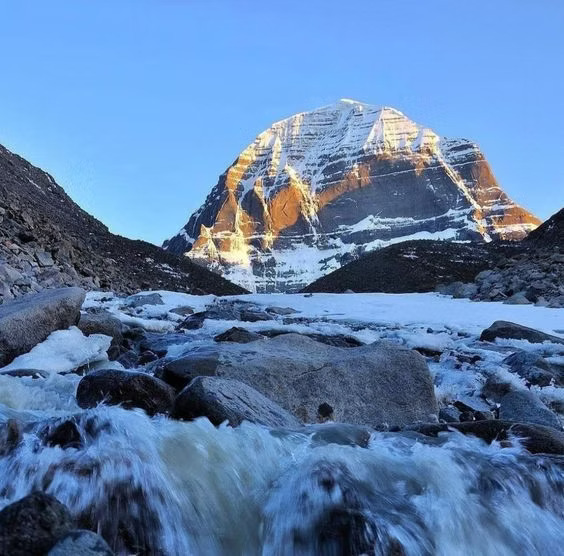
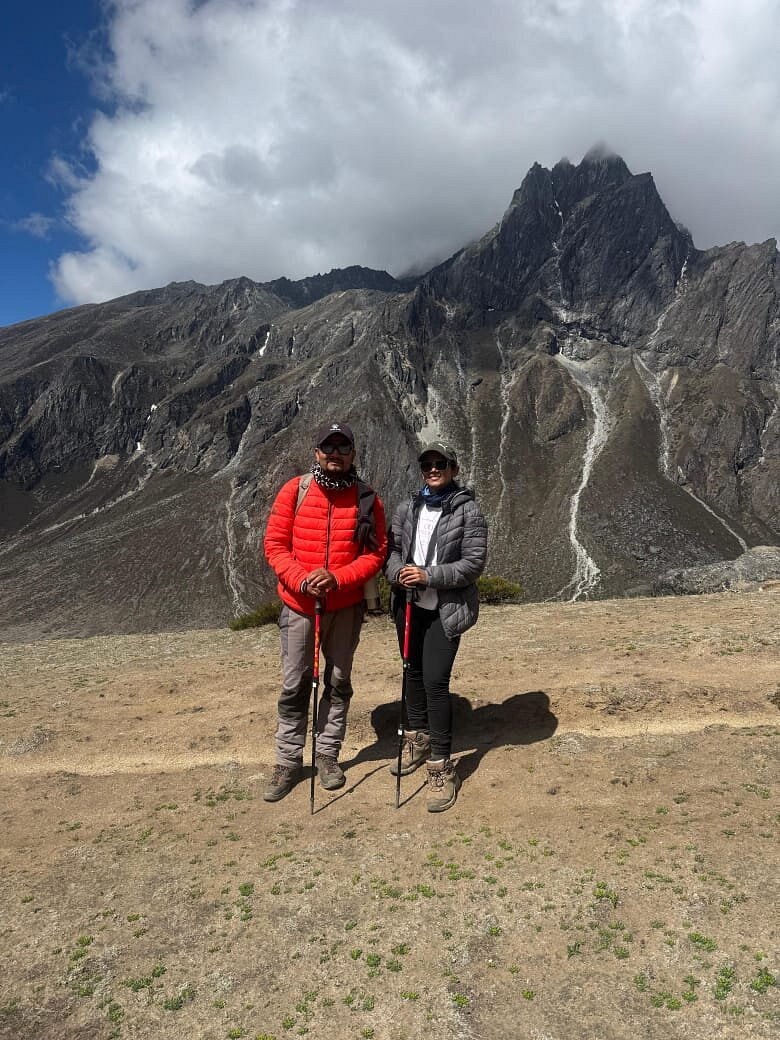
- Experience the awe inspiring Pikey Peak Trek in Nepal’s Solu region. Journey through rhododendron forests, Sherpa villages and yak pastures to reach the panoramic summit of Pikey Peak (4,065 m) with sunrise views of Everest, Makalu and beyond. This 8‑day trek combines cultural immersion with spectacular Himalayan vistas.
Arrive at Tribhuvan International Airport and transfer to your hotel in Kathmandu. Enjoy an orientation meeting and welcome dinner.
Drive from Kathmandu to Dhap Bazaar, enjoying scenic views of rivers, forests and rural settlements. After lunch, begin a gentle trek to the Sherpa village of Jhapre.
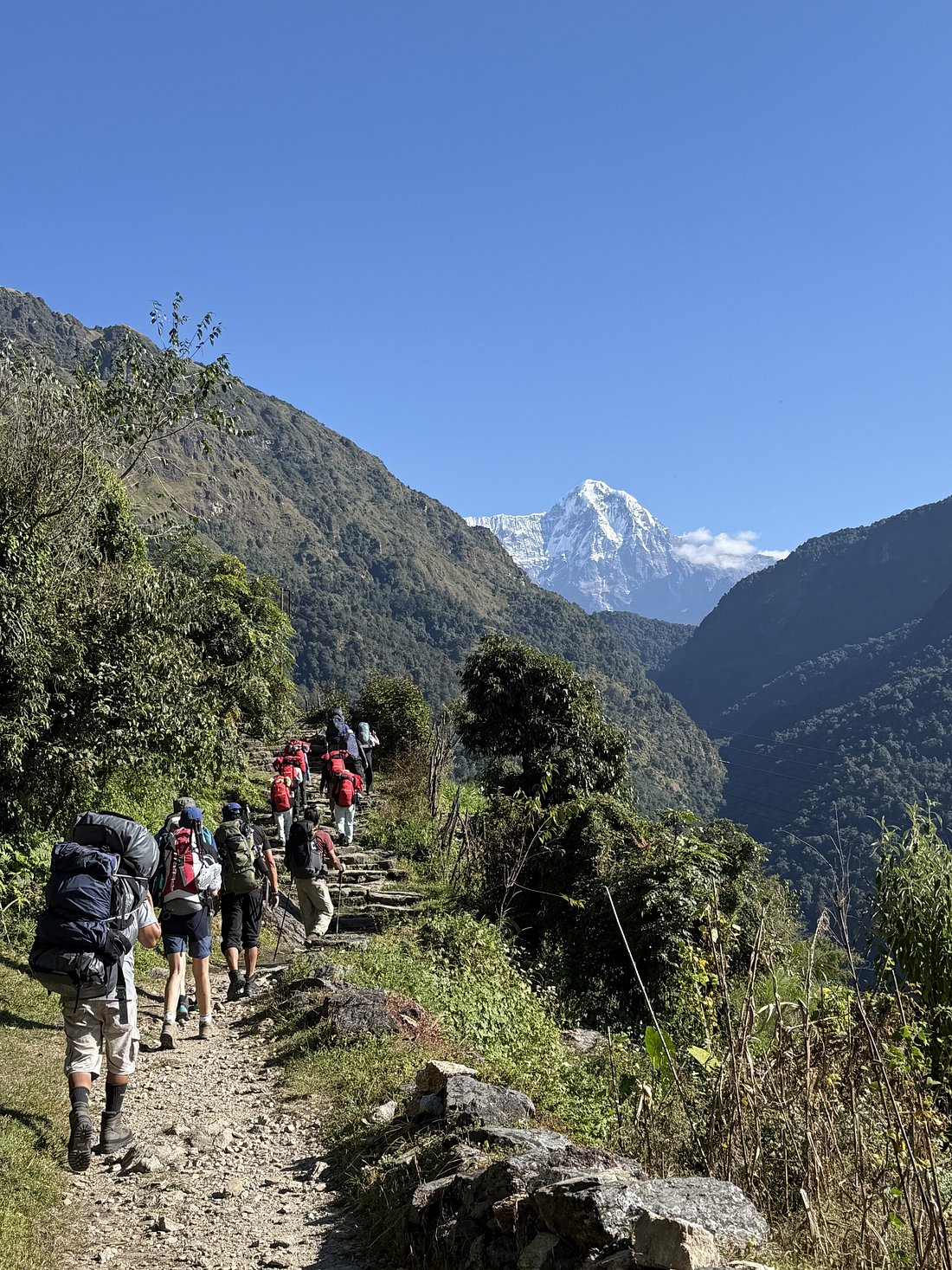
Trek through rhododendron and pine forests, passing prayer flags, mani walls, and yak pastures. Enjoy stunning Himalayan views en route to Pikey Peak Base Camp.
Rise early for a pre-dawn ascent to the summit of Pikey Peak (4,065 m) to catch a breathtaking sunrise over Everest, Makalu and Kanchenjunga. After enjoying the panoramic views, descend through alpine pastures and small hamlets to Jasmane Bhanjyang for overnight.
Descend through lush rhododendron and pine forests with views of Everest and Numbur Himal. Pass small Sherpa villages and monasteries before arriving at the charming village of Junbesi.
Spend the day exploring the Junbesi valley and visiting the historic Thupten Chholing Monastery. Learn about Tibetan Buddhism and local Sherpa culture, then return to Junbesi for overnight.
Follow a scenic trail through forests and fields to the airstrip town of Phaplu, passing small villages and enjoying final views of the Himalaya. Celebrate your successful trek with the crew in the evening.
Drive back to Kathmandu via scenic mountain roads, passing traditional villages and terraced fields. Upon arrival, check into your hotel and enjoy a well-earned rest or last-minute sightseeing.
Follow the journey route
The best time to trek Pikey Peak is during the spring (March–May) and autumn (September–November) seasons, when weather is clear and the views are spectacular.
It is a moderate trek suitable for beginners with a good fitness level; the trails are less crowded and involve gradual ascents to a maximum altitude of around 4,065 m.
The highest point is the summit of Pikey Peak at approximately 4,065 metres (13,335 feet) above sea level.
Most itineraries cover eight days, including arrival and departure from Kathmandu, allowing plenty of time for acclimatisation and exploration.
You'll stay in simple teahouse lodges along the trail and standard hotels in Kathmandu; rooms are typically twin‑share.
Yes, trekkers must obtain the Gaurishankar Conservation Area Permit (GCAP) and a TIMS card, which are usually included in trekking packages.
Travel from Kathmandu to Dhap (the starting point) is by private jeep or shared local bus, and after the trek you’ll return from Phaplu to Kathmandu by road.
Yes, the trek’s moderate difficulty and relatively low altitude compared to other Himalayan treks make it ideal for first‑time trekkers or families.
Pack warm layers, a waterproof jacket, hiking boots, sun protection, a reusable water bottle, sleeping bag, personal medications, and some cash for personal expenses.
Most teahouses provide electricity for a small fee to charge devices; some offer Wi-Fi but connections are slow and unreliable, so plan to be mostly offline.
Hiring a guide is highly recommended for safety, navigation and local insights; a porter can carry your luggage, allowing you to enjoy the trek more comfortably.
Sunrise views from Pikey Peak reveal a breathtaking panorama of eight-thousanders, including Mt. Everest, Kanchenjunga, Makalu and nearby peaks, making it an unforgettable highlight.
On average you'll walk 4–6 hours per day, covering varying terrain from forest trails to alpine pastures.
Yes, you’ll pass through Sherpa and Tamang villages, visit Buddhist monasteries such as Thupten Chholing and learn about local traditions and lifestyles.
Trekking packages typically include three meals per day (breakfast, lunch and dinner) during the trek; meals in Kathmandu and other personal expenses are extra.
The best time to trek Pikey Peak is during the spring (March–May) and autumn (September–November) seasons, when weather is clear and the views are spectacular.
It is a moderate trek suitable for beginners with a good fitness level; the trails are less crowded and involve gradual ascents to a maximum altitude of around 4,065 m.
The highest point is the summit of Pikey Peak at approximately 4,065 metres (13,335 feet) above sea level.
Most itineraries cover eight days, including arrival and departure from Kathmandu, allowing plenty of time for acclimatisation and exploration.
You'll stay in simple teahouse lodges along the trail and standard hotels in Kathmandu; rooms are typically twin‑share.
Yes, trekkers must obtain the Gaurishankar Conservation Area Permit (GCAP) and a TIMS card, which are usually included in trekking packages.
Travel from Kathmandu to Dhap (the starting point) is by private jeep or shared local bus, and after the trek you’ll return from Phaplu to Kathmandu by road.
Yes, the trek’s moderate difficulty and relatively low altitude compared to other Himalayan treks make it ideal for first‑time trekkers or families.
Pack warm layers, a waterproof jacket, hiking boots, sun protection, a reusable water bottle, sleeping bag, personal medications, and some cash for personal expenses.
Most teahouses provide electricity for a small fee to charge devices; some offer Wi-Fi but connections are slow and unreliable, so plan to be mostly offline.
Hiring a guide is highly recommended for safety, navigation and local insights; a porter can carry your luggage, allowing you to enjoy the trek more comfortably.
Sunrise views from Pikey Peak reveal a breathtaking panorama of eight-thousanders, including Mt. Everest, Kanchenjunga, Makalu and nearby peaks, making it an unforgettable highlight.
On average you'll walk 4–6 hours per day, covering varying terrain from forest trails to alpine pastures.
Yes, you’ll pass through Sherpa and Tamang villages, visit Buddhist monasteries such as Thupten Chholing and learn about local traditions and lifestyles.
Trekking packages typically include three meals per day (breakfast, lunch and dinner) during the trek; meals in Kathmandu and other personal expenses are extra.