


Reason to Visit the Himalayas
Welcome to the Visit Nepal 2026 campaign era. Following years of massive infrastructure upgrades, a shift toward high-end experiential travel, and the triumphant completion of a decade-long heritage restoration project, Nepal has officially been reborn. It is now a modernized, highly accessible, yet deeply authentic destination. Whether you are an experienced mountaineer, a professional seeking a transformative wellness escape, or an explorer craving an ultra-cinematic journey through the Everest region, here is the definitive, comprehensive guide to everything you need to know about traveling to the heart of the Himalayas this year.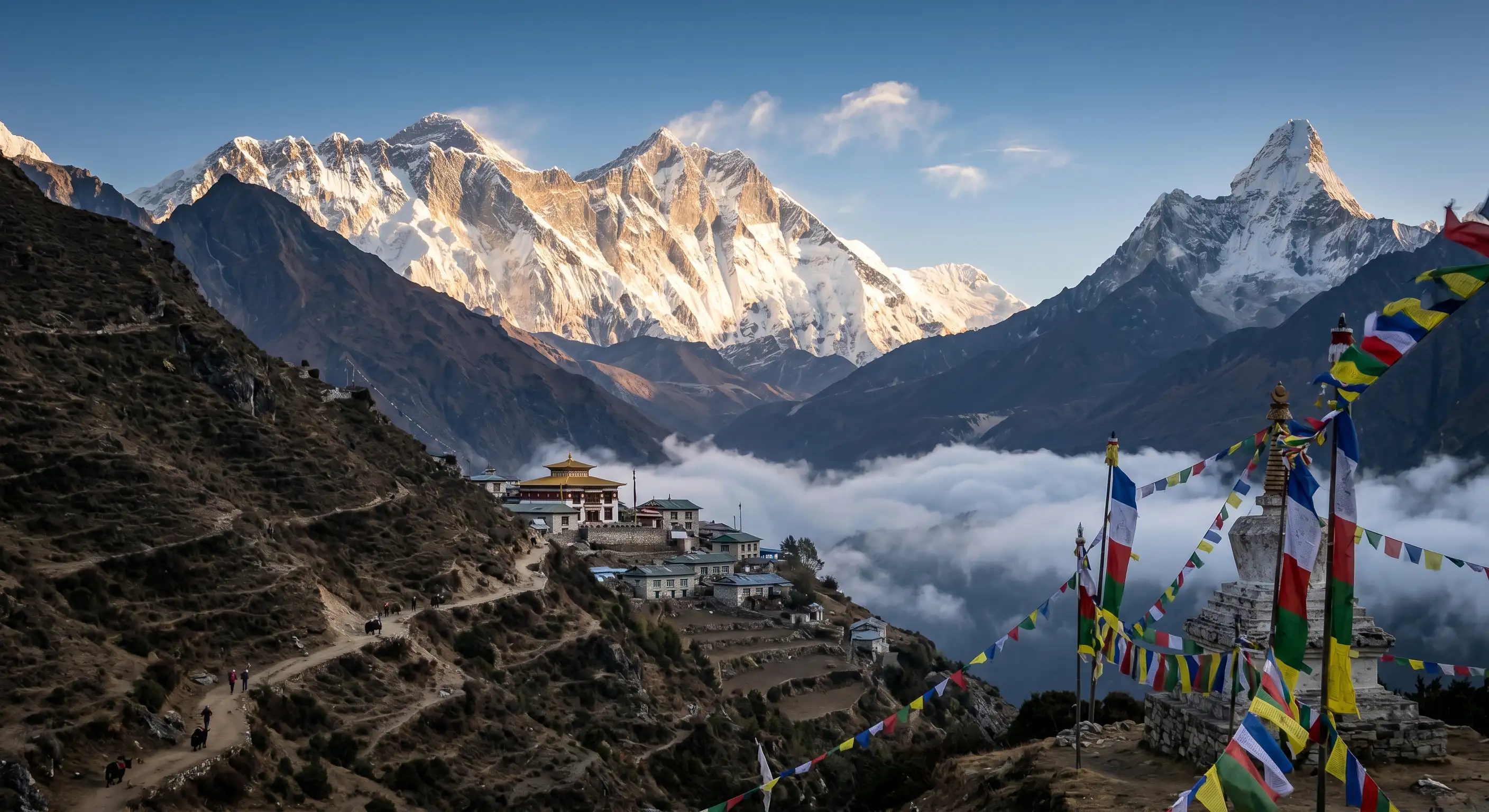
Why 2026 is a Landmark Year
The days of unpredictable travel logistics, aging infrastructure, and overwhelming transit bottlenecks are largely a thing of the past. Nepal has evolved. The country has pivoted aggressively toward a philosophy of sustainable, "Mindful Travel," focusing heavily on eco-tourism, community-based experiences, and high-quality service tailored for discerning global travelers.
Fully Restored World Heritage
The destructive 2015 earthquake has reduced some of the most valuable UNESCO World Heritage Sites in the country to ruins. The reconstruction was meticulous, laying emphasis on the traditional artistry and historical realism rather than on fast construction. The Kathmandu Valley features landmarks such as the old Kasthamandap pavilion, and the peaceful Rani Pokhari, which are restored completely in 2026. Now you can tour these royal squares and see the architecture in the way it was supposed to be viewed by the Malla kings when those were constructed centuries ago. Nepal has a living history that is alive, intact and breathtaking.
Streamlined Transit and Accessibility
The most notable alteration to the modern-day traveler is the change in the aviation infrastructure in Nepal. In the past the whole nation used the runway of Tribhuvan International Airport in Kathmandu. The game has changed today with the success of new international terminals, namely, the Pokhara Regional International Airport and the Gautam Buddha International Airport in Lumbini. You need not even pass Kathmandu, the crowded and hectic capital, but can fly right into the calm and peaceful lakeside city of Pokhara to start your trek, or fly straight to the home of Buddha to take a spiritual holiday. Also, domestic flight networks are now updated so that flights to remote mountain airstrips are safer and more reliable.
Sustainable and Exclusive Exploration
The Nepalese government has totally revamped its trekking policy so as to fight over-tourism on the most popular tracks and the fragile alpine ecosystems. In 2026, the focus is on exclusiveness, security and clean environments. Recently, the government opened up 97 minor peaks to expeditions. This tactic separates pedestrian traffic off the typical trails, providing some untrodden frontiers to experienced mountaineers, and leaving traditional trails in their rugged and serene splendor.
Elevate Your 2026 Adventure with Himalayan Social Journey (HSJ)
It takes a team you can rely on to carry out a smooth, high impact Himalayan escape. For professionals with limited time, navigating the logistics of permits, domestic flights, and high-altitude lodging can be a deterrent. This is where Himalayan Social Journey (HSJ) alters the paradigm.
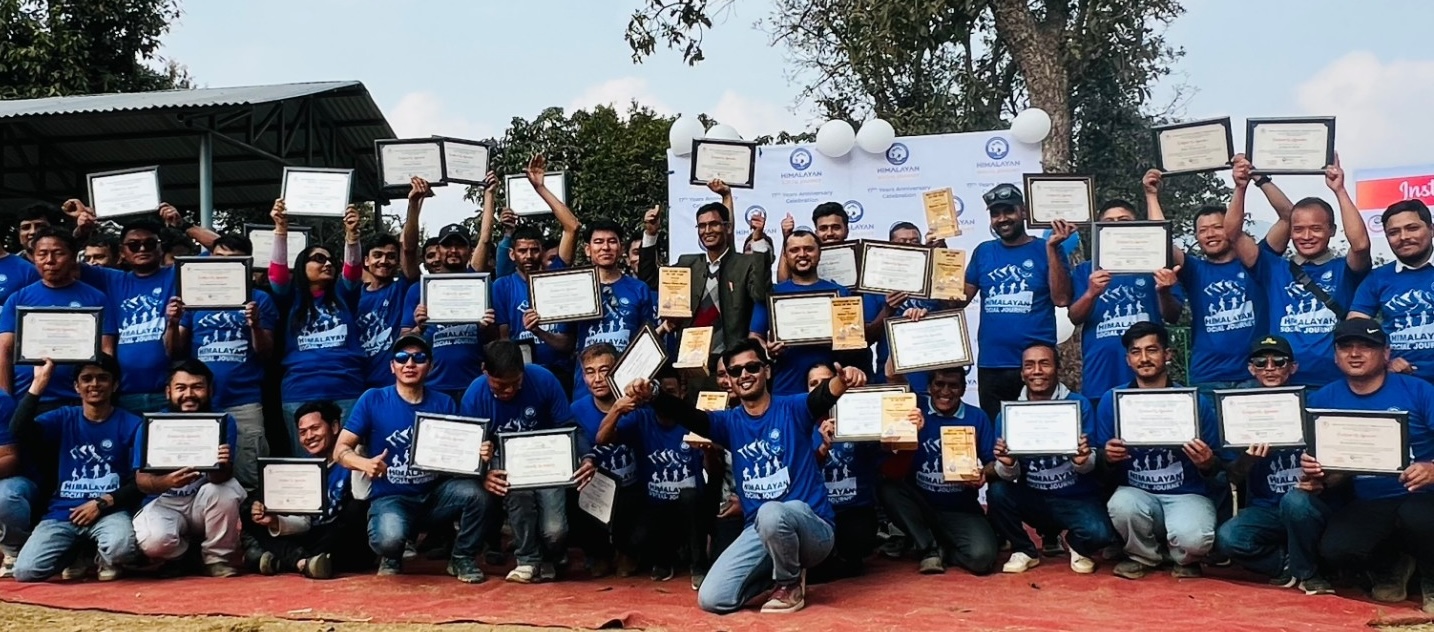
This company is locally-owned and has had almost 20 years of experience in Nepal and has earned a stellar reputation due to impeccable logistics, unwavering safety, and a highly personalized service. HSJ has made it its business to make adventure hassle-free, so you can fully experience the magic of the mountains.
The Professional's Choice for Seamless Logistics
The most important thing is your time. HSJ is your on-the-ground concierge, and does all the work, including your domestic flights and hotel bookings in the boutique hotels, as well as your more intricate VIP services. Need to hike to the base camp of Everest but do not have the three weeks to make a round trip? HSJ skillfully orchestrates the luxury helicopter returns, which enables you to explore the final trekking milestone and be back in Kathmandu to celebrate the dinner in half the time.
Expert Local Leadership and Uncompromising Safety
The real distinction of a good trek and an experience of a lifetime is the people who are leading the trek. The English speaking, highly trained guides and legendary porters of HSJ are not merely guides, they are cultural ambassadors. They are strictly apprenticed in high-altitude medicine, armed with oximeters and satellite communications, and with a deep, passionate understanding of the local flora, fauna, and Tibetan-Buddhist culture.
Tailor-Made, Time-Optimized Flexibility
HSJ realizes that the modern day travelers cannot fit in the one size fits all itinerary. Whether you are seeking a raw, challenging 15-day Manaslu Circuit adventure, an all-female guided trek, a high-end photographic safari in Chitwan, or a holistic yoga retreat in the foothills, HSJ crafts bespoke itineraries backed by 24/7 support. They cater specifically to urban professionals who need a perfectly calibrated mix of profound adventure and reliable comfort.
Travel with Purpose
As the name suggests, when you book with Himalayan Social Journey, you are automatically doing an ethical journey. Your money is directly invested into the local economy, offers fair and above-market wages and insurance to mountain crews, and contributes to community empowerment initiatives in remote Himalayan villages. You are not merely in Nepal, you are helping Nepal to flourish.
The Pinnacle of Adventure: Trekking the Upgraded Classics
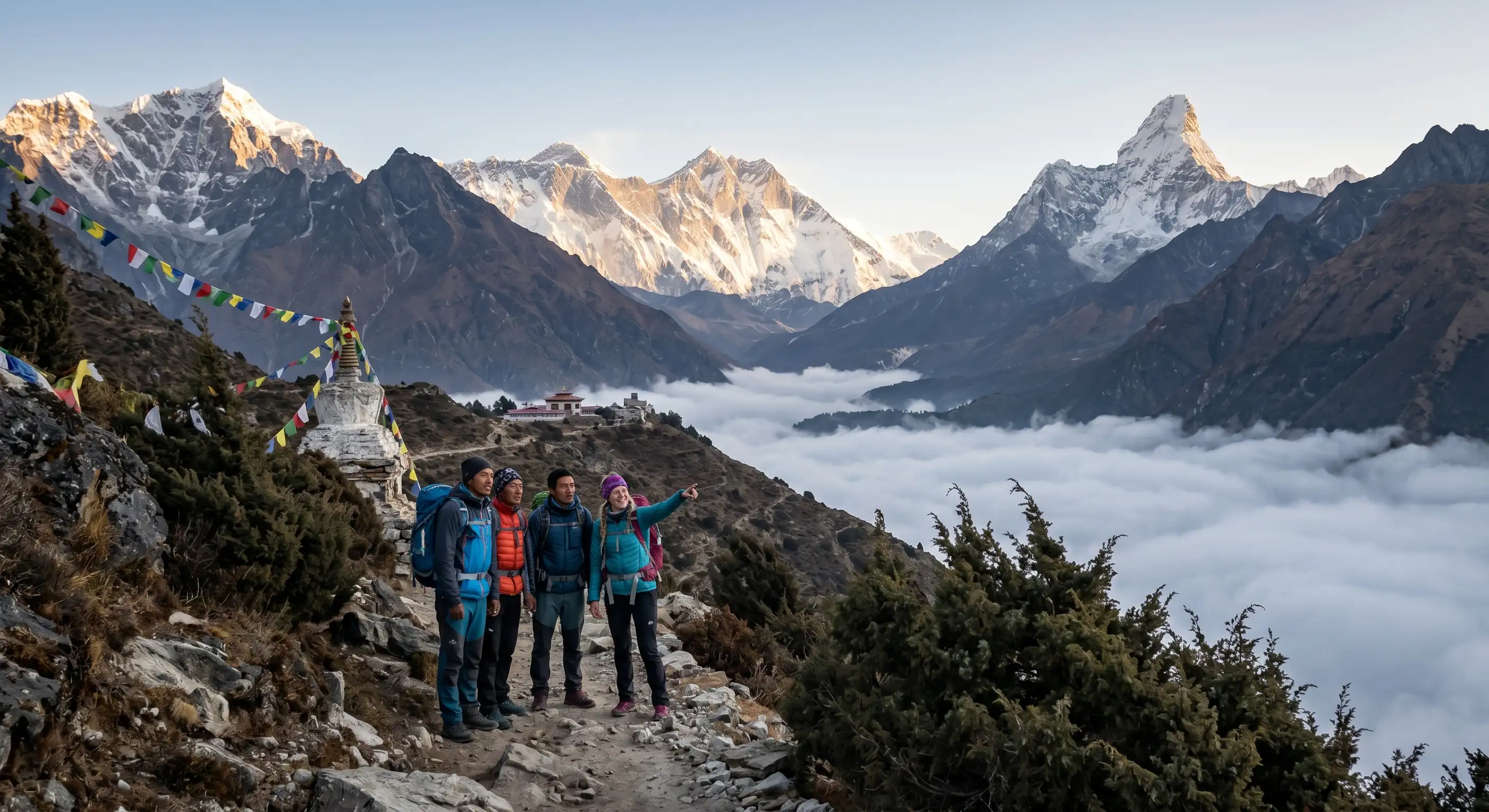
The trails in Nepal are a legend on their own, but the trekking experience in 2026 has been streamlined. Trails have been greatly enhanced with more visible trails, suspension bridges and enhanced digital tracking that ensures safety. Accommodations have also changed; in addition to the traditional teahouses, there are official chains of luxurious lodges serving electric blankets, bathrooms, and espresso machines in the furthest places on earth.
The Ultra-Cinematic Everest Region (The Khumbu)
There is nothing quite like the visual majesty of the Everest region. It is a landscape of stark, dramatic contrasts: deep pine forests, raging glacial rivers, and the jagged, ice-capped teeth of the highest peaks on the planet. Trekking here feels like moving through a high-definition documentary. The journey through Namche Bazaar the bustling, horseshoe-shaped Sherpa capital and up to the spiritually resonant Tengboche Monastery offers views of Ama Dablam, Lhotse, and Everest that will permanently alter your perspective on the world.
The 2026 Upgrade: Experience the Khumbu in unmatched comfort. Opt for itineraries that utilize the region's premium lodges, allowing you to hike hard during the day and recover with a hot shower, a gourmet meal, and a plush bed at 4,000 meters.
The Biodiversity of the Annapurna Region
The Everest region visual majesty is like none other. It is a topography of harsh, melodramatic extremities: dense pine forests, raging glacial rivers and the jagged, ice-capped fangs of the highest mountains on the planet. Hiking here is like walking through a state-of-the-art documentary. The trek along Namche Bazaar, the horse-shaped Sherpa capital, and to the spiritually awakening Tengboche Monastery, which includes Ama Dablam, Lhotse and Everest views, will forever change your view of the world.
Upper Mustang and Manaslu
For those who have already conquered the classics, 2026 is the year to explore Nepal's restricted regions. The Manaslu Circuit offers the epic scale of the Annapurnas but with a fraction of the foot traffic. Alternatively, journey into the mystical kingdom of Upper Mustang. Tucked away in the rain shadow of the Himalayas, this high-altitude desert is steeped in preserved Tibetan culture, featuring ancient cave dwellings, incredibly intricate monasteries, and landscapes painted in striking hues of red, ochre, and grey.
What is Yoga, and Why Yoga in Nepal?
In our hyper-connected, fast-paced modern world, the ultimate luxury is often simply silence, space, and a profound disconnection from digital demands. Nepal is rapidly becoming the world’s premier destination for wellness tourism, and for good reason. But why come all the way to Nepal for yoga?
The True Meaning of Yoga in the Himalayas
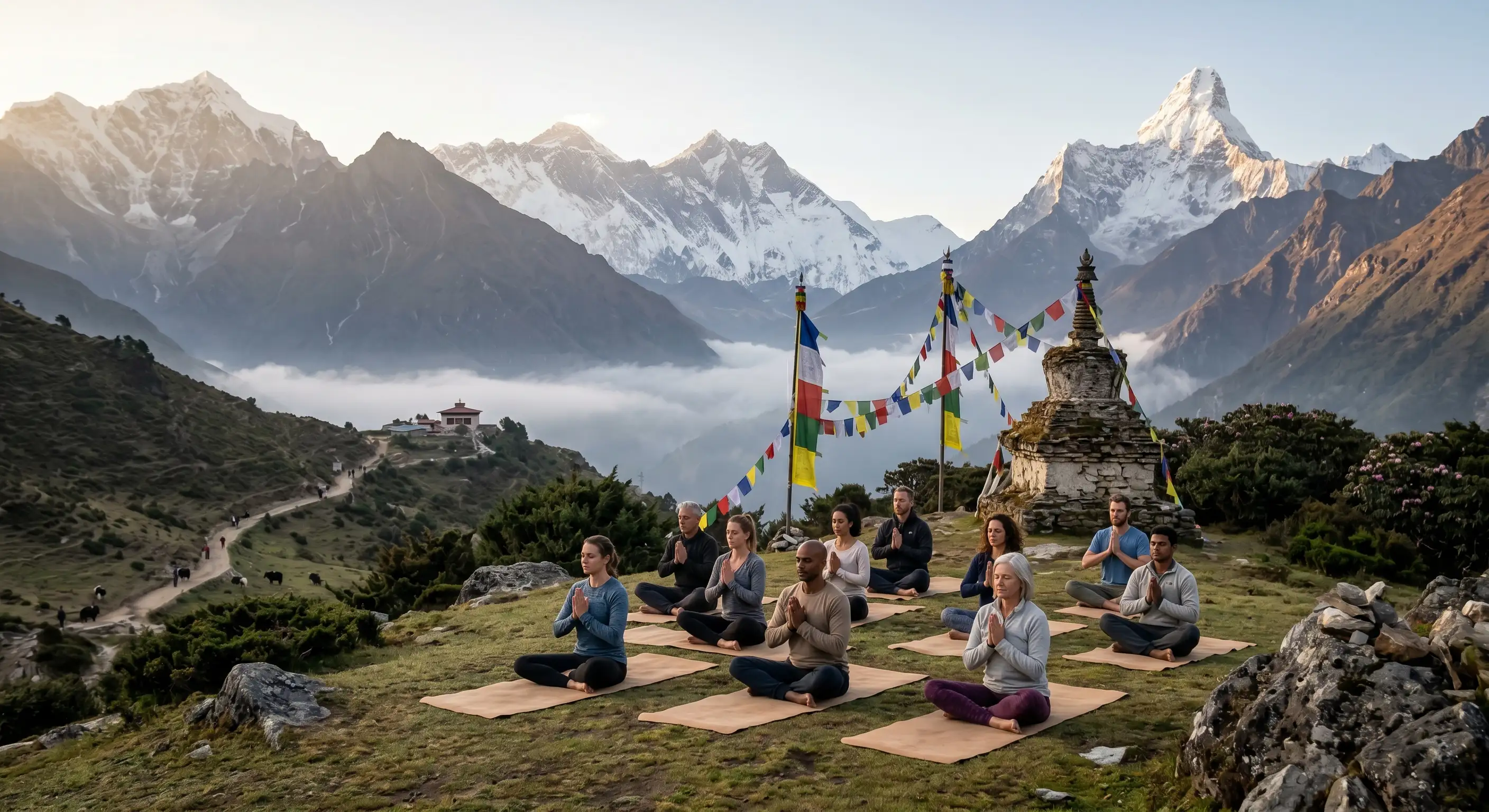
In the West, yoga is frequently distilled down to a physical exercise a series of postures (asanas) meant to build core strength and flexibility. In Nepal, yoga retains its original, holistic definition. Derived from the Sanskrit word "Yuj," meaning to yoke or bind, yoga is the union of the individual consciousness with universal consciousness. It is a comprehensive system of mental, physical, and spiritual practices designed to quiet the fluctuations of the mind.
Why Nepal is the Ultimate Wellness Sanctuary
You cannot separate Nepal from its spiritual heritage. This is the birthplace of Siddhartha Gautama (the Buddha). It is a land where Hinduism and Buddhism have coexisted and intertwined for millennia. Meditating or practicing asanas in the shadow of the Himalayas, surrounded by the scent of juniper incense and the hum of chanting monks, provides a contextual power that a studio in a bustling metropolis simply cannot replicate.
High-Altitude Purity: The pristine, unpolluted air and the sheer scale of the mountains naturally command a sense of mindfulness and presence. The environment strips away trivial anxieties, making it easier to turn your attention inward.
Authentic Retreats: Whether you prefer a luxury wellness resort overlooking the tranquil waters of Phewa Lake in Pokhara, or a minimalist, immersive ashram experience in the hills of Kathmandu, Nepal offers world-class facilities.
Singing Bowls and Sound Healing: Beyond physical yoga, Nepal is the epicenter of Himalayan sound therapy. Retreats often integrate authentic Tibetan singing bowl sessions, using vibrational frequencies to induce deep states of relaxation and cellular healing.
Vipassana Meditation: For the ultimate mental reset, Nepal offers numerous centers for Vipassana (insight meditation), allowing professionals to step completely out of their daily stress and undergo a rigorous, silent reboot of the mind.
Combining a challenging trek with a concluding week of restorative yoga and Ayurvedic massage is the ultimate 2026 itinerary, offering both physical triumph and profound mental restoration.
Exploring the Kathmandu Valley
It is a mistake to view Kathmandu merely as a transit hub. The Kathmandu Valley is an intensely vibrant, sensory-rich environment that demands exploration. It comprises three ancient royal cities and also a living museum Kathmandu, Patan, and Bhaktapur.
Durbar Squares and Newari Architecture
The indigenous Newar people of the valley are master craftsmen, historically renowned for their intricate wood carving, metalwork, and brick architecture. Spend a day wandering the car-free, cobblestone streets of Bhaktapur Durbar Square. Marvel at the 55-Window Palace and the towering Nyatapola Temple. In Patan, the "City of Fine Arts," the museum located inside the ancient royal palace is widely considered one of the best in Asia, offering a beautifully curated look at Hindu and Buddhist deities.
Spiritual Epicenters
Swayambhunath (The Monkey Temple): Perched on a hill overlooking the sprawling valley, this ancient stupa is a mosaic of Buddhist and Hindu iconography, famously guarded by hundreds of macaques. Catching the sunrise here, with the Kathmandu valley waking up below you, is unforgettable.
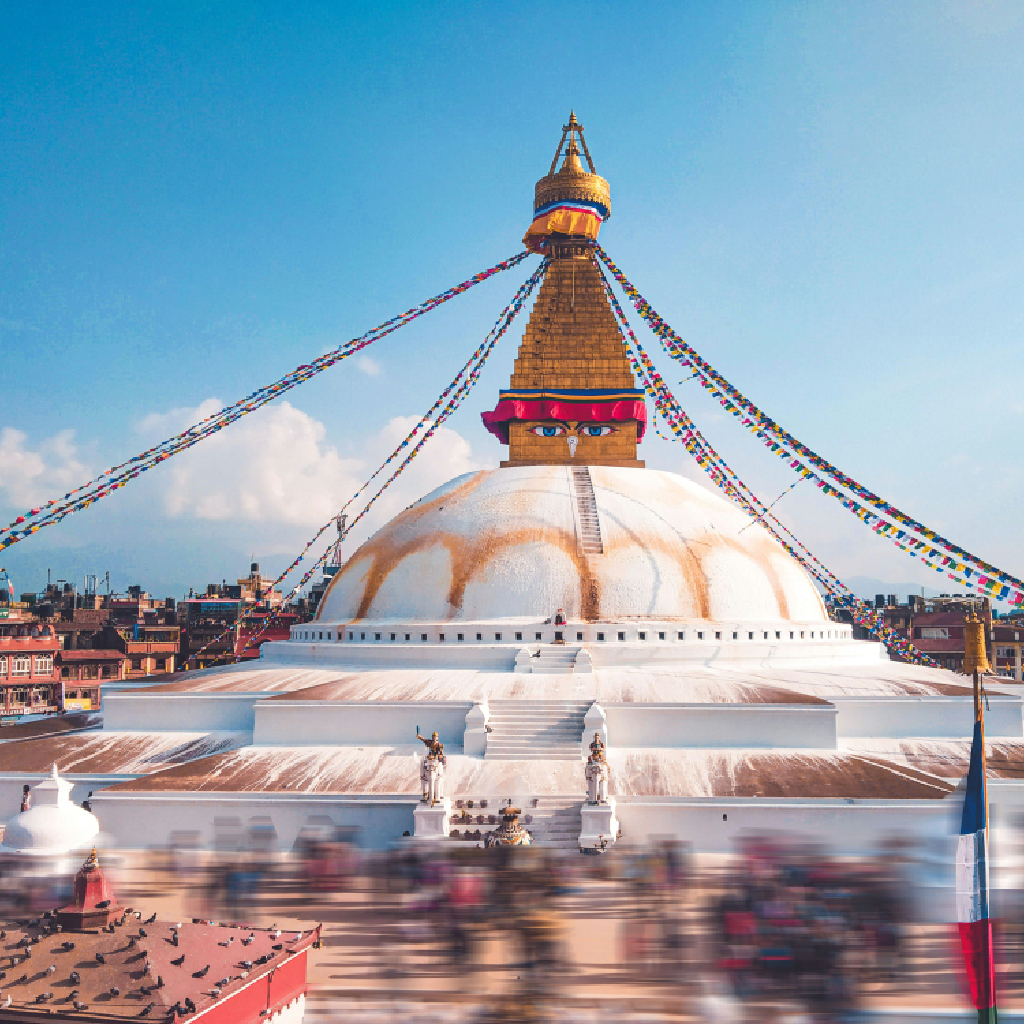
Boudhanath Stupa: One of the largest spherical stupas in the world, Boudhanath is the heart of the Tibetan community in Nepal. Walking the kora (circumambulation) around the massive white dome at dusk, alongside monks spinning prayer wheels and lighting butter lamps, is a deeply moving experience.
Pashupatinath Temple: This sprawling Hindu temple complex on the banks of the Bagmati River is dedicated to Lord Shiva. It is a place of profound life and death, where open-air cremations take place daily—a stark, beautiful reminder of the impermanence of life.
The Wild South: Lowland Jungle Safaris
When most people think of Nepal, they picture snow and rock. But a short, 20-minute flight south from Kathmandu brings you to Terai the lush, subtropical lowlands that border India. Here, the temperature soars, the landscape flattens into vast grasslands and dense Sal forests, and the focus shifts from mountaineering to world-class wildlife tracking.
Chitwan National Park
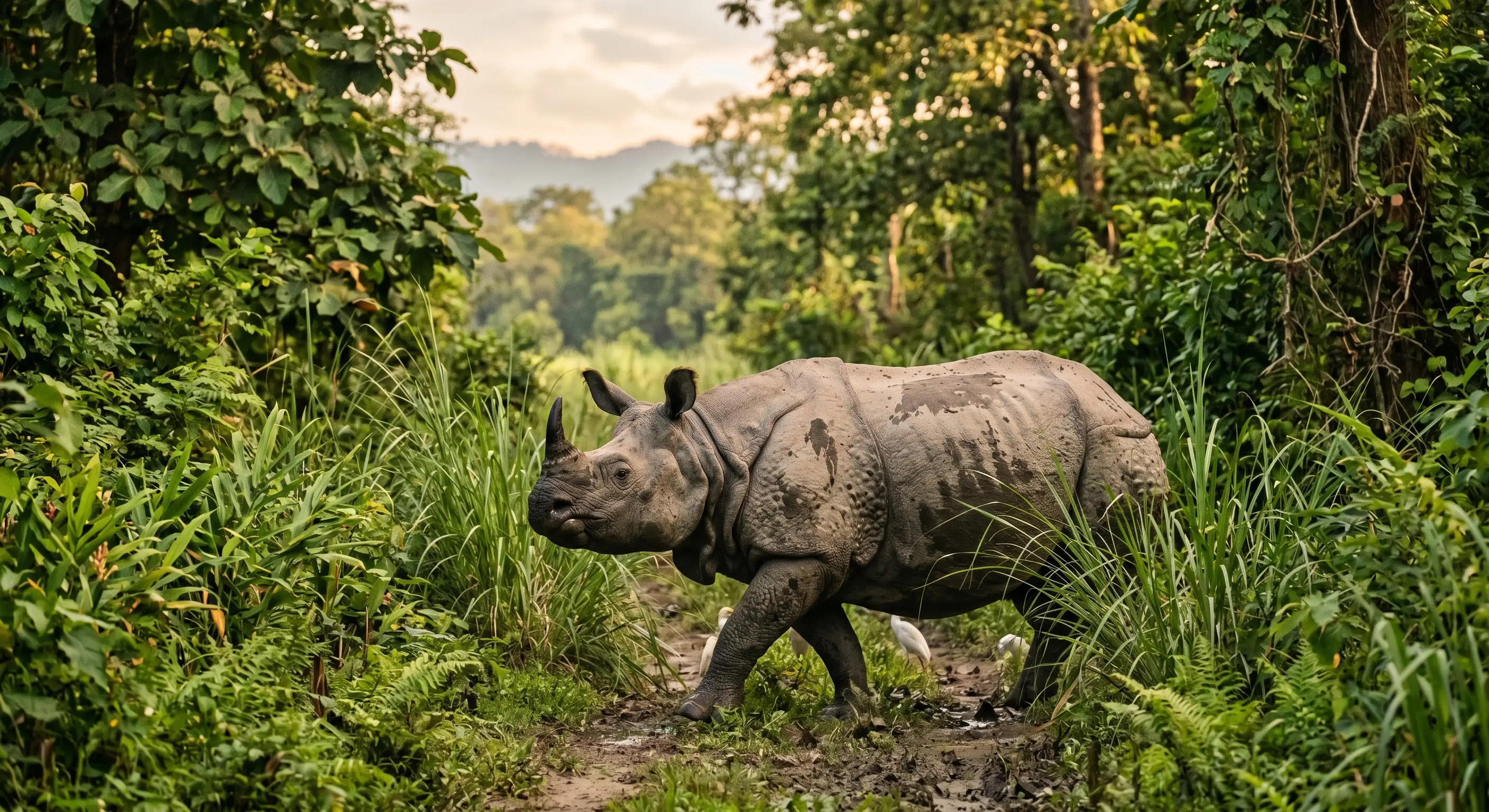
A UNESCO World Heritage site, Chitwan is one of the most successful conservation areas in Asia. The park is a sanctuary for the endangered One-Horned Rhinoceros, with populations rebounding significantly in recent years. Luxury eco-lodges situated on the edge of the Rapti River offer high-end comfort. Spend your days on silent canoe rides looking for gharial crocodiles, or head into the deep jungle on a jeep safari to track the elusive Royal Bengal Tiger, sloth bears, and wild elephants.
Bardia National Park
For those willing to travel further west, Bardia National Park offers a wilder, more remote safari experience. It receives a fraction of the visitors that Chitwan does, meaning you can spend hours in the jungle without seeing another jeep. The tiger tracking here is phenomenal, and the park is also home to wild herds of elephants and the rare Gangetic dolphin.
Beyond the wildlife, the southern plains are home to the Tharu people, an indigenous group with a rich, unique culture and architectural style. Cultural tours through Tharu villages offer a fascinating contrast to the Sherpa and Gurung cultures of the high mountains.
A Taste of the Himalayas: The 2026 Culinary Guide
No ultimate travel guide is complete without a deep dive into the local cuisine. Nepali food is a reflection of its geography, blending Tibetan, Indian, and indigenous Himalayan influences into a comforting, highly nutritious culinary tradition.
Dal Bhat Power, 24 Hour: The undisputed champion of Nepali food is Dal Bhat. It is a platter consisting of steamed rice (bhat), lentil soup (dal), seasonal vegetable curries (tarkari), sautéed greens (saag), and spicy pickles (achar). It is the fuel that powers porters and climbers up Mount Everest. The best part? In traditional teahouses and restaurants, refills are unlimited.
The Mighty Momo: You cannot leave Nepal without eating your weight in momos. These bite-sized dumplings (steamed, fried, or half-and-half) are filled with spiced minced chicken, buffalo, or vegetables, and served with a fiery, tomato-and-sesame-based dipping sauce.
Newari Feasts: For a true culinary adventure, seek out a traditional Newari restaurant in Patan or Kathmandu. Try Bara (a savory lentil pancake), Chatamari (often called Nepali pizza, a rice flour crepe topped with minced meat and egg), and Yomari (a sweet dumpling filled with molasses and sesame, typically eaten during winter festivals).
Juju Dhau: In Bhaktapur, do not miss Juju Dhau, the "King of Yogurt." It is a rich, creamy, sweetened custard-like yogurt made from buffalo milk, served in traditional clay pots.
Modern Gastronomy: The dining scene in Kathmandu and Pokhara has evolved dramatically by 2026. Thamel and Sanepa are now home to sophisticated restaurants offering everything from authentic wood-fired Italian pizzas to high-end fusion cuisine that elevates traditional Nepali ingredients using modern culinary techniques.
Practical Preparation for the 2026 Traveler
To ensure your Himalayan journey is as seamless and stress-free as the landscapes are beautiful, meticulous preparation is key. Here are the essential, up-to-date practical tips for navigating Nepal in 2026.
Embrace the Mandatory Guide Rule
One of the most significant changes in recent years is the nationwide implementation of the mandatory guide rule. To maximize safety, prevent trekkers from getting lost in sudden weather changes, and directly support the local economy, hiring a licensed local guide or porter through an agency like HSJ is now legally required for most national park trekking circuits. Do not view this as a restriction; view it as a massive upgrade. Your guide is your translator, your safety net in case of altitude sickness, and your cultural bridge to the local communities. They turn a good hike into a great, educational expedition.
Timing is Everything: When to Go
Nepal’s climate dictates its tourism seasons. Planning your trip around the weather is non-negotiable.
Autumn (September to November): This is the absolute peak season. The monsoon rains have washed the dust from the air, leaving crystal-clear skies, spectacular mountain views, and stable, moderate temperatures. The trails are busy, but the conditions are perfect.
Spring (March to May): The second most popular season. The weather steadily warms up, making high-altitude trekking more comfortable. This is the season when the alpine forests explode into color with blooming rhododendrons. It is also the primary climbing season for Everest.
Winter (December to February): While the high passes may be blocked by snow, the lower elevation treks (like Ghorepani Poon Hill) and the Kathmandu Valley are beautiful. The skies are generally clear, and the crowds are virtually non-existent, making it perfect for cultural tours and jungle safaris.
Monsoon (June to August): Generally avoided for trekking due to leeches, rain, and obscured views, but this is the ideal time to visit the rain-shadow region of Upper Mustang, which remains dry and stunning.
Digital Permits and Visas
The bureaucratic red tape of the past has been digitized. Tourist visas are easily obtainable on arrival at the international airports, though filling out the online pre-arrival form will save you time in the immigration queue. For trekking, you will need a TIMS (Trekkers' Information Management Systems) card and specific National Park permits. By booking with a reputable agency like Himalayan Social Journey, all of these permits are secured digitally on your behalf before your plane even touches down.
Packing for Extreme Variances
Packing for Nepal requires strategic layering. You might start a trek in a t-shirt sweating in the humid foothills and end up in a down jacket in freezing alpine winds a few days later.
Base Layers: Invest in high-quality merino wool. It regulates temperature, wicks sweat, and doesn't hold odor crucial for a 12-day trek.
Outerwear: A high-quality, windproof, and waterproof hard-shell jacket is essential, along with a warm down jacket for the evenings in the teahouses. (Note: High-quality down gear can be easily rented or purchased in Kathmandu upon arrival).
Footwear: Do not break in new boots on the trail. Bring well-worn, waterproof trekking boots with excellent ankle support.
Health, Altitude, and Insurance
Altitude Sickness (AMS): Acute Mountain Sickness does not care about your age or fitness level. The key is to ascend slowly, stay aggressively hydrated (3-4 liters of water a day), and listen to your guide. Acclimatization days are built into itineraries for a reason do not rush them.
Water Safety: Never drink from the tap or streams. Bring a reusable water bottle equipped with a high-quality built-in filter (like a LifeStraw or Grayl), or use water purification tablets. This keeps you safe and drastically reduces single-use plastic waste on the mountain.
Travel Insurance is Non-Negotiable: This is the most critical piece of advice for 2026. Ensure your comprehensive travel insurance explicitly covers high-altitude trekking (check the altitude limits—you need coverage up to 6,000 meters for EBC) and, crucially, emergency helicopter evacuation. If you sprain an ankle at 5,000 meters, a helicopter is the only way down, and you do not want to be paying for it out of pocket.
The Mountains are Calling
Nepal in 2026 is a harmonious blend of its ancient, rugged soul and a new era of comfortable, mindful, and highly organized travel. The infrastructure has caught up with the ambition of the modern traveler, but the majestic, formidable nature of the Himalayas remains wonderfully unchanged.
Whether you are charting a course for the icy expanse of Everest Base Camp, seeking a luxurious cultural immersion in the restored squares of Kathmandu, or searching for profound mental clarity at a high-altitude yoga retreat, the time to visit is now.
By partnering with experienced local experts like Himalayan Social Journey, you guarantee a trip that is not only safe and seamlessly executed but also deeply enriching and respectful of the land and its people. You are not just booking a vacation; you are answering the call of the mountains. You are stepping into a landscape that has the power to recalibrate your perspective, challenge your limits, and transform your soul.
Pack your bags, secure your permits, and prepare for the adventure of a lifetime. The Himalayas are waiting.