


How Nepal Gave the World Buddha’s Wisdom
Where Does Wisdom Begin?
For the people who are in search of a spiritual journey to Nepal, this is not just a vacation but a journey back to the origin. Take us on a tour of this ancient land, and see how it bestowed on the world one of the most perennial philosophies, and why its spiritual lesson remains to this day a throbbing heart, drawing the attention of pilgrims and seekers across the globe to a Buddhist pilgrimage Nepal.
A Sacred Origin
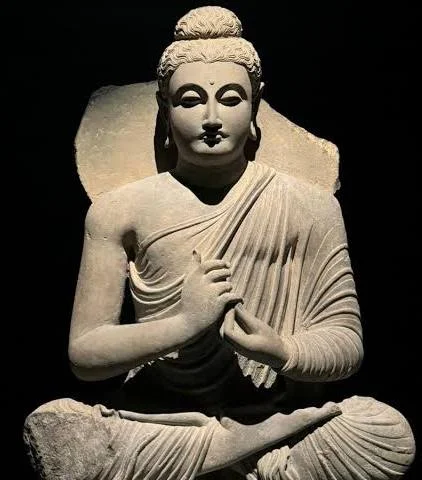
At the heart of Nepal's spiritual significance lies Lumbini, a UNESCO World Heritage Site, where Siddhartha Gautam, the Buddha, was born in 623 BC. This hallowed garden, marked by the Ashoka Pillar and the Maya Devi Temple, is not just a historical site; it's a living testament to the genesis of a global religion.
Siddhartha Gautam was a privileged boy as his life was spent in the royal palace of Kapilavastu (now in present-day Nepal). However, it was his experience with suffering, old age, illness and death that had propelled him on a search for enlightenment. It is his adventure, which led to his enlightenment under the Bodhi tree that formed the basis of the deep teachings that would later on go beyond the borders of Nepal. In the present day, Lumbini Nepal tourism has developed to provide spiritual experience and a touch of modernity to foreigners.
Core Teachings of Buddha The Path to Enlightenment
The principles of Buddhist philosophy are timeless and are intended to reduce suffering and enhance inner peace. The teachings are the result of the enlightenment of Buddha himself and provide a practical guideline on how to lead a meaningful life.
The Four Noble Truths
Dukkha (Suffering): Life involves suffering, dissatisfaction, and unease.
Samudaya (Origin of Suffering): Suffering arises from craving and attachment.
Nirodha (End of Suffering): Suffering can cease by eliminating craving.
Magga (Path to the end the Suffering): The path to cessation is the Eightfold Path.
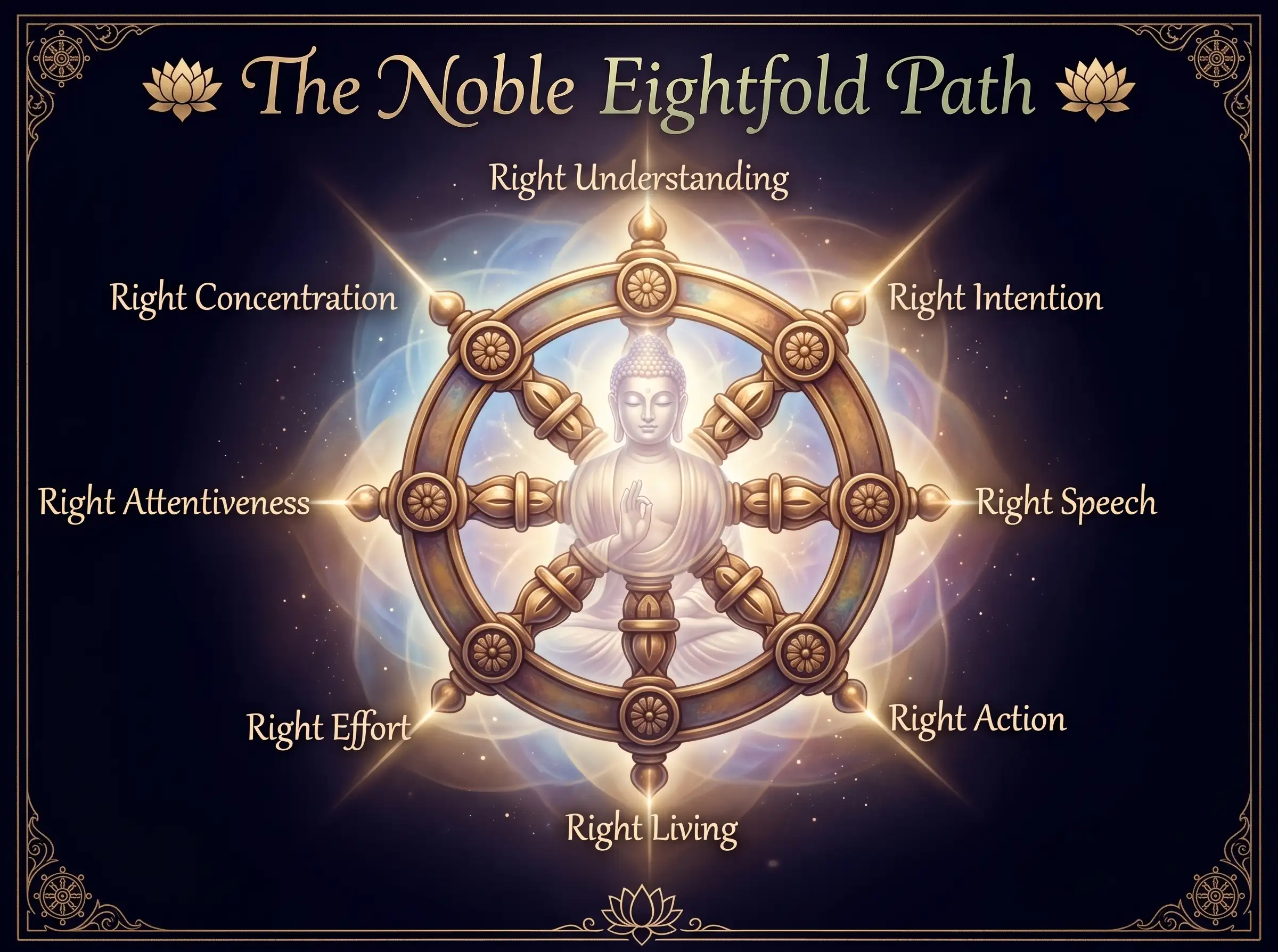
The Eightfold Path
This handbook to ethical behavior, psychological discipline and wisdom consists of Right Understanding, Right Thought, Right Speech, Right Action, Right Livelihood, Right Effort, Right Mindfulness and Right Concentration. With their help, people develop compassion and mindfulness and reach a state of non-attachment to worldly desires (liberation).
How Buddhism Spread Across the World: A Journey of Wisdom
Buddhist teachings started their unbelievable trip beginning in Nepal and later thriving in India, but modifying and enriching other cultures in Asia and other parts of the world. This spiritual flow was motivated by faithful monks, eagerness merchants, and strong emperors, making it really a global phenomenon.
Journey to Southeast Asia
Singapore: While a multi-religious nation, Singapore has a significant Buddhist population. Many Singaporeans find solace in Buddhist principles and often seek Nepal tour packages from Singapore to reconnect with these ancient roots.
Vietnam: Buddhism arrived in Vietnam early, blending with local beliefs to form a unique cultural tapestry. Vietnamese temples are central to community life, and Buddhist practices emphasize social harmony.
Indonesia: Particularly in Java, the magnificent Borobudur Temple stands as a testament to early Buddhist influence. Though predominantly Muslim today, Buddhist heritage remains a significant part of Indonesia's cultural identity.
Journey to East Asia
China: Buddhism's arrival in China profoundly impacted its philosophy, art, and literature. From the Shaolin Temple to the grottoes of Dunhuang, Chinese Buddhism developed distinct schools that continue to thrive.
Japan: Introduced via Korea and China, Buddhism in Japan evolved into various schools like Zen, which deeply influenced Japanese aesthetics, martial arts, and philosophy.
Why Nepal is Still a Spiritual Destination: The Heart of the Himalayas
Nepal continues to be a magical destination even to this day to spiritual tourists and culture hunters. Its ancient locations, colorful monasteries and the sheer grandeur of the Himalayas make it a place of unmatched introspection and connection.
Lumbini: The undisputed highlight, offering a tangible link to Buddha's birth. Visitors can explore the sacred garden and witness international monasteries.
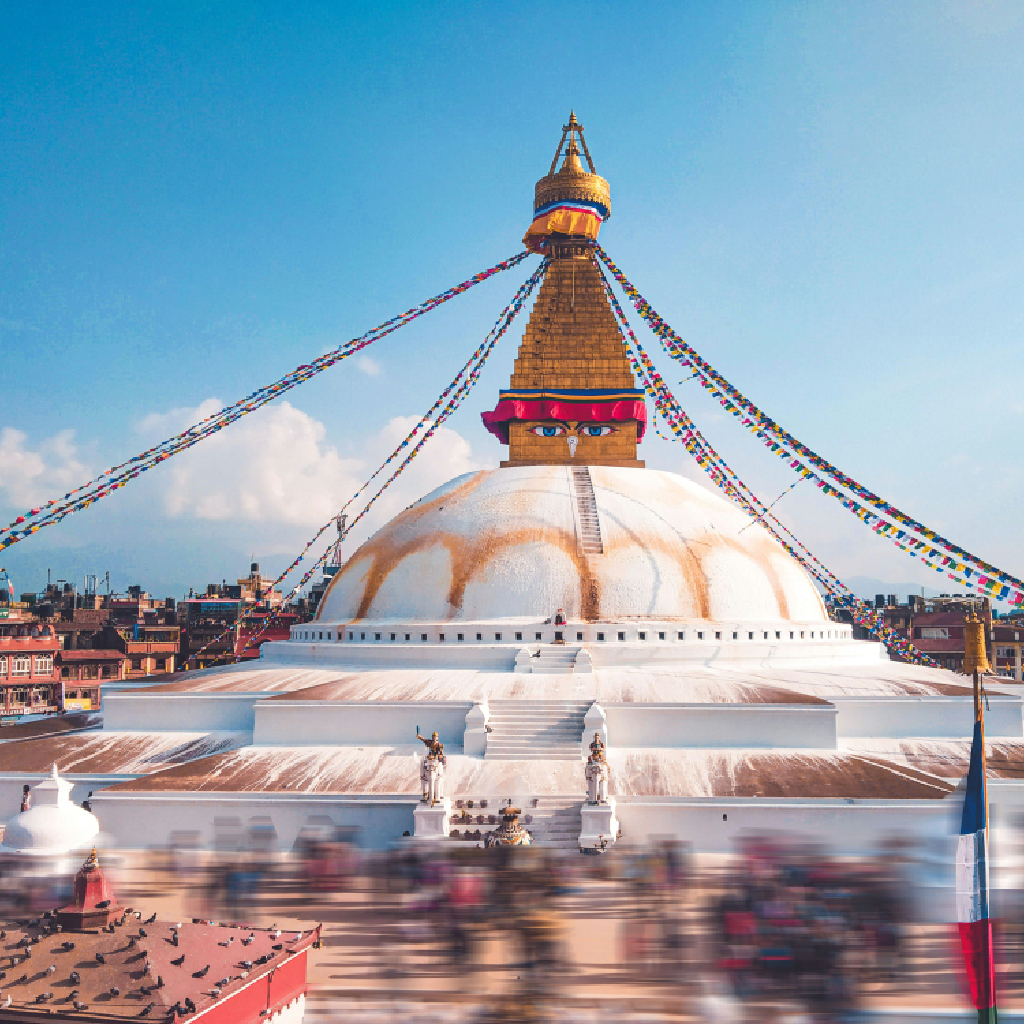
Boudhanath Stupa: In Kathmandu, this colossal stupa is a vibrant hub of Tibetan Buddhism. It is a central feature in most spiritual travel Nepal itineraries.
Yoga and Meditation: For those seeking a yoga retreat Nepal 2026, the country offers world-class facilities ranging from boutique wellness centers to traditional monastic retreats.
Tourism Appeal for International Travelers A Transformative Journey
To the international tourists, particularly those who have a Buddhist background, Nepal is an experience that is truly inimitable and so enriching..
Spiritual Tourism: Walk in the actual footsteps of Buddha and connect with the roots of your faith.
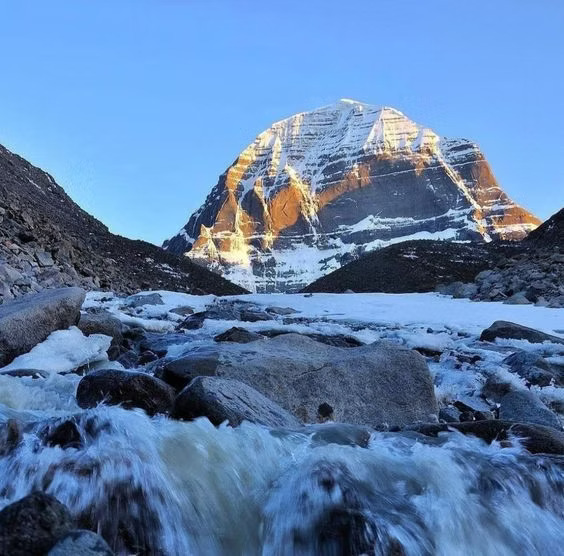
Himalayan Experience: Combine your spiritual journey with the awe-inspiring majesty of the Himalayas. Imagine a chakra activation retreat Himalayas with Everest in the distance.
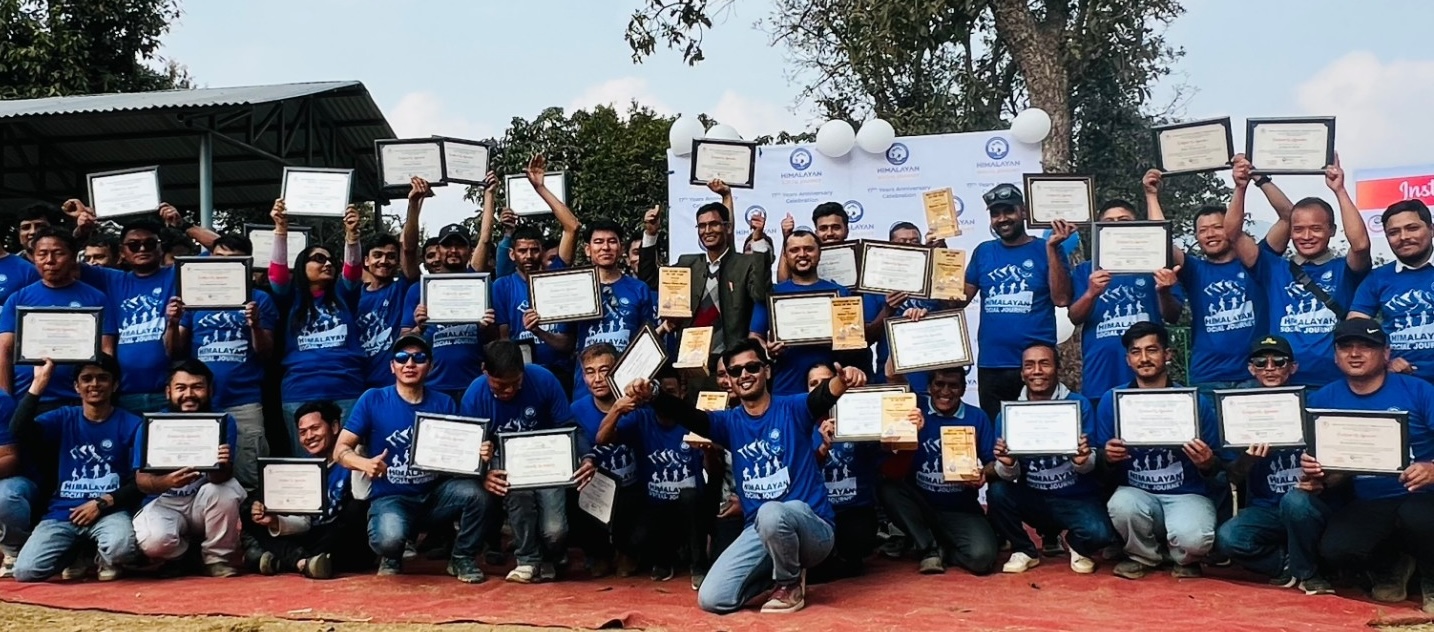
Bespoke Journeys: Modern travelers can now enjoy luxury Nepal tour packages that combine spiritual depth with five-star comfort, similar to the high-standard offerings of companies like Himalayan Social Journey.
Walk in the Footsteps of Wisdom
Nepal is more than just a country; it is the cradle of a wisdom that has shaped civilizations. From the tranquil gardens of Lumbini to the bustling spiritual centers of Kathmandu, the legacy of Buddha is alive and vibrant.
Are you ready to embark on a journey to spirituality ? Let’s start the journey with Himalayan Social Jouney.